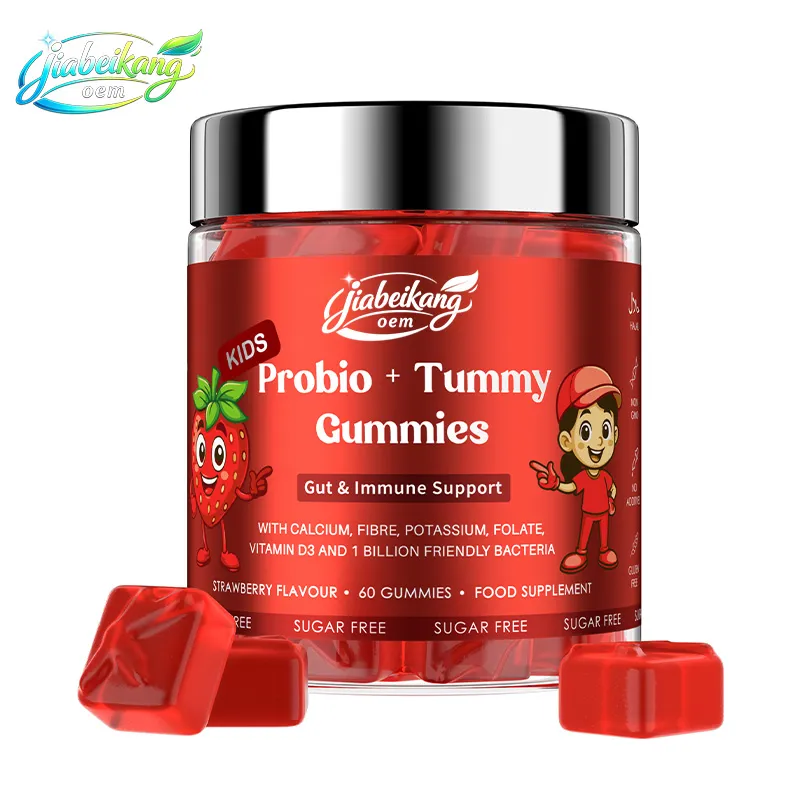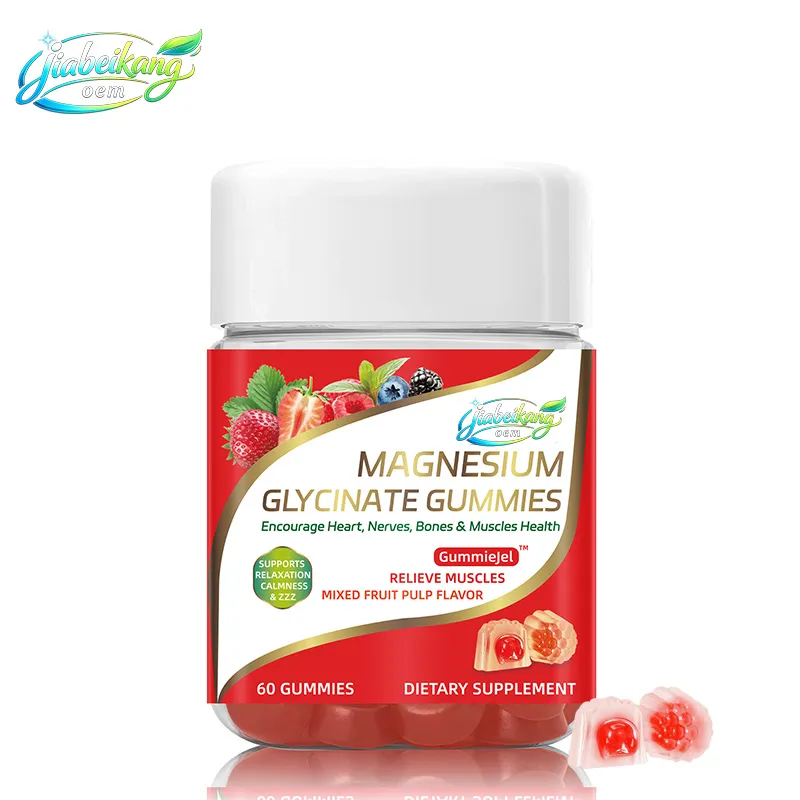





Choosing a vitamin C gummies manufacturer is not just a sourcing decision. It affects taste, active content, regulatory risk, delivery dates, and what happens when your first batch sells out.
A polished sample can still become a poor commercial product if later gummies stick together, lose flavor, or fail a label review. When planning private label vitamin C gummies, look past the bottle mockup. Check the factory, formula, testing plan, packaging, and repeat-order capacity. A useful private label vitamin manufacturing guide makes the same practical point: suppliers may look similar online, but their real capabilities can differ greatly.
What Should You Define before Contacting a Manufacturer?
Good vitamin C gummy product development starts with a clear brief. Without one, quotes may cover different formulas, packaging standards, or testing plans, so the cheapest number may not mean much.
Build a Specific Product Brief
State your target customer, market, serving size, bottle count, flavor, gummy base, shape, and launch date. Include the required vitamin C content per gummy and vitamin C dosage per serving.
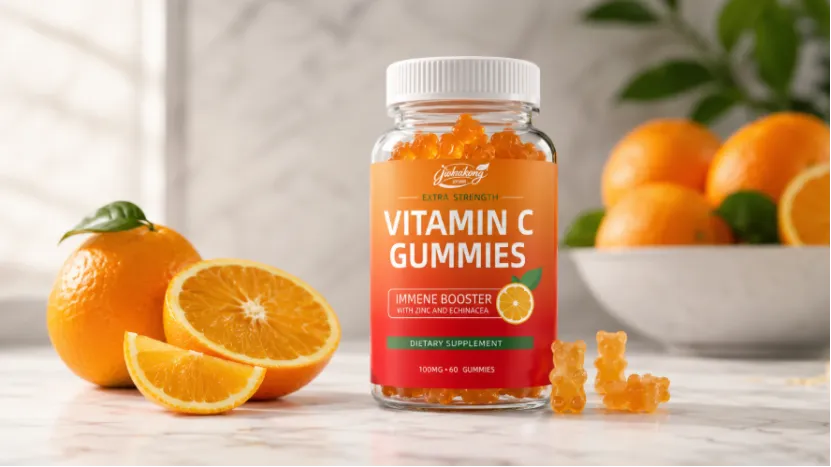
You should also decide whether you want pectin vitamin C gummies, gelatin vitamin C gummies, or sugar-free vitamin C gummies. Each choice affects texture, processing, cost, and customer positioning. The knowledge base lists 60-count vitamin C gummies and supports custom shapes, colors, flavors, and packaging.
Compare Stock and Custom Formulas
A stock vitamin C gummy formula usually shortens development and may suit a first market test. A custom vitamin C gummy formula gives you more control over dose, sweetness, acidity, color, and positioning.
Ask what changes will trigger new sampling, testing, or MOQ requirements. The factory should be able to reproduce an approved formula or develop one around your target market and legal requirements.
Which Quality Systems and Tests Matter?
A GMP gummy manufacturer should show more than a certificate image. You need to know which facility it covers, whether it is current, and whether it applies to the product you are buying.
Check the Factory and Raw Materials
Your gummy manufacturer audit checklist must include supplier approval, incoming inspections, sanitation, formula weighing, critical control points, plus gummy temperature and humidity control.
The factory notes incoming batch checks for heavy metals, microorganisms, plus pesticide residues. It logs dual verification during formula weighing, real-time environmental monitoring, and full batch records for gummy product traceability.
Here, gummy raw material testing, gummy microbiological testing, and heavy metal testing for gummies truly matter. Always ask how the plant checks the vitamin C source for gummies and tests vitamin C gummy potency post-production.
Ask for Finished-Batch Documents
A reliable supplier should provide a finished product specification, a certificate of analysis for gummies, and the test reports agreed in your contract. The COA should match the batch you receive, not an old sample batch.
The knowledge base lists active ingredient verification, ingredient identity checks, microbial analysis, heavy-metal testing, stability chambers, full-batch COAs, and label review.
For stronger vitamin C gummy compliance, confirm who handles dietary supplement label compliance, claims, warnings, serving information, and target market compliance before printing begins.
Can the Manufacturer Make Consistent Gummies at Scale?
A lab sample is only the first checkpoint. Commercial gummy production adds longer holding times, larger mixing tanks, faster depositing, and more packaging steps. That is where small formula weaknesses often become obvious.
Review the Production Process
The vitamin C gummy production process must include checking, weighing, cooking, blending, depositing, cooling, drying, coating, counting, sealing, labeling, plus coding.
Pectin, sweeteners, flavors, and nutrients mix together right before molding. Careful drying pulls out extra water, and coating helps improve handling plus flavor. Every batch gets tested prior to shipment.
Always ask how the gummy drying step changes the vitamin C gummy texture, and how plants keep steady batch-to-batch consistency. Later orders must never feel harder, duller, or less sweet. Good climate control plus steady flavor systems really matter.
Check Capacity, MOQ, and Timing
Confirm actual gummy production capacity, available lines, peak-season queues, gummy sample lead time, and gummy production lead time. The knowledge base reports four dedicated gummy lines, daily capacity of six million pieces, and sample production in about seven days.
A low vitamin C gummy MOQ sounds attractive, but a low MOQ gummy manufacturer still needs formal testing and documentation. Compare private label gummy MOQ, vitamin C gummy lead time, tooling charges, packaging minimums, and the total landed cost. Small details add up. Labels are a classic example.
Does the Supplier Offer Complete Private Label Support?
A capable private label gummy manufacturer should reduce handoffs between the laboratory, packaging supplier, printer, and shipping team. Too many disconnected vendors create approval errors and unclear responsibility.
Review Packaging and Stability Support
Ask about private label gummy packaging, bottle options, seals, label sizes, and carton specifications. Good vitamin C gummy packaging should be chosen through gummy packaging compatibility testing.
The knowledge base calls for moisture-proof and light-shielding materials, plus temperature and humidity monitoring during storage and transport.
Your plan should also include vitamin C gummy stability testing, accelerated stability testing, and checks for vitamin C retention during storage. Track color, active content, gummy flavor stability, and gummy texture stability before confirming the vitamin C gummy shelf life.
Confirm Communication and Commercial Terms
Ask who owns the project, how approvals get logged, plus when you get updates. The knowledge base notes a personal account manager handles R&D, production, quality, and logistics, while sharing sample and mass-production progress.
Before paying a deposit, approve the gummy product specification sheet, testing scope, gummy production timeline, and gummy reorder lead time in writing. Clear supplement manufacturer communication is often as valuable as a slightly lower unit price.
Why Consider Red Kangaroo?
Once your checklist is ready, Red Kangaroo is a solid supplier to check for custom gummy manufacturing. Started back in 2013, this firm shares having over 1,100 workers, three production zones, seven GMP-standard workshops, plus 200-plus machines. Their records list recipe building, compliance checks, lab tests, package styling, label help, batch COAs, export papers, and flexible small runs. The plant handles both OEM vitamin C gummies and ODM vitamin C gummies, going from sample stages straight to big bulk output.
The official vitamin C product page lists custom formulas, shapes, colors, packaging support, stability work, multiple automated lines, and a stated daily capacity of six million gummies.
FAQ
Q1: How to choose a vitamin C gummies manufacturer?
A: Review the real factory, quality system, formula support, testing scope, capacity, MOQ, packaging, compliance service, and repeat-order performance.
Q2: What tests should private label vitamin C gummies receive?
A: Core vitamin C gummy testing may include identity checks, vitamin C potency testing, microbial tests, safety indicators, physical specifications, and stability studies.
Q3: Should you select a stock or custom formula?
A: A stock formula can shorten launch time. Custom vitamin C gummies offer greater differentiation but usually need more vitamin C gummy sample development.
Q4: What are the main gummy manufacturer warning signs?
A: Watch for vague certificates, missing batch documents, unclear testing fees, changing MOQs, verbal-only lead times, and no written deviation process.
Q5: What makes a reliable vitamin C gummy manufacturer?
A: A reliable supplier combines a documented gummy manufacturing quality system, stable production, clear records, practical regulatory support, and consistent communication.