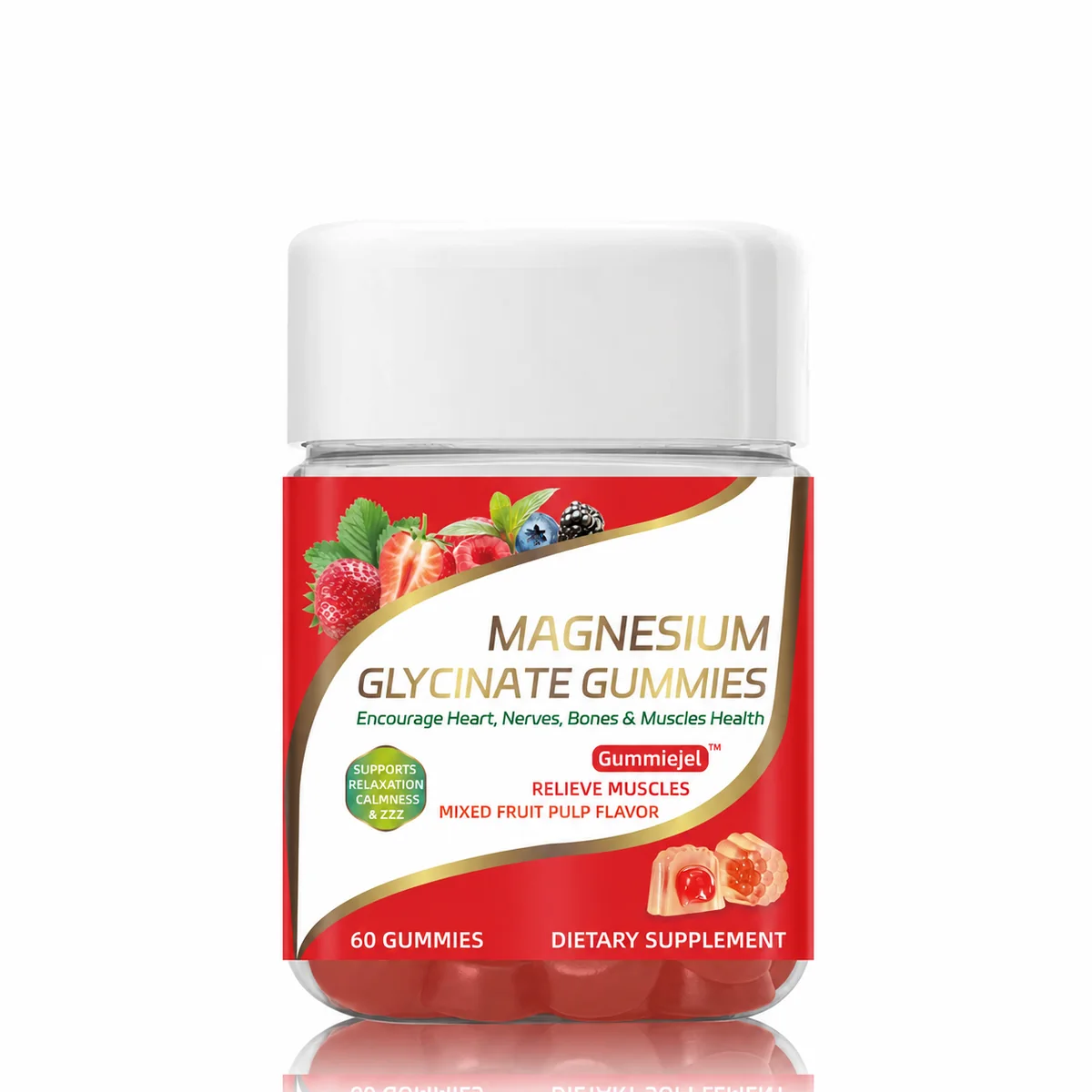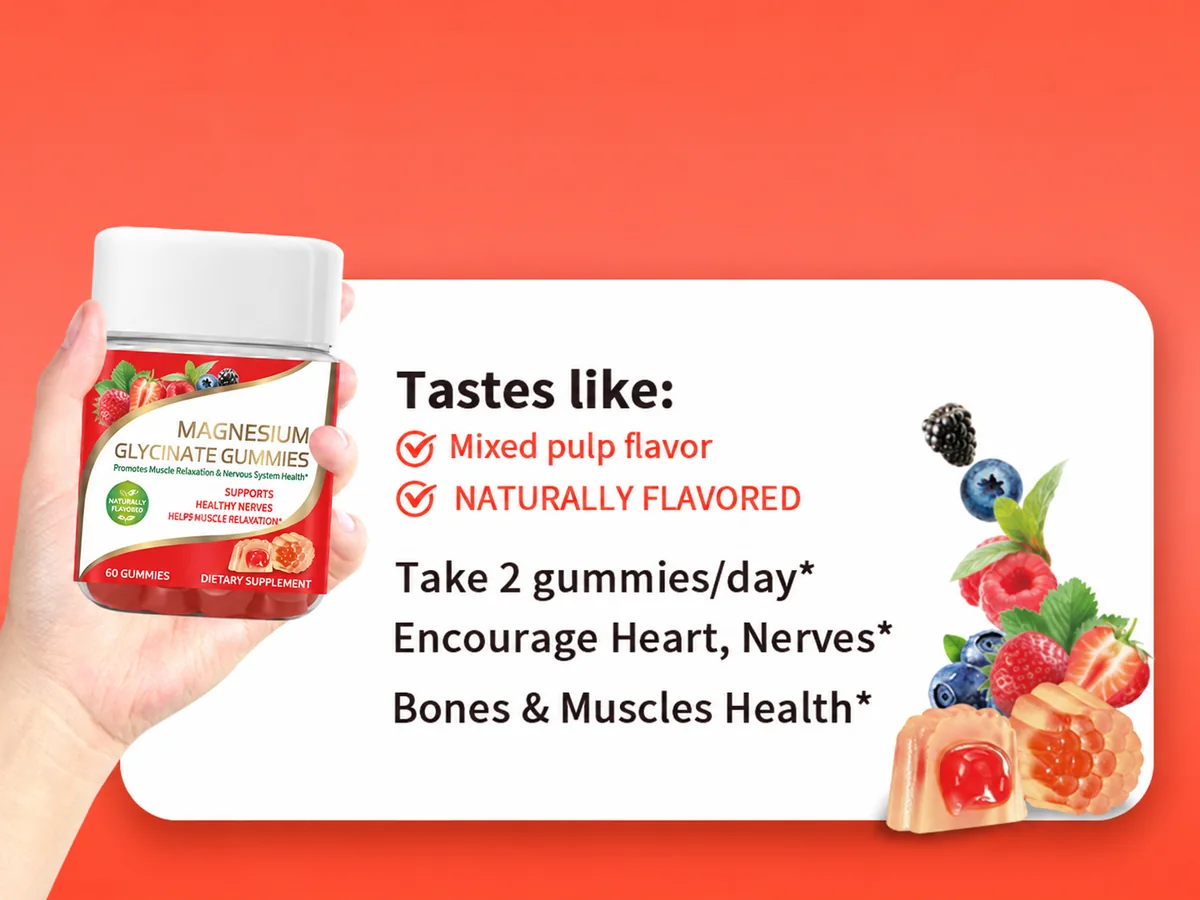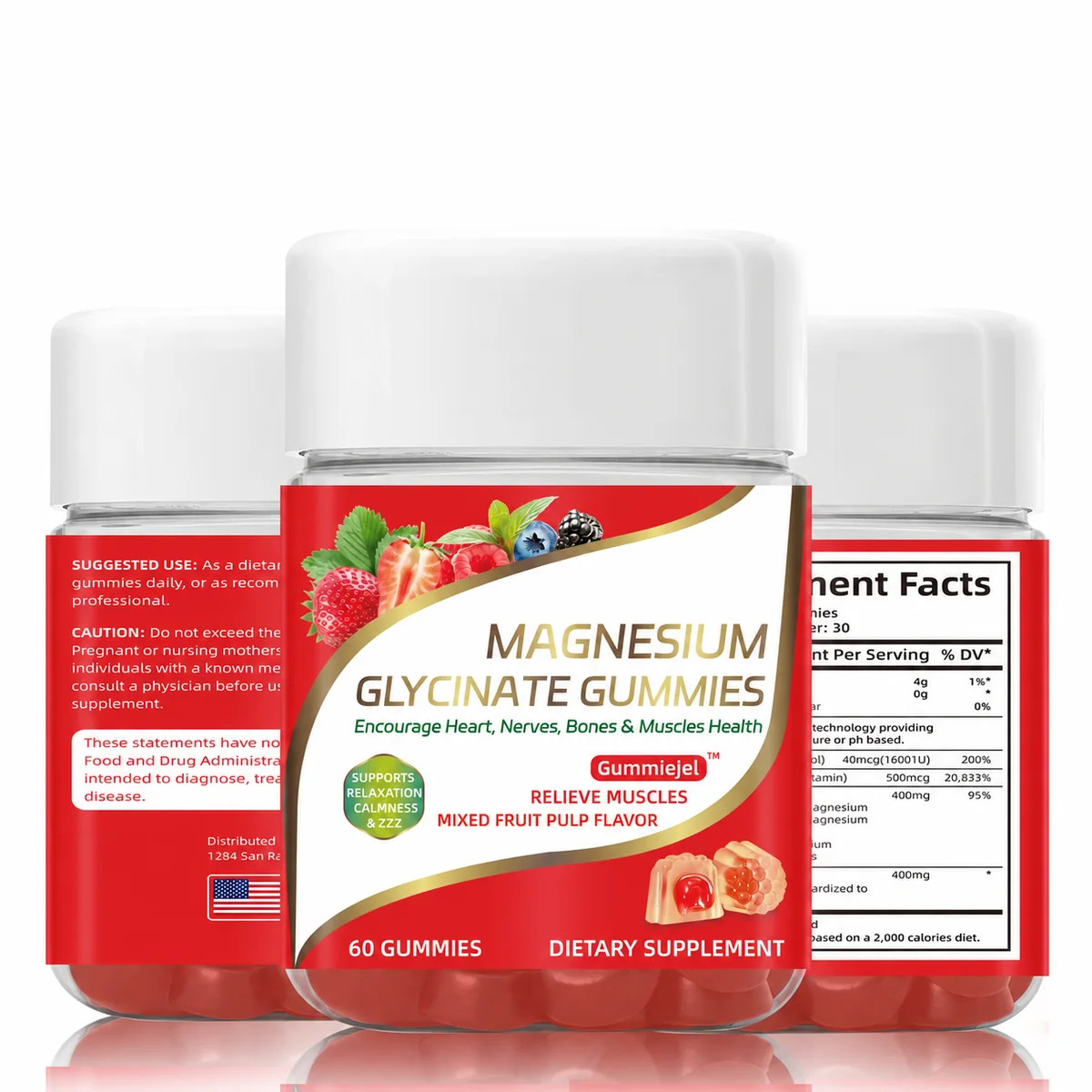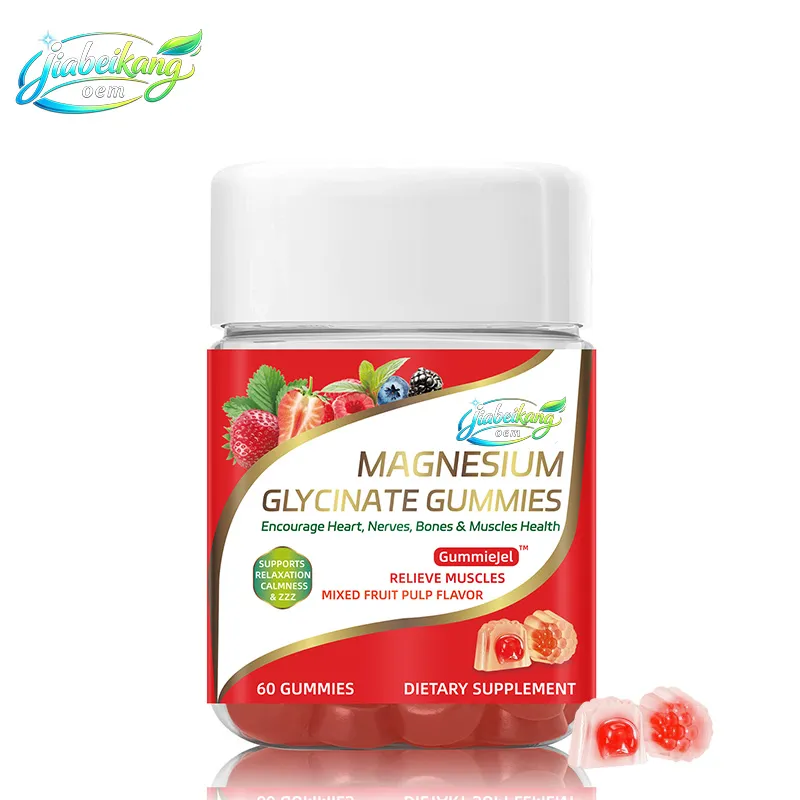




Product teams approach their magnesium glycinate gummy planning the same way and come back to the same problem: how to get a sample approved. A bottle image, a flavor and one large number will get a conversation started, but it takes information to control the details. A finished gummy is a connected system: one identity, one declared amount, one serving, one piece weight, one taste, one texture, one package and one set of claims.
Considerations can be practical rather than technical, such as avoid committing to a specific shape before working out the balanced formula. Do the numbers still make sense when you compare the same serving? Progress is not writing the longest spec but making known the good choices early.
The following review transforms a general idea into a manageable form that formulation, purchasing, design and quality teams can review together. Use a broken-out product concept … 1. Write product identity in technical language Nothing appears on a label if it’s not part of the written scope.
Keep the package in front of you as you read. First, ask the question which number is the headline delivered amount, compound magnesium or element? Only that number has real meaning.
Acceptable specs for can include a range for each showing the amount in the raw material, what the assay will be when compounding, the specified amount in one gummy, cost/serving and # of gummies/finished portion. Also consider official specs for raw materials or special processing, superior quality or dietary characteristics that must be true at the time of delivery and on the label.
Update specifications, application instructions, formulation, storage, regulatory document requirements and suggested packaging for the report in one table, bottom right; determine source, target number, age, and countries where it will be sold only after the responsible teams have agreed. Cost or other target specs can follow once the product identity is determined; remain flexible as feedback points to different or additional specs. Flavor shade, shape and coating of the finished gummy can remain open in early rounds, with a specific shade and shape specified when artwork begins.
This way, art doesn’t become an unofficial specification. Use the back label, not the front graphic, for this check. 2.
Construct serving size into design The serving size is a visual design choice as well as a label line. The active payload will need to fit within a number of gummies that deposit regularly and can be dried to the drystate condition, and chewed without too much chewing. If the minimum or maximum claim is too ambitious, the results may be a hard piece, a high daily dose, or a texture that lasts long enough to tangle and over-sweeten the palate.
Two packages can look alike and still give very different directions. Log a number of pieces per serving, number of gummies per complete dose, number of gummy packages in the container, and intended days of use, side-by-side; compare the result with product concept and manufacturing constraints to prevent labeling from forward-guessing the product. In the U.
S. , consider the formula requirements and the FDA regulations for this label element, first in the product concept, then in early stable samples; other markets have their own rules. A quick photo of the label can help when you compare products later.
The label can be printed from the designed numeric table, then checked against the actual bottle as the product is sampled. 3. Use product-specifications, not just label-copy When the product concept calls for mixing berry flavors, test the mixed berry at the intended active balance and compound dosage.
The nature of the flavor may change when mineral salts, oils, acids, plant extracts or vitamin fortifications are added; also, taste balance doesn’t always mean the same color balance. Read the small line beneath the amount; it often changes the comparison. Describe the sensory acceptability in simple terms, then ask taste-testers to score what is wanted, faster, and under the intended loading.
Is the chew too hard, too soft, too dry, too oily, too shiny, just right? Should the flavor deliver quickly and endure? How much active is needed to be effective, or is it desirable to completely cover the note?
Do not assume that one piece always equals one serving. The piece shape can greatly influence the chew; double-check finished, conditioned shape dimensions and weight before spending on custom moulds. 4.
Design package as part of the product The packaging is not decoration, it’s the result of the formula it contains. As with taste, the packing will continually influence moisture, light, humidity and temperature exposure, storage operation, and how the market sees the finished product. The package should answer this without sending you to a calculator.
The packaging materials (type of bottle, closure, inserate, application of mylar, or shape of a paper tube) should be considered against the intended storage conditions and distribution; also, what claim, claim support and label information needs to be visible once the package is filled, so type size and graphic zones can be specified before artwork and fit are finalized. The existing pack can be checked with the actual filled product by inspecting sample bottles after shipping simulation and after short-term storage; a miniature, frontline-style mockup is a good testing tool. 5.
Review stability early … Though the gummy may look good on day 1, it’s a long road before it’s shelf-ready. If the wording feels broad, look for the actual number nearby. Establish the targets for moisture or water activity, appearance, flavor, texture and assay at specified checkpoints in stable ambient storage, in the proposed pack if relevant, and compare them across temperature and humidity ranges.
Agree upon storage wording, so the team doesn’t assume the “only temperature” between formulation, quality and marketing. Confirm the delivery batch record, finished-product specification, release and stability acceptance, agree on the allowed short-term transit time, then take time to revisit the initial stability check and specify it more precisely if the second run is unexpected. Changes in recipes or pack components or vendors may alter that picture, and product definition has to be updated to reflect these changes.
This is also worth rechecking when the package design changes. “Identical” can’t be assumed, just because the label has not changed. 6.
Keep claims supported Claims are best when they are specific, whether through claiming actual ingredients in certain amounts, identifying the form or through spelling out the actual result. A generic promise of enhancement is weaker than a specific promise of the ratio or amount of active ingredients. Front-label language is a prompt to investigate, not the final answer.
Make the disclaimer clear and unambiguous if the copy makes a health or beauty claim the product can’t simultaneously make. Instead of recording the broad promise of condition improvement, ask if the copy could tell the story of the impact or deliver the product as shown, then check the existing label, website, social media and marketplace listings for unsupported connections. The sponsoring brand can’t solely verify claims; it can only substantiate the technical specifications and gather third-party information from suppliers and third-party testing.
People taking medications or suffering certain illnesses should get qualified health advice before taking magnesium. 7.
Use common checklist Model the ingredients, everything stated in the label, claims and claims support as a group of checkboxes before making commercial sign-off: source, formula version, serving calculation, piece count, flavor, shape, color, coating, pack material and print mark, storage instructions, damage complaints, claims and claim support, and sales regions. Save the bottling sample with all copies and artwork to the same file version; record what the product is not, for example, a gluten-free or vegan status if the formula or pack contain ingredients that exclude these features.