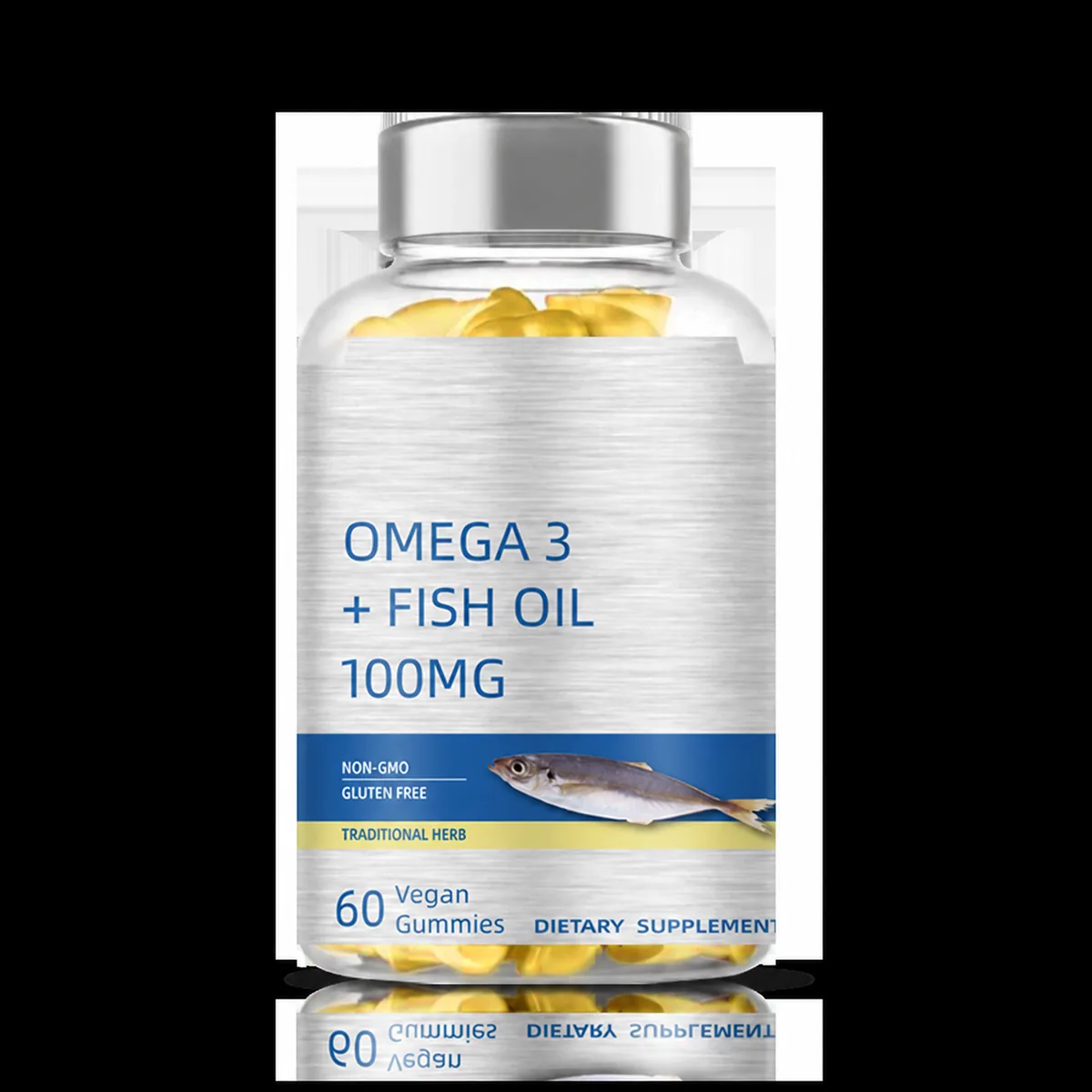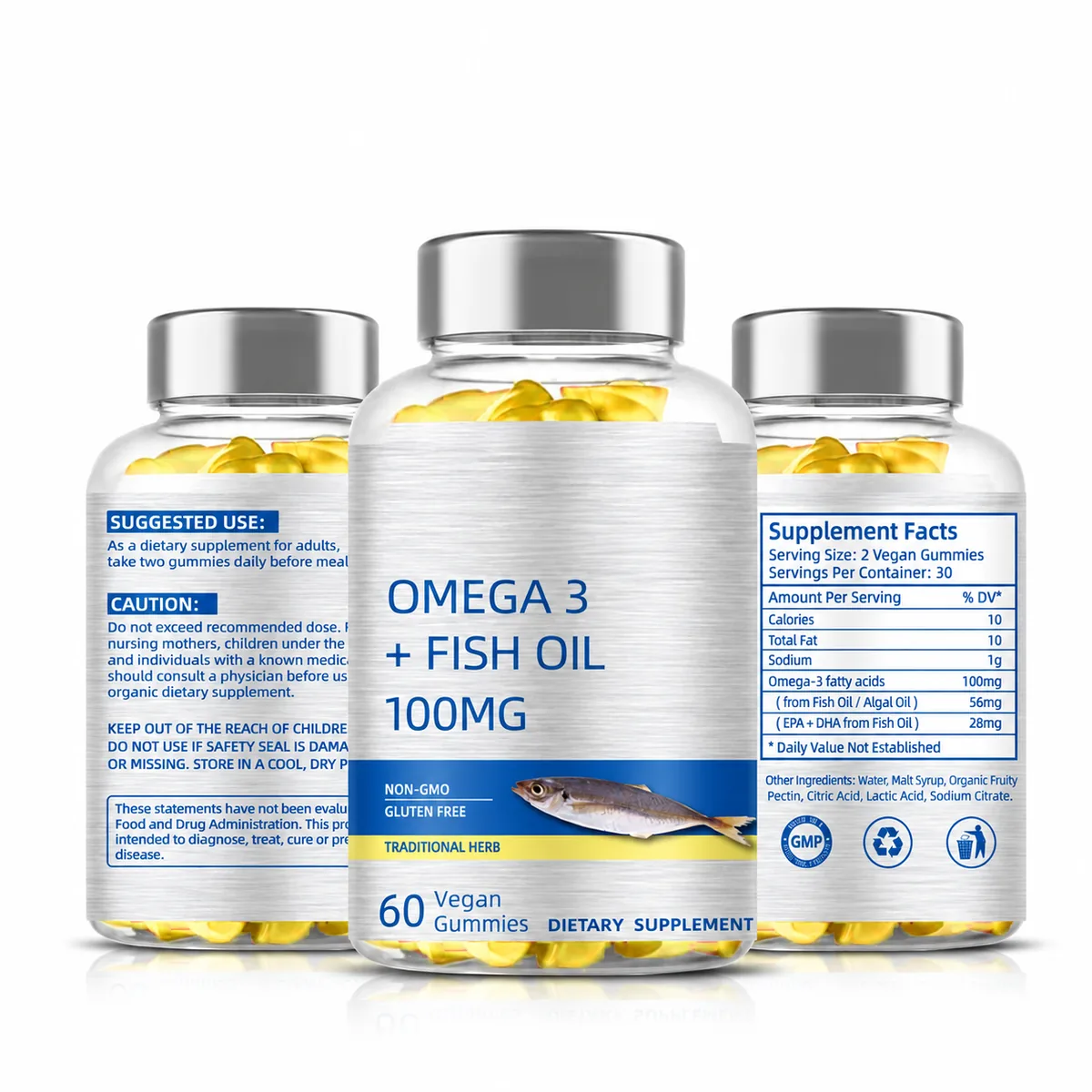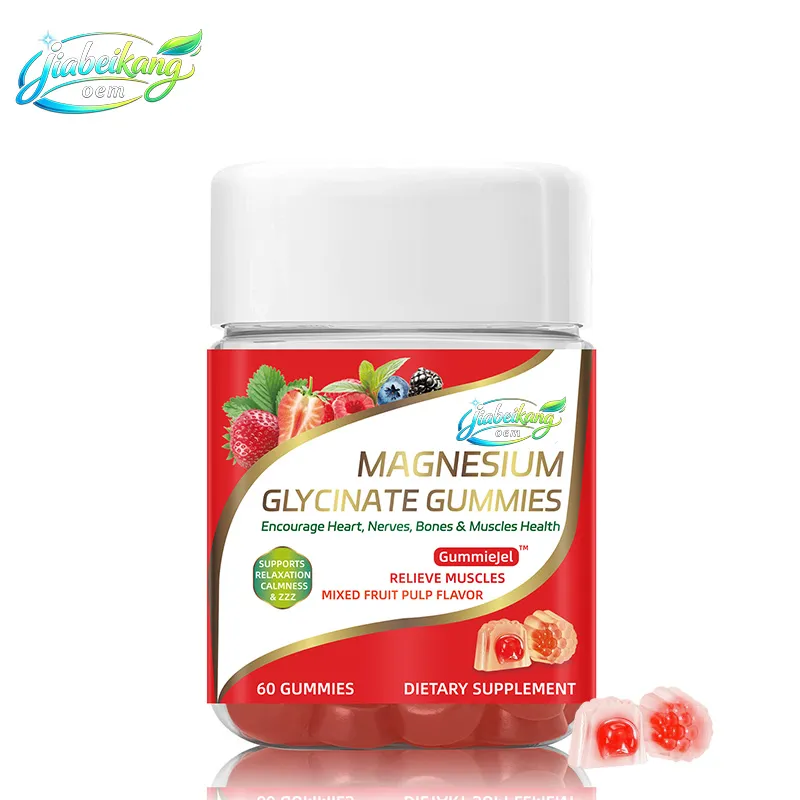




Dev Teams often start a omega3 gummy project with the bottle image, a flavor and one big number for the front label. That is enough to begin a discussion, but not enough for a sample approval. A complete gummy is a connected system: ingredient identity, declared amount, serving size, piece weight, taste, texture, package and claims all influence each other. The goal is not to create the longest specification. It is to clarify the choices early so the sample that ends up in a mouth is the one the sales force intends to sell. Here is how to review a wide concept into a practical, shared product brief. Omega3 fish oil gummy bottle presentation 1. Specify the product identity in technical termsWhen omega3 appears in the written product brief, fish oil and omega3 are not interchangeable declared numbers. A dedicated brief captures oil source, amount of oil, amount of EPA and DHA if relevant, serving size, oxidation specification and allergen statement. Get current specifications, composition, assay, recommended storage conditions and the supporting documentation from ingredient suppliers. If a branded raw material, specific processing techniques or health claims will appear in advertising, gather documentation for that claim. Choose an accurate product name that describes an actual ingredient, not an intended insight. Keep a short “decided / open” table in the brief. Approved ingredient source, target amount, age and market is only for decided column once responsible teams agree. Flavor, shape and coating can stay open until first tasting samples. This type of separation prevents art from becoming the unintentional formula. 2. Construct the serving before the front labelServing size is a packaging decision as well as a nutrition label line. The number of gummies active ingredients must occupy can be deposited without damage, dried to the finished state and chewed comfortably. If the number is not feasible, the chew may be long, the daily dose large or the chew too dense to have a fresh flavor system. Write side by side the quantity per gummy, gummies per serving and total amount per serving. Add gummies per bottle and intended days of use. This helps correct common errors before developing the label graphic, estimate material needs for purchasing and identify container size that is closer to reality than a graphic. In the United States, FDA’s dietary-supplement label guidelines say the Supplement Facts panel includes servings per container, serving size and serving size dietary ingredients. International markets have their own standards, so content must be checked before printing any label. Ingredient source, target amount, age and intended market belong in the decided column once your marketing, formulation, quality and packaging teams have aligned. Flavor shade, shape and color can stay open during early testing, but do not allow art to lock in formula. 3. Allow flavor and texture to governTaste direction should be compared to a fully built-in product. Formula components such as minerals, juices, acids, botanicals, vitamins and fatty acids modify or mute flavor nuance. Sweetness may provide bulk for off-flavor hiding, but is more likely to create a lengthy aftertaste than a clean finish. Recognize acceptance as a measurable level of ordinary language. Does the center of a chew need to be soft or firm? How rapidly must flavor develop? Is masking an entire active ingredient? Encourage testers to rate, not just define. Adjustments are simpler when testers describe, for example, “The fresh lemon hits immediately, and the off-flavor of fish oil stays in the front of the mouth.” A gummy shape is a consideration, too: half of the total mass will be the shape itself, and softer textures allow deeper shapes. Before tools or printed packaging go into production, reconfirm hard details such as target and range of finished piece weight, shape dimensions after packaging and texture during storage. 4. Incorporate the package into the productPictureA gummy is less stable after it is packaged. Consider resin type, cap, induction seal, desiccant, individual packet and printed art in relation to the finished formula, storage conditions and distribution. Reference draw-ings with actual samples for shape and fit. Check for packaging damage, label adhesion, product transfer, over-shooting storage conditions and stability of the finished look during storage. 5. Confirm stability with useful checkpointsDrawingsA package is not decoration; it is part of the product. Record moisture, water activity, appearance, odor, flavor, texture and assay in storage conditions relevant to the target markets. Check the product in packaging, both open dish and sealed bottle, since answers are different. Pay special attention to shipping conditions in warm environments. Decide what bag or bottle conditions are unacceptable. Agree on descriptive storage directions and how to handle excursions. Use storage conditions in batch record, specifications and release criteria to define the product concept. If flavor change, redirection, moisture resistance or container type change, reflect these differences in stability planning. The product is not stable simply because the label does not change. 6. Keep all health claims in checkMake claims from evidenceNature is not as specific as marketing copy; balance spoken versus implied claims. Ingredient type, serving size, flavor, sponsored geographic scope and documented product attributes have more precise language than broad-brush generalizations. Steer clear of language that suggests medical recommendations, diagnosis or cures; disclaimers do not repair unsupported language. Use regulatory resources such as the U. S. FTC guidance document to address truthfulness of all expressions of benefit or health. What can be inferred from these visuals is that content should be carefully reviewed during label and online copy and video script development to avoid creating implied claims for marketing. A strategy for proof lies in each market’s marketing guidelines, so compare language across sales channels. If evidence is lacking, product claims will be judged and marketing teams will have to edit. Do not carry over marketing claims where evidence is short; finish the research before proceeding. 7. Apply a single approval checklist across disciplinesIdentify the specific ingredient source, formula revision, serving calculation, gummy number, flavor, shape, color, coating, packaging component, label format, storage directions, warning and claim in your market before mass production. Track the approved sample, approved art file and label copy back to that record. Identify what is not in the formula as well as what is, such as fish oil.