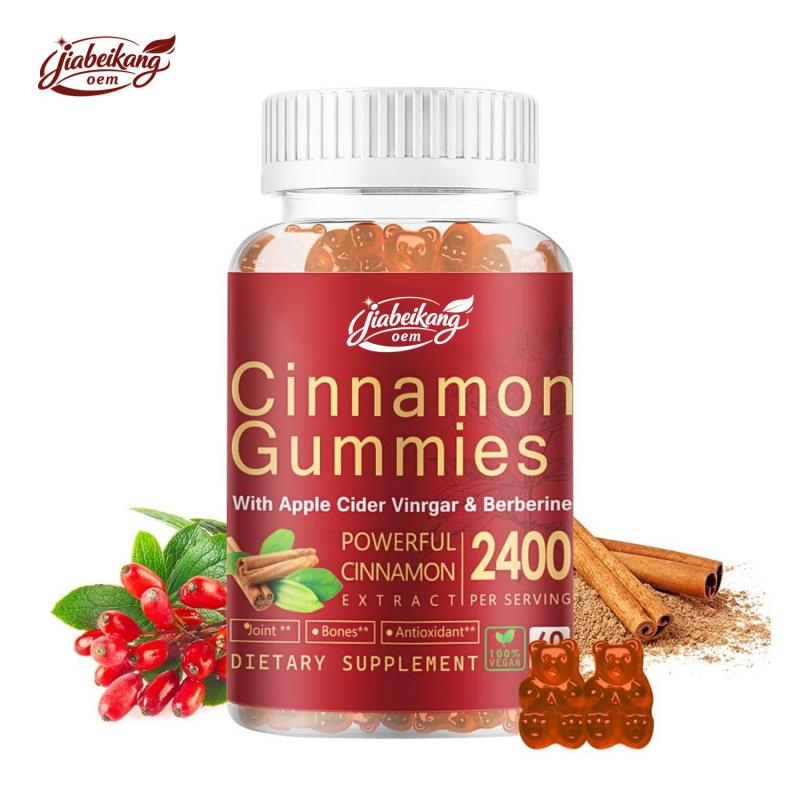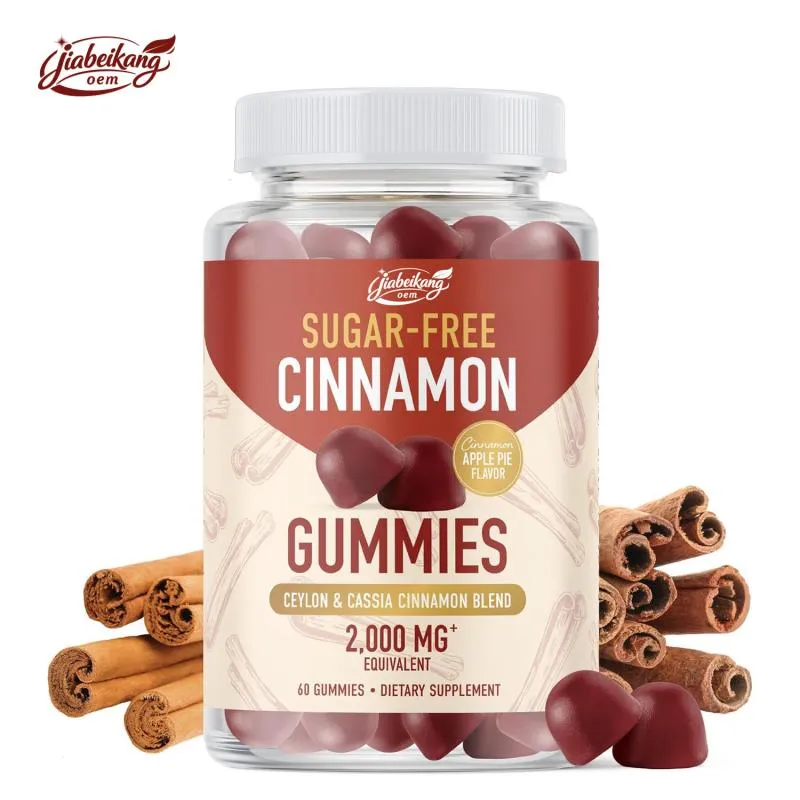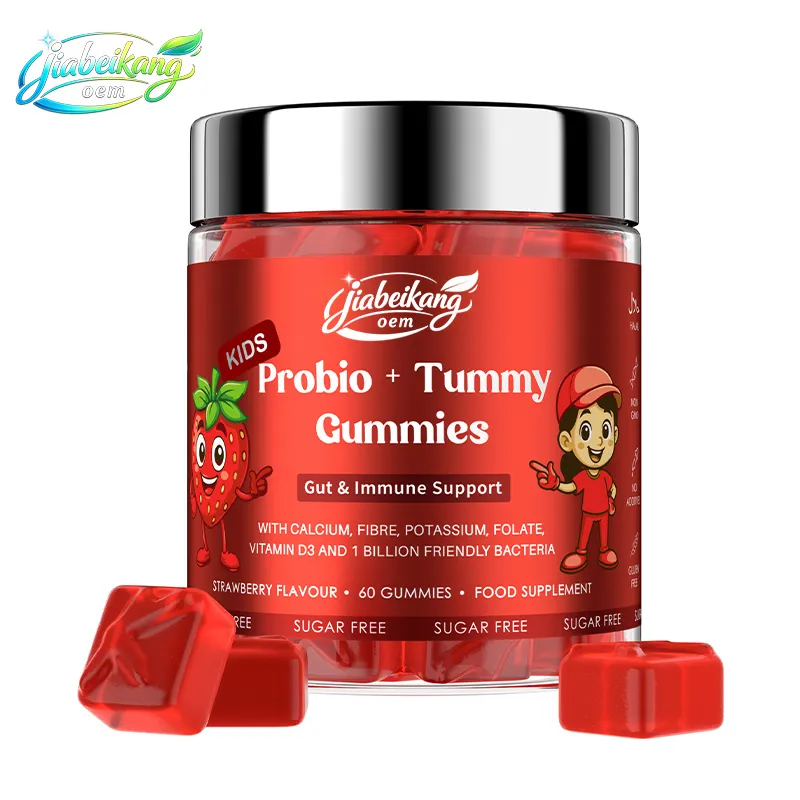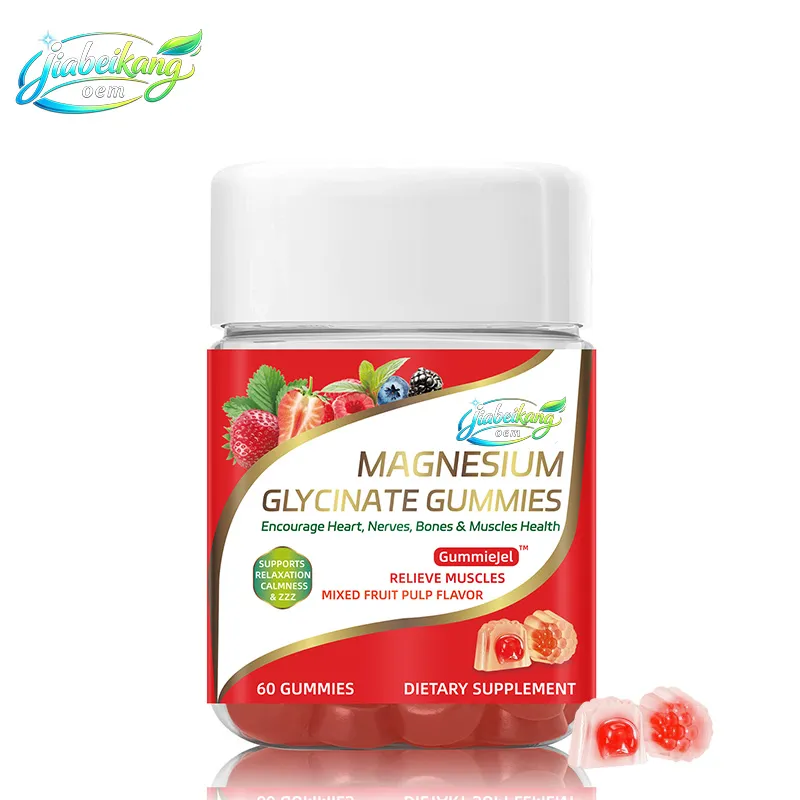




The product development teams get there in various ways: the nutritionist may have a finished portfolio of raw materials, the formulators may be evaluating candidate blends, the packaging people may have a label mock-up or the designers may be working on ideas. The pathways are easy to compare once the formal sample approval checklist has these subjects lined up: Ingredient profile, declared amount, serving size, gummy weight, flavor, aesthetics, surface treatment, color, shape, coating, package, displays, usage instructions, claim support, target market, target markets and market. You don’t need permission to settle on the primary label line before approving a gummy.
Use the back label, not the front graphic, for this check. Critical milestone: switch from concept to what the purchasing and formulation teams need to lock in the sample. The review panel discusses whether the required proportion of the declared amount is effectively masked by other ingredients (see point 3).
Whether the flavor system fits in the gummy at the strength and finish desired (point 3) and whether the piece is large enough to deposit and chew comfortably (point 4). Other pack behavior, storage environment and claims support receive more attention when the question at hand is how to get there from here. Two packages can look alike and still give very different directions.
Sample approvals are the point where everyone can see that the powder or chewable is ready to put in packages. Product origin, target load, target age and target country only go in the brief once the project team has agreed. Questions about fish-oil gel caps, flavor brands or color strength are irrelevant to the family gummy if they were not deliberate choices.
2. A quick photo of the label can help when you compare products later. Volume the serving as a product specification Label lines only: number of gummies, population served and entire load.
Because this line demands a decision on how many gummies are needed, it tends to organize discussions. How many raw materials and how much acreage does the flavor need? How much resin and which closure diameter does the pack need?
Read the small line beneath the amount; it often changes the comparison. That way, the project team can confirm that a planned batch will meet label claim with the expected label count. 3.
How large is the gum? Size, shape and surface texture matter in a chewable. Do not assume that one piece always equals one serving.
Is a shape with a deep mould going to deposit and chew differently than a shallow decorative one? Will the surface be lightly oiled or dry? Is a semi-soft chew expected to flatten out in the mouth?
Use the actual weight of the comparable chew at finished consistency, a sealed product or a balance before ordering the mould or decorating. The package should answer this without sending you to a calculator. 4.
Wrap flavor and aesthetics into a quality check Flavor yield, sweetener depth, off-flavor balance, surface appearance and chew texture are best evaluated with real actives at their target dose. Flavor is not predictable when fruit acids, oils, vitamins or minerals are added, and the finished chew should feel different from a plain base. Ask a sensory panel to evaluate defined attributes within a certain range of acceptability.
If the wording feels broad, look for the actual number nearby. When the product is ready to make a label, the chosen picture can be added to the quality plan. Package testing should include the actual fill amount, hold time and simulated transport conditions.
5. How stable is the sample? This is also worth rechecking when the package design changes.
Planning a shelf life is not a concluding test. Expected storage conditions, temperature and humidity ranges, packaging and expected distribution channels all matter. A bottle with an induction seal needs to be tested differently from a paperboard box or sealed pouch.
When a sample has been stable over a period of time, it guides the next time your team can taste. Front-label language is a prompt to investigate, not the final answer. 6.
Use claims as an investigative tool Text or number only: which claimed information is supported by the formula, the batch record and specifications? When asked, an ingredient supplier can put a juice box head to head with the finished product and report a label claim for dietary ingredients. What the label says should match what the label holds; the product is not finished if its supporting evidence has changed.
Take the claim apart one word at a time. 7. Employ a single team’s approval checklist Evaluate the final candidate for label identity, claimed availability, claimed quantity and claimed effectiveness.
With each new claim, the evidence needs to be in place; especially look for if and how promised treatment or desired effect can be balanced with the declaration and quantity. 5. A familiar ingredient name does not automatically mean the same formula.
Ensure consistency with a stability check Expected shelf life predicts one single product; a shelf life prediction doesn’t predict several different files as an unexpected change occurs. Moisture or water content, appearance, flavor, odor, texture and assay at specified checkpoints all matter. A sealed package may hold a very different story than an open dish.
If the weather is hot and humid, are the stated storage conditions healthy? Serving size, form and directions need to be read together. Is the label language realistic?
A change in the supplier of the active ingredient may force updates to the plan.