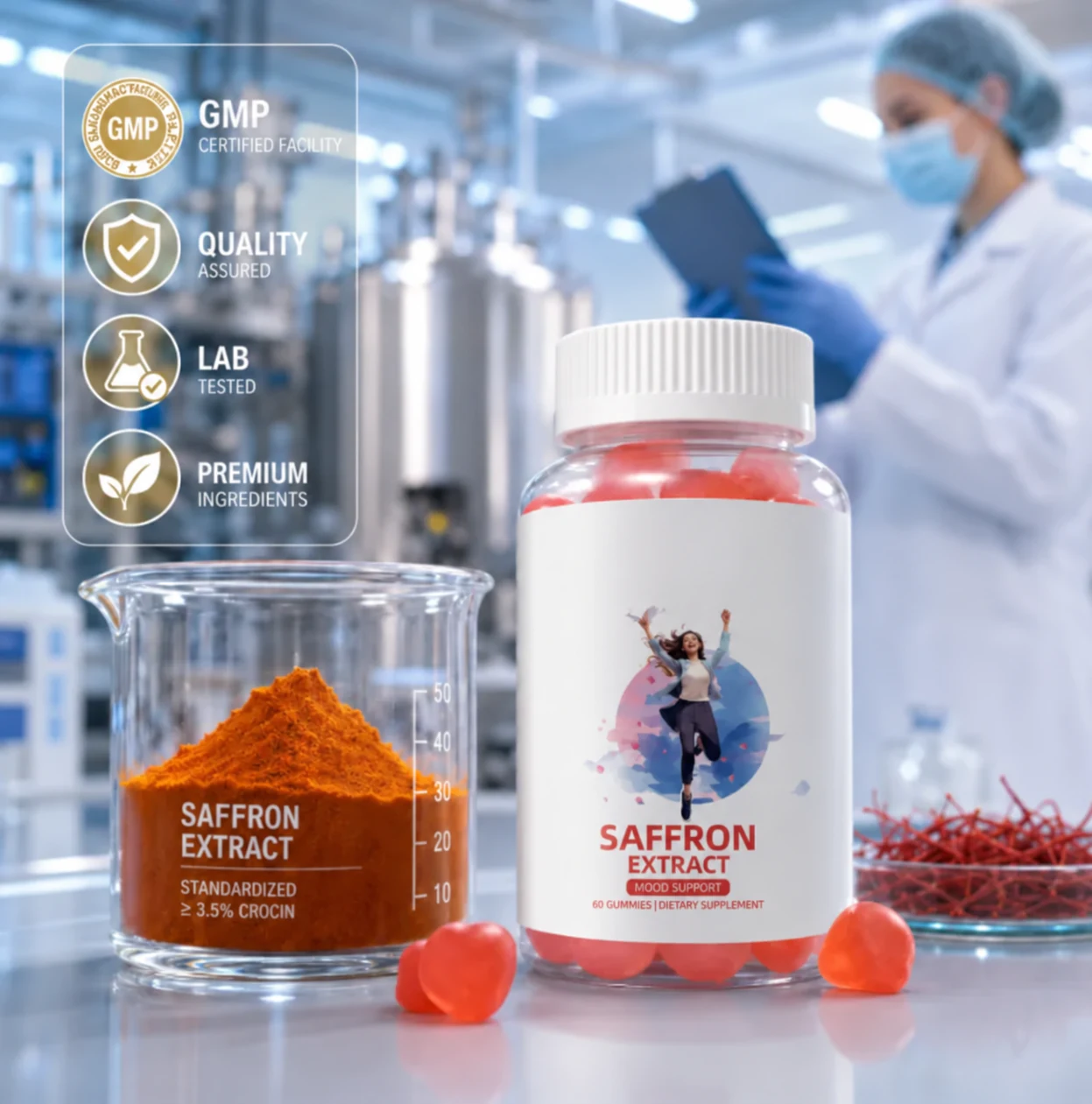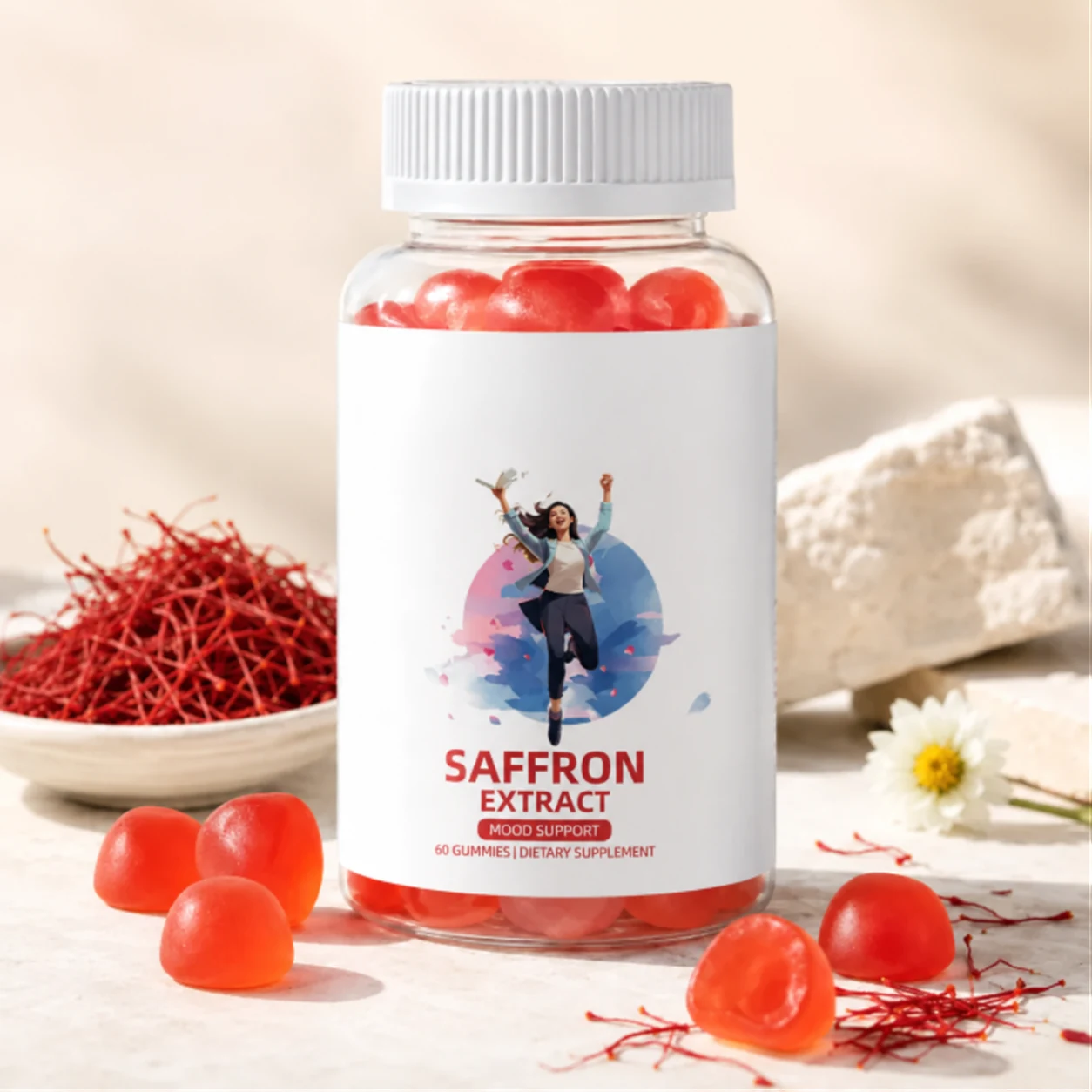




Saffron extract gummies may seem simple: botanical, gummy and bottle. Commercial questions need to be precise A buyer prefers knowledge of which saffron material is offered, how it is standardized, what quantity completes a serving and what language is supportable in the destination market. Be sure the element definition translates the botanical’s sensorial story into a finished product’s promise. Precision focus Point to Point Extract type Please specify the botanical name, plant part, extract ratio or standardization, carrier system and supplier documentation. Use a descriptor such as ‘saffron extract’ carefully. Not all saffron raws are the same and terminology differs. Confirm standardization information, which component was quantified and how. Provide numbering for incoming quality control. For branded materials, know the proper terminology and which documentation must be supplied. Once the specification is clear, do not accept a quote solely for an ingredient name. What actually arrives determines sensory expectations, formative use and cost. Confirm the weight of active in a defined sample, which number of units constitutes a complete serving and how this percentage compares to the incoming quality specification and the facts panel. Can the 1,000 gummies shown in the label’s upper right corner actually be formed? Can 1,000 gummies fit into the proposed bottle? How many gummies support a full-serving? Make sure this information works while it is still easy to understand and change. Product development and packaging reference Match the amount to a complete serving The product brief should specify amount of extract per gummy, weight of finished serving (gummies and liquid) and total gummies per serving. Check this dosage against the single-serve specification for both ingredients and production. Work in the same units and do not try to convert weight of a dilution to an unsupported equivalency. The packaging choice influences bottle duration and selling price. Factors that support each choice include drawing two gummies to the eye or including one supplement facts label each gummy. Count two gummies as one serving if the product would be easier to take one. The best dosage and package duration depend on the finished formulation, not shortest label draft. Product development and packaging reference Choose a flavor that makes sense Formula balance should determine the flavor and flavor team may want to play with acidity, sweetness and acidity. Different directions from berry to citrus to mixed-fruit might seem appealing, but the choice should be made from analyzed samples. Examine aroma, first bite, flavor build, aftertaste, mouthfeel and mouth coating. Do not make compositional changes while tasting. A measured series of samples yields insightful results and helps you identify why one version is more appealing than another. Product development and packaging reference Avoid leaping to color Yellows, oranges and reds are typically associated with saffron, and theming may help a product. Color has never proved either identity or quality, however. Demonstrate whether the color comes from the formula, added color system or a combination. Confirm that the choice can be understood in the product’s target market. Photograph samples under light sources similar to those in which they will be seen. Small colors can easily be misread when aided with phone-filtering apps. Never rely on one digitally edited image when there is not a fixed range in specification. A way to support stability knowledge Botanical extract profile and gummy moisture content can evolve through shelf life. Investigate planned finished-product testing and monitoring parameters. Packaging should be related to formula and distribution environment. Stability does not ensure that each market condition is similar to them. The equivalent, however, can be used to advocate for a specific shelf life. Consumers should be aware of when reformulation, new packaging or sourcing change may lead to new review. Build a package with room for comprehensive information Confirm count, package closure, eye-to-eye and barrier closure, diameter and packaging coding location through assembled sample. The label space should include name and address of responsible party, ingredient list and declaration, directions for use, warnings, storage conditions and serving counts, which is necessary for the market. Artwork can help design it, but avoid crowding text and images. Recognize interactions between product and packaging information. For example, please plan whether a carton’s barcode will be on the back panel of the bottle label or on the pack; avoid coordinating the two in contradictory ways. Product communication remains responsible A recognized botanical, well understood ingredient, proper serving size and clear product count support a verifiable declaration. Avoid language implying that the gummies will be used to diagnose, treat, cure or prevent a disease. Specifics on mood, relaxation or sleep can require market-specific review. With any product, technical specification should be independent from creative ideas and then submitted separately for review.