



A certificate wall is the beginning, not the end
International buyers often ask for “the most fully certified factory in China.” The commercial need behind that phrase is understandable: fewer compliance gaps, easier retailer onboarding and less risk when a product crosses borders. A responsible assessment, however, should be based on verifiable scope rather than a ranking claim. Look for a GMP-certified health-food factory in China with a broad, current qualification portfolio and the records to connect those credentials to the exact site making your order.
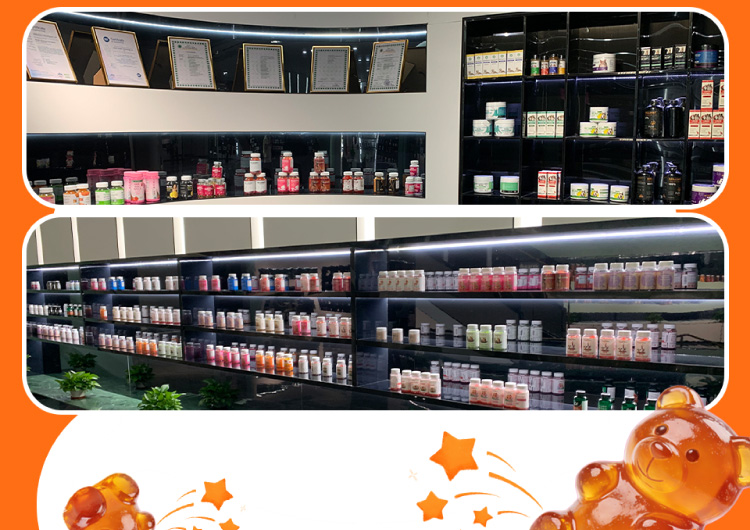
Our available portfolio includes GMP and food-safety systems such as ISO 22000 and HACCP, together with market or customer-requested documentation including Halal, FDA-related registration records, BRC and Non-GMO materials where applicable. The right set depends on product and destination.
Match every document to the legal entity
Ask for a clear copy of each certificate and check the legal company name, manufacturing address, issuing body, standard, scope and expiry date. A document held by a trading company, sister company or different plant does not automatically cover your production. The product category should also fall within the stated scope.
Registration, certification and test reports are different things. A buyer should know which document is which. A broad folder of files is useful only when each item is current, relevant and traceable.
Walk the process, not only the showroom
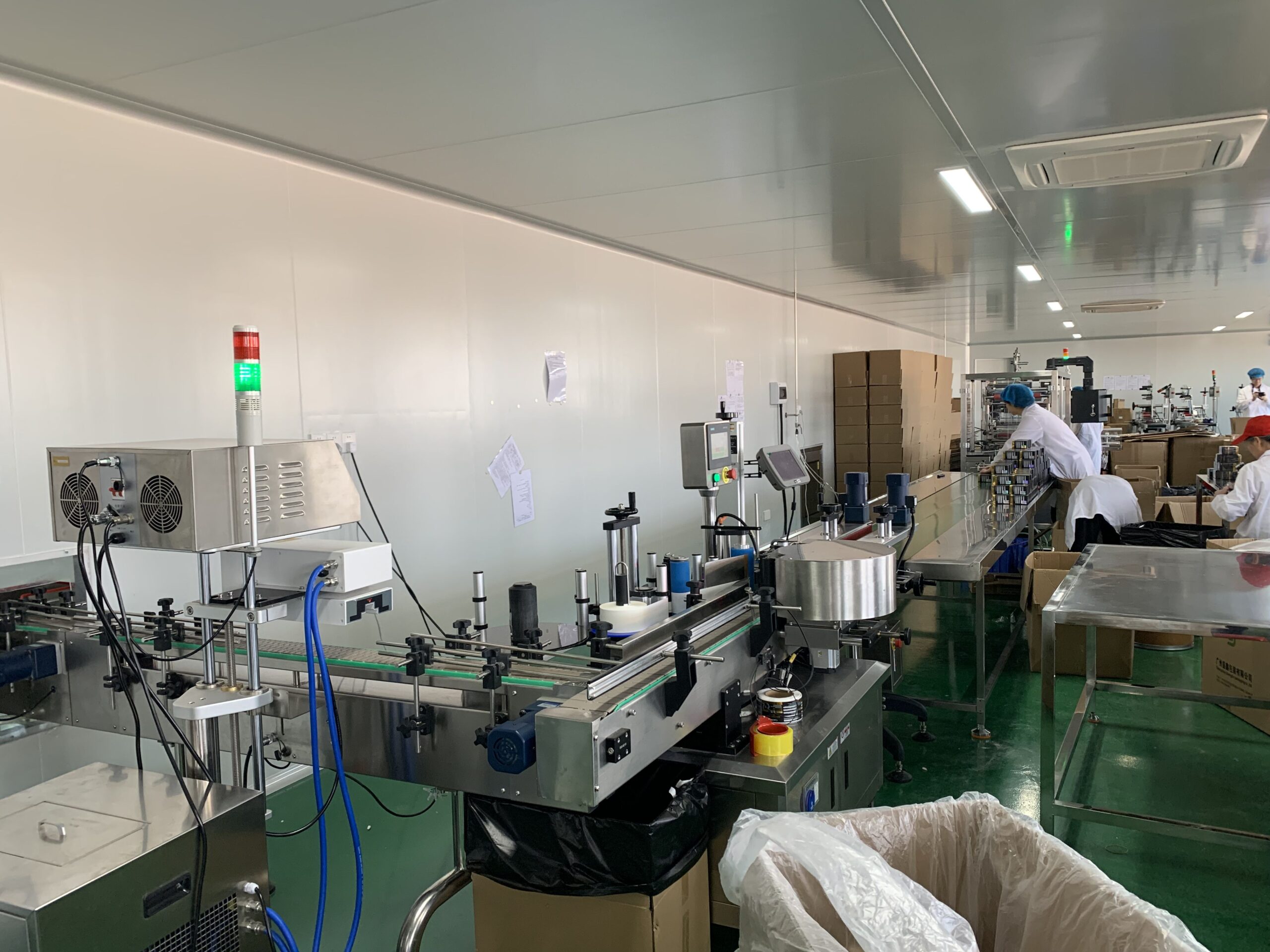
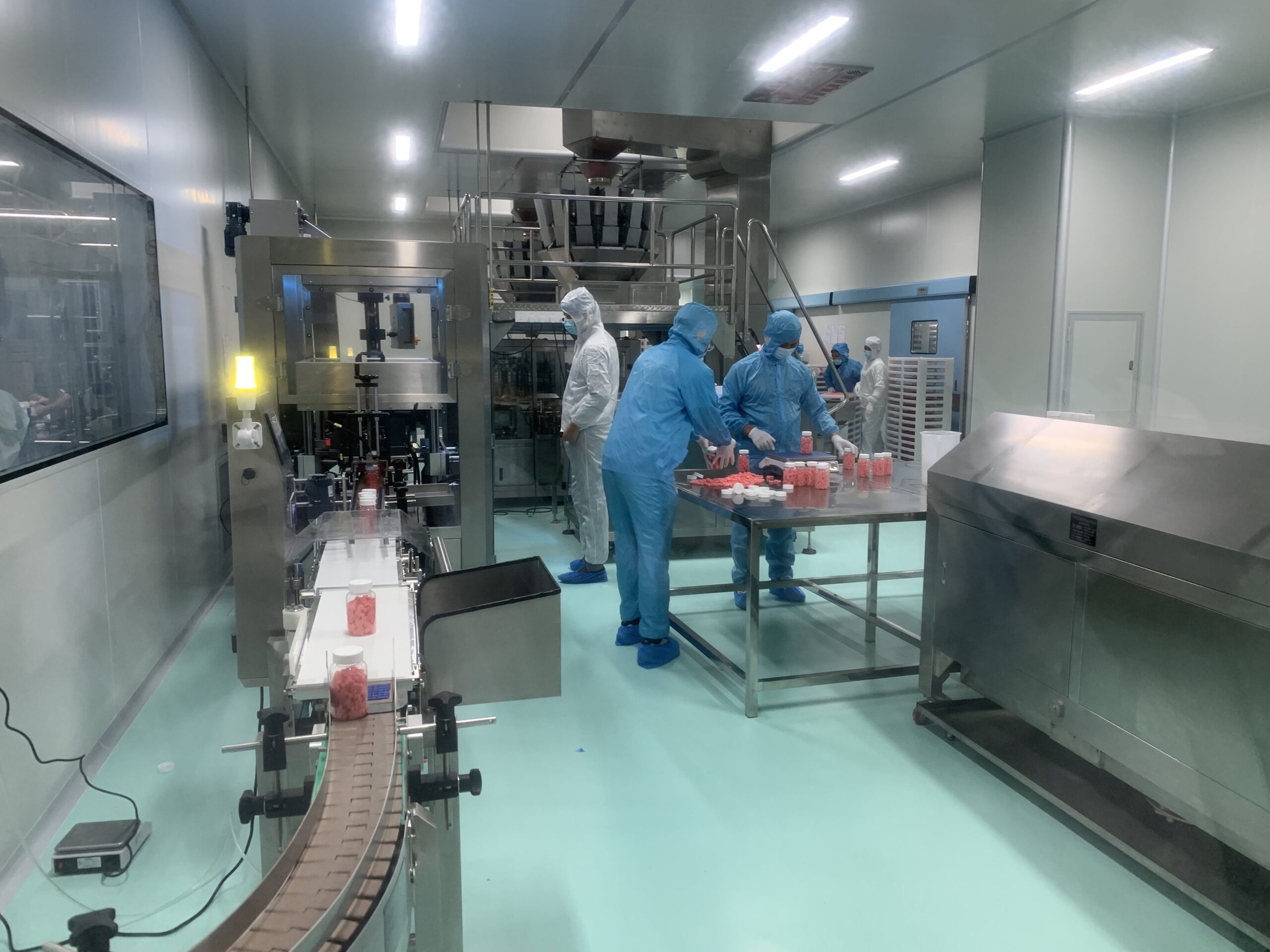
A factory review should follow the material flow: receiving, quarantine, sampling, approved storage, weighing, processing, in-process checks, packing, finished-goods quarantine and release. Note how allergen or cross-contact risks are controlled, how cleaning is recorded and how status labels prevent unapproved material from entering production.
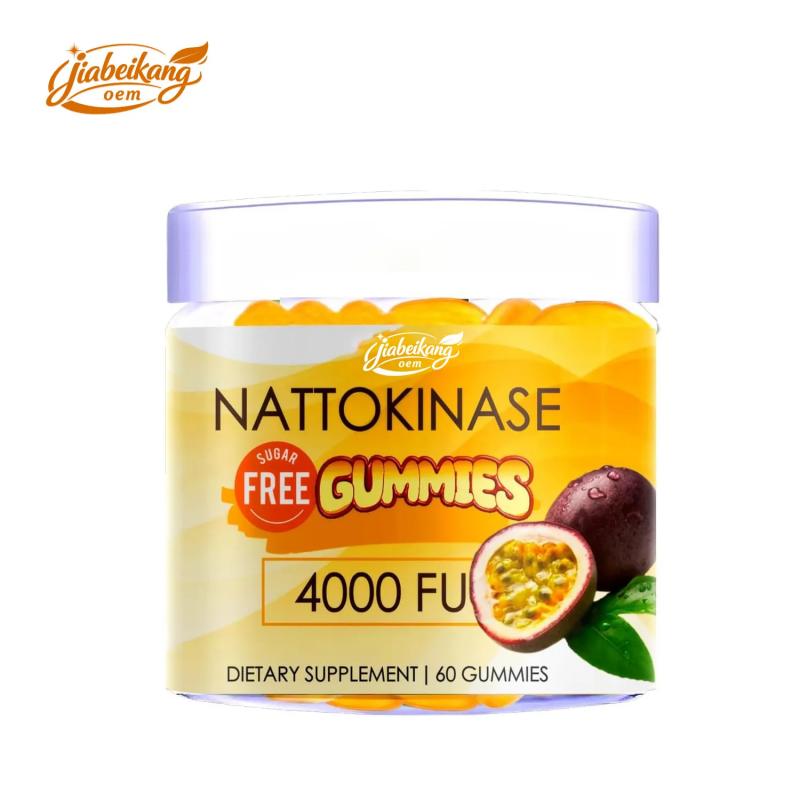
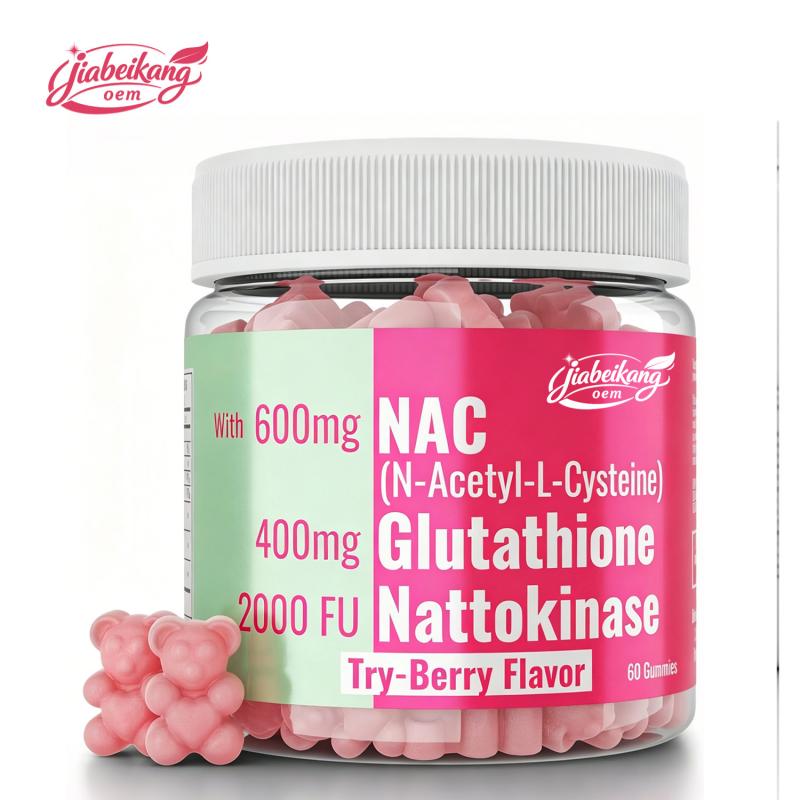
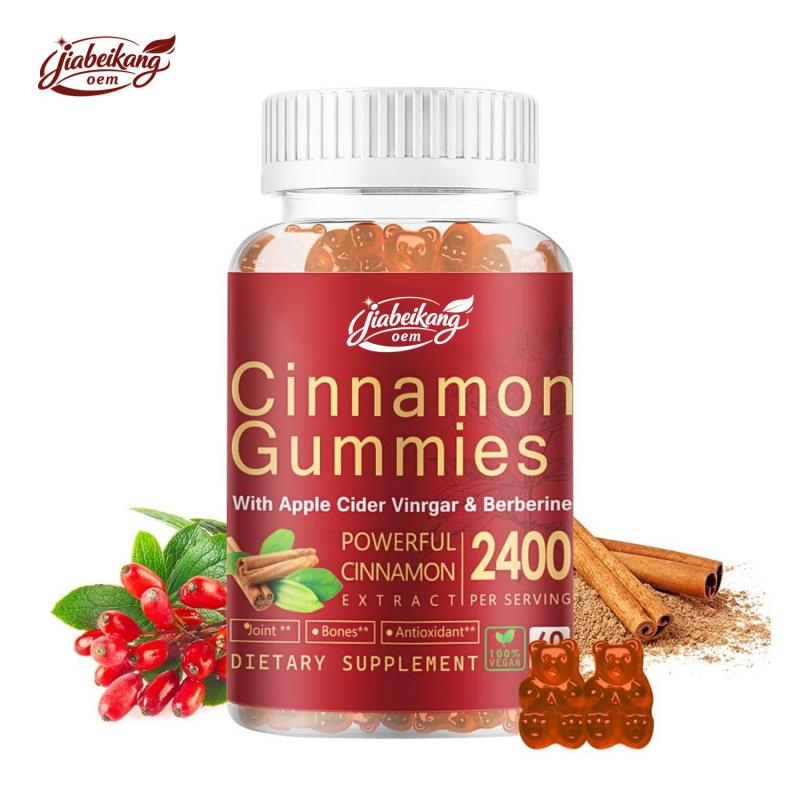
For gummy projects, pay attention to cooking and depositing controls, piece-weight checks, environmental conditions, drying or conditioning, metal detection where used, and the seal-and-label process. Photographs help, but batch records and live observations are stronger evidence.
Ask how quality decisions are made
The useful question is not “Do you test?” but “What is tested, by whom, with which method, against which written limit, and what happens after a failure?” Review incoming specifications, certificates of analysis, sampling plans, in-process records and finished-product release criteria. For outsourced tests, ask how the laboratory is selected and how results are linked to the batch.
Change control matters too. If a raw-material source, flavor, color or packaging component changes, the buyer should know when notification and reapproval are required.
Check export readiness for your market
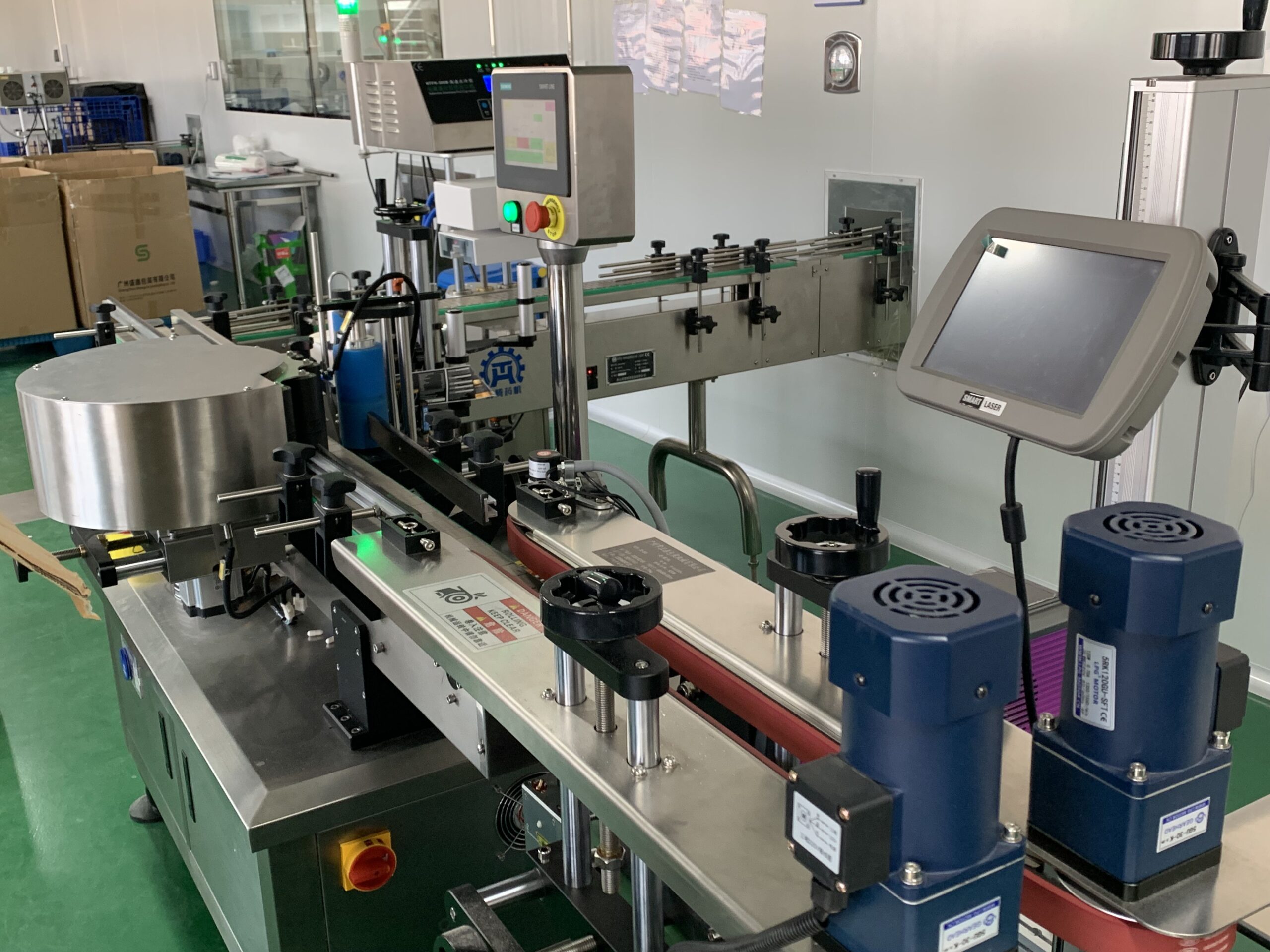
A factory can be strong operationally and still need a market-specific document plan. Give the supplier the destination country, sales channel and product classification early. Then build a checklist covering label language, ingredient restrictions, allergen statements, certificates, free-sale or health documents where required, and shipping paperwork.
No certification automatically makes every formula legal everywhere. The brand owner or importer remains responsible for local review, while a capable manufacturer should provide accurate technical files and respond to questions without hiding behind a logo.
What a qualified partner should make easy
A buyer should be able to obtain a controlled formula, specifications, artwork checklist, batch traceability, test plan, packaging bill of materials and complaint or recall contacts. During development, commercial and quality teams should give consistent answers. If the sales presentation and the quality file describe different capabilities, pause the project.
The most convincing sign of a well-qualified GMP factory is not a superlative. It is the ability to turn broad certifications into repeatable controls, transparent records and a finished product that matches the approved brief.