



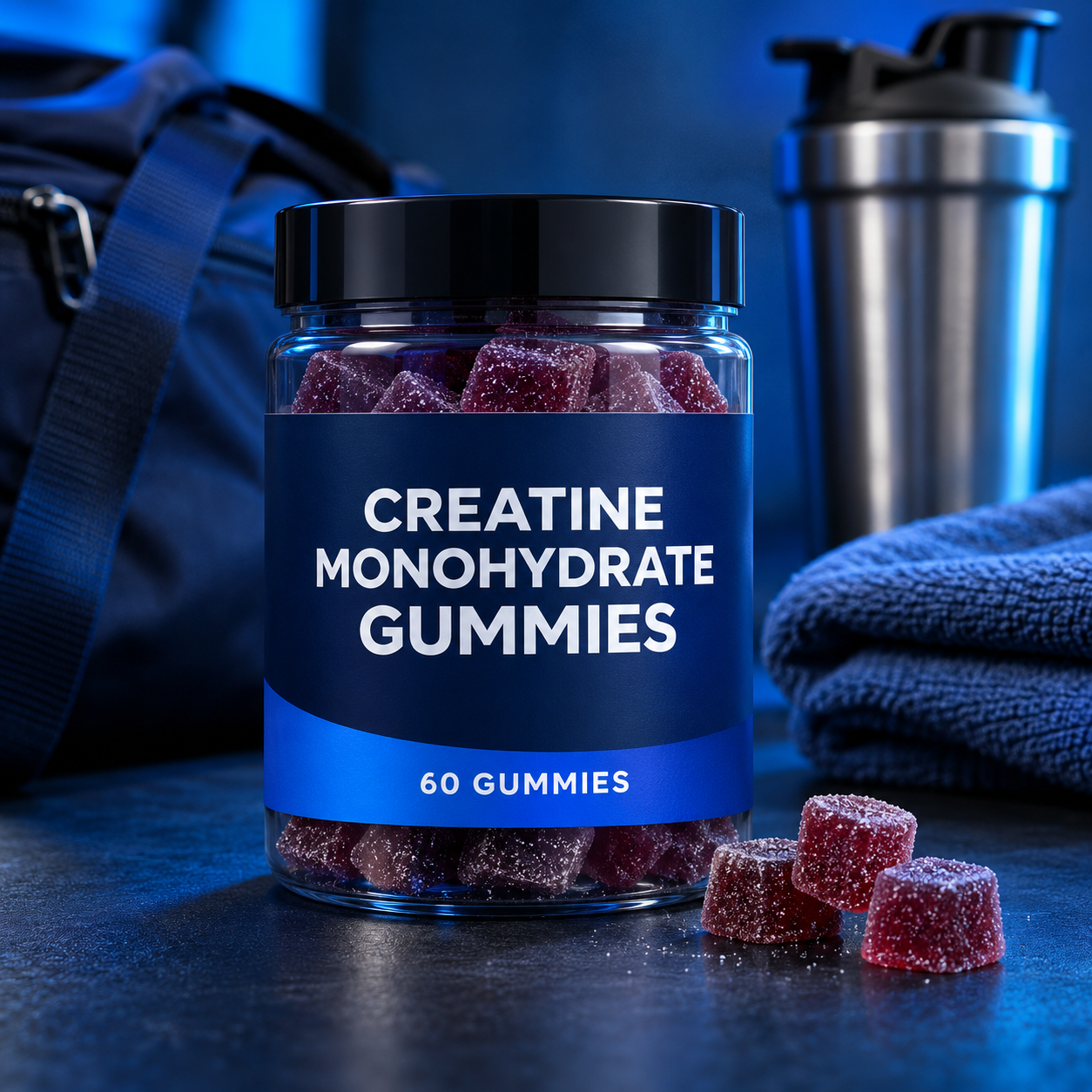
Creatine Gummies Large Scale Production: Dose, Consistency and Shelf Life
##Begin with the serving, then develop the gummy
Creatine amounts are best in grams but gummies are produced in pieces and each has a small capacity. That’s where a first engineering hurdle is: How much creatine does a customer want in each daily dose, how many gummies does it take to get there, and how long of a supply is one willing to take at a time? The producer can check if that’s feasible.
If it calls for more than the daily amount of gummies, increase that before switching to artwork. That larger serving might still be valid for some demographics, but number of bottles, cost per day and use instructions should be simple.
Raw material and finished product require independent verification
Creatine monohydrate should meet the approved specifications and documentation. The finished gummy needs its own test method, as manufacturing method, sample handling, and moisture content all influence results. Set the target amount, test method, and acceptable range before testing the pilot batch.
A raw material certificate only does not ensure quality of the final product. It proves the validity of one input batch but cannot substitute for production record checks and testing of the finished batch.
Texture must support the ingredient load
The formula includes this flavor. Increasing solids can alter the flow properties of a gummy during processing, as well as the texture and chew strength upon set. To compensate, formulators may increase water, acid content, gelling agents, search rate or piece size, which will all impact on the flavor and stability of the finished product. So a creatine gummy should be tested as such, in the actual formula, not just a standard gummy with a creatine label.

Experience how it is to evaluate chewing quality, graining, stickiness and aftertaste at different points in time. A freshly prepared sample reveals only the beginning of the story.
Packaging can influence how a product works.
Moisture can follow the gum into the bottle after the product is made and packaged. The lid, seal, quality of the seal, desiccant packs, airspace within the bottle and instructions on how to store all affect the stability of the product as it travels through transportation and stock. Select packaging suitable for the climate and road travel, not eye appeal.
Test how well the gummies survive rough parcel handling and heat for online sales. What appears to be a good-looking bottle in a climate-controlled room may have a lot more punishment during delivery.
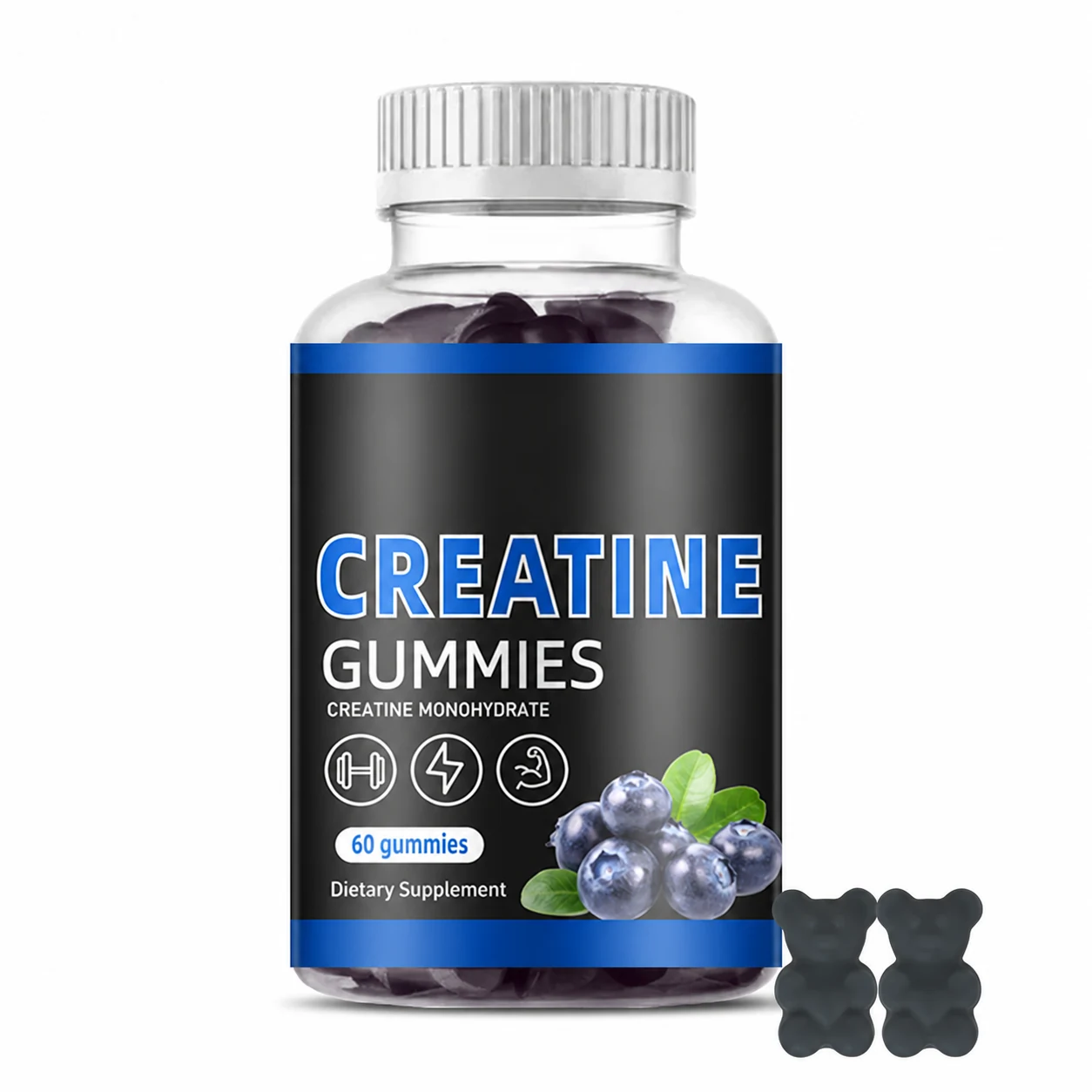
Record your standards for stability
Define what is critical for your project: aesthetics, odor, texture, water activity, active ingredient levels, numbers of microbes, package integrity? How often, testing conditions and specifications for passing? Accelerated testing can reveal issues but critical for your project is using real-time shelf life data.
Never commit to a shelf life claim until you have the formula, packaging and the proof. Product behaviour is not negotiable to business deadlines.
Quotes are also easier to assess when they are similar
Get quotes using the creatine per serving, number of gummies per dose, number of bottles, package types, and testing plan. Otherwise, one quote might appear to be less expensive just because there’s less active ingredient or missed jobs.
A Creatine gummy that scales is a complete system: raw material, ingredient profile, gummy design, manufacturing process, packaging and test method. When everything comes together, this product can be orders easier and describe for consumers.