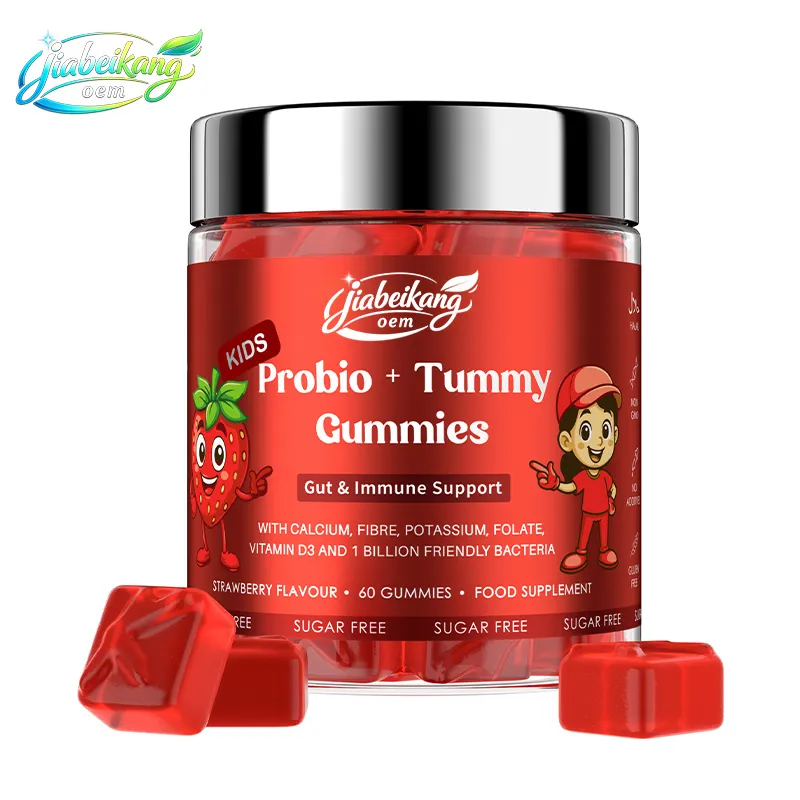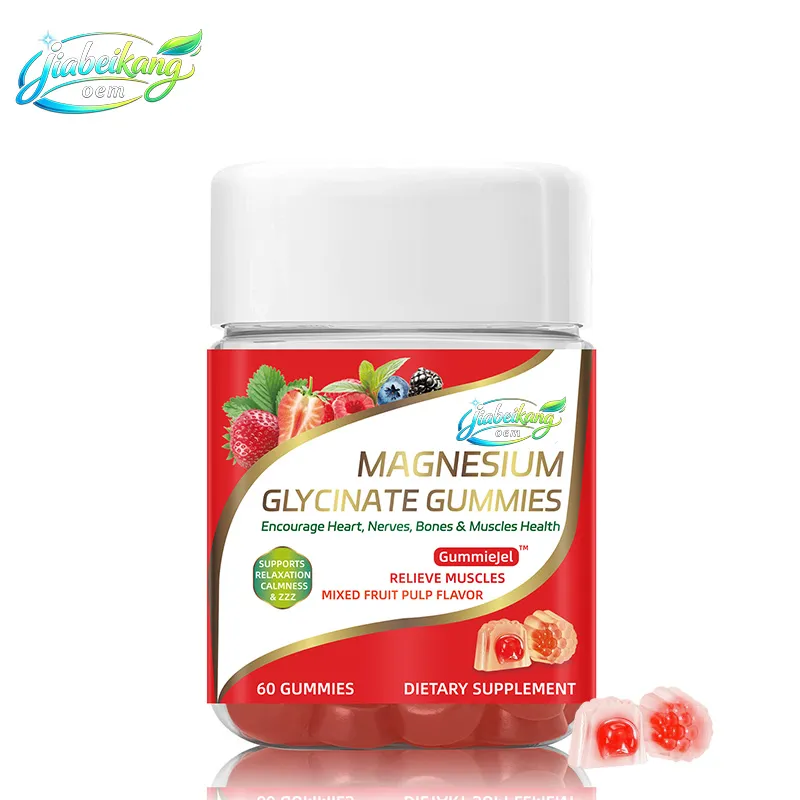




“Approved” is a surprisingly incomplete answer to a sample request. Approved for taste? Approved with the darker color, or subject to a color change? And which bag did the reviewer open?
For a supplement brand, the useful outcome is a decision somebody else can follow. We recommend one identified sample, one comparison reference and one consolidated instruction from the brand.
Keep the tasting decision distinct from the analytical and production requirements still outstanding.
That way, an enthusiastic message from the sales team doesn’t become an instruction to manufacture a formula that quality hasn’t reviewed.
Define the terms used in gummy sample approval
A reference sample is an identified physical sample retained as the agreed comparator for specified sensory attributes. Record its formula revision, approval date and storage conditions. Sensory approval is the recorded acceptance of the reviewed taste, aroma, color, appearance and chew against agreed criteria. Analytical review assesses measured results against the applicable specifications. Production authorization is the documented permission from the responsible approver to manufacture a specified formula revision after the required reviews and conditions are closed.
| Decision or reference | What it establishes | Evidence and scope |
| Reference sample | The agreed physical comparator for sensory review. | Sample ID, formula revision, storage history and attributes covered. |
| Sensory approval | Acceptance of the reviewed sensory attributes. | Identified samples, review conditions and signed feedback. Analytical and manufacturing status are recorded separately. |
| Analytical review | Whether the tested attributes meet the applicable specifications. | Traceable results, methods and acceptance criteria for the tests performed. |
| Production authorization | Permission to manufacture the specified revision under stated conditions. | Authorized sign-off, approved revision and closure of required reviews. |
Start gummy sample approval with a traceable sample record
Find the identifier on the bag and connect it to the manufacturer’s dispatch record. You need the formula revision, the variation supplied and enough history to know what you’re evaluating.
Opening date belongs in that history too, especially if the sample will circulate around the office.
A project number alone may be insufficient. If a courier box contains three flavors, each needs its own identity.
When portions go to different reviewers, send that identity with them. “The pink sample” might work for a conversation on delivery day. Two deliveries later, it becomes ambiguous.
For our custom formulation support, the sample reference is a useful starting point for a feedback discussion. Please include it in the review sheet as well as the email subject.
It saves the formulator having to reconstruct which comment belongs to which version.
If the identifier is missing, ask before issuing an approval. There’s no benefit in being decisive about a sample nobody can connect to a controlled formula.
Give the reviewers a question they can answer
An invitation to “try these and tell us what you think” will produce opinions. That may be all you need early in development. Later, when a production decision is approaching, a more focused question helps.
Suppose the previous sample had an accepted fruit note but a lingering sweet finish. The next review could ask whether that finish has improved without losing the initial flavor. Reviewers then know what to compare.
They can still flag a new problem, but the meeting has a purpose beyond collecting another set of preferences.
Keep the question short enough to put at the top of the scorecard. Agree who will turn the responses into the brand’s instruction.
A manufacturer receiving four conflicting emails cannot tell whether the last email overrides the first three.
The invitation also needs to say what tasting won’t settle. Active content, microbiological requirements and shelf-life support need appropriate evidence. Our دليل الاختبار والاستقرار covers those separate questions.
A good eating experience can be accepted while those workstreams remain open.
Compare the gummy sample with its reference under agreed conditions
An opened sample left on a warm desk and a newly opened reference have different histories. If they feel different, the team may be judging storage as well as formulation.
Record how samples were held and prepared, and use the agreed review conditions consistently.
You don’t need to turn every internal tasting into a research study. You do need to describe it honestly. Coded bags can reduce the influence of a flavor name, for instance, but an informal office panel is still an informal panel.
Keep the code key so that the preferred bag can be traced back to its actual version.
A scorecard for this example could ask about the first fruit impression and what remains after chewing. Leave room for a short description beside any score.
A reviewer writing “sweetness remains after the fruit fades” gives the formulator something a rating of 3 alone cannot explain. The coordinator can compare those descriptions when preparing the instruction.
There is a limit to preference testing. A damaged seal, unusual odor or other possible quality concern goes to the responsible quality person before further tasting.
The review group shouldn’t vote on whether a questionable unit is suitable to consume.
Turn “too sweet” into an instruction
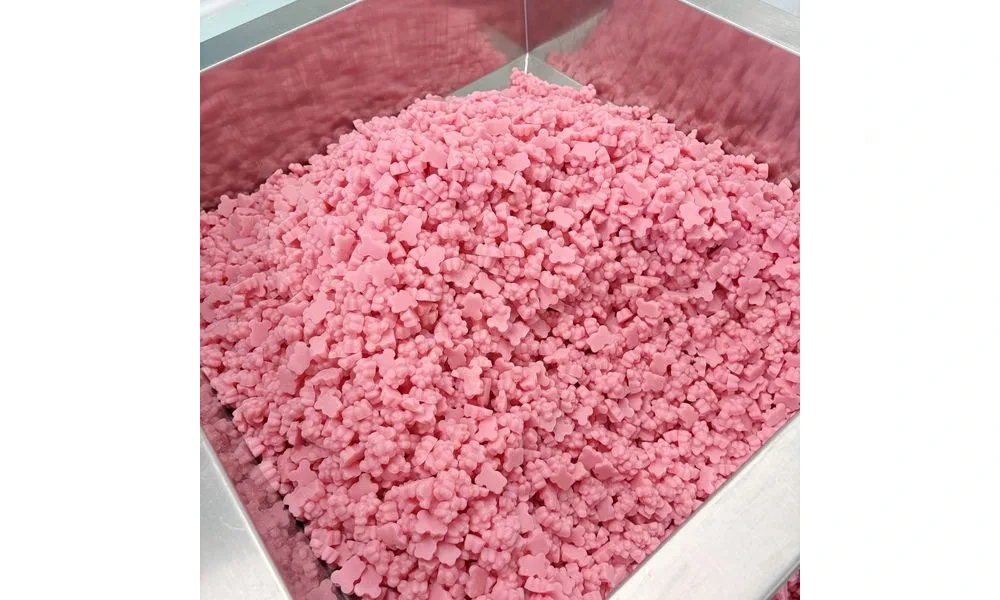
Take this hypothetical pair of comments: one colleague says “too sweet”; another says “not enough fruit.” They might disagree. They might also be describing the same finish, where sweetness remains after the fruit note disappears.
Ask when the unwanted characteristic appears before requesting a change.
The feedback also needs to say what the next revision must preserve. Here, the opening fruit note and chew were accepted.
Changing either would make the next review harder: the team would have to evaluate an improvement in the finish alongside a new characteristic it had not requested.
An instruction could read: “Keep the initial fruit note and current chew.
Please propose a way to reduce the lingering sweet finish.” That describes an outcome while leaving the technical choice with the people assessing the formula.
For an elderberry project, the elderberry flavor and natural color guide can give the reviewers useful ingredient-specific context. Other formulas need their own assessment.
A successful adjustment in one botanical gummy isn’t an instruction for every product in the range.
There may be no formulation problem to solve yet. Suppose the sales team wants a sweeter profile and the product manager wants a tart one. Both samples could meet the technical brief.
The brand has to choose its intended profile before commissioning a further revision; otherwise the next delivery merely repeats the same disagreement.
Before sending, give the sheet to a colleague who missed the tasting. Can they identify the sample and explain the requested change? A question such as “which pink bag?” exposes an unfinished record immediately.
Fix the sheet while the tasting team can still answer. The manufacturer will receive the written instruction without the conversation that made it seem obvious.
Use a decision log that survives a forwarded email
Here is a compact example for a hypothetical sample S03. It is a record format, not a specification or a claim about a completed project.
| Field | Illustrative entry |
| Version evaluated | S03, formula R02; bag identity retained |
| Comparison | S02; opening and storage details recorded |
| Accepted | Initial fruit note and chew |
| Revision requested | Investigate lingering sweet finish |
| Decision today | Revise; no production authorization |
| Instruction owner | Named brand approver, with date |
| Replaces | Previous feedback on S03, identified by date |
Keep earlier decisions, but mark which instruction supersedes them. Deleting the old record removes useful history; leaving every instruction apparently active creates a different problem.
A reader should be able to find today’s decision without reading the entire correspondence.
Disagreement deserves a note when it affects the outcome. A packaging reviewer asking for a smaller gummy may be concerned about the intended count fitting the container.
That is a different question from whether the chew is pleasant. Give the technical team the reason, rather than merging both comments into an unexplained size change.
Retain the reference sample and define the gummy sample approval scope
Agree which accepted sample will be held, by whom and under what conditions. If the brand and manufacturer each retain a portion, connect both to the same identity and approval. Note how much remains.
Repeated tasting can consume the reference just when another team needs it.
The reference will age. When it stops being a fair sensory comparator, a replacement needs an agreed route. Keep the written acceptance criteria and the earlier approval through that transition.
Replacing an old bag shouldn’t quietly redefine the product.
ملكنا نهج الجودة والامتثال is a useful basis for discussing how reference samples and specifications fit together.
The physical sample helps with an agreed sensory comparison; measurable product requirements still need their own controlled criteria and evidence.
The approval can be quite short once the supporting sheet is complete. For example: “S03 / R02 sensory attributes accepted against the recorded reference.
Analytical review and pilot decision remain pending.” That illustrative wording gives scheduling a defined status. The real decision still needs the authorized signature, date and any other outstanding conditions.
Keep it with the sheet rather than in a separate message that might never reach production.
When sending the next review to الكنغر الأحمر, include the reference IDs and the combined feedback sheet. Tell us what should stay, what needs changing and who will authorize the result.
That is enough to start a focused revision discussion without asking the formulator to interpret a collection of competing preferences.