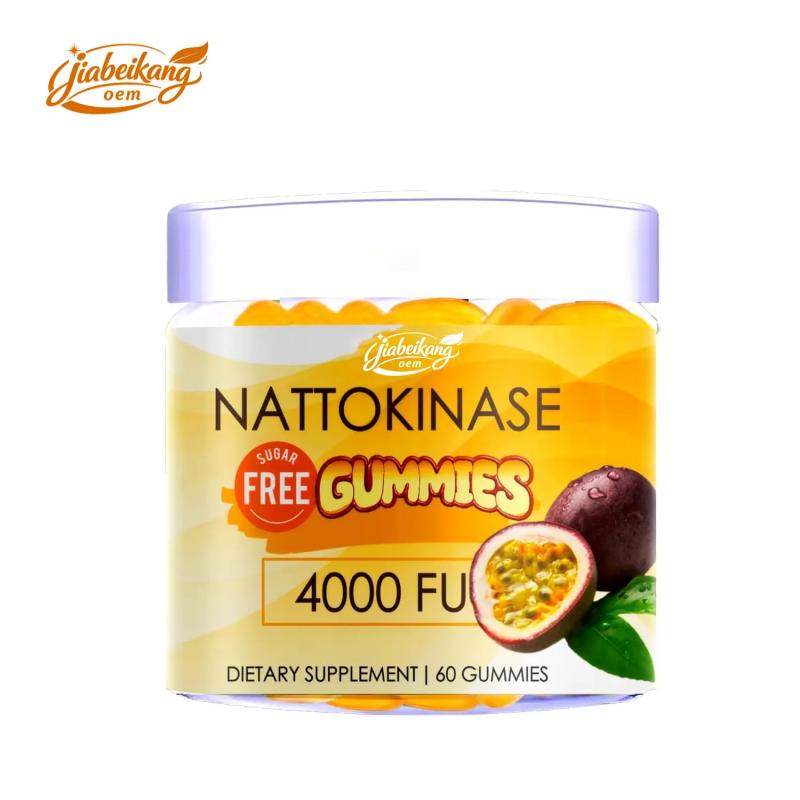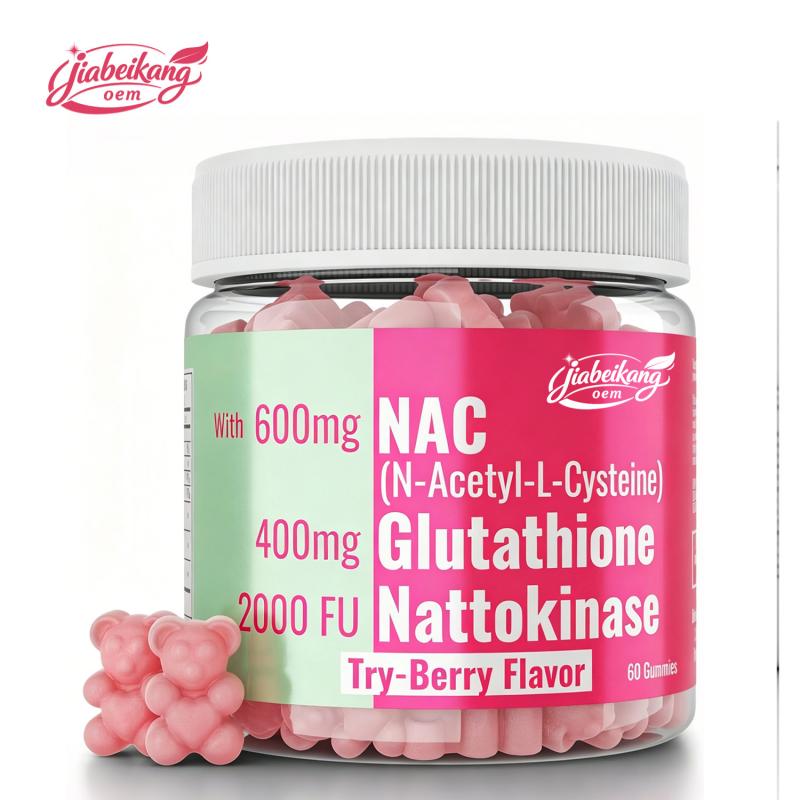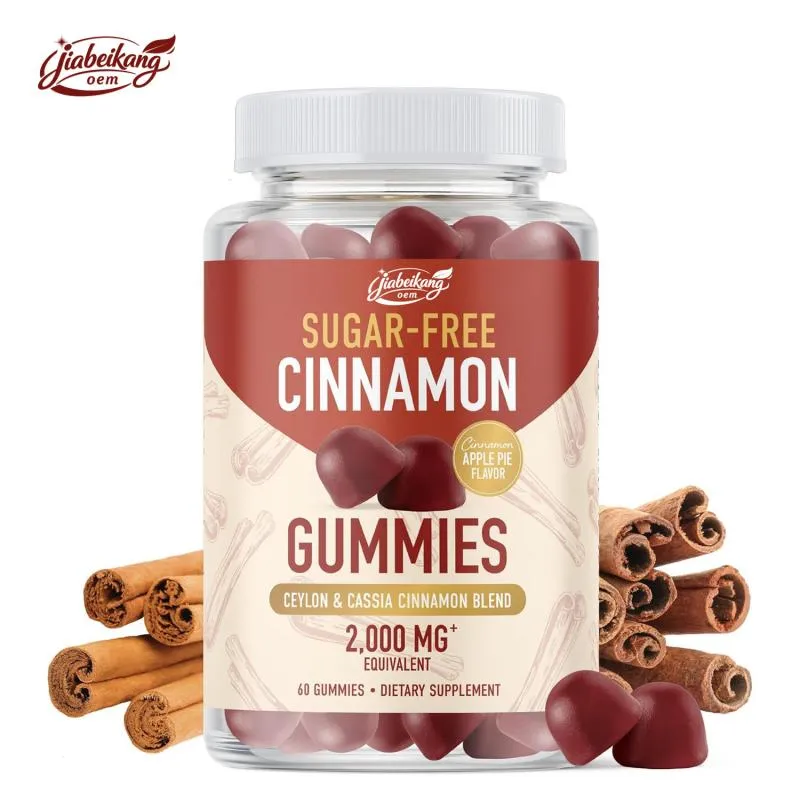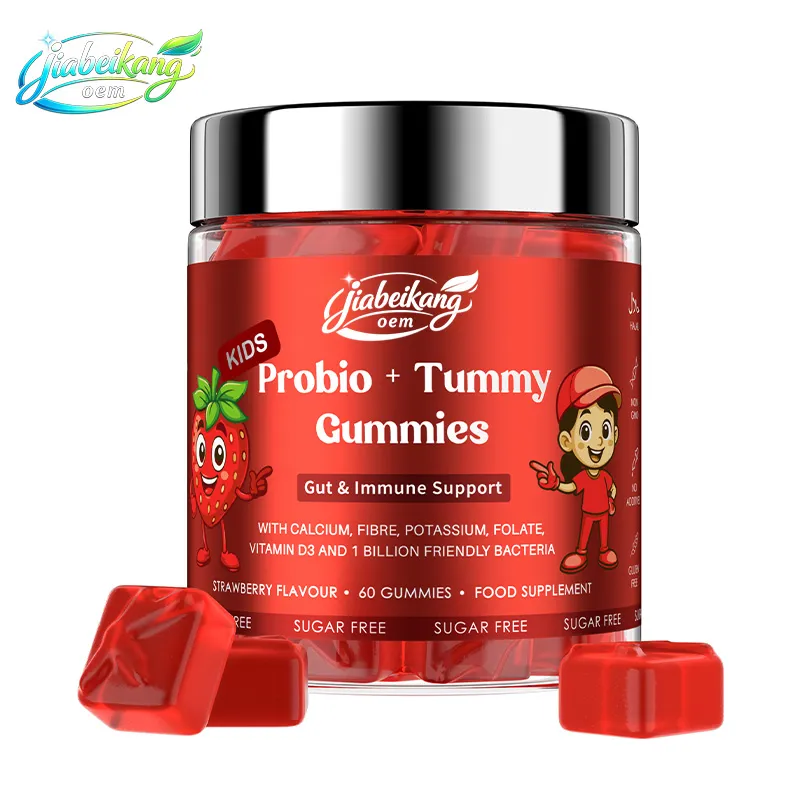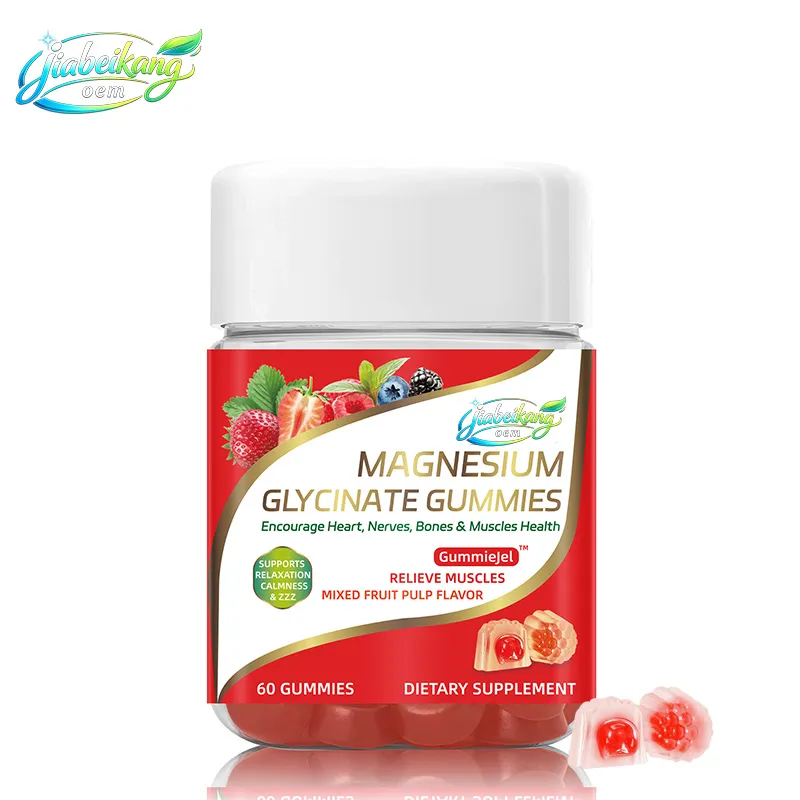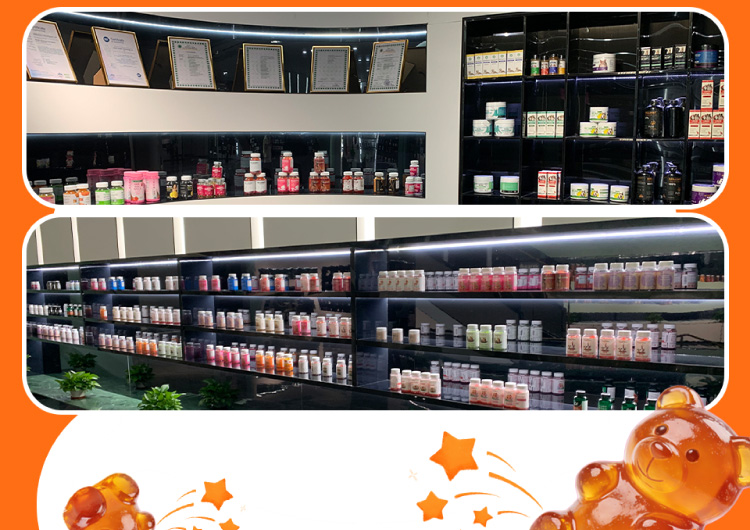




A gummy shape is one of the first things a shopper notices and one of the easiest details for a development team to underestimate. A bear, dome, heart, cube or branded shape is not only decoration. It establishes piece weight, thickness, surface area, visual recognition and how the product moves through manufacturing and packaging. For a new brand, an existing mould can shorten development and reduce tooling work. For an established range, a custom shape may create a more recognizable product. The right choice depends on the formula, serving, timeline, budget and packaging—not simply which drawing looks most distinctive.
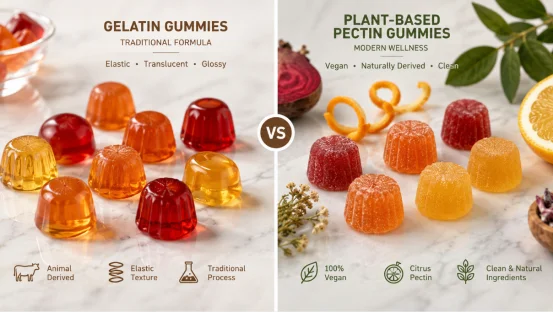
Start with the product architecture
Before discussing shape, define the amount that one serving must deliver. The formula team needs to know the target active amount, number of gummies per serving and approximate weight available for the gummy base. If a product needs several grams of active material, a very small detailed shape may be impractical. Increasing thickness can provide more volume, but it may change conditioning time and chewing experience. Dividing the amount across more pieces changes bottle count and cost. A useful mould brief therefore begins with:
- target finished weight per piece;
- pieces per serving;
- active amount per serving;
- gelling system and coating concept;
- desired dimensions;
- bottle or pouch plan;
- markets and consumer age group.
Shape should support those decisions rather than force the formula into an unsuitable space.
What a standard mould offers
Standard mould libraries often include bears, domes, cubes, stars, hearts, fruit shapes and simple geometric pieces. Because the tooling already exists, the development team can move more quickly into formula and sample work. Standard shapes are useful when:
- the launch timeline is tight;
- budget is focused on formula or packaging;
- the product is testing a new market;
- brand recognition will come mainly from the bottle and label;
- a common piece weight matches the serving plan.
Using a standard shape does not mean every product looks identical. Color, flavor, coating, packaging and label design still create differentiation. The limitation is that another brand may use a similar silhouette.
What a custom mould can add
A custom mould can reproduce a logo, symbol, character or shape associated with the brand. It can make unbranded gummies more recognizable when removed from the package and can support a broader visual identity. However, small artwork does not always translate into a clear gummy. Rounded edible pieces cannot reproduce every fine line. Details that look sharp on a computer may soften after depositing, demoulding, conditioning and coating. The strongest custom designs usually use a simple outline, adequate depth and recognizable proportions. The manufacturer should review the concept before final artwork is approved.

Tooling adds time and approval steps
A custom mould requires technical drawing, dimensional review, tooling production and physical sample confirmation. Revisions can add time. If the brand changes the formula load or serving after tooling begins, the intended piece weight may no longer fit. The project plan should include:
- initial shape concept;
- manufacturability review;
- drawing and dimension approval;
- tooling production;
- sample pieces;
- weight and appearance confirmation;
- any necessary adjustment;
- release for commercial production.
Brands should clarify who owns the tooling, where it will be stored, how long it will be retained and whether it can be used for any other customer. These commercial points belong in writing.
Shape changes processing behavior
The ideal gummy releases from the mould without tearing, retains its form during handling and conditions evenly. Very thin edges can become fragile. Deep recesses may trap material or lose definition. Large thick centers can condition more slowly than the outside. Surface area also influences coating. Sugar or acid crystals may collect differently on a detailed piece than on a smooth dome. Oil-coated products can highlight or blur certain features depending on gloss and color. These are reasons to review the actual finished sample—not only a mould drawing or uncoated trial piece.
Piece-weight tolerance matters
Mould cavity volume is one factor in piece weight, but depositing consistency, formula density and processing conditions also contribute. The product specification should define an appropriate range and explain how finished servings are controlled. When a custom shape contains narrow sections, small differences may be more visible. A heavier or lighter piece can also affect total count, net quantity and the calculated amount of active ingredient per serving. The quality plan should connect mould design, in-process weight checks and finished-product testing.
Packaging must fit the real piece
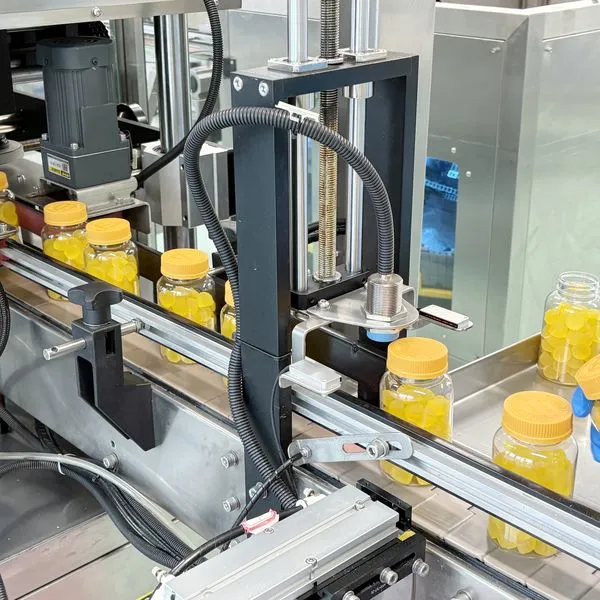
Two gummies with the same weight may occupy different volumes. Long or irregular pieces do not settle in a bottle like compact domes. A decorative shape may need more headspace or a wider opening. Before ordering commercial packaging, the team should perform a fill trial using conditioned, coated pieces. Questions include:
- Does the planned count fit without compression?
- Can consumers remove the gummies easily?
- Do pieces bridge at the neck?
- Is there space for a liner, desiccant or other component if required?
- Does the product withstand transport without visible damage?
For pouches, the team should also consider seal area and whether sharp or firm details could stress the material.
Consider brand protection realistically
A custom gummy shape can be distinctive, but it is not automatically a registered trademark or protected design. Brands should obtain appropriate legal advice about logos, characters and intellectual property in relevant markets. If the design uses a third-party character or symbol, written authorization may be needed. A manufacturer cannot assume that supplied artwork is free to use. Commercial agreements should also state whether the factory may photograph the custom shape for its portfolio or trade-show samples.
Standard mould first, custom mould later
Some brands launch with a standard mould to validate formula, price and demand, then move to custom tooling for the next production phase. This can reduce early risk, but the transition is not purely cosmetic. Changing shape may alter piece weight, conditioning, coating, packaging fill and stability. The custom version should be treated as a controlled product change, with new samples and updated specifications.
A practical decision checklist
Choose a standard mould when speed, lower initial complexity and proven handling are the main priorities. Explore a custom mould when the product architecture is stable and the shape contributes meaningful brand value. Before deciding, confirm:
- final active load and serving plan;
- target finished-piece weight;
- acceptable tooling budget and timeline;
- level of detail that can survive production;
- coating and color direction;
- container opening and count;
- ownership and storage of tooling;
- change-control expectations.
Häufig gestellte Fragen
Can a logo be copied exactly into a gummy?
Not always. Fine lines, sharp corners and shallow details may not reproduce clearly. The design usually needs adaptation for the material and process.
Is custom tooling required for every private-label product?
No. Many successful products use standard shapes and differentiate through formulation, color, flavor and packaging.
Will changing the mould require new stability work?
It can. A new shape may change thickness, surface area, conditioning and package fill. The technical team should assess the change and determine what confirmation is needed.
Make the shape serve the product
The best mould decision is one that supports the formula, serving, manufacturing process and package while giving the brand the right level of distinction. Rotes Känguru can review standard and custom mould options during product development. Bringing the serving target, packaging concept and visual reference into the same conversation helps turn a creative idea into a shape that can be sampled, measured and produced consistently.