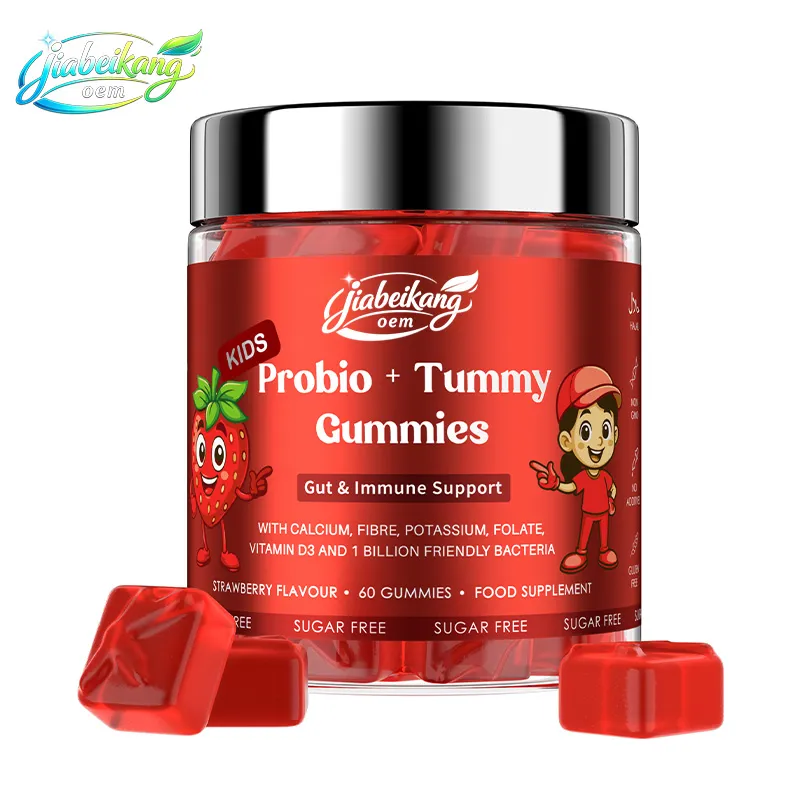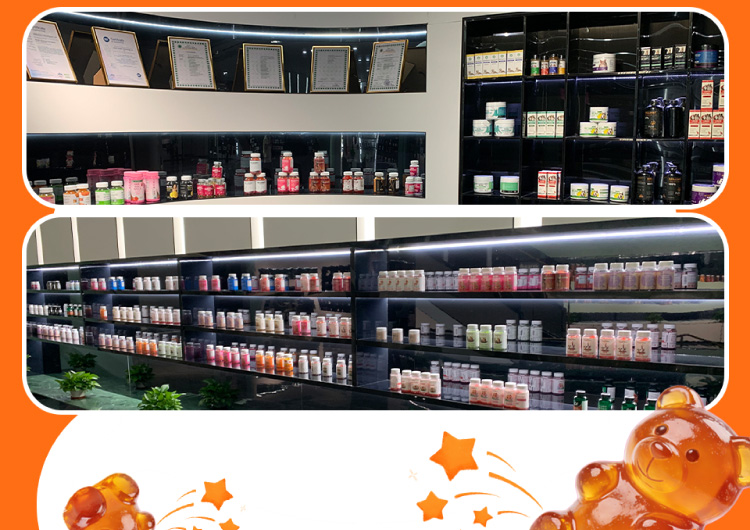




A children’s multivitamin gummy can quickly become an overfilled wish list. One person wants twelve vitamins, another asks for three minerals, marketing wants a tiny shape, and the retailer wants a one-gummy serving with no sugar. Each request sounds reasonable on its own. Together, they may not produce a stable or enjoyable gummy. The better development sequence starts with the child age group, the role of the product and the serving. The nutrient panel, gummy format and package can then be designed around those decisions. This approach usually produces fewer sample rounds and a label that is easier for parents to understand.
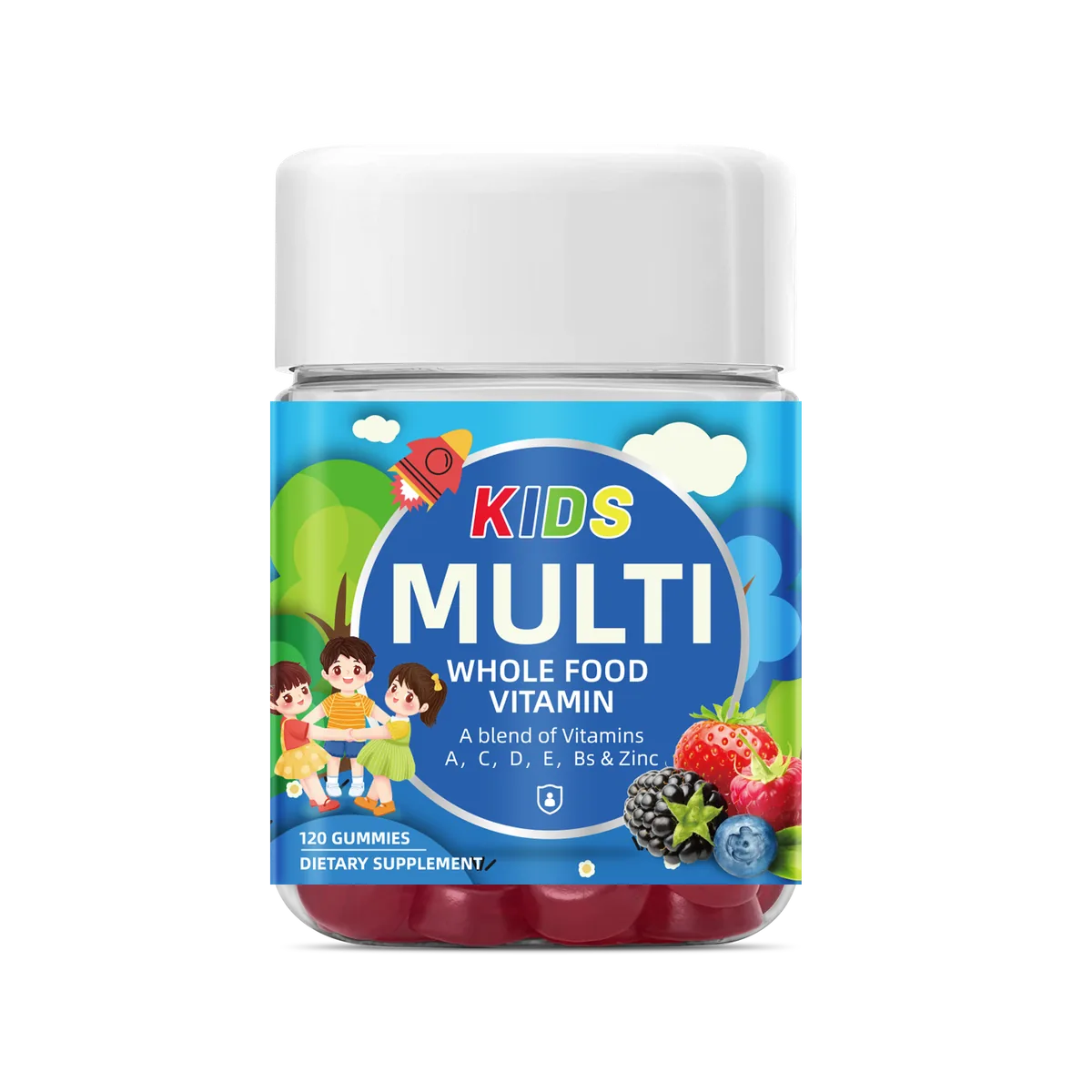
Define who the product is for
“Children” covers a wide range of body sizes, diets and abilities. A brief should state the intended age range and sales market. Those two details guide serving amounts, warning language, permitted ingredients and the nutrition-label format. Brands should obtain qualified regulatory and nutritional review rather than copying the panel from a competitor. Reference values and label rules vary by country, and a formula designed for adults should not simply be placed in a smaller bottle with a child-friendly illustration. The intended user also affects physical design. A small child may find a large or firm gummy difficult to chew. A highly detailed shape can create thin sections that dry faster than the center. Product developers need to consider size, chew and supervision alongside appearance.
Decide what the formula is meant to cover
A multivitamin does not need every possible nutrient. Start with a reasoned list that fits the target user and product position. For each vitamin or mineral, record the form, amount per serving and source material. This prevents confusion between the quantity of a raw material and the quantity of the nutrient declared on the label. Some nutrients require more space than others. Minerals can add considerable mass, strong taste or color. Fat-soluble and water-soluble vitamins behave differently in processing and storage. Premixes may simplify dosing, but their carriers and overages must be understood and declared correctly. The team also needs to identify overlap. A product that combines a multivitamin with separate fortified foods or other supplements can create unnecessary duplication. The label should not encourage consumers to assume that more is always better. Directions and warnings should support responsible use. Rather than asking the factory to “add everything,” rank ingredients as essential, preferred or optional. If the first sample is too large, too bitter or unstable, the team will know which elements can be reconsidered without losing the core concept.
Make the serving realistic
The formula has to fit into a physical serving. One small gummy may not hold the desired ingredient load while retaining a pleasant texture. Two gummies may offer more formulation room, but the count, cost per daily serving and bottle size will change. Write the serving calculation in plain language: pieces per serving, servings per container, approximate finished piece weight and declared nutrients per serving. Confirm whether the intended count creates a 30-day, 45-day or 60-day supply. Shapes should be selected only after this calculation. Starch moulding can support many forms and dimensions, but every cavity has a volume. A decorative shape with narrow features may not be the best match for a dense multivitamin formula. Red Kangaroo’s starch-mogul equipment allows the production team to evaluate shape, deposit and conditioning as one system rather than treating the mould as separate artwork.
Balance flavor with the actual nutrient mix
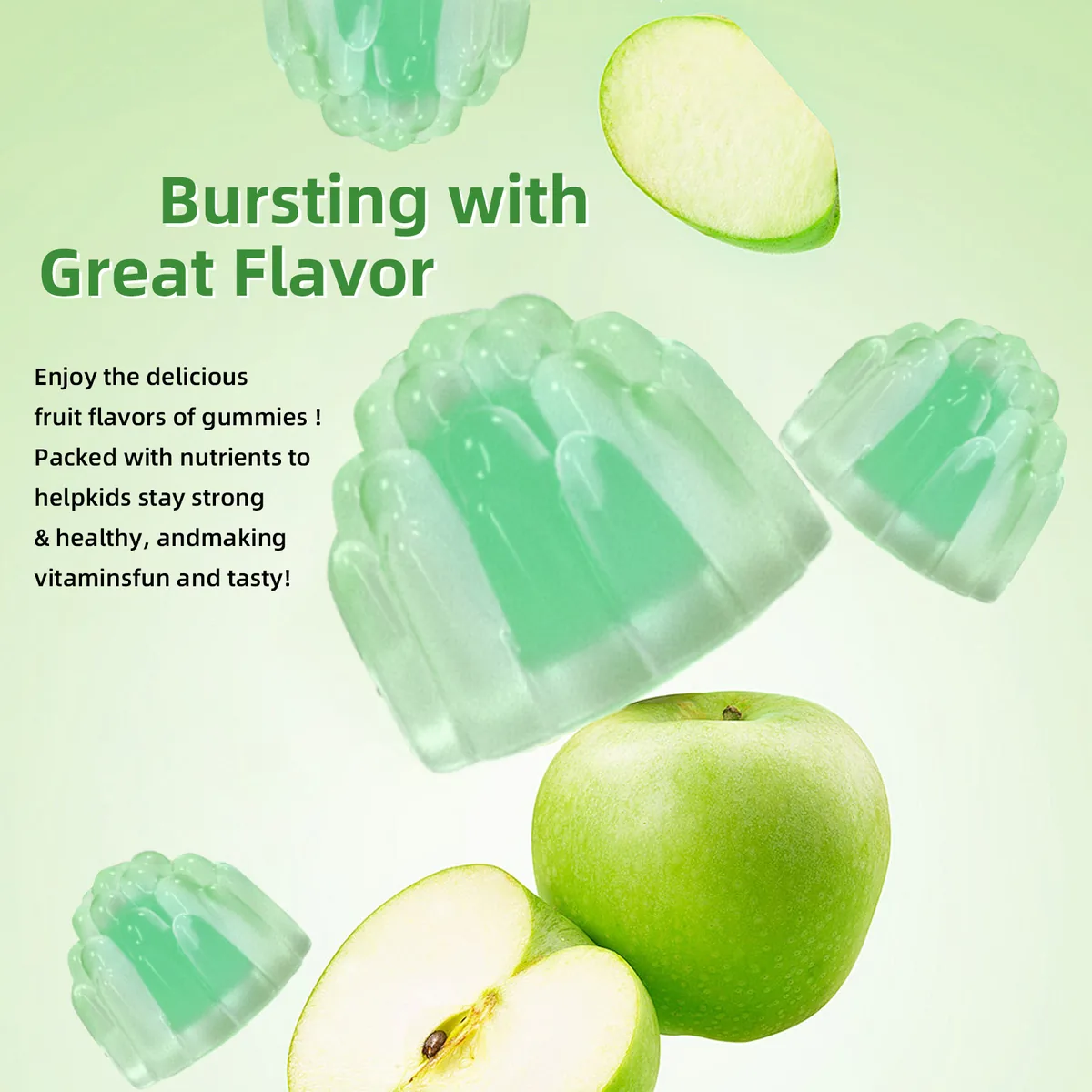
Children are sensitive to bitterness and lingering mineral notes, but making a gummy sweeter is not the only answer. The formulation team can choose a flavor family that matches the active profile, adjust acidity and use suitable masking techniques. Berry, orange, apple and mixed-fruit concepts are common because they give room for layered flavor, yet each must be tested with the final nutrient load. Colors should be chosen for stability as well as shelf appeal. Vitamins and minerals can affect the shade of the mass, and natural color systems may shift with pH, heat or time. A bright first sample is not enough; color should be assessed during stability work in the proposed package. Sugar-free requests need a precise definition. Does the brand mean no added sugar, sugar-free under a particular market threshold, or avoidance of a specific syrup? Alternative sweeteners and fibers can affect chew, digestive tolerance, water activity and label language. The commercial brief should name what is wanted rather than rely on a general front-label phrase. Flavor approval should happen after the sample has conditioned. Fresh gummies can be softer and more aromatic than finished pieces. Ask several reviewers to record sweetness, acidity, off-notes, aftertaste and chew rather than voting only “yes” or “no.”
Choose a base and process that can carry the formula
Pectin can suit a vegan positioning, while gelatin offers a different chew and process behavior. Other hydrocolloid systems may be considered depending on the brief. The correct choice depends on active load, acid level, target texture, production equipment and market requirements. The manufacturer must determine the order of addition and heat exposure. Some vitamins are sensitive to heat, light or oxygen. Adding every ingredient at the same stage may be convenient, but it is not automatically the best process. Commercial production needs documented temperature and hold-time ranges so that batches can be repeated. After depositing, gummies usually require controlled conditioning. Piece size, room humidity, airflow and formula all influence final moisture and texture. Coating may improve handling and appearance, but oil, wax, sugar or acid sanding each creates a different sensory and packaging result. Filled or center-filled shapes add another level of complexity. They can create a distinctive bite and visual story, but the shell and center must remain compatible over shelf life. Migration, leakage and texture differences should be evaluated before the format is chosen simply for novelty.
Design packaging for adults, even when the product is for children
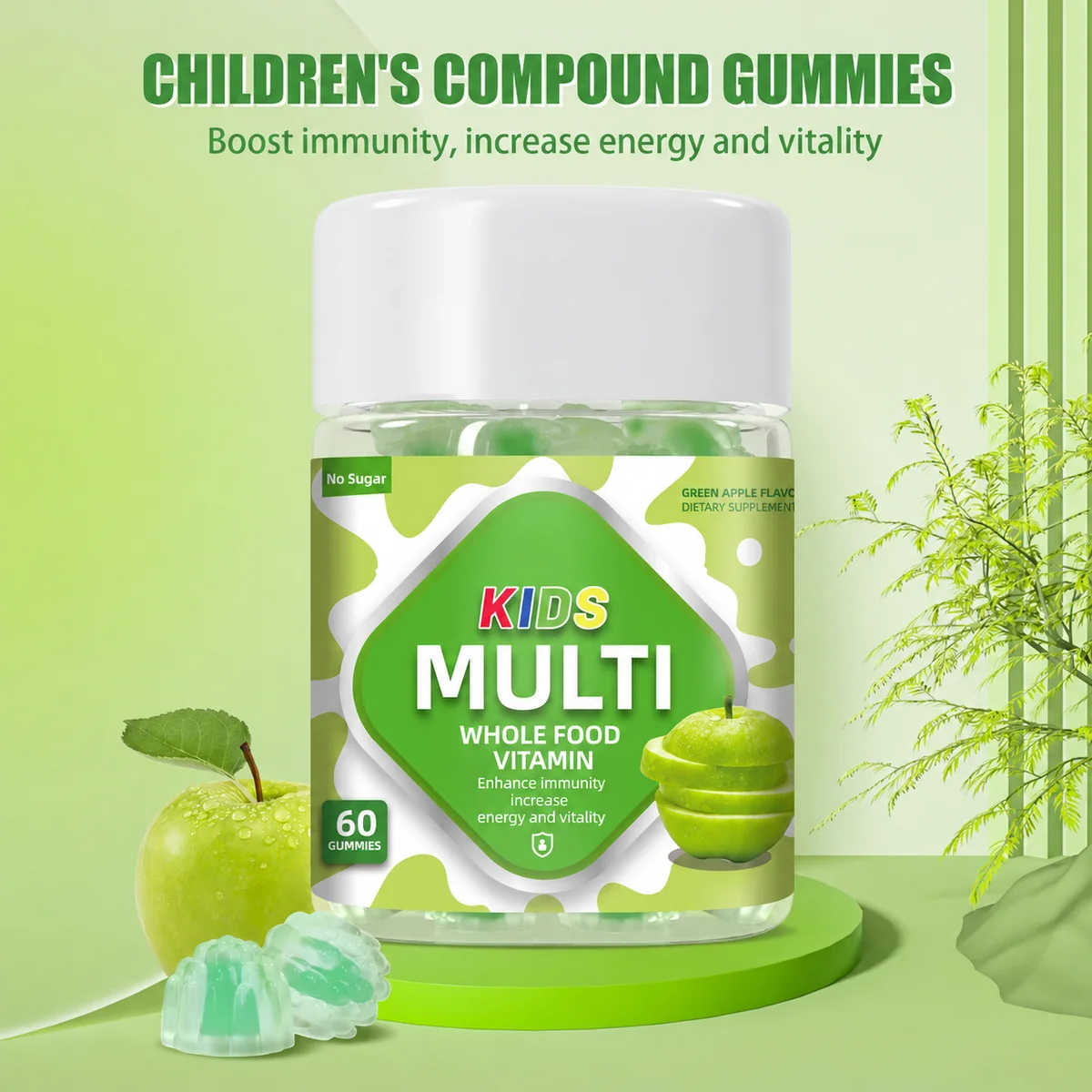
The product may use cheerful colors, but the pack needs to communicate primarily with the responsible adult. Nutrient amounts, directions, age range, warnings, allergens and storage instructions should be easy to find. Because gummies resemble sweets, closure choice and storage messaging deserve special attention. A child-resistant closure may be required or advisable in some markets and product categories. Regardless of closure, the label should tell adults to keep the product out of reach of children and to supervise use when appropriate. Moisture protection is another practical concern. Gummies can become sticky or change texture in humid conditions. Bottle material, induction seal, desiccant option, cap fit and distribution climate should be reviewed with the finished product. A transparent package can show the color and shape, but light exposure may be undesirable for some formulas. Do not finalize bottle dimensions from a render. Pack a representative finished batch and confirm the actual count, headspace, movement and line performance. Printed labels and cartons should wait until key dimensions and required copy are stable.
Keep claims modest and supportable
Children’s products should not promise immunity, intelligence, energy, growth or medical protection as assured outcomes. A familiar icon or a disclaimer does not replace claim review. Wording must comply with the rules of the sales market and be supported by the formula and appropriate evidence. Accurate facts are more useful than dramatic promises. State the nutrients and amounts, serving, flavor, count and documented dietary attributes. If the brand wants a free-from, organic, non-GMO, vegan or allergen-related statement, verify the full supply chain and certification requirements before printing it. Artwork should be checked against the approved commercial formula. The ingredient list, nutrient panel and front-label callouts must agree. Review spelling, units and serving math, then verify the barcode, lot area and date coding position on a physical proof.
What to include in the first brief
A productive first brief lists the destination market, target age group, desired nutrients and forms, amount per serving, gummies per serving, preferred base, flavor, colors, sweetener requirements, exclusions, shape, count, package and proposed claims. Include a target price range and launch quantity if available; they help the manufacturer suggest realistic options. Kangourou roux can help brands review that brief, develop samples, evaluate shapes for starch-moulded production and prepare packaging and private-label details. The objective is not to squeeze the longest ingredient list onto the label. It is to produce a consistent gummy that parents can understand and use according to clear directions.