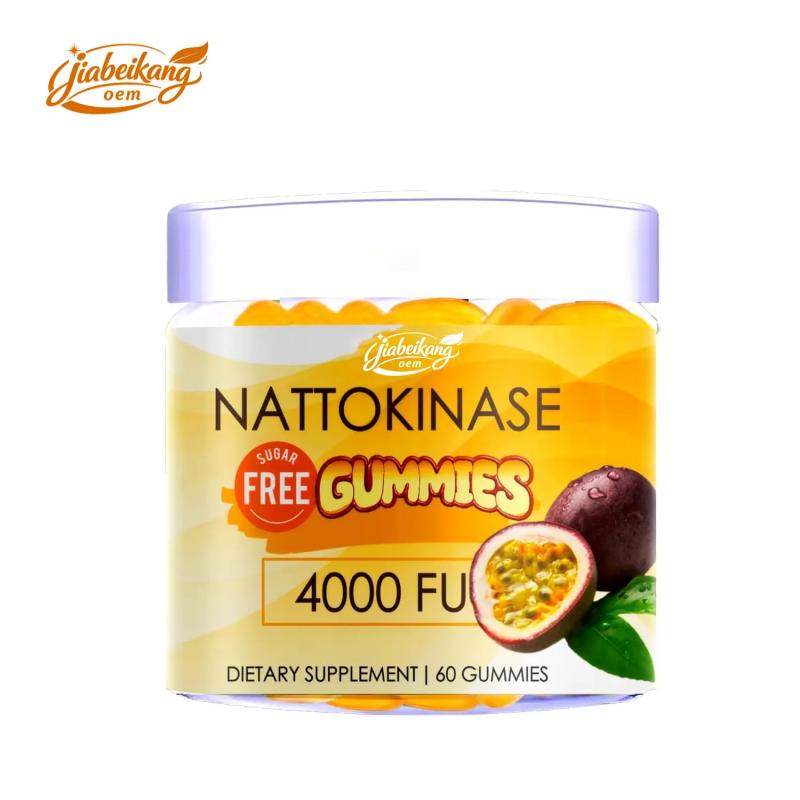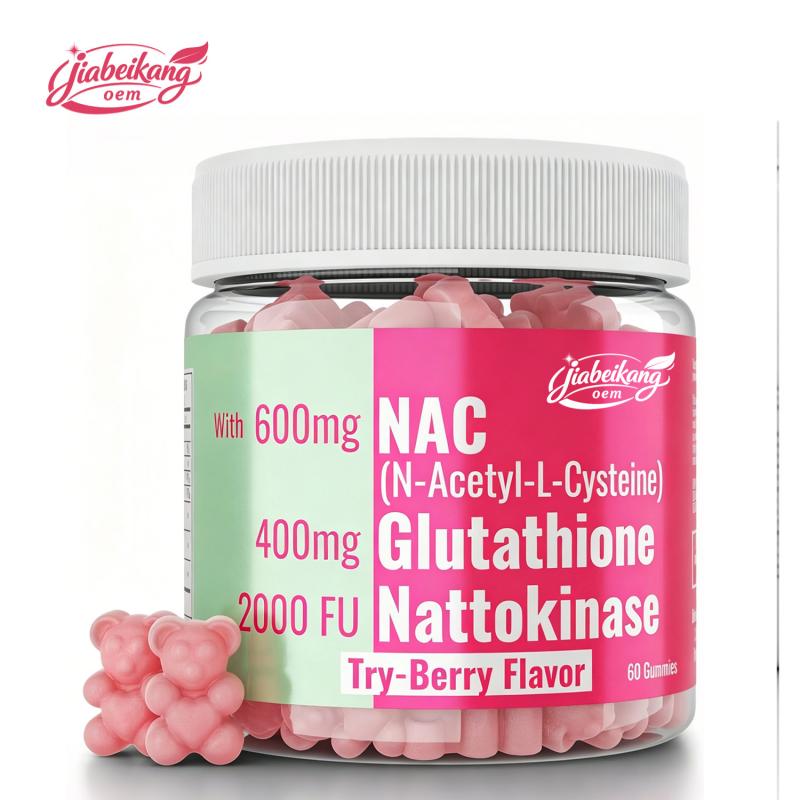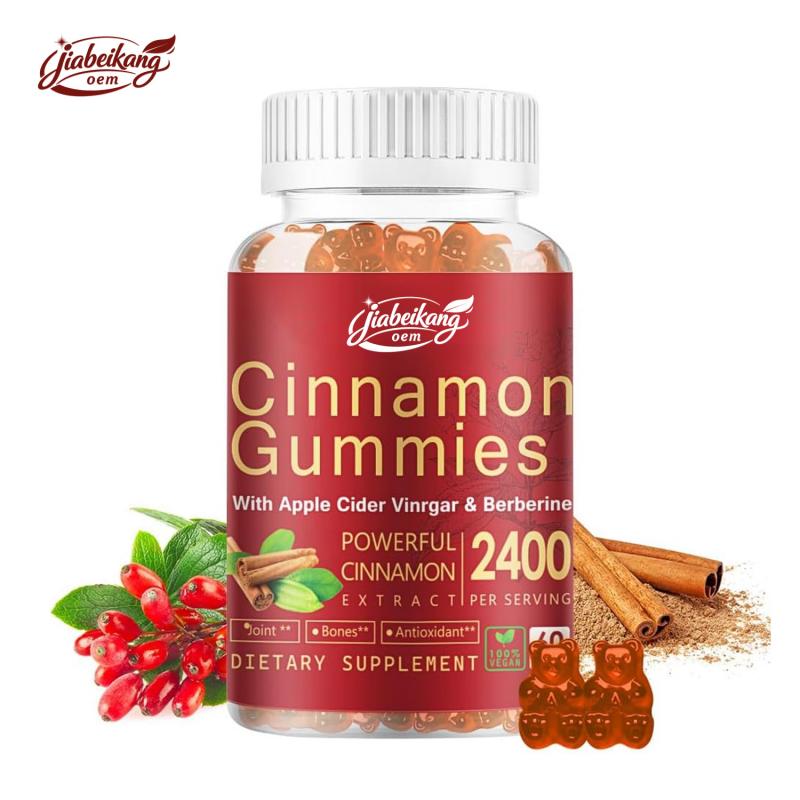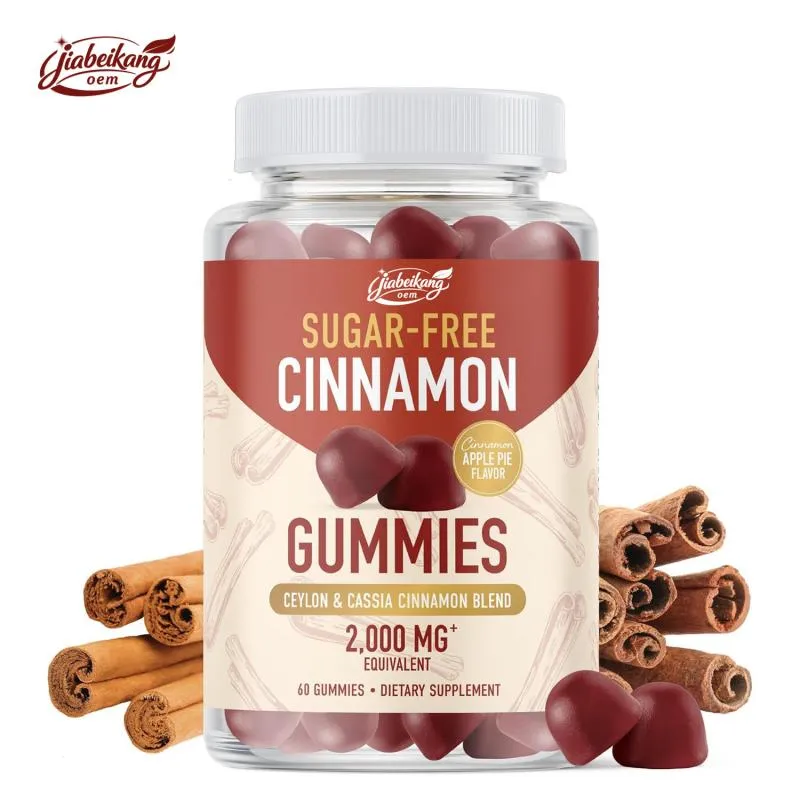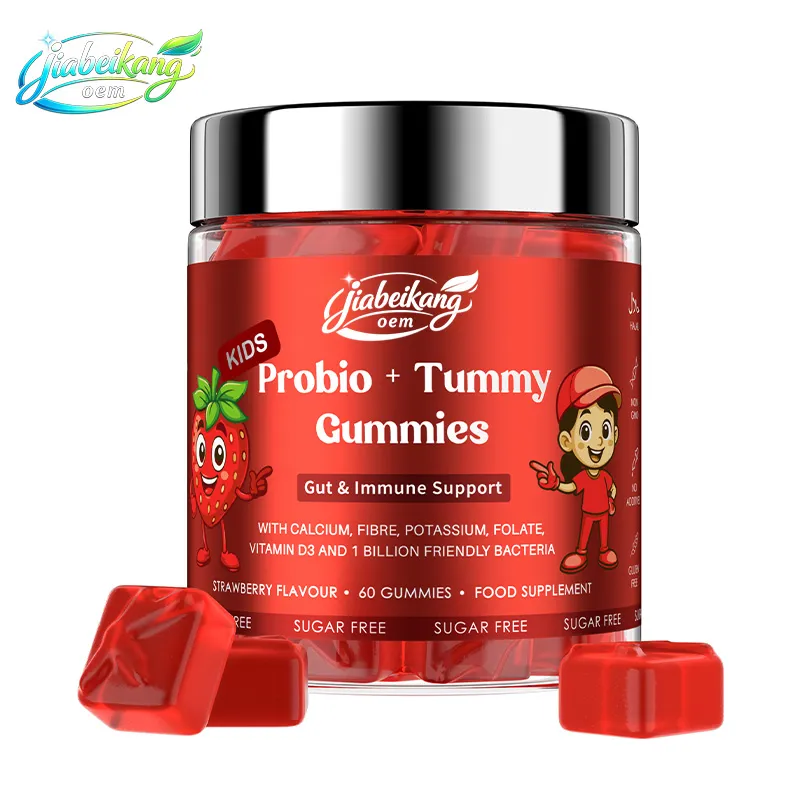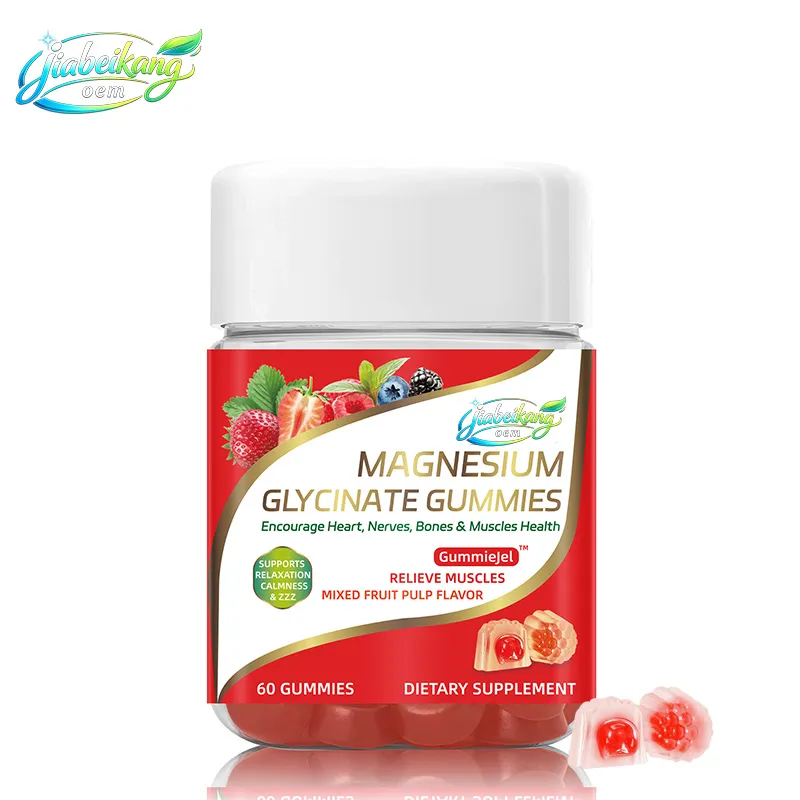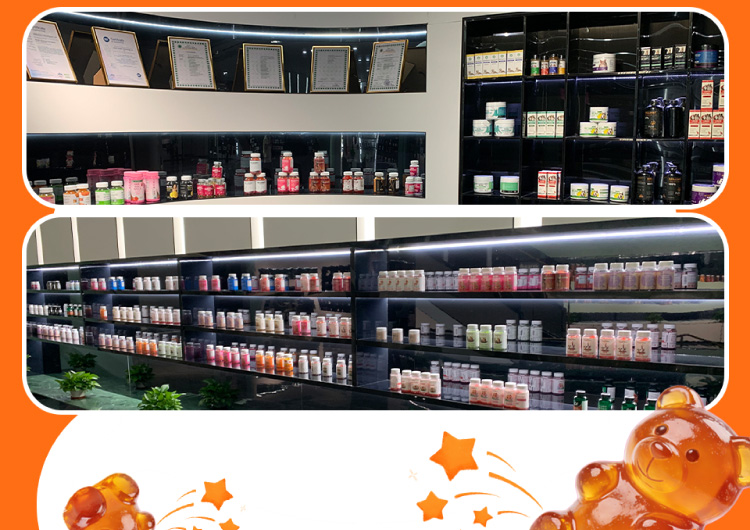




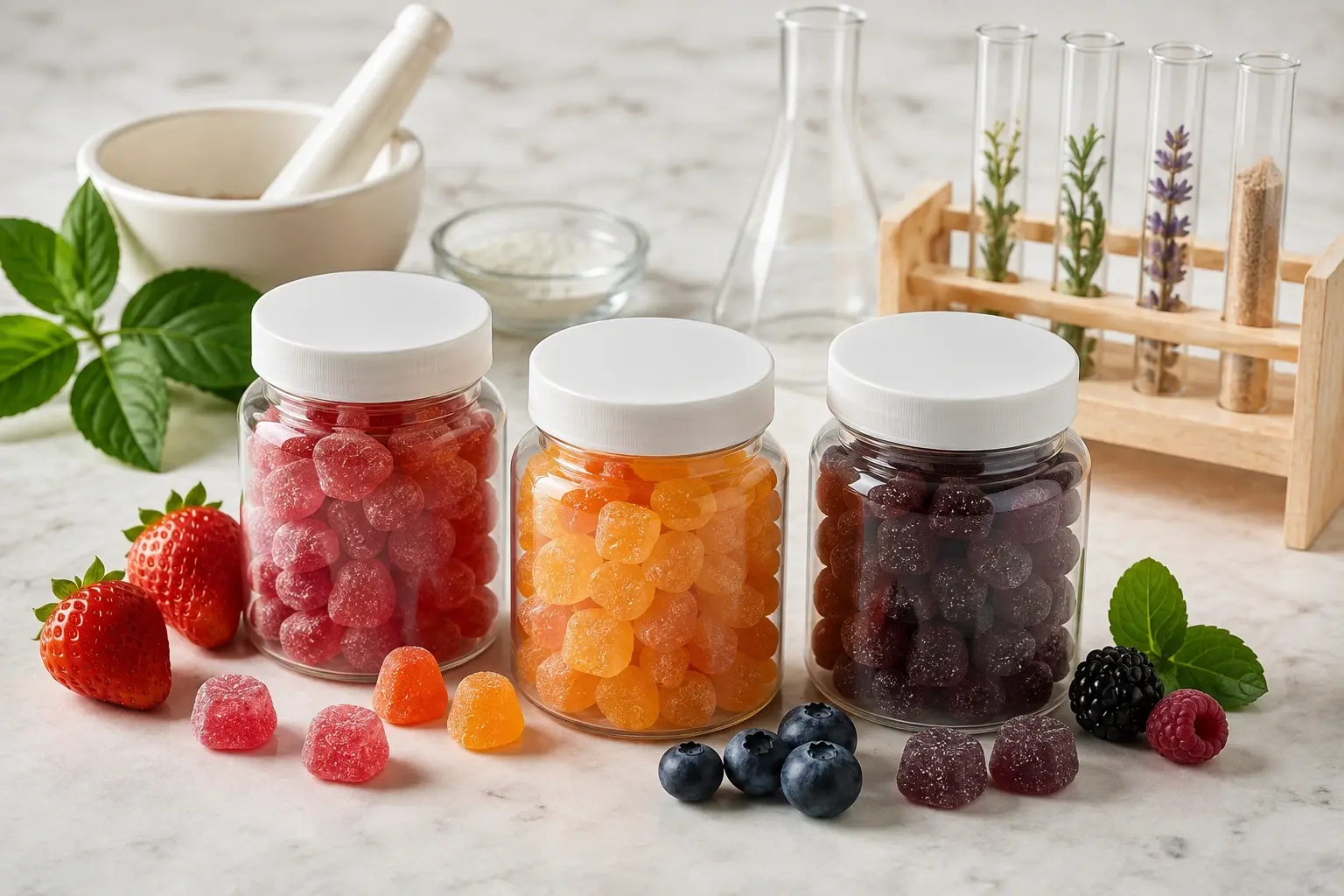
Un progetto di caramelle gommose può diventare un vero pasticcio ancor prima che qualcuno inizi a discutere sul gusto. Un'e-mail parla di caramelle gommose OEM. La fabbrica la interpreta come un'etichetta privata. Qualcuno inizia a preparare un campione con una base standard, mentre il marchio si aspettava che venisse seguita la sua formula. Questa piccola discrepanza può far perdere una settimana, a volte anche di più.
OEM, ODM e private label per le caramelle gommose sono semplicemente tre modi diversi di suddividere il lavoro. I nomi suonano ordinati su un preventivo. Nei progetti reali, però, stabiliscono chi fornisce la formula, chi risolve i problemi tecnici, chi detiene la proprietà dell'idea del prodotto e quanto margine di manovra ha il marchio per apportare modifiche in futuro.
Risposta breve: scegli le caramelle gommose OEM quando la formula e le specifiche sono già chiare; scegli le caramelle gommose ODM quando hai bisogno che il produttore ti aiuti a sviluppare la formula; scegli le caramelle gommose a marchio privato quando desideri un lancio più rapido del tuo marchio utilizzando un prodotto base supportato da un fornitore. Tutte e tre le opzioni possono funzionare. La scelta sbagliata diventa costosa solo quando le responsabilità non sono chiare.
Qual è la differenza pratica tra caramelle gommose OEM, ODM e a marchio privato?
Le caramelle gommose OEM partono dal lato del marchio. L'acquirente fornisce la formula, le specifiche, le indicazioni per il packaging o lo standard del prodotto finito e il produttore viene pagato per realizzarlo in modo ripetibile. L'ODM inizia prima. L'acquirente potrebbe avere solo un'idea di categoria, quindi la fabbrica aiuta a definire la formula e i dettagli del prodotto. Il private label si avvicina di più a un percorso preconfezionato, in cui il marchio utilizza una base supportata dal fornitore e costruisce l'etichetta, il packaging e la strategia di marketing attorno ad essa.
Un test rapido può essere d'aiuto. Se il tuo team è già in grado di rispondere a domande su dosaggio, ingredienti attivi, base gommosa, numero di flaconi e istruzioni per l'etichettatura, valuta la possibilità di diventare produttore OEM. Se invece riesci a descrivere l'acquirente e i benefici del prodotto, ma non la formula, valuta la possibilità di diventare produttore ODM. Se l'obiettivo principale è immettere rapidamente un prodotto di marca in un canale di distribuzione, la produzione a marchio privato potrebbe essere il primo passo meno problematico.
| Modello | Il miglior punto di partenza | controllo del marchio | velocità tipica | principale punto di osservazione |
| caramelle gommose OEM | Una formula finita o una specifica di prodotto rigorosa | Alto | Mezzo | Le memorie deboli creano ulteriori cicli di campionamento |
| caramelle gommose ODM | Un'idea di prodotto che necessita di essere definita tecnicamente. | Da medio ad alto | Mezzo | I diritti sulla formula dovrebbero essere discussi fin da subito |
| caramelle gommose a marchio privato | Un lancio del marchio con meno lavoro di sviluppo | Mezzo | Veloce | Il posizionamento deve svolgere un ruolo più importante |
| caramelle gommose personalizzate | Un prodotto di punta con una ragione d'essere ben precisa. | Molto alto | Più lentamente | Le prove e le decisioni non possono essere affrettate. |
Quando è più opportuno optare per la produzione OEM?
La produzione OEM è la soluzione ideale quando il marchio desidera che la fabbrica realizzi un prodotto già esistente, anziché inventarne uno nuovo. Ciò potrebbe significare convertire una capsula o una polvere già in commercio in una caramella gommosa, replicare una formula già di proprietà del marchio o produrre una caramella gommosa che deve corrispondere fedelmente alle specifiche di un rivenditore.
Questo approccio premia la precisione nei dettagli. La fabbrica ha bisogno dell'elenco degli ingredienti attivi, della porzione, della direzione del gusto, della base preferita, del numero di caramelle gommose, del formato (bottiglia o bustina), del mercato di riferimento, dei requisiti di etichettatura, delle aspettative in termini di test e della destinazione di spedizione. Se si lasciano questi dettagli in sospeso, questi verranno riproposti come domande di esempio, di solito quando tutti pensavano che il progetto fosse già a buon punto.
Per gli acquirenti che controllano questo percorso, il Pagina dedicata alla produzione OEM e ODM è la pagina interna più rilevante perché mostra come la formulazione, lo sviluppo dei campioni, la produzione e il controllo qualità si integrino in un unico flusso di lavoro produttivo.
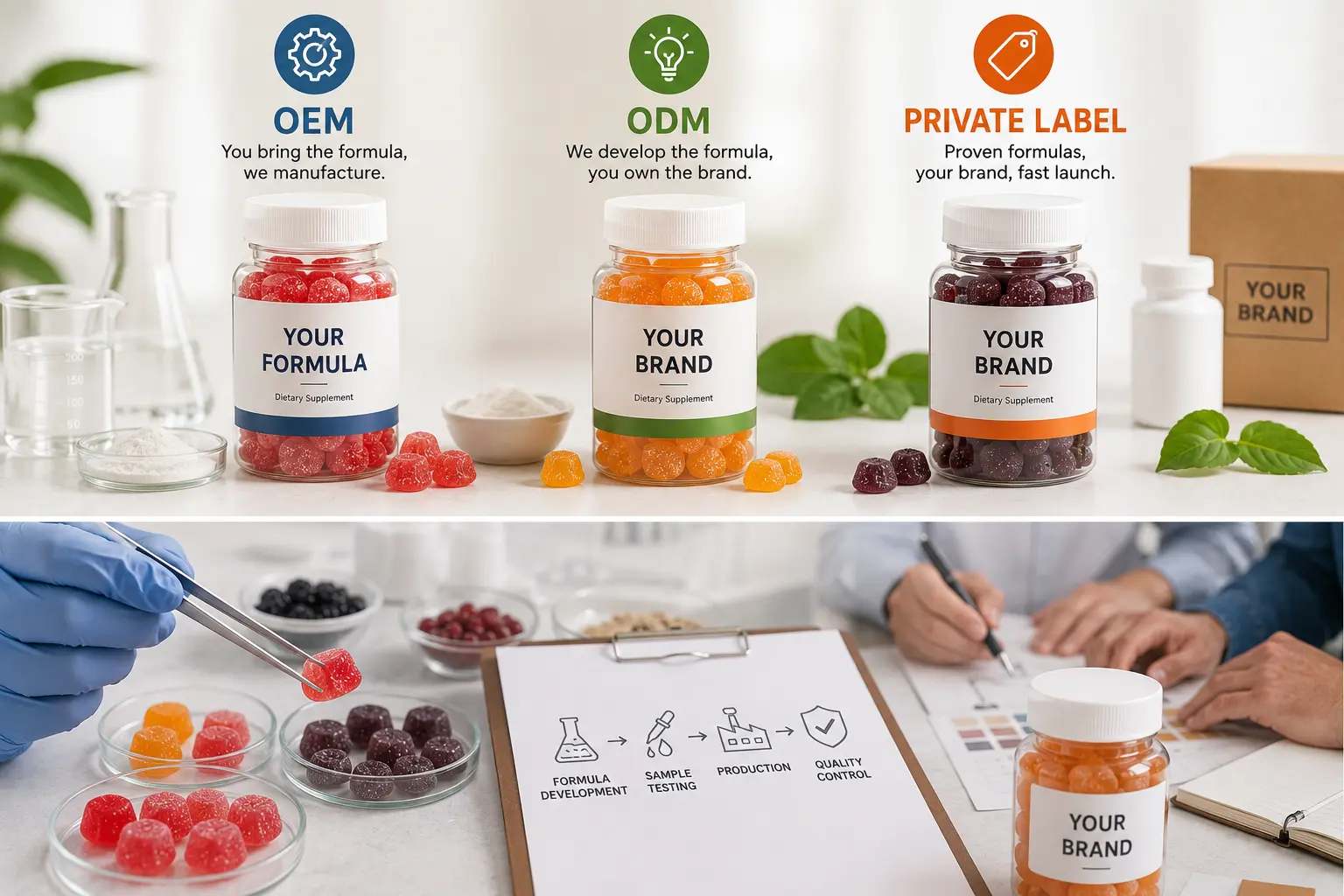
Quando la produzione su scala industriale (ODM) rappresenta la scelta migliore?
L'ODM funziona quando l'acquirente è in grado di descrivere l'opportunità, ma non il prodotto finito. Un marchio potrebbe desiderare una caramella gommosa per dormire, una per la bellezza, una alla creatina o una per il benessere femminile, e poi aver bisogno di aiuto per decidere quale miscela di principi attivi sia realistica, quanto se ne possa inserire in una singola porzione e quale sistema di aromatizzazione possa mascherare il retrogusto.
L'aspetto più utile dell'ODM non è solo la generazione di idee. È la memoria dello stabilimento. Un team che ha già lavorato su aspetti come la consistenza della pectina, l'amarezza botanica, i vincoli relativi all'assenza di zucchero o i principi attivi termosensibili può evitare all'acquirente di ripetere costosi errori.
In questo caso, la documentazione è fondamentale. Prima di procedere con l'assaggio, chiedete a chi appartiene la formula, se è prevista un'esclusiva, cosa può essere modificato in seguito e se lo stesso concetto di base può essere offerto ad altri clienti. Non sono domande di grande effetto, ma vale comunque la pena porle prima che il campione risulti perfetto.
Dove si colloca il private label?
Le caramelle gommose a marchio privato si collocano in una posizione intermedia. L'acquirente ottiene un prodotto con il proprio marchio, ma il punto di partenza è solitamente una formula o una base di prodotto supportata da un fornitore. Questo le rende interessanti per i venditori di Amazon, i team di TikTok Shop, i distributori e i marchi DTC (Direct-to-Consumer) che necessitano di un lancio iniziale controllato piuttosto che di un lungo progetto di sviluppo.
Anche un prodotto a marchio del distributore deve avere gusto. Non solo sapore, ma anche gusto. Il numero di flaconi, il tono dell'etichetta, il linguaggio utilizzato per le affermazioni, lo stile della confezione e la disposizione sugli scaffali possono far sembrare un prodotto di base standard un prodotto studiato nei minimi dettagli. Un'etichetta debole su una formula comune appare debole molto rapidamente quando i consumatori confrontano cinque prodotti simili sulla stessa pagina.
Canguro rosso Supporta progetti OEM, ODM e private label per le caramelle gommose, consentendo all'acquirente di iniziare con il modello di collaborazione prima di definire la formula e i dettagli del packaging.
Se la categoria è ancora aperta, sfoglia la categorie di prodotti gommosi Innanzitutto, è più facile indicare una direzione chiara per il prodotto piuttosto che cinque idee ancora in fase embrionale.
In che modo variano i costi e le tempistiche a seconda del modello?
La produzione a marchio privato spesso riduce i costi iniziali di sviluppo. La produzione OEM può essere efficiente se la formula è già definitiva. La produzione ODM può comportare costi iniziali più elevati perché la fabbrica contribuisce a definire il prodotto. Il preventivo più basso non sempre corrisponde al lancio più economico, soprattutto se comporta in seguito ulteriori cicli di campionatura, correzioni di etichette o modifiche al packaging.
La tempistica funziona allo stesso modo. Un campione rapido è utile solo se l'etichetta, l'imballaggio, i test e lo slot di produzione possono seguire. Un percorso personalizzato più lento può comunque essere la scelta commerciale migliore se evita rilavorazioni dopo che il prodotto ha raggiunto un rivenditore o un addetto alla revisione del mercato.
| zona di costo | OEM | ODM | Etichetta privata |
| Formula lavora | Luce se la formula è già bloccata | Più pesante perché la ricerca e sviluppo fa parte del lavoro | Solitamente più leggero con una base esistente |
| Campionamento | Veloci solo quando il brief è chiaro | Spesso sono necessari alcuni round | Di solito il percorso più veloce |
| Confezione | Flessibile, ma ogni dettaglio necessita di approvazione. | Il contributo dei fornitori può aiutare a evitare vicoli ciechi | Le bottiglie o le buste standard si vendono più velocemente |
| Revisione della conformità | Sia il marchio che la fabbrica hanno del lavoro da fare. | La direzione del reclamo dovrebbe essere verificata tempestivamente | Ancora legato al mercato delle destinazioni turistiche. |
| unicità a lungo termine | Forte quando la formula è protetta | Forte se i termini di proprietà sono chiari | Dipende maggiormente dal marchio e dall'adeguatezza al canale. |
Quali rischi bisogna verificare prima di firmare?
Il rischio OEM è legato alla deriva delle specifiche. Il rischio ODM è legato alla proprietà poco chiara. Il rischio di private label è legato all'omologazione. Si tratta di problemi diversi, quindi le domande di audit dovrebbero variare in base al modello.
Per gli OEM, è fondamentale definire la formula finale, lo standard del campione, il file di confezionamento, i requisiti di test e le aspettative relative alla registrazione del lotto. Per gli ODM, è necessario chiarire i diritti sulla formula e le modifiche future. Per i private label, è importante valutare quanto effettivamente può essere modificato: aroma, etichetta, numero di flaconi, dichiarazioni, confezionamento e, eventualmente, consistenza. In questo modo, una base standard eviterà di apparire come una copia di tutto il resto della categoria.
Una pagina di categoria come la Pagina del produttore OEM di caramelle gommose proteiche al siero di latte mostra come una singola direzione di prodotto può essere documentata prima dell'inizio della produzione. Per informazioni sullo stato della fabbrica, Informazioni sul canguro rosso Questa pagina rappresenta una prima schermata utile prima di richiedere certificati specifici del progetto o documenti di rilascio.
Come dovrebbe scegliere il tuo marchio?
Scegli OEM se il prodotto è già definito e il controllo è fondamentale. Scegli ODM se l'idea è promettente ma necessita ancora di sviluppo tecnico. Scegli private label se velocità, test di canale e un primo ordine più semplice sono più importanti del controllo di ogni dettaglio fin dal primo giorno.
Quindi, annota cosa deve rimanere valido anche dopo il primo ordine. Forse la formula deve appartenere al marchio. Forse il riordino deve essere rapido. Forse la storia del prodotto deve essere difficile da copiare per i concorrenti. Questa seconda risposta è spesso più utile della prima.
Se la scelta è ancora incerta, iniziate con la versione meno rischiosa del prodotto. Testate il mercato, mantenete in ordine il file di produzione e ampliate la formula o il packaging solo dopo aver ottenuto i primi dati di vendita reali.