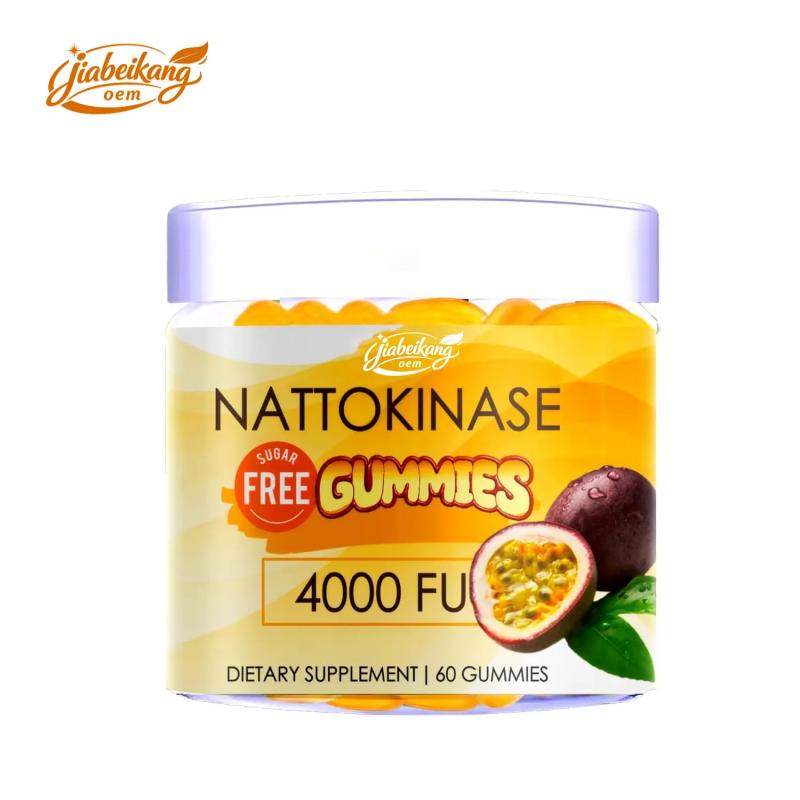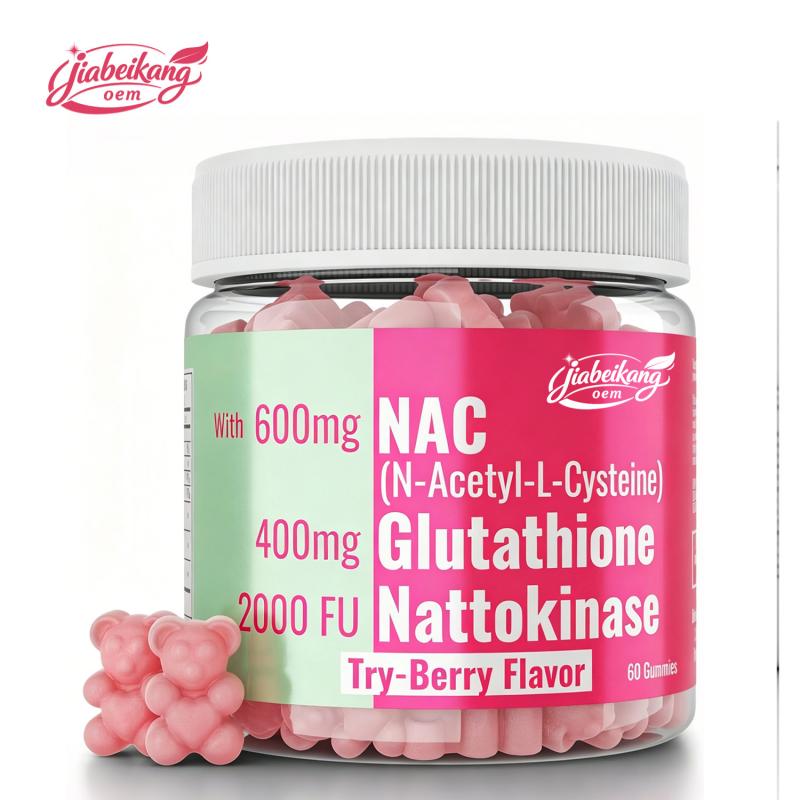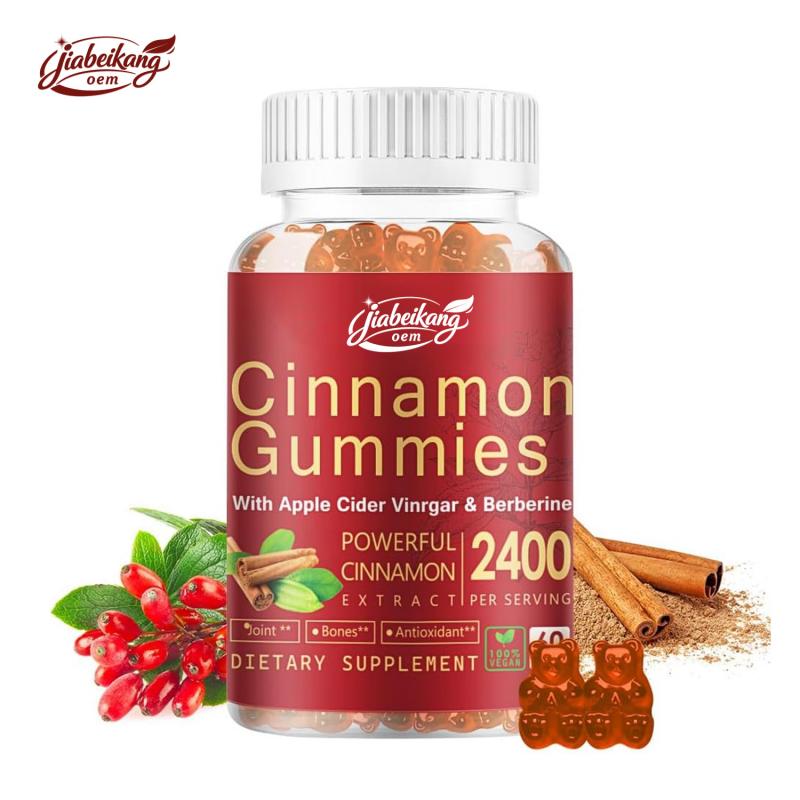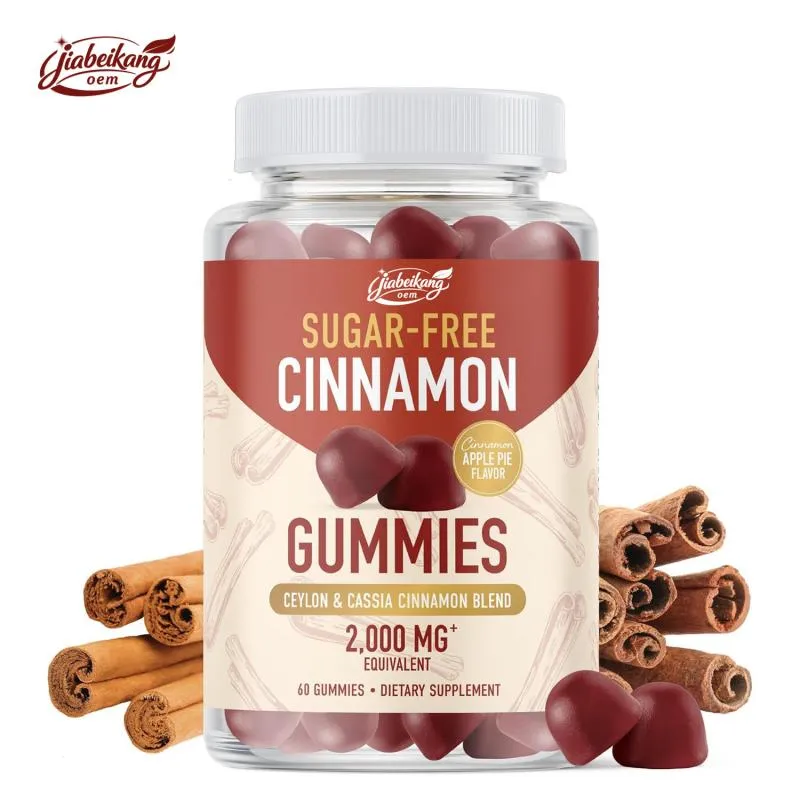




A brand may begin a gummy project with a simple picture: sixty gummies in a familiar bottle, two gummies per day and a thirty-day supply. It looks like a packaging decision that can wait until the formula is finished.
In practice, those numbers are connected to almost every important part of development. The amount of active ingredients influences how much material has to fit into each gummy. Piece weight and shape determine how many gummies fit in a container. Daily serving size changes the consumer experience, the Supplement Facts panel, cost per serving and the number of days the bottle lasts.
If formula, serving and package are planned in separate meetings, the project can reach artwork approval with a basic physical problem: the gummies do not fit the bottle, the dose requires too many pieces, or the label promises a monthly supply that the count cannot support.
Planning the system together early is much cheaper than solving it after packaging has been printed.

Begin with the dose, not the bottle
The first question is what the product is intended to provide per daily serving in the target market. That is different from asking how much of each ingredient sounds attractive in advertising.
The formulation team has to consider the amount and form of every active, its taste, solubility, stability and compatibility with the gummy matrix. Some vitamins can be incorporated at relatively small quantities. Minerals, plant powders, proteins and certain branded ingredients may create much larger physical loads or stronger flavor challenges.
The declared amount per serving is then divided across the proposed number of gummies. If a formula cannot fit comfortably into two pieces without damaging texture or taste, the options are real tradeoffs: increase piece size, increase pieces per serving, reduce or change the active blend, or use a different dosage form.
This is why copying a competitor’s “two gummies daily” instruction before feasibility work is risky. The front label may look similar, while the ingredient forms and physical formula behave very differently.
Define a serving the customer will actually use
The technically possible serving is not always the commercially sensible serving. Think about the product in a real routine. Will the target customer take one, two, three or four gummies every day? Is the flavor pleasant enough across the full serving? Is the piece easy to chew for the intended age group?
More pieces can create room for the formula, but they also change perceived convenience and cost per day. A larger gummy may reduce the piece count, but can feel awkward and may limit the choice of bottle neck or pouch. Smaller pieces can look elegant, yet may force a higher daily count.
The serving also affects sweetness, acids and total calories or sugars consumed. A single gummy tasted during sampling may seem balanced; three in a row may feel much more intense. Evaluate the complete proposed serving during every sensory review.
For products intended for families or children, obtain appropriate regulatory guidance on age ranges, ingredient suitability and directions. A serving should never be designed by simply scaling down an adult concept.
Translate serving size into count and supply length
Once the daily serving is realistic, the count per container becomes simple arithmetic—but the commercial meaning deserves attention.
A bottle with 60 gummies provides:
- 60 days at one gummy per day;
- 30 days at two gummies per day;
- 20 days at three gummies per day;
- 15 days at four gummies per day.
Those are four very different products from the consumer’s point of view. Price comparison often happens by bottle, while repeat purchase happens by day. Brands should calculate cost per serving and cost per day, not only unit cost per bottle.
Supply length also influences subscriptions and reorder timing. A 30-day bottle fits a monthly routine neatly. A 20-day supply may create an unusual reorder interval unless the sales model accounts for it. A 90-count bottle may offer better perceived value but increase package size, product weight and cash tied up in each finished unit.
Choose the count because it supports the product strategy, not because it is common in a packaging catalogue.

Piece weight changes the package calculation
Two gummies with the same outline can have different weights because of thickness, formulation and moisture. Two formulas at the same weight can pack differently because one surface is coated and another is oiled. The bottle fit calculation therefore needs production-relevant physical data, not a guess from a photograph.
Ask the manufacturer for the target piece weight, dimensions and expected tolerance. Multiply the nominal weight by the count to estimate net contents, then allow for normal variation and any regulatory rules that apply to declared quantity.
Volume matters just as much as weight. Gummies do not stack perfectly. Shape, friction and orientation create empty spaces between pieces. Bear shapes, domes, rings and custom molds settle differently. A simple water-volume calculation cannot fully predict the way finished gummies occupy a bottle.
The most reliable check is a fill trial using gummies that are representative of commercial production and the actual container, closure and induction seal combination.
Compare bottles by more than capacity
The same nominal-capacity bottle can have a different neck size, wall shape, base, resin weight and closure system. Those differences affect how the pack looks, runs on the line and survives shipping.
Review container material, light protection, neck opening, closure and liner compatibility, seal clearance, label area, case packing and packaging MOQ. Include any desiccant or insert in the physical fit test. A premium heavy bottle may support the brand image but increase freight, while a stock bottle can reduce lead time and inventory commitment.
The right package protects the product and fits the operating plan. Appearance is one part of that decision, not the entire decision.
Make sure the label has enough room
Bottle selection determines the printable area. Before ordering labels, place a draft Supplement Facts or nutrition panel, ingredient list, warnings, directions, net quantity, business information, lot and date area, barcode and required market statements into the available space.
This rough layout does not need final design. It is a geometry check. A narrow bottle that looks good in a rendering may force text below a readable size or leave no room for multilingual information. Increasing the bottle count later may also change net contents and directions, which means revising artwork that was thought to be finished.
For brands selling in several markets, decide whether one label can legally and practically serve them all. Different languages and regulatory formats can change the required panel area. A fold-out label or carton may solve space problems, but adds cost and production steps.
 Red Kangaroo gummy supplement bottle” style=”width:100%;height:auto” loading=”lazy”>
Lock the system before printed packaging
Before approving label production, confirm one shared set of numbers:
- active amounts per serving;
- gummies per serving;
- target piece weight and dimensions;
- gummies per container;
- days of supply;
- net quantity statement;
- bottle, closure, liner and any insert;
- label dimensions and final information panel;
- finished-product specification and acceptable tolerances.
The formula document, purchase order, packaging specification and artwork should all reflect the same decisions. If one item changes, review the others before moving forward.
Keep a fully assembled approval sample: filled bottle, closure, seal, label and gummies. A digital mockup cannot show label lifting, scuffing, rattling, headspace or opening experience. The physical pack becomes a useful reference for incoming packaging and first production.
Veelgestelde vragen
Is 60 gummies always a 30-day supply?
No. It is a 30-day supply only when the label-directed serving is two gummies per day. The count and directions must be read together.
Can we choose the bottle before formula development?
You can choose a preferred direction, but avoid committing to large quantities until piece weight, count and representative fill have been confirmed. Formula feasibility may change the physical pack.
Can we reduce bottle size by making the gummies smaller?
Possibly, but a smaller piece holds less formula. Maintaining the same dose may require more gummies per serving or changes to the formulation. It is not only a tooling decision.
Treat formula and packaging as one product
A finished gummy supplement is a system. The dose has to fit the piece, the daily serving has to fit the customer’s routine, the count has to support the promised supply length and the full quantity has to fit a protective, manufacturable package.
When these decisions are made together, quotations become easier to compare, samples become easier to judge and artwork is less likely to require an expensive restart. Red Kangaroo supports private label brands from formula discussion and gummy sampling through packaging coordination and production planning. Bringing the serving, count and bottle questions into the first conversation is one of the simplest ways to build a more realistic project.