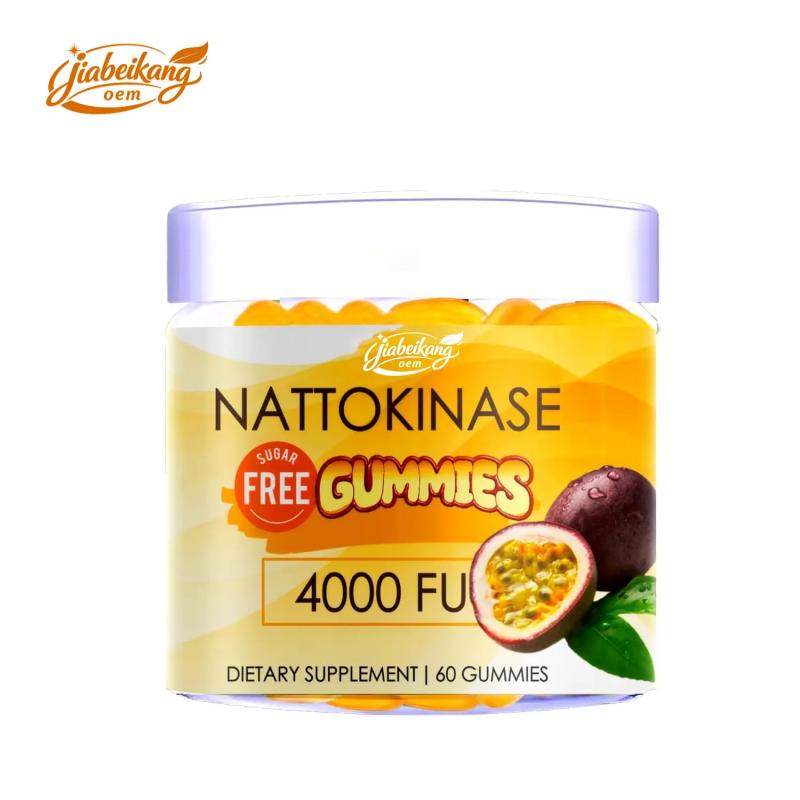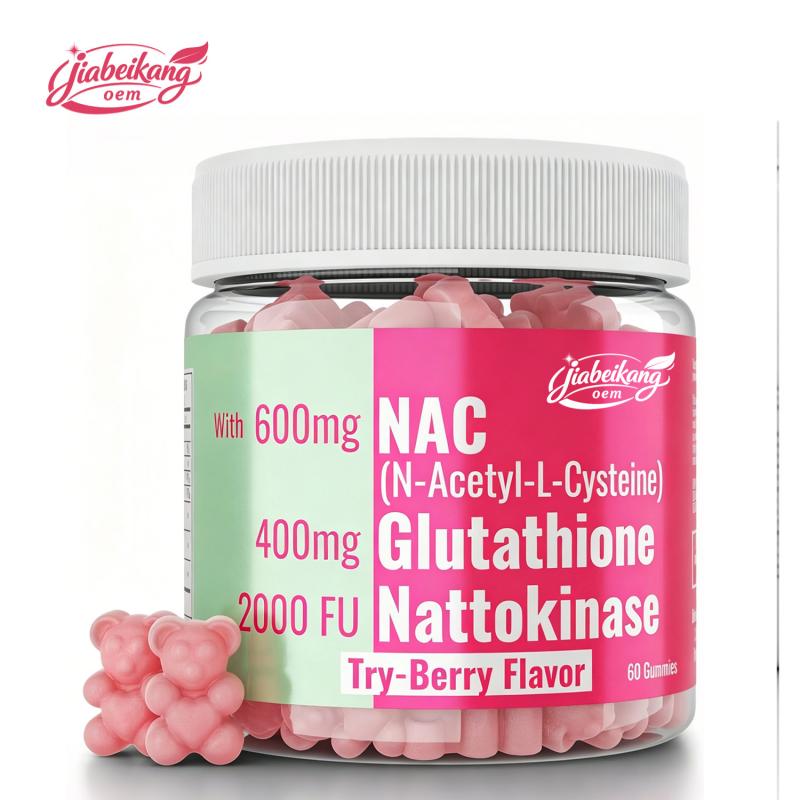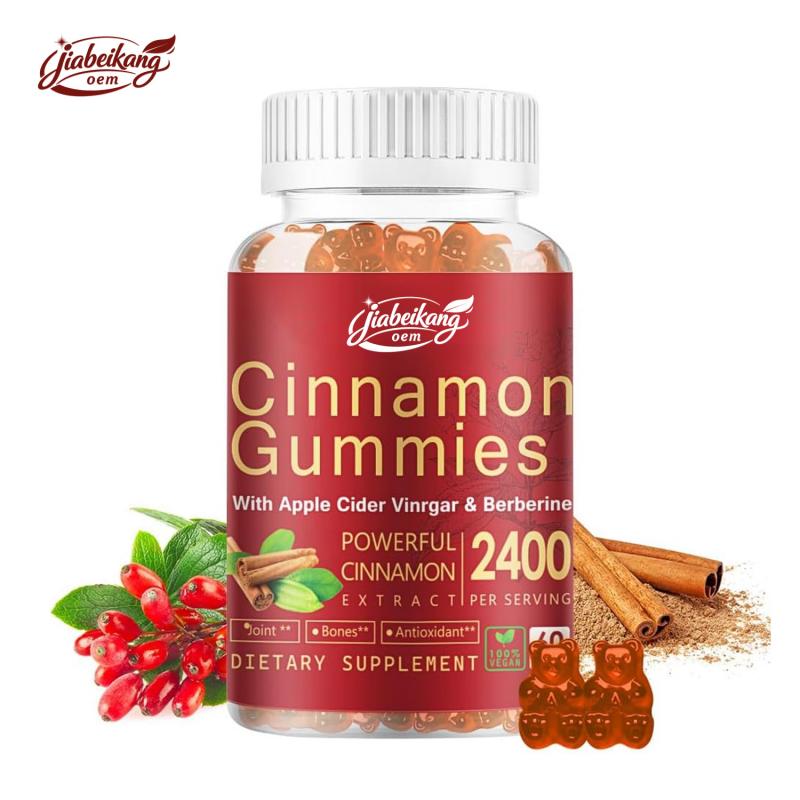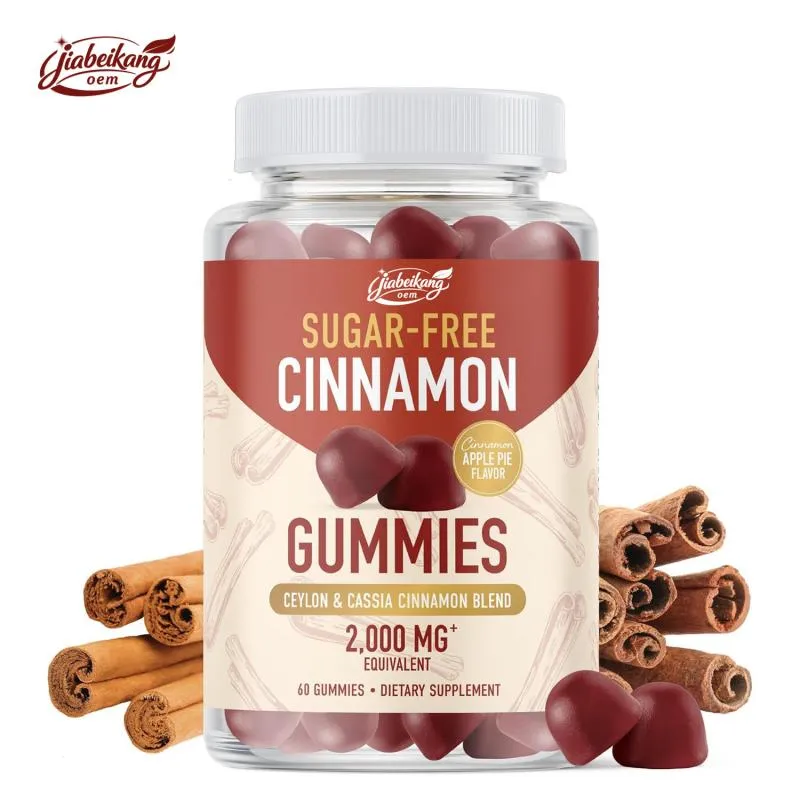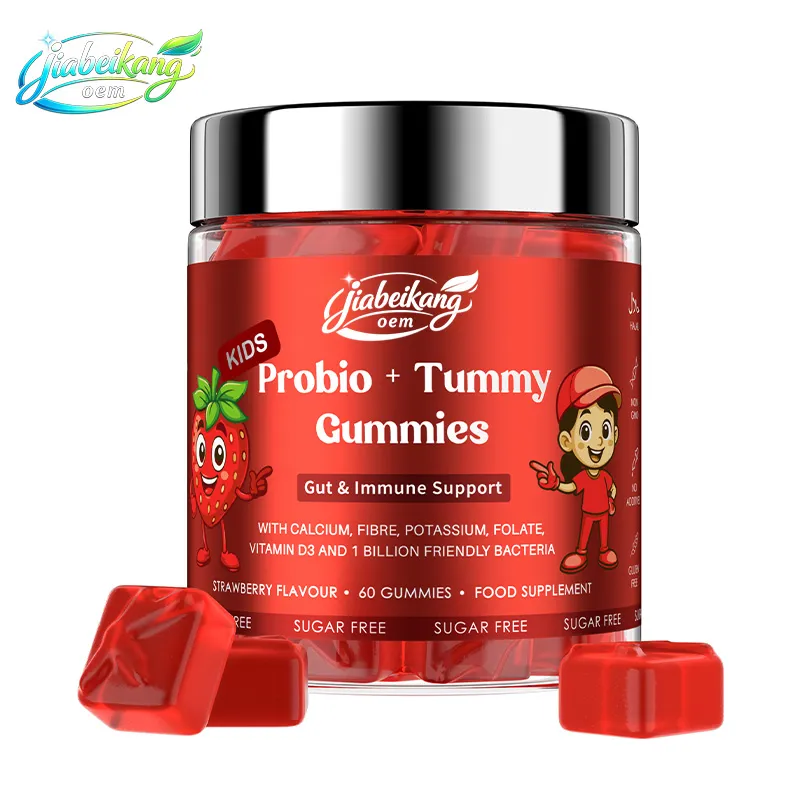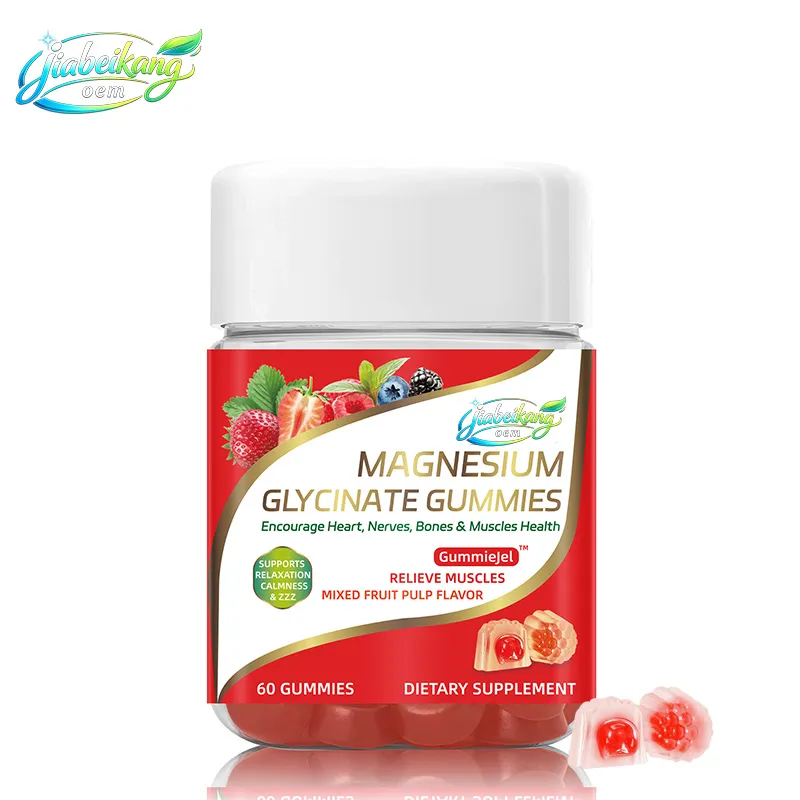




The first flavor sells, reviews are positive and the team starts hearing requests for something new. Peach might reach a different customer. Mixed berry could feel more premium. Watermelon could create a summer campaign. A flavor extension appears to be one of the easiest ways to grow a gummy line without developing a completely new product.
It can be—but it is not a free variation.
Each flavor becomes a separate SKU with its own demand, artwork, packaging inventory, production plan and quality reference. Even when the active formula stays the same, flavor oils, acids and colors can change taste masking, texture and stability. Three flavors do not simply create three times the choice; they create three forecasts that can be wrong in different directions.
The goal is not to avoid variety. It is to introduce variety at a pace the brand and manufacturing system can support.
Be clear about the job of the new flavor
“Customers like new things” is not yet a launch reason. Decide what the extension is expected to do.
It might attract a group that dislikes the original flavor, give retailers a second option, create social content, support a seasonal promotion or improve repeat purchase among existing customers. Those goals lead to different plans. A permanent retail SKU needs reliable year-round demand. A limited seasonal run needs a realistic sell-through window and packaging that will not remain after the campaign.
Review the evidence behind the idea. Useful signals include customer-service messages, product reviews, repeat-purchase data, retailer feedback, search terms and small preference surveys. Social-media enthusiasm is valuable, but comments do not always translate into full-price orders.
Write a one-sentence role for the flavor: “This is a permanent alternative for customers who find the original citrus profile too sharp,” for example. If the team cannot define its role, the new SKU may be solving internal boredom rather than a market need.
Decide what must stay identical
The cleanest flavor extension normally preserves the core promise. Active ingredients, amount per serving, gummy count, piece weight and base remain consistent while the sensory profile changes. That keeps customer understanding and operational planning simpler.
Still, “same formula, different flavor” needs technical confirmation. A flavor system can contain carriers or solvents. Different acids change the first taste and can interact with the gel structure. Natural colors may behave differently with light, heat and the formula’s pH. A botanical note that disappears under berry may be obvious under peach.
Create two lists before sampling:
- locked characteristics: actives, serving size, base, shape, coating and target texture;
- adjustable characteristics: flavor direction, sweetness, acidity, aroma and color within an agreed range.
This tells the development team where it has freedom and prevents the extension from quietly becoming a new formulation project.
Sample the extension against the original
Never evaluate the new flavor in isolation. Place a current production sample of the original beside it and compare the complete serving.
The extension does not have to taste identical in sweetness or acidity, but quality should feel comparable. Check first bite, mid-chew active notes, aftertaste, texture, aroma and appearance. If the new flavor needs much more acid or a heavy coating to work, investigate the effect on moisture and stability before approval.
Use coded samples and collect individual scores before group discussion. Ask whether the new option is genuinely different, whether it suits the product’s user and whether reviewers would choose it for reasons beyond novelty.
Keep the approved reference sealed and record the sample code. Flavor descriptions such as “more natural” or “more juicy” are useful only when connected to a physical sample the manufacturer can reproduce.
Build the MOQ around realistic demand
A manufacturer’s minimum order quantity is only one part of the commitment. The finished-product MOQ may differ from the minimums for printed labels, cartons, pouches, custom bottles or flavor materials.
Ask for a component-level picture:
- minimum finished units per flavor;
- minimum label or pouch quantity per artwork;
- flavor and color purchasing constraints;
- carton quantities and case configuration;
- lead time for repeat orders;
- shelf-life and storage assumptions;
- whether production can be scheduled near the original SKU.
Then create a conservative demand scenario. If the original sells 2,000 bottles per month, it does not follow that two flavors will each sell 2,000. The new flavor may shift purchases rather than add them. Model total category growth and cannibalization separately.
A useful starting question is: if the extension sells at half the expected rate, how many months of stock will remain? If that answer is uncomfortable, reduce the first commitment, simplify the packaging or test demand in a narrower channel.
Share components where it makes sense
Common packaging can reduce risk. The same bottle, closure, seal, case and perhaps base label material may serve several flavors, with differentiation handled through a smaller printed label run. This approach can make purchasing and line setup easier.
But shared components should not make fulfillment confusing. Each finished SKU needs a distinct barcode, product identifier and clear visual cue. Outer cases must be labeled accurately, especially when gummies look similar through a clear container.
Flexible packaging artwork is helpful only if it remains compliant and legible. Do not leave regulatory statements or variable product information to improvised stickers without review. The brand’s labeling professional should confirm the final approach for every market.
Where possible, delay the most flavor-specific packaging commitment until sensory approval and demand confirmation. A warehouse full of printed pouches can turn a small formula adjustment into a costly problem.
Plan production without assuming perfect splits
Equal flavor quantities look tidy on a purchase order, but customers rarely buy in equal proportions. Use evidence to set the mix. The original flavor may deserve 60 percent of inventory, the strongest extension 30 percent and an experimental option 10 percent—or a different split entirely.
Discuss whether flavors can be produced in one campaign and what cleaning or changeover requirements apply. Scheduling adjacent runs may improve efficiency, but the manufacturer must protect traceability and prevent mix-ups. Every flavor needs its own batch records and finished-product checks.
Also plan what happens if one flavor is delayed. Can the original ship first? Are cartons or promotional bundles dependent on all variants arriving together? A variety pack creates another assembly operation and can hold back sellable stock if one component is missing.
Set a decision date before launch
Every extension should have a review point. Choose a date based on lead time and expected rate of sale—perhaps after the first eight to twelve weeks—and agree on the questions in advance.
Is the new flavor bringing new customers? Does it improve repeat purchase? Is it selling without constant discounts? How much packaging stock remains? The brand may keep it permanent, move it to seasonal status, restrict it to one channel or revise the next forecast. Make that choice before the reorder deadline.
A controlled flavor-extension sequence
A practical launch can follow this order:
- define the commercial role and demand evidence;
- lock the unchanged formula and physical requirements;
- shortlist two or three distinct flavor directions;
- sample against the original and approve a coded reference;
- review stability, color and packaging compatibility;
- calculate finished-goods and component MOQs;
- choose the first-run mix using a downside forecast;
- finalize compliant artwork and SKU identification;
- launch in selected channels;
- review sell-through before reordering.
This sequence keeps flavor excitement connected to operational reality.
Veelgestelde vragen
Can we use the same Supplement Facts panel for every flavor?
Only if the formulas and applicable labeling details genuinely support it. Flavor and color systems can change the other-ingredient list, allergen considerations or other required information. Review each SKU separately.
Should a new flavor have the same color as the original?
Not necessarily. Color should support flavor expectation and portfolio recognition while remaining stable and suitable for the target market. Distinction can help, but technical feasibility comes first.
When should packaging be ordered?
Confirm the approved sample, formula details, count, container fit and final label review before making a large flavor-specific packaging commitment. Lead times still need planning, but premature printing creates avoidable risk.
Add choice without losing control
A well-planned flavor extension can make an established gummy feel new, answer real customer feedback and create another reason to reorder. The opportunity is strongest when the new SKU has a clear role and the inventory model remains conservative.
Red Kangaroo can support brands with custom flavor development, sample iterations, packaging coordination and private label gummy production. Start with the customer reason, then connect sensory work to MOQ, components, production and sell-through. That is how a flavor becomes a useful extension rather than a colorful pile of slow-moving stock.