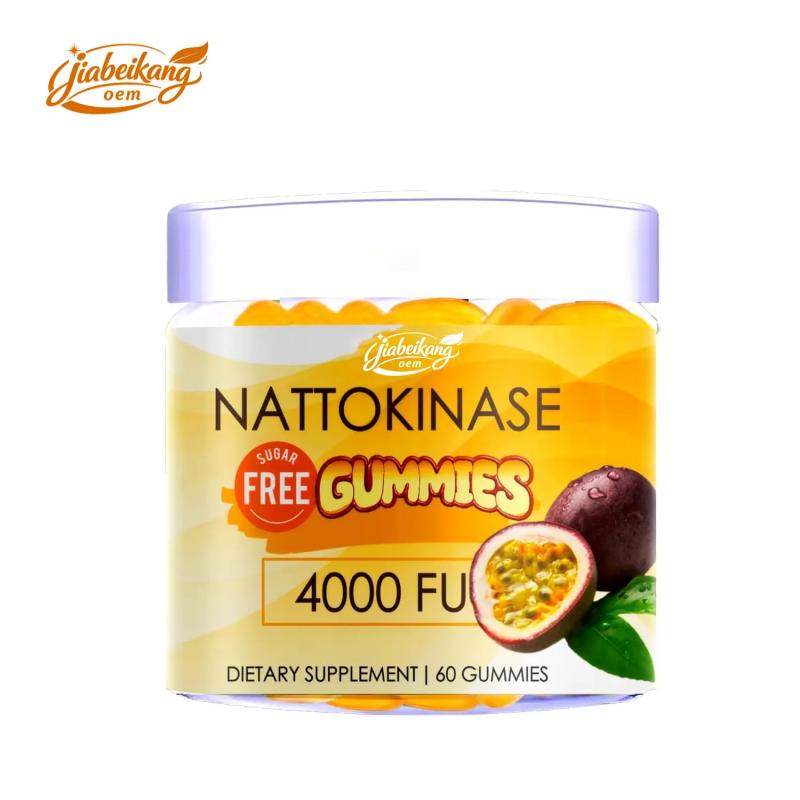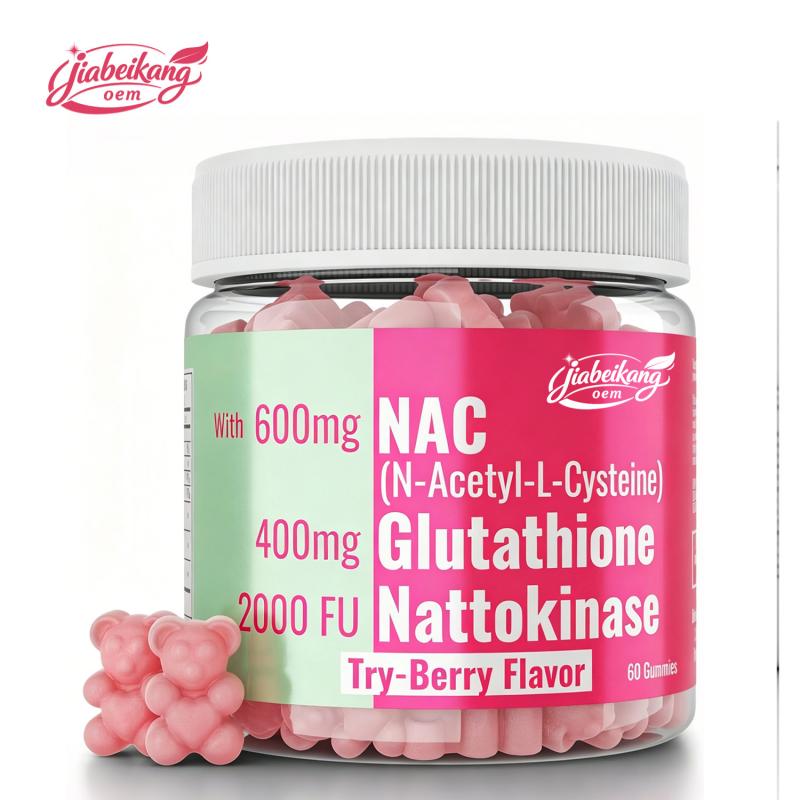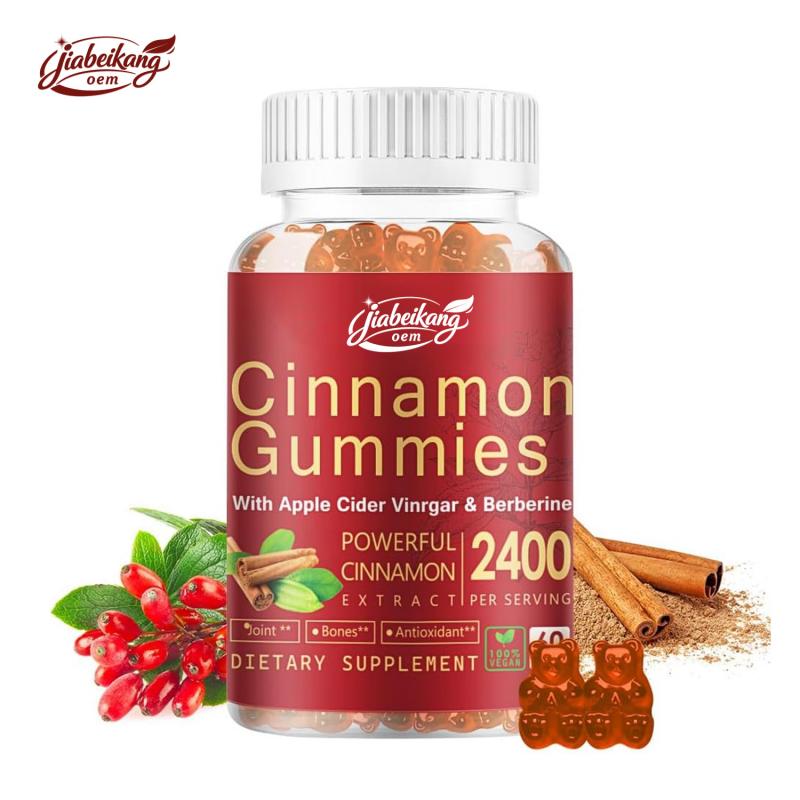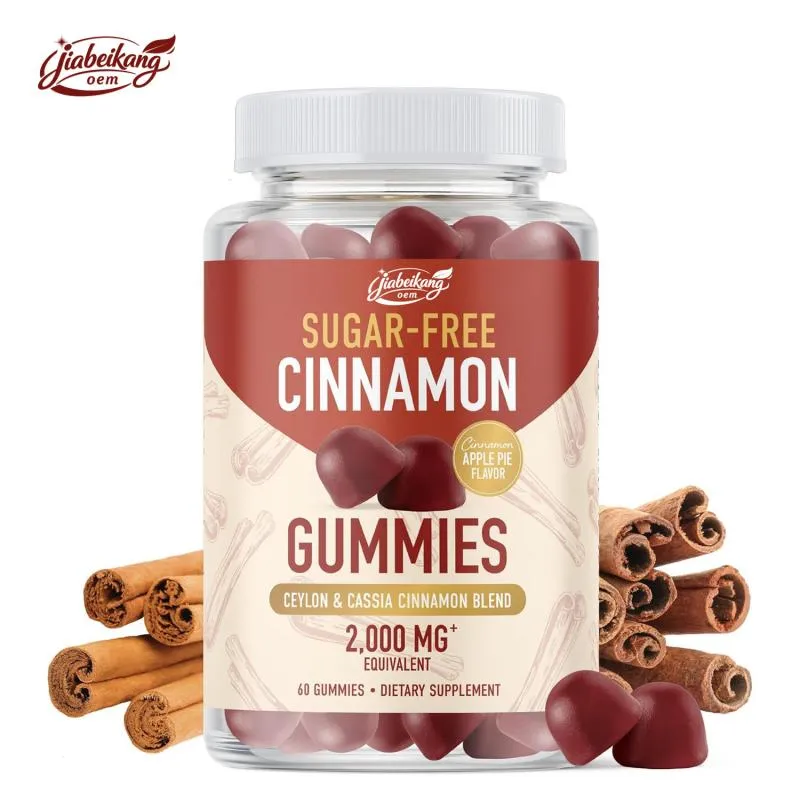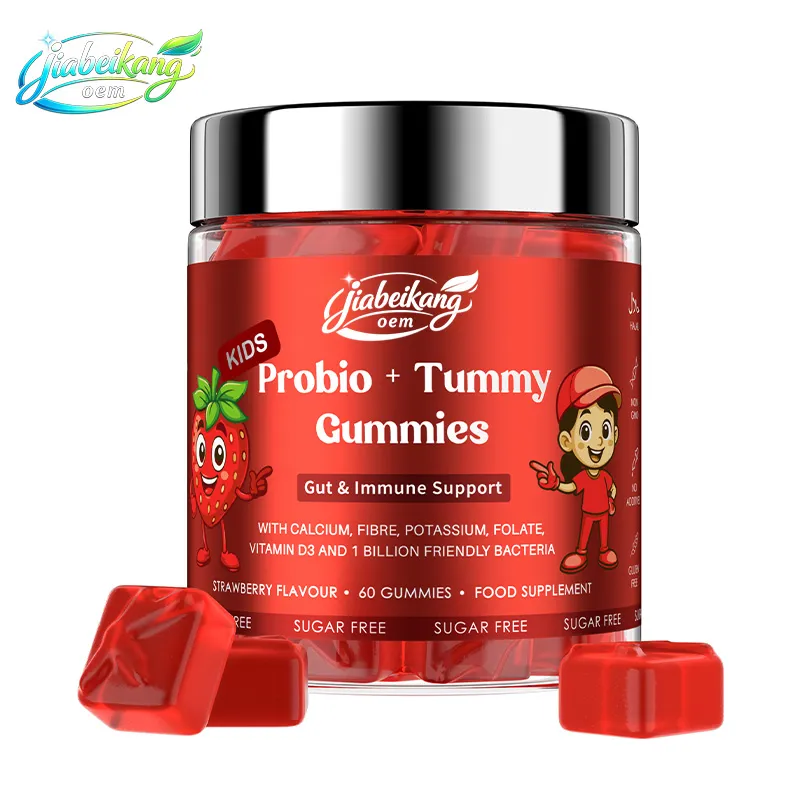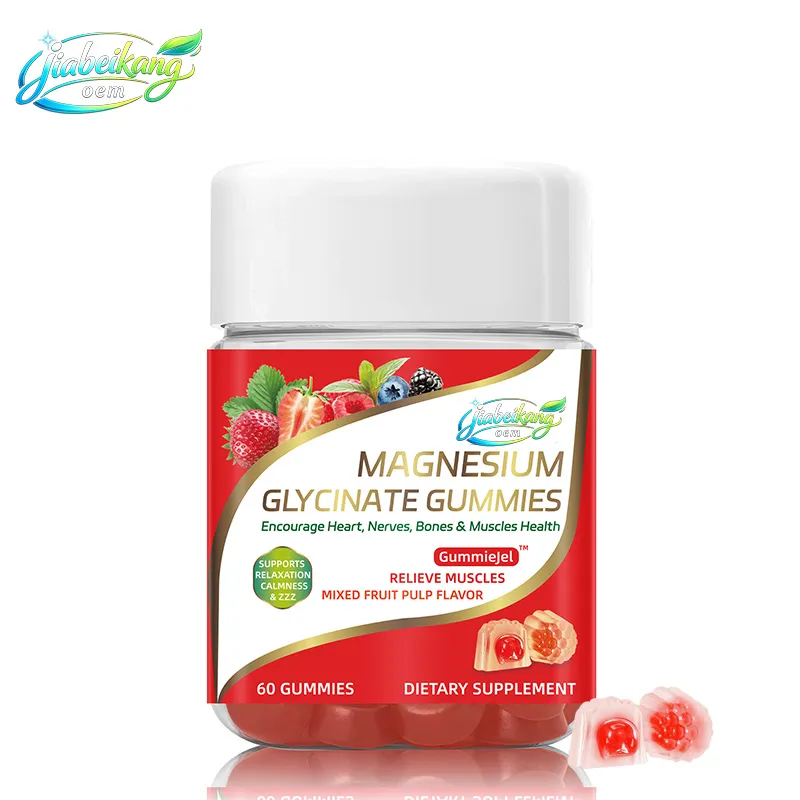




Flavor is often described as a final customization choice: strawberry, orange, berry or lemon. In a supplement gummy, it is more accurate to treat flavor as part of the technical system. Minerals, amino acids, botanical extracts and other active materials can change taste, aroma, color and texture before a flavor house or formulator begins balancing the sample. A successful flavor direction does not simply smell pleasant when the bottle is opened. It must work through the entire chew, control the aftertaste and remain acceptable as the product ages in its intended packaging.
Begin by describing the active ingredient
Two raw materials carrying the same common name may not taste identical. Source, concentration, carrier, particle size and processing can change the sensory profile. One mineral can feel metallic and drying, while an amino acid may be sharply bitter. A botanical extract can add earthiness, astringency or a lingering aroma. The formulator needs the exact ingredient specification and planned amount. Testing a generic substitute may produce a sample that cannot be reproduced with the commercial raw material. Useful questions include:
- Is the ingredient water soluble, dispersible or oil based?
- Does it have a strong odor before processing?
- Is the taste immediate or delayed?
- Does it create mouth-drying astringency?
- Is the color stable at the formula’s expected pH?
- Does the supplier use a carrier or processing aid?
These details help explain which sensory tools may be appropriate.
Flavor cannot be separated from serving size
The requested amount per serving determines the challenge. If the full serving is divided across four pieces, each gummy may carry less of the difficult ingredient than a two-piece serving. That can improve taste but changes bottle count, cost and daily convenience. Brands should decide which variable has priority: a high active amount, a small serving, a compact gummy, a low-sugar target or a mild flavor. It may not be possible to maximize all of them at once. A sensory sample should always be reviewed with the proposed serving in mind. One gummy may taste acceptable, while the complete four-piece serving may become tiring or leave a stronger aftertaste.
Sweetness, acidity and aroma perform different jobs
Sweetness can reduce the perception of bitterness, but it does not erase every off-note. Acids add brightness and can make fruit flavors feel more recognizable. Aroma shapes the first impression and can direct the consumer toward a familiar flavor association. The three elements must be balanced. Too much acid can create an aggressive sour taste and may affect the gelling system. Too much sweetness can feel heavy and influence nutrition labeling. A powerful aroma can seem artificial or disappear quickly while the active ingredient remains. The aim is not to make the formula overwhelmingly sweet. It is to create a coherent flavor curve from the first bite through the finish.
Choose flavors that cooperate with the off-note
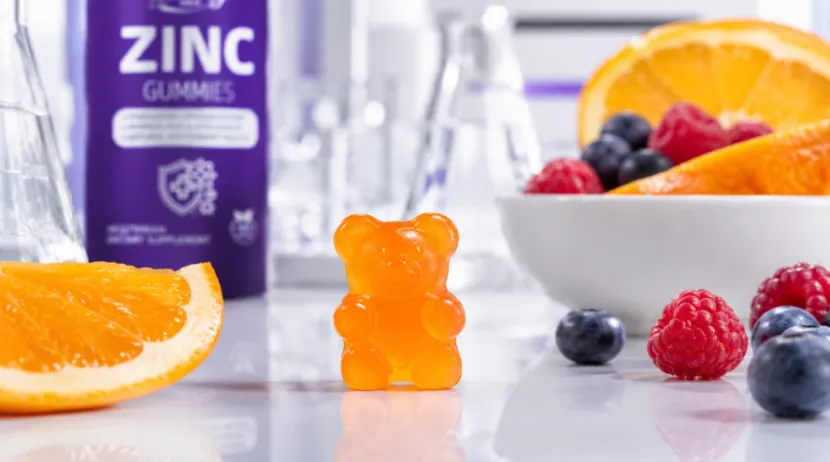
Some flavor profiles work better with specific challenges. Citrus may complement acidity and certain mineral notes. Dark berry profiles can support naturally colored botanical formulas. Tropical or spice notes may integrate aromas that are difficult to hide under a delicate flavor. That does not mean there is a universal chart matching each ingredient to one flavor. The complete matrix and target market matter. Consumer expectations for sweetness and sourness differ, and a flavor familiar in one country may not communicate the same way in another. Instead of asking for “the strongest flavor,” ask for two or three directions that use different strategies. A comparative sample round often reveals whether the brand prefers freshness, sweetness, authenticity or maximum masking.
Aftertaste deserves its own score
Teams frequently rate the first bite and texture but forget to observe the product 30 to 60 seconds later. Bitterness can build during chewing or remain after swallowing. Metallic notes may become more obvious once the fruit aroma fades. A practical scorecard can separate:
- aroma on opening;
- first taste;
- flavor during chewing;
- texture and grittiness;
- finish immediately after swallowing;
- aftertaste after one minute;
- experience after the complete serving.
Reviewers should use the same sample order and drink plain water between versions. Recording specific observations is more useful than writing only “good” or “bad.”
Texture can amplify flavor problems
Grittiness, dryness and excessive firmness can make a mineral formula feel harsher. A gummy that sticks to the teeth extends contact time and may prolong bitterness. A powder that is poorly dispersed can create concentrated pockets of flavor. This is why sensory review should include appearance and texture. Flavor adjustments alone may not solve a problem caused by particle size, moisture balance or gel structure. An ingredient source with improved dispersibility or a revised piece weight may produce a bigger improvement than another layer of aroma.
Color sets an expectation before the first bite
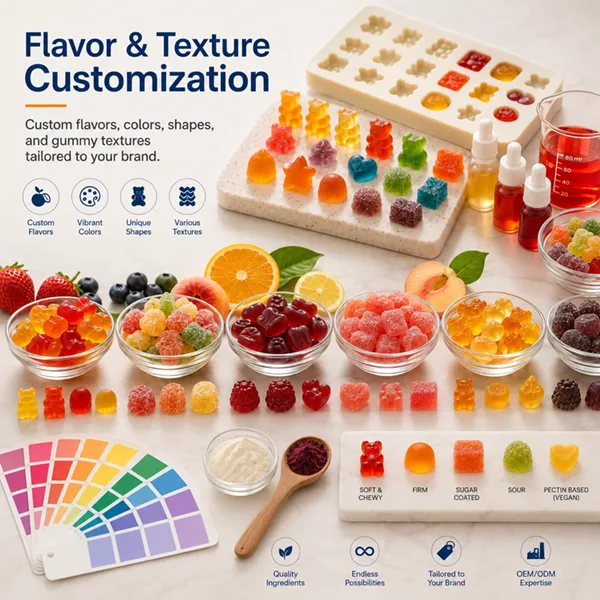
Consumers often predict flavor from color. A pale yellow gummy suggests citrus or tropical notes, while purple suggests berry. If color and flavor disagree, the sample can seem confusing even when the formula is technically acceptable. Active ingredients can limit color choices. Botanical extracts may darken the base. Minerals can create opacity. Natural colors may shift with pH, processing and time. A brand requesting a very light or transparent appearance should disclose that priority early. Color stability also belongs in the stability plan. The attractive shade approved at the sample stage should be checked in the final package under expected storage conditions.

Sugar-free and reduced-sugar targets change the toolbox
Sugar contributes more than sweetness. It influences solids, water activity, texture and the overall flavor profile. Replacing it can change cooling sensation, aftertaste and digestive tolerance depending on the chosen sweetener system. Brands should not assume that a sugar-free version will taste exactly like an existing sugar-containing sample. It is a separate formulation project. Label terminology must also match the rules of the destination market; marketing language should not be selected before the formula and nutrition data are confirmed.
Stability can change a flavor that passed sampling
Fresh gummies can taste different after weeks or months. Volatile aromas may decline. Oxidation can introduce new notes. Moisture movement can change texture and the release of flavor during chewing. The final flavor system should be evaluated in the commercial formula, coating and packaging. A sample stored in a sealed laboratory pouch for several days does not establish long-term performance. Brands should agree with the manufacturer on stability checkpoints and acceptance criteria for appearance, odor, taste, texture and relevant analytical results.
Build a useful approval group
Too many unstructured opinions can slow a project. Select a small group that understands the target consumer and uses a consistent scorecard. Include decision-makers early so that an approved direction is not reopened after packaging work begins. Do not ask reviewers to choose only a favorite. Ask why they prefer it, which off-note remains and whether they would comfortably use the complete serving. Those answers give the formulator something actionable.
Veelgestelde vragen
Can bitterness be completely removed?
Not always. Some formulas can be substantially improved, but ingredient load and aftertaste may impose a practical limit. The goal should be an acceptable, repeatable consumer experience rather than a promise of zero detectable taste.
Should the strongest fruit flavor be chosen first?
Not necessarily. Strength, authenticity, acidity and aftertaste control all matter. Comparative samples are more reliable than choosing a flavor name from a list.
Can flavor be approved before the active ingredient is finalized?
A preliminary direction can be explored, but final approval should use the intended commercial active material and serving load.
Treat flavor as part of product engineering
Mineral and amino acid gummies are a negotiation between active amount, serving size, texture, sweetness, acidity, aroma and stability. The best result usually comes from making those decisions together rather than asking flavor to repair a finished formula. Rode kangoeroe can review the ingredient brief, target market and sensory priorities before sample development. Clear limits—and an honest description of which compromises are acceptable—give the development team a much stronger starting point.