



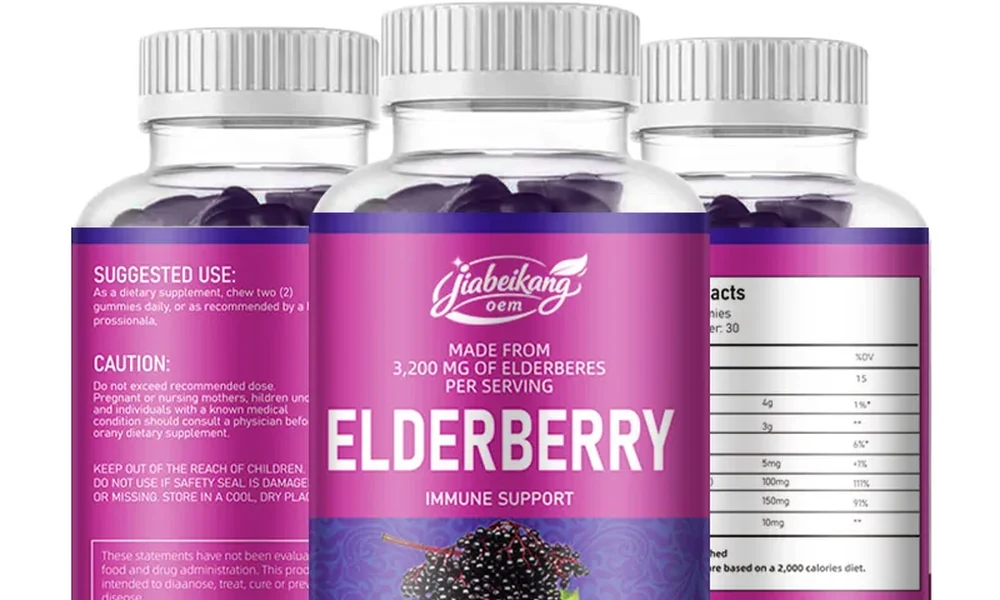
An elderberry gummy is not defined by elderberry extract alone. The formula must connect the extract specification with the intended serving, flavor, color, gummy texture, package, and evidence plan. A stable-looking purple sample is not enough to approve a commercial formula, and a familiar extract name does not replace supplier documentation.
At Red Kangaroo, our OEM elderberry gummies development starts with the material and the product brief. The relevant elderberry gummy range context helps frame that brief, while the new formula still needs its own extract file and market review. The brand should identify the extract, desired serving architecture, flavor direction, color expectation, target market, package format, and launch constraints before asking the team to make a sample.
What should be fixed about the elderberry extract first?
The phrase “elderberry extract” is not a complete formulation input. The technical file should identify the botanical material, extract form, supplier specification, carrier or excipient information, assay or standardization basis where supplied, storage guidance, and any market documentation the brand expects to review.
The development team also needs the intended amount per serving and the number of gummies per serving. Those values are commercial targets until the selected material is assessed in the complete gummy system. A supplier change, extract concentration change, or carrier change can alter the input mass and sensory behavior, so the specification should be frozen for the prototype round.
Create a material change record before sample work begins. Name the approved supplier reference, specification version, storage condition, and the person responsible for reviewing a replacement. A supplier substitution may require the input calculation, flavor work, color approval, or testing to be reopened.
Market review belongs at the start. US and European requirements are not automatically interchangeable, and the formula brief should identify the intended label market. Red Kangaroo can support formulation and document coordination, but final claims and label decisions need the brand’s market-specific review.
For the United States, FDA guidance addresses extract weight and supported concentration or solvent information. In Europe, nutrition and health claims follow Regulation (EC) No 1924/2006; an extract ratio alone does not authorize an immune or antioxidant claim. Check the final ingredient name, claim wording, and records for the destination market before artwork approval. Sources: FDA Dietary Supplement Labeling Guide, Chapter IV; European Commission: Nutrition and Health Claims
How should an extract ratio be treated in a gummy brief?
Extract ratio means the relationship between the amount of starting botanical material and the amount of finished extract produced from it. A notation such as 4:1 generally means that four parts of the starting material were used to make one part of extract, but the notation alone does not tell a brand the marker level, solvent, carrier, plant part, moisture basis, or finished-product potency. It is a raw-material description, not a guaranteed health effect or a universal serving recommendation.
Use the extract specification to calculate the material input, then separate three ideas that are often mixed together: extract weight, source-material equivalence when documented, and the amount the finished label can lawfully communicate. These are not automatically the same number. FDA labeling guidance explains that an extract may be described with the total extract amount and, where appropriate, the starting-material-to-solvent relationship, while dried extracts are declared by their weight. The supplier file should therefore state the ratio basis, extraction solvent or carrier, botanical part, marker or assay basis, and whether the ratio is calculated on a fresh or dry starting material basis.
The worksheet should show the selected material, input amount per serving, gummies per serving, other active ingredients, and the space left for the gummy base. Avoid publishing a universal elderberry ratio without the supplier file and formula context. A ratio that works in one gummy can be inappropriate in another because of piece weight, moisture, flavor, or supporting ingredients.
If the brand wants a combination concept, such as elderberry with vitamins or minerals, recalculate the complete serving. Adding actives can affect piece count, sweetness, acidity, color, and process margin. The extract line should be reviewed again instead of copied into a larger formula.
How do flavor and color decisions interact with elderberry?
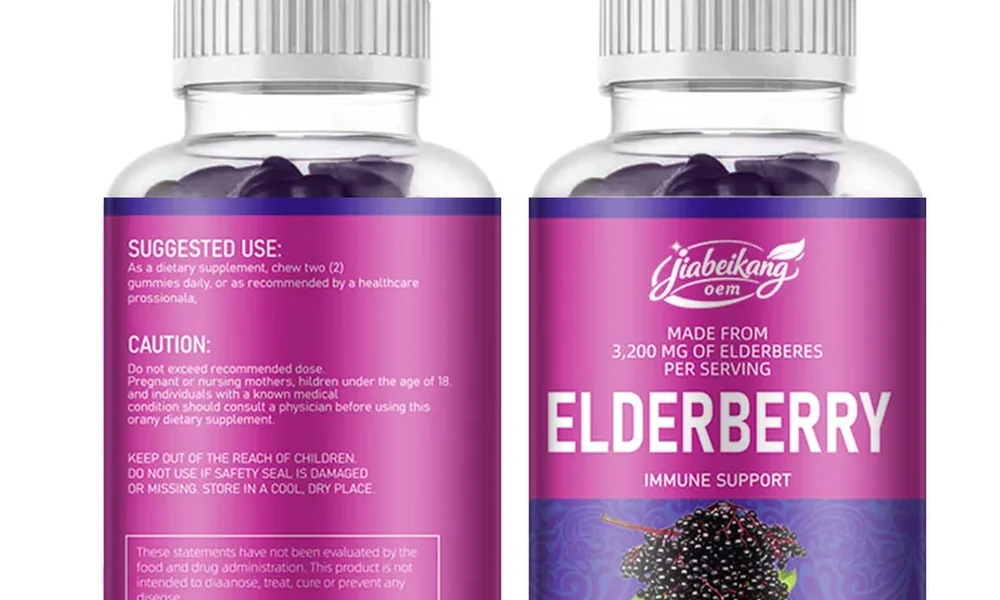
Elderberry brings a recognizable botanical profile that can influence aroma, taste, and finish. Flavor selection should be tested against the actual extract load rather than chosen from a flavor library in isolation. Berry, mixed-fruit, or other directions may mask some notes, but the final balance still depends on sweetness, acidity, the gummy base, and the rest of the formula.
Color is equally practical. A natural-looking dark berry shade may vary with extract lot, pH, processing, light exposure, and other ingredients. The product brief should define the visual target in words or an approved reference, while the technical team records the actual color system and sample version.
Our earlier guide on elderberry flavor and natural color covers the broader sensory questions. This formulation guide keeps the focus on how those decisions affect extract loading, sample approval, and the stability plan.
Which texture and process checks belong in the prototype?
The prototype should answer whether the elderberry concept can be made consistently while preserving the agreed sensory target. Review the mixture before depositing, piece formation, surface appearance, chew, flavor release, aftertaste, and any changes after the planned conditioning or drying step.
A useful review table keeps the decision visible:
| Check | What the team should observe | Decision record |
| Extract incorporation | Does the selected material disperse as expected in the assessed formula? | Continue or revise the formulation route |
| Deposit and piece form | Can the trial produce consistent pieces under the assessed setup? | Approve the trial or request a controlled change |
| Flavor and aftertaste | Does the flavor direction work at the proposed extract input? | Confirm, adjust flavor, or revisit target |
| Color reference | Does the sample match the approved visual direction? | Confirm color system or reopen the brief |
| Chew and surface | Does the finished piece meet the agreed texture expectation? | Approve sensory target or revise base |
| Package fit | Does the serving, bottle and closure work as planned? | Confirm or change package configuration |
Photographs support review but do not replace a documented color reference, sample age, package, and evaluation condition. Record the review date so the observation is not mistaken for a stability conclusion.
Do not turn one successful lab sample into a promise about every production lot. The final process and quality plan should define what is checked, who approves it, and which sample is the reference.
How should stability planning be connected to the formula?
Stability is a formula, process, package, and market question. Elderberry color and flavor may be sensitive to the selected system, so the plan should state the attributes to monitor rather than rely on a generic shelf-life statement. Consider appearance, odor, taste, texture, moisture-related behavior, package interaction, and the relevant analytical or microbiological checks defined for the project.
Our Test- en stabiliteitshandleiding voor gummies explains how brands can organize these checks. It does not establish a fixed stability period for a new elderberry formula. The product and package need their own evidence.
Packaging should be reviewed with the stability plan. Bottle material, closure, fill count, label version, storage direction, and market destination can all affect the final project record. If any of them changes after the prototype, identify whether the stability or label review must be repeated.
What should a brand approve before moving toward production?
Approve the extract specification, target input and serving architecture as one package. Then approve the flavor and color reference, the gummy texture, the package direction, and the project-specific testing plan. Keep each approval tied to a sample version and document any open item.
Purchasing, R&D, quality, marketing, and packaging should all work from the same approved material reference, serving, claim boundaries, bottle count, and market version. This handoff prevents the product brief from being rebuilt from email fragments.
The brand should also confirm what the article or label is allowed to say. Rode kangoeroe can describe the formulation and manufacturing scope in a first-party voice, but claims must remain within the evidence and the intended market review. Do not use a source-material equivalence or a supplier description as a finished-product health promise.
A practical elderberry formulation decision path
Start with the extract file and target market. Convert the proposed serving into a documented input amount, then test that amount with the chosen gummy base, flavor, color, package, and any other actives. Record the sample evidence, reopen the formula when a material or serving changes, and define a stability plan that matches the final configuration.
For an elderberry feasibility review, send Red Kangaroo the extract specification, intended amount per serving, gummy count, flavor direction, color reference, target market, package format, expected order quantity, and any other active ingredients. Use our gummy OEM service or contact page to start a review based on the actual material and product brief.