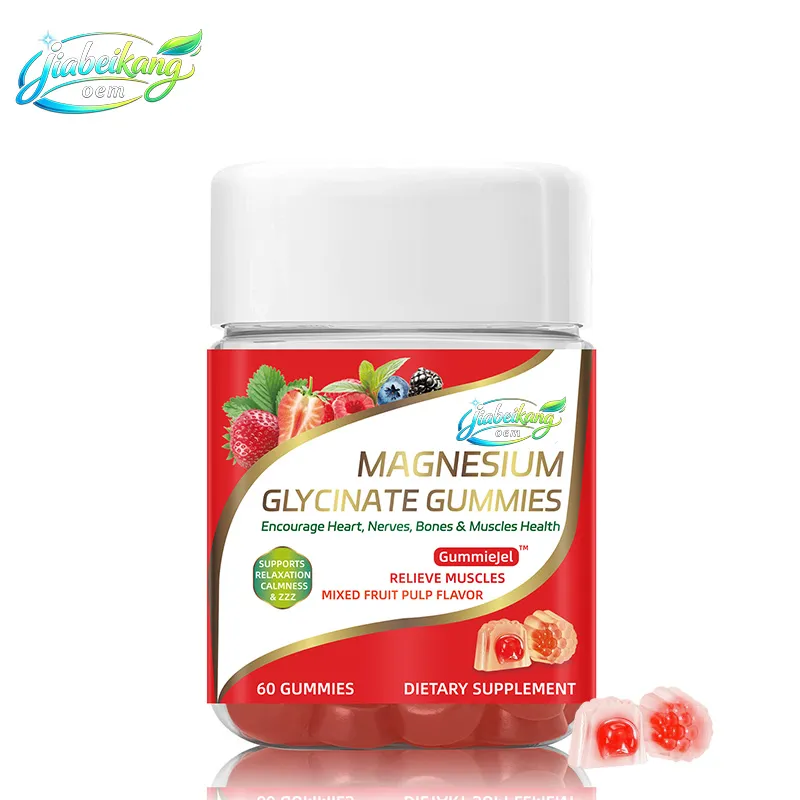




Two factory quotes may show the same product name but actually be two totally different products. This can happen more than any other mistake when sourcing supplements.
Suppose an interested customer asks you to quote the same 60-count gummy in an identical bottle from three different suppliers. One quote is shockingly low. One is 18 percent higher. And the third supplier fires back a series of questions before they quote at all. While you may think that lowest price is the efficient choice and the other is high maintenance, upon closer inspection the picture usually changes.
That affordable price tag could be based on fewer, smaller gummies, lower levels of actives, a generic flavour, a standard bottle, limited testing etc. The more expensive price may incorporate a branded ingredient, larger pieces, individual carton packaging, artwork approval by region and comprehensive finished-product testing. Both quotations accurately state “60 gummies”. They’re actually not really comparable in a commercial sense.
It’s not “Which factory is cheapest?” It’s “What assumption is each factory assuming in the price that they give you?”
The unit price can be deceiving – one product might be only a dollar more per bottle than another, even if you’ll need two of the first to make it through the month.
Your comparison sheet should include three additional columns:
• units per daily serving;
• servings per container;
• estimated days per container.
Calculate the price for a daily dose in addition to each container. Although it won’t inform you which one is better, it will give you an idea of what you’re really getting.
Gummy weight is another important consideration. The heavier the gummy, the more base material is required and that effects the drying and conditioning process, how many you can put in a bottle, and shipping costs. When vendors quote different piece weights the price comparisons are somewhat illusory without adjustments.
Separate product cost from packaging cost
The difference in price is often hidden in the packaging. When possible, ask the vendor to provide a break-down of the costs of the filled product, primary package, printed label, carton, insert, shrink band, desiccant and shipping carton.
You are not really arguing over each product but trying to find that point at which commercial decisions are truly taken. A stock bottle fitted with a pressure-sensitive label has a different minimum order quantity and lead time than a custom-colour bottle with printed decoration. Fitting it with a retail carton costs more raw material, more assembly and larger package volume. Moving from a bottle to a sachet or stickpack changes everything.
A product launching early can be helped with standard packaging and saved cash, cutting lead time. A mature product can gain from special components, a little shelf impact. These are both sensible options. The problem is when they are combined into one unaccounted-for figure.
Check what testing is included
Testing included” doesn’t give you enough information to compare the quotes. You should ask for information about what release tests are being proposed and ask who will be responsible for the cost of the work if the manufacturer has to send samples to an outside lab.
It depends on the formula and where the product is going but a testing plan could include identity and assay testing, microbiological limits, heavy metals, physical testing, packaging testing or all sorts of other things. What you need is different for each product. The important thing is each quote needs to specify what it will test.
The same holds true for stability testing. You’ll want to determine whether the price listed is for a single lot of production, if sample retention is included and if accelerated stability or real-time stability testing are separate line items. These nuances are important, and you want to know about them before you ever place your order, not once your finished labels are already printed.
# Take exclusions as seriously as inclusions
You’ll discover that the exclusions of a quote can be just as valuable as what the quote shows included. You will often see something that isn’t covered including the following: regulatory registration, local-market label review, freight, duties, product photography, barcodes or translation.
It’s no big deal if one is omitted if the buyer knows it’s omitted. The problem is if the buyer is led to believe that one is included, then finds out is isn’t just shortly before launch.
Request suppliers to provide a short “not included” section in their quotes. This will ease your life in budgeting internally and save you having a row later.
Have you filtered a draw conclusion tune before making then choosing a manufacturer?
After you’ve done the first round of comparison, send those same clarification questions to each supplier. Don’t reconfigure the entire brief for one factory and then make a different version of it for the others.
For clarification, a helpful list might be:
1. What active-material specification did you use for costing?
2. So how much does the completed unit weight?
3. How many units equal one full serving?
4. What packaging items are you going to include?
5. What finished-product tests are included?
6. Are the charges only applicable to the first order?
7. What’s left out?
8. What one thing would most affect your quoted price?
The responses reveal a lot more than the figures. They demonstrate the extent to which each supplier read the brief and how effectively your commercial team was able to convey production information to a buyer.
The best quote is one you can justify in house.
A quotation should be easily explained – at least to other people in finance, marketing, and quality – to which it’s being presented. If the quote can’t pass the muster of that conversation, you probably shouldn’t approve it.
A comparison sheet should not seek to make all suppliers look alike. Its purpose is to bring out the things that really count. Once you have lined up the formula basis, the serving and pack sizes, the testing specifications and the commercial terms, you can see where extra cost translates into added value, and where a cheaper alternative will suffice.
That type of thinking is much better than just picking the bottom number that is the smallest.