



At a sample tasting, the brand manager tries one gummy and asks a creatine gummy manufacturer for a quote. The draft directions say three gummies a day. That missing step between tasting and quotation is the real product-development problem.
For the arithmetic below, take 3 g per day as a hypothetical target, not a dose recommendation. It could mean two pieces targeted at 1.5 g each or three targeted at 1 g each. From there, the team still has to settle the size, taste, tests, bottle count and price of a usable serving.
Ingredient evidence is only the first page
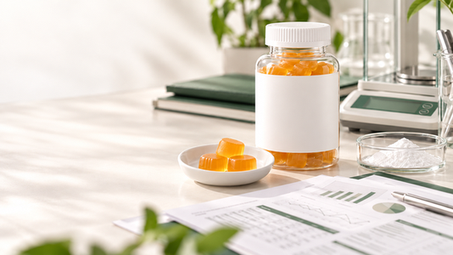
Start the research file with the NIH exercise and athletic performance fact sheet. The sample itself needs a different file: its code, date, creatine form, target per piece, serving count and assay results when available. Those details prevent an easy mix-up. A second tray may have the same flavor but a different active load; “the second one tasted better” is then only half a decision.
Our creatine gummy category can help with the look of a product. The coded trial record, rather than the category photograph, says what that product is supposed to deliver.
The 60-count bottle problem
For purchasing, the question is cost per day. A 60-count bottle holds thirty two-piece servings or twenty three-piece servings.
There are two plausible sample cards on the desk:
A — two pieces a day. Intended creatine per piece: 1.5 g. More active has to fit in each gummy. Check the actual piece weight and chew before treating this as the more convenient option.
B — three pieces a day. Intended creatine per piece: 1 g. The sample might be easier to chew. Its container, price and days of use need another look.
Neither card is a finished specification. Both contain targets rather than assay results, and neither gives the total piece weight. Have the formulator compare the complete servings. Make the review team handle the proposed pack as well. The choice on taste may change once the bottle size and days of supply are visible.
De creatine supplement product page gives a starting point for discussing the category. The project quotation for private label creatine gummies needs its own signed piece weight, creatine target and serving count.
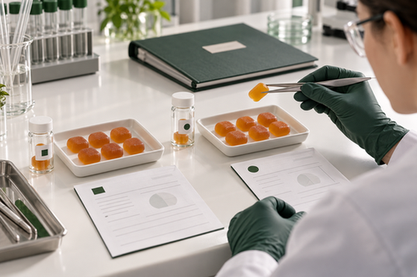
Taste the last gummy, not just the first
One good-tasting piece can win a sampling meeting. The last piece in the serving may change the vote. Sweetness builds; a faint chalky note grows more conspicuous; an acidic finish that felt bright at first can wear out its welcome.
Give reviewers the number of pieces shown in the draft directions. Let them take the serving at a normal pace, then ask what changed from first piece to last. Record “gritty at the end” separately from “too sour throughout.” Those comments lead to different formula work. “Make it taste better” is a poor instruction because it leaves the formulator guessing at the fault.
Keep the sample codes on the tasting sheet. A revised batch might lose its gritty finish and also lose some fruit flavor. That is an actual choice for the team, which a single score out of ten will hide.
The package brings another practical test. A hypothetical 60-piece bottle offers thirty days at two pieces daily and ten days at six. The front still says “60 gummies.” Would the intended buyer understand the days of use from the directions and price? Try the actual mock pack in a review session. A flat artwork proof rarely communicates the scale of the serving as clearly.
Ask what will happen after the sample meeting
The sample meeting happens on day one. A product in a shopper’s cupboard may be months old. Those are different tests. Before treating the preferred flavor as finished, pack trial pieces in the proposed retail container and put review dates on the calendar. The study plan needs numbers for creatine content and observations about what the buyer will handle: whether pieces stick, harden, discolor or change flavor.
A gummy can keep its shine and still miss the creatine specification. Or the assay can look fine while the piece has gone hard. Record both outcomes, with the test date and container. If the brief calls for a particular shelf life, its evidence needs to cover the active and the eating experience through that period.
One common late change is the container. A pouch may be cheaper to ship or easier to display than the bottle used for early samples. It also changes the storage question. Ask quality to review the test plan against the package that will actually go to market, with the reason for any additional work entered in the project file.
S. supplement manufacturers work under the requirements described in FDA’s CGMP overview, including 21 CFR Part 111. The useful supplier conversation is specific: which creatine specification will be accepted, where will the batch data be recorded, and what must the finished gummy meet before release?
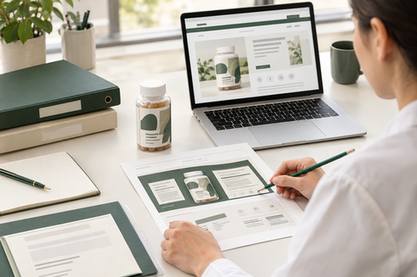
Write claims for the market that will receive the product
The artwork proof should carry a market name before the headline is approved. The same formula could lead to different copy for a U.S. launch and an EU launch. If the market is left unspecified, the first regulatory edit may arrive after the design is already expensive to change.
For an EU launch, check each benefit line and its conditions of use against the European Commission’s nutrition and health claims framework. Do it on the first copy draft. A rival’s catchy front-panel phrase might be appealing, but its presence on another product is not evidence that this brand can use it.
For the U.S. artwork, a measured creatine amount and a performance promise raise different evidence questions. File the composition results with the sample and batch specification. File the review of benefit wording with the approved copy. When those records are mixed together, a lab result can appear to answer a question it was never designed to answer.
The website needs the same pass. Open the draft product page beside the package proof and mark every place where the online copy promises more than the pack. That comparison can catch a claim added by a web editor after the label was signed off.
Does the gummy justify its price per day?
Imagine two mock packs on the table. One is a creatine gummy bottle with its full daily serving set out beside it. The other is a powder tub. Both use the same proposed daily creatine amount in this comparison. The powder will ask the customer to mix a drink; the gummy will ask them to chew multiple pieces and may cost more per day. Some audiences will pay for that convenience. For others, the number of pieces or the price will defeat the format.
The team can make this judgment before buying tooling. Show reviewers the actual sized serving, pack and projected days of use. A photograph of one gummy tells them very little. If they balk at the complete offer, revise the serving or consider capsules and powder while there is still time to change the product brief.
For teams still choosing an ingredient category, our creatine, protein and HMB gummy comparison covers that earlier decision. For a private label creatine brief, Red Kangaroo can assess a proposed form, daily target, piece-count limit, destination market and container. Include those details in the inquiry so that the response addresses a specific formula.