



A gummy can get through the final quality test, sit in a bottle, and then let the consumer down three weeks later. The gummy is going to be sticking to itself. It’s too humid, it’s too soft, it’s too hard, it’s too dull, it has less aroma than what we approved. Those are shipping issues.
And that’s only part of the story. Everything from the formula, to how it is dried, packaged, warehoused, shipped route and used are all combined within that same bottle to get a result. It would be much easier to address this problem before the next round of samples.
In addition to a discussion about product packaging for nutritional gummy supplement, it should be early on, long before packaging art work. Heat can soften a gummy, accelerate a loss of flavor, change its color, and increase a chance for it to sink or sag. Transferring moisture (moisture ‘sweats’ from the environment to the pack, or ‘wicks’ from the pack to the environment) causes gums to be tacky or sticky, or dry and hard. Because in some cases dry environments attract moisture and wet environments dispense with it, but in some cases, it has the opposite effect and makes chewing more difficult.
The active ingredients add new challenges. One direct comparison can expose more issues than an sales claim. They are likely to be the most sensitive ingredients and can be traditional vitamins, botanical extracts, probiotics, minerals, amino acids, proteins, acids, colors, and flavor. All are affected differently by temperature, water, oxygen, light, and time.
Begin with the commercial path and then decide on the right package Where are the goods packed? Stored? Shipped? Fulfilled?
Vague? Circulated? Dispatched? A product moved by air to a climate-controlled dispatch warehouse, is likely to be less at risk than a product on the long, moist journey to port, waiting for warm climate pack-out, then finally being deposited in a customer’s letterbox.
Destination countries, ships mode, shipping time, seasonal weather, warehouse, parcel rate of delivery, shelf-life requirements. Combine channel: Amazon product with a retail channel, pharmacy, Tik Tok shop, subscription DTC business all require different case-pack, label, tamper-evidence, opening frequency needs. More than the monthly average temperature – maybe high temperature and humidity short spikes are crucial. That is where a short note written down can save much time later.
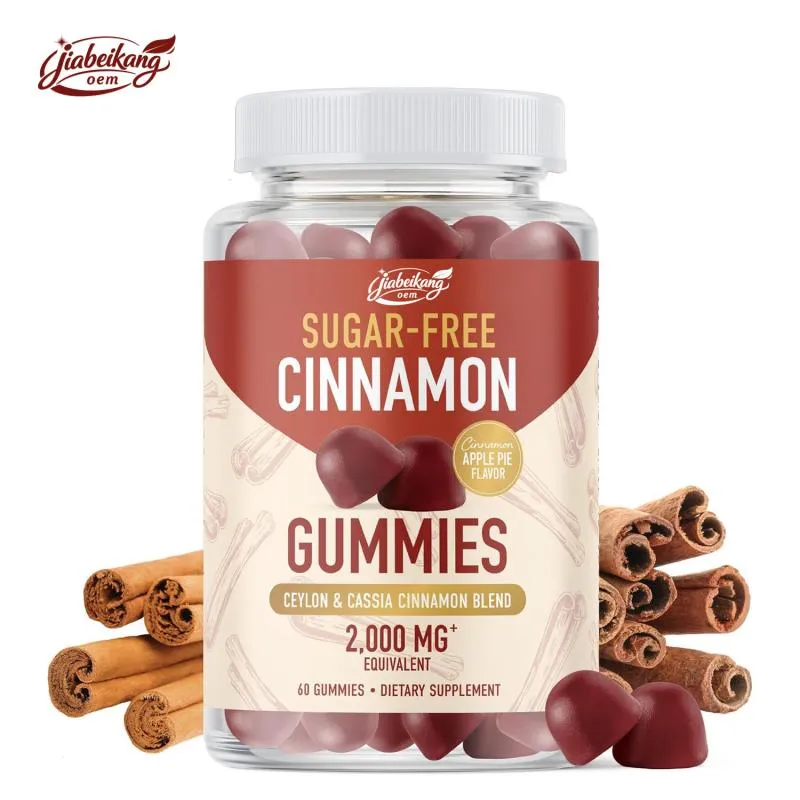
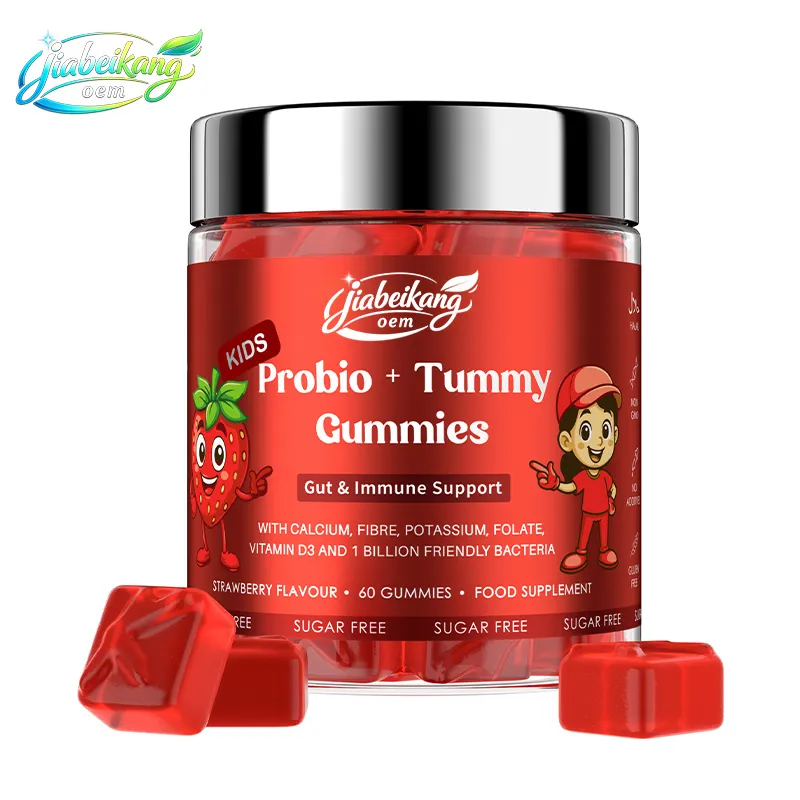
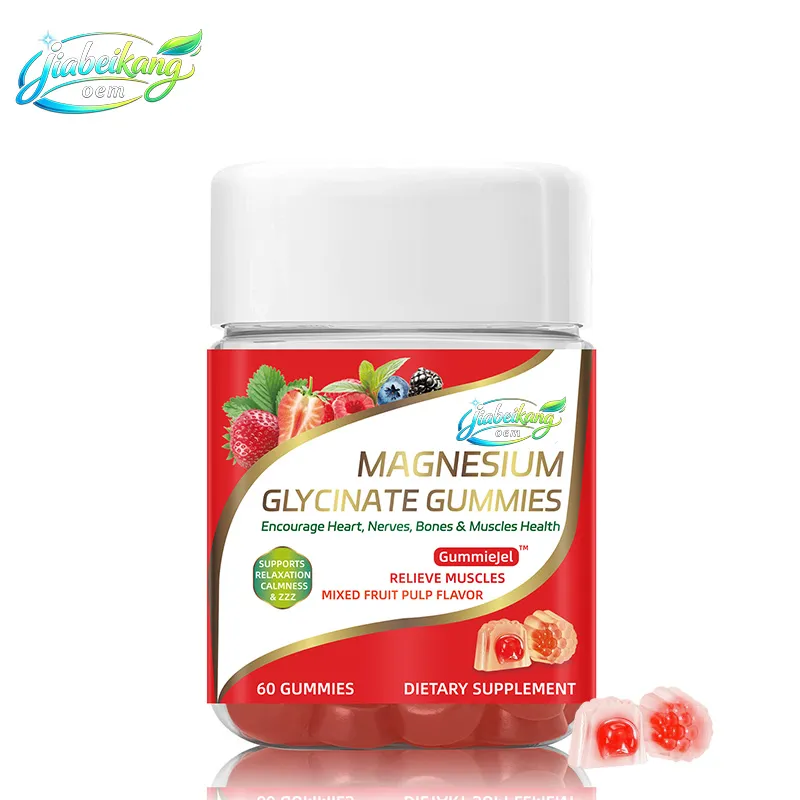
Always inquire, “what occurs over the most popular route to market?” not only on launch, but after it’s established. Rigid bottles are crush-proof, aseptic pre-established aisle presence. They have space for an induction seal, liner, desiccant, child-secure closure (if desired), and sizable label. Some drawbacks are more headspace, additional freight volume, and a closure system that requires a proper fit with the bottle’s neck.
Flexible pouches are shipped in a compressed state and if the laminate and zipper are up to the task, flexible pouches can provide great barriers to moisture and oxygen. They also alter the way the product packages out, alter the consumer interaction, and alter the amount of humid air that gets into the pack once opened. The objective is not to add paperwork, the objective is to prevent a preventable surprise. Good seal integrity and puncture resistance can be just as critical as the front of the pack.
Jars, blister packs and single-serve sachets may be more appropriate for some channels, but packaging has tooling, packing, material and cost implications. Request a direct comparison with the manufacturer for a specific number of units, route, shelf-life requirement and testing plan. It is packaging. For a bottle, the packaging might include type of resin, color, wall thickness, neck finish, cap, liner, induction foil, tamper band, desiccant, label and case pack.
For a pouch it might be laminate structure, zipper, heat seal, tear notch, gusset, print layer, and outer carton. The practical question here is what would you want to know has been verified before sign off on the next stage? Small variances can result in a major failure, perhaps a liner incompatible with the bottle, an induction seal not flush, a zipper with product dust on it, or a desiccant where the formula has not been checked.
More isn’t always better, also; the pack and the product should be designed as a set. For example the mock-up half full, looks “ok”, but the movement inside the headspace isn’t. To crush the gummies, too tightly filled packs will also cause sealing / extraction issues. For the actual bottle, consider weight, shape, coating and number of gummies, and always ask for an actual pack-out trial before finalising sizing.
That may seem insignificant. It’s not. Take into account fill level, label panel, clearance for closure and/or cap liner, placement of desiccant, final count and look after manipulation. If you intend secondary boxing, check that the finished bottle with label, tamper band or shrink pack will easily sit inside the finished box. For retail, a fixed bottle can still scuff, crack, leak and decap if it is able to “float” around inside an oversized package, which will prompt a discussion on case configuration and parcel protection.
Use stability to define the formula and package, not to write the report once decisions are made. Discuss real time and accelerated conditions based on your consumer and marketing. State what will be monitored / assessed at each point. A supplier should be able to clearly articulate this choice in everyday language.
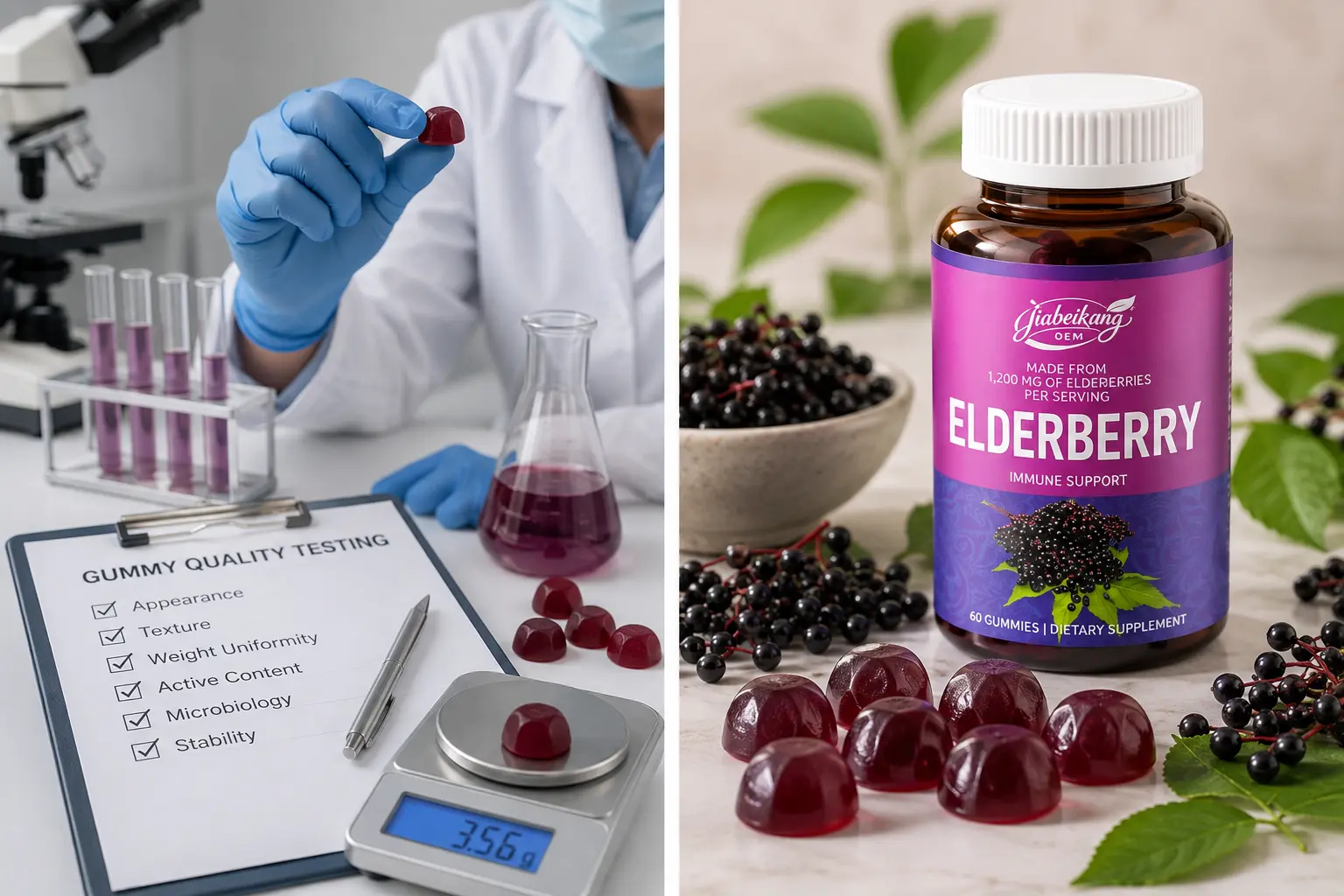
Common items are: Appearance, sticking, clumping, flavour, taste, texture, moisture properties, weight of gummy, intactness of seal on packet, specifications for microorganisms, and amount of active content. Panel as needed for the formula. Photographs and notes on visual and sensory evaluation are useful, but specifications make more sense. Think about transport simulation through vibration, drops, compression and temperature exposure.
A route trial with the cases may reveal issues that were not apparent when the containers were checked separately. If you plan to test the commercial package for a summer season, consider testing it against a relevant challenge before a large seasonal order. Keep the product brief with you as you check this. The site stability guide explains where these tests fit in the overall production schedule.
It is tempting to escalate to a more robust film or add additional desiccants to each and every moisture issue. However, the root of the problem may lie even further upstream, in the way the end product is cooked, the solids, acid ratio, depositing, drying, conditioning, coating or room humidity. When the solution is shipped and the package is not in its ideal state, the package will only mask the issue. Ask how the product is handled prior to being filled.
Declare physical property specifications in the written specification and the release criteria. Would a buyer be able to see at a glance what the reason was? If the lot is variable, and the team should be able to track back the raw materials, process sheets, room logs and package lot. Stability study assumes a logical use pattern.
Open the bottle at least once a day daily for consumers, store in a hanging gym bag or somewhere with a very humid bathroom. All signage should contain directions for storage of the product that are not overly optimistic about the longevity of the package. Consider the size of the opening, number of openings required, number of servings in a daily time period, number of days after opening expected. A 90-day package will have more frequent air exchanges than a 30-day package.
The solution to this should be straightforward to correct before the following round of samples.