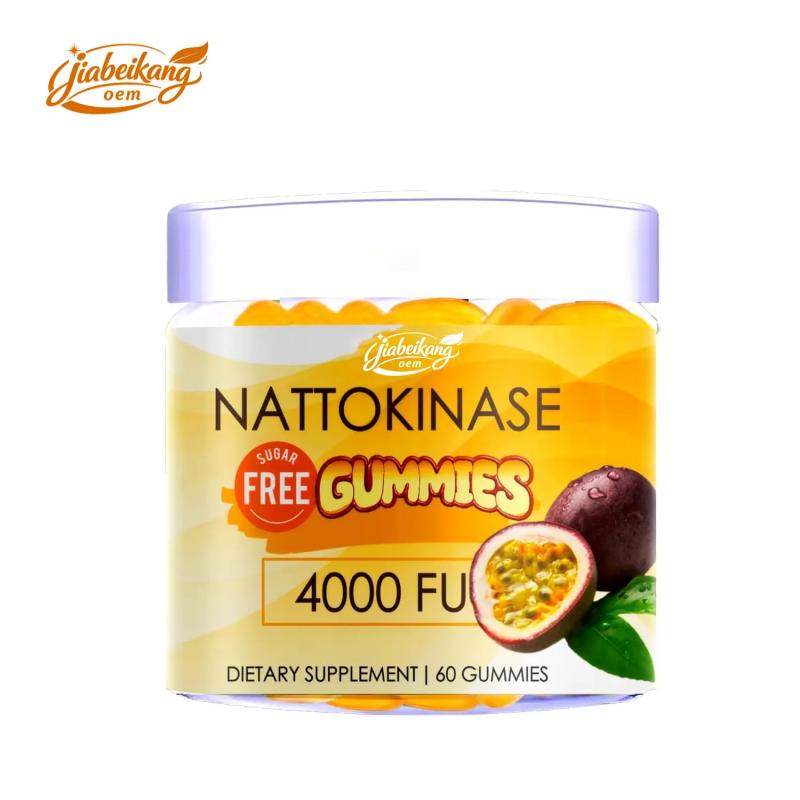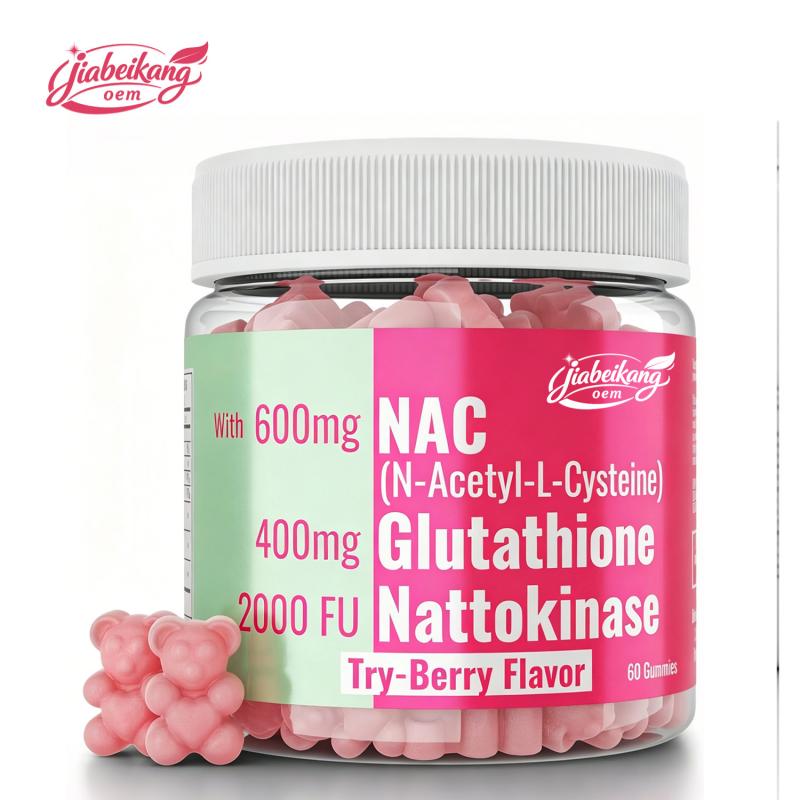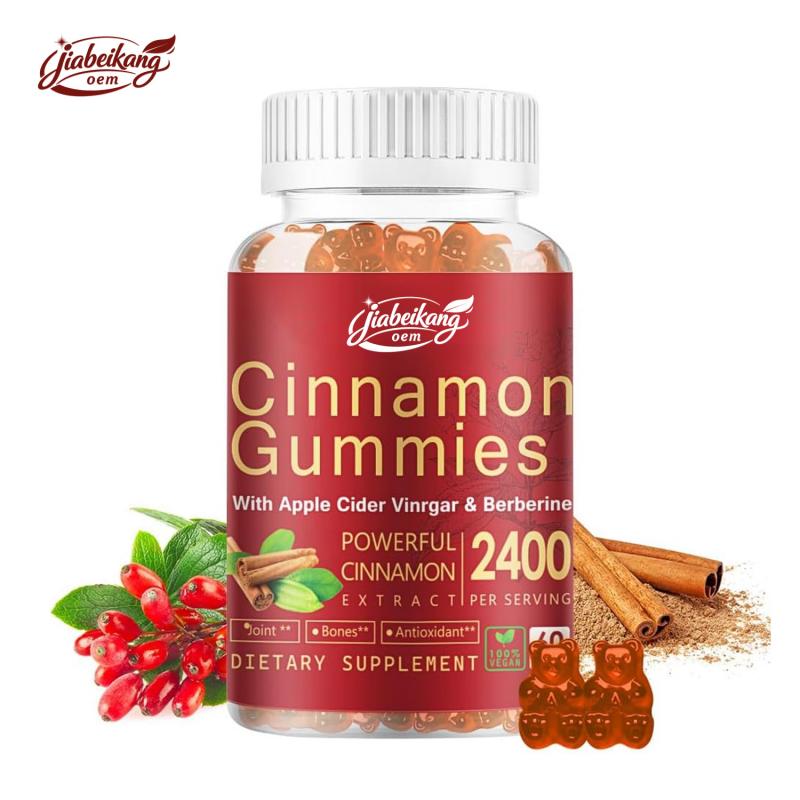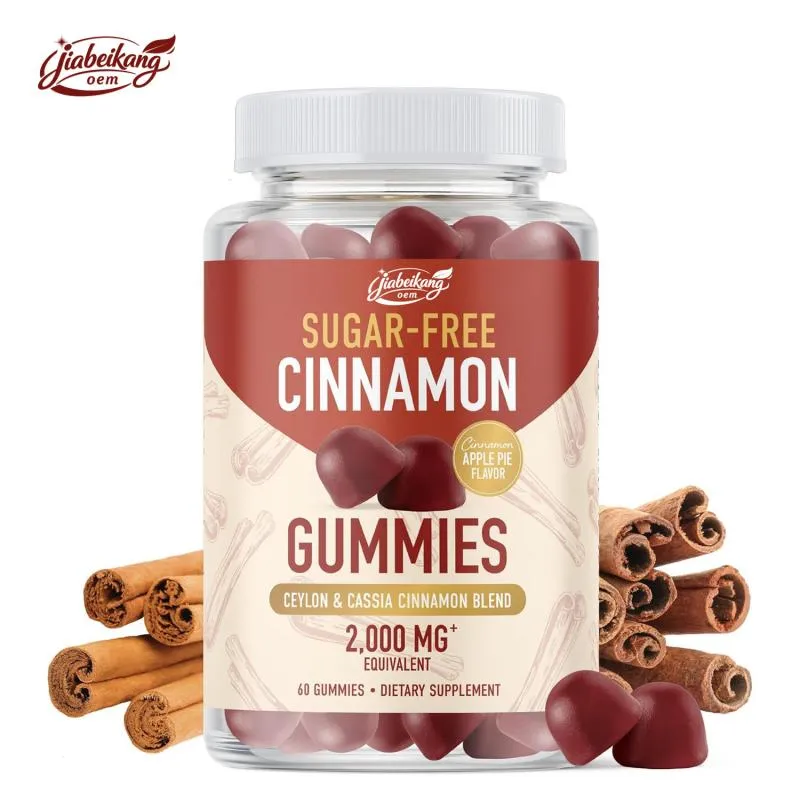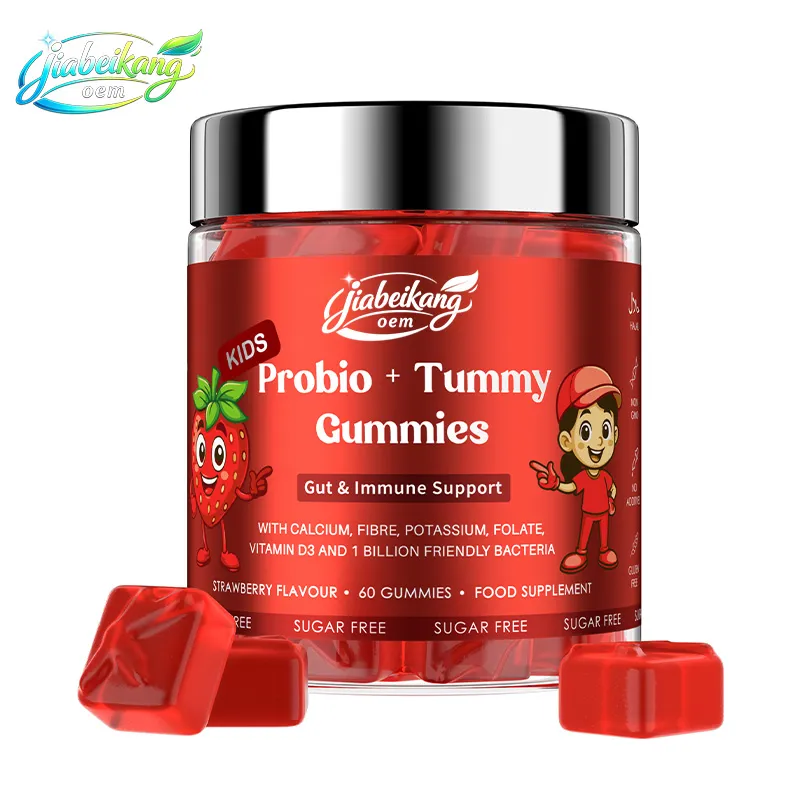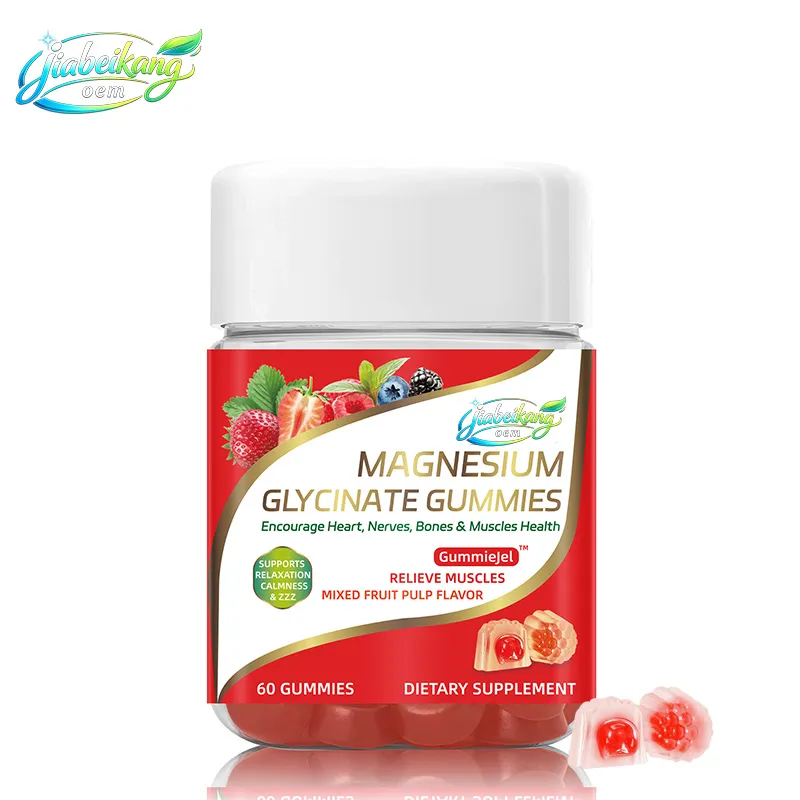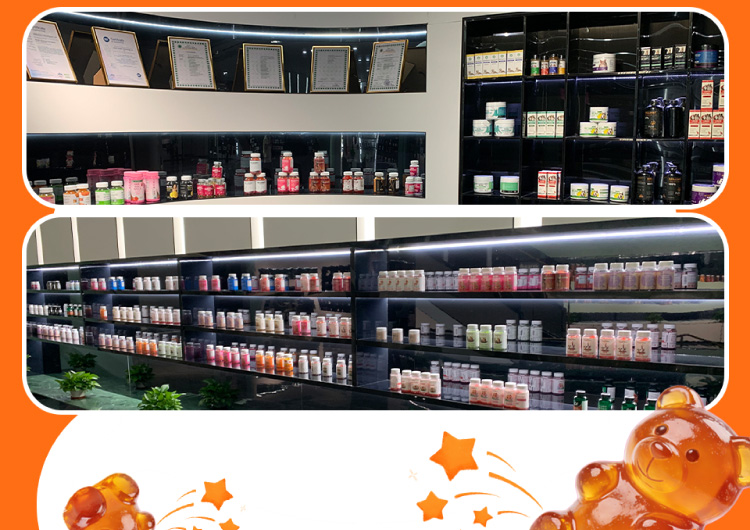




A gummy may pass final inspection, sit neatly in a bottle, and still disappoint the customer three weeks later. The pieces can arrive stuck together, damp on the surface, too soft, too hard, faded, or carrying less aroma than the approved sample.
These failures are often described as shipping problems. That is only partly true. The formula, drying process, package, warehouse, route, and customer use all meet inside the same container. If one part is planned in isolation, the package may protect the product only under ideal conditions.
For private-label brands, gummy supplement packaging should be discussed while the formula is being developed, not after the label design is finished.
Understand what heat and humidity actually change
Heat can soften a gummy, accelerate flavor loss, affect color, and increase the chance that pieces deform under their own weight. Humidity can move moisture through the product and package, encouraging tackiness or clumping. Very dry conditions can pull moisture in the opposite direction and make the chew tougher.
Active ingredients may create additional sensitivities. Vitamins, botanicals, probiotics, minerals, amino acids, proteins, acids, colors, and flavors do not respond identically to time, temperature, oxygen, light, and water. The stability plan therefore belongs to the actual formula. A packaging recommendation copied from a different gummy is only a starting point.
Map the route before choosing the package
Start with the commercial journey. Where will the goods be packed, stored, shipped, fulfilled, displayed, and used? A product moving by air to a climate-controlled distributor has a different risk profile from one traveling by sea, waiting at a port, entering a warm fulfillment center, and being delivered to a customer’s mailbox.
Document the destination countries, shipping mode, expected transit time, seasonal temperatures, warehouse conditions, parcel delivery exposure, and planned shelf life. Add the sales channel. Amazon, retail, pharmacy, TikTok Shop, and a subscription DTC business can create different case-pack, label, tamper-evidence, and opening-frequency needs.
Do not rely on average weather alone. Short periods of high temperature or humidity may matter more than the monthly average. Ask what happens during the warmest realistic route, not just during the launch month.
Bottle or pouch is not a style-only decision
Rigid bottles protect gummies from crushing and give brands familiar shelf presence. They also provide room for an induction seal, liner, desiccant, child-resistant closure where required, and a broad label. The tradeoffs can include more headspace, higher freight volume, and a closure system that must be matched carefully to the bottle neck.
Flexible pouches reduce shipping volume and can offer strong moisture and oxygen barriers when the laminate and zipper are appropriate. They also change how the product settles, how the consumer handles it, and how often humid air enters after opening. Seal integrity and puncture resistance deserve as much attention as the front artwork.
Jars, blister packs, and single-serve sachets may suit specific channels, but they bring their own tooling, packing, cost, and material questions. Ask the manufacturer to compare formats using the same product count, route, shelf-life target, and testing assumptions.
Look beyond the visible container
The package is a system. For a bottle, that system may include resin type, color, wall thickness, neck finish, cap, liner, induction foil, tamper band, desiccant, label, and case pack. For a pouch, it includes the laminate structure, zipper, heat seal, tear notch, gusset, print layer, and outer carton.
Small details can create large failures. A liner that does not match the bottle, an uneven induction seal, a zipper contaminated with product dust, or a desiccant selected without checking the formula can reduce protection. More barrier is not automatically better either; the product and package need to be evaluated together.

Control headspace, count, and fill
A half-empty bottle may look generous in a mockup but create unnecessary movement and headspace. An overfilled package can compress gummies, interfere with sealing, or make the product difficult to remove. The bottle or pouch should be selected using the real gummy weight, shape, coating, and count.
Request a physical pack-out trial before finalizing dimensions. Check fill level, label panel, closure clearance, desiccant placement, count accuracy, and how the package looks after handling. If a secondary box is used, confirm that the finished bottle fits with the label and tamper features applied.
For e-commerce, include the shipper. A stable retail bottle can still scuff, crack, leak, or lose its closure if it moves inside an oversized parcel. Case configuration and parcel protection belong in the same review.
Use stability and transport checks as decision tools
Stability work should help choose the formula and package, not simply provide a report after the choices are fixed. Discuss real-time and accelerated conditions appropriate to the product and market. Agree on what will be observed or tested at each interval.
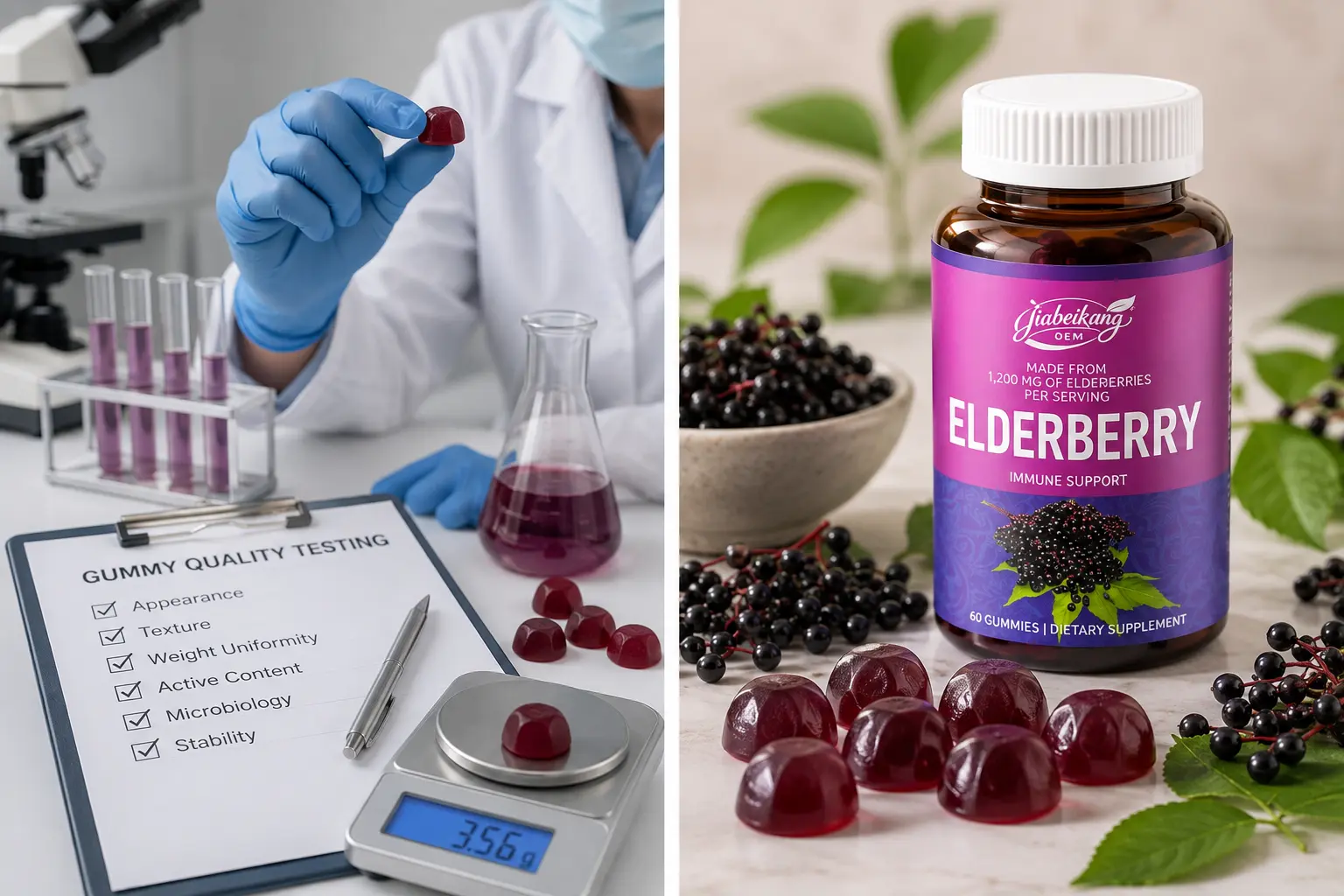
Typical discussions may include appearance, sticking, clumping, odor, flavor, texture, moisture-related properties, gummy weight, package seal, microbial limits, and active content. The exact panel depends on the formula. Photographs and sensory notes are useful, but measurable specifications make decisions easier.
Transport simulation can add vibration, drops, compression, and temperature exposure. A route trial with packed cases may reveal problems that individual containers do not. If summer shipping is important, approve the commercial package under a relevant challenge before a large seasonal order.
The site’s testing and stability guide explains how these checks fit into the wider production plan.
Packaging cannot repair an unstable gummy
It is tempting to solve every moisture issue with a stronger barrier or more desiccant. Sometimes the root cause sits earlier: cooking endpoint, solids, acid balance, depositing, drying, conditioning, coating, or room humidity. If the gummy enters the package outside its target condition, the package may only delay the symptom.
Ask the manufacturer how it controls the product before filling. The written specification should connect physical properties to release criteria. When a batch changes, the team should be able to trace the raw materials, process records, environmental conditions, and packaging lot.
Give consumers storage instructions they can follow
A stability plan assumes a reasonable pattern of use. The consumer may open the bottle daily, leave it near a window, carry it in a gym bag, or store it in a humid bathroom. Labels should provide clear storage instructions without making promises the package cannot support.
Consider the opening size, closure effort, serving frequency, and expected days after opening. A package used for 90 days faces more repeated air exchange than a 30-day pack. If the gummy is especially sensitive, smaller counts or unit-dose options may be worth comparing.
Build packaging approvals into the purchase order
Before commercial production, approve the container, closure, liner or seal, desiccant if used, label material, print proof, lot and date coding, count, case pack, and pallet or shipping configuration. State who approves substitutions. A similar-looking bottle from another supplier may not have the same barrier or sealing performance.
Request packaging specifications and keep a retained approved set. If materials change, review the effect on stability, artwork, line setup, and delivery timing before production.
How Red Kangaroo supports packaging decisions
Red Kangaroo combines gummy development with packaging, label, testing, production, and export support. Bottle, pouch, jar, and other retail-ready options can be discussed alongside formula, gummy count, shipping route, and target market. Automated filling, capping, sealing, labeling, and coding are part of the commercial process.
The most useful starting point is a complete route brief: formula, target shelf life, countries, order quantity, channel, shipping mode, storage assumptions, and package preferences. That allows the technical and commercial teams to compare a package that looks good with one that is more likely to arrive well.
FAQ
Are pouches better than bottles for humid climates?
Not automatically. Barrier structure, seal quality, opening frequency, product sensitivity, and route conditions determine performance.
Do all gummy bottles need a desiccant?
No. The decision should be based on formula behavior, package testing, safety, and market requirements.
What should be checked in a packaging trial?
Check fill, count, seal, closure, label, headspace, product movement, case protection, appearance, and performance under relevant storage and transport conditions.
Can coating stop gummies from sticking?
Coating can improve handling, but it does not replace correct formulation, drying, moisture control, and packaging.
When should packaging be finalized?
After the formula and gummy dimensions are sufficiently stable for a real pack-out, but before label artwork and commercial materials are fully committed.