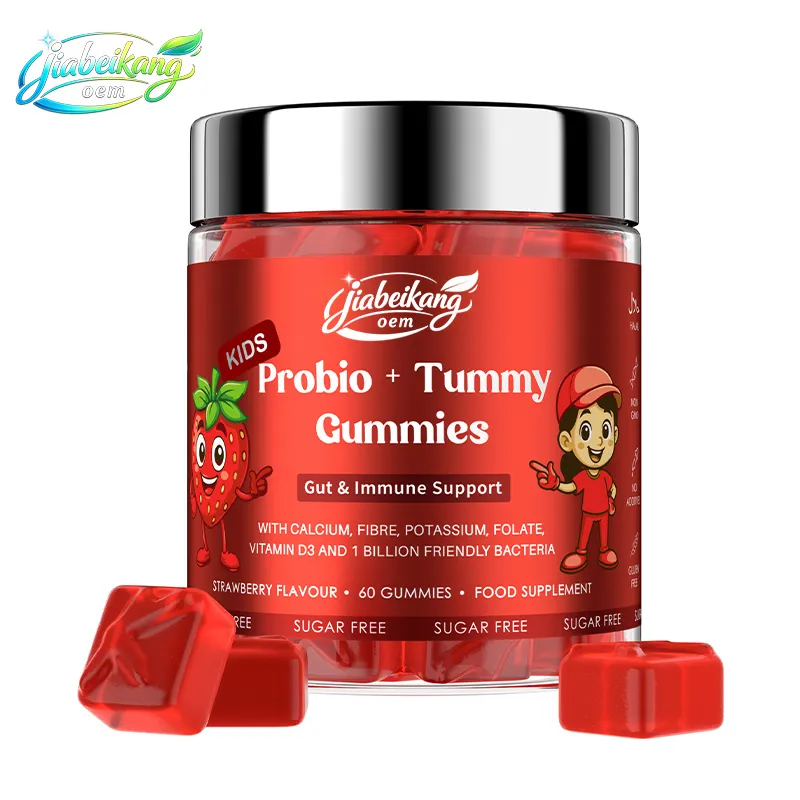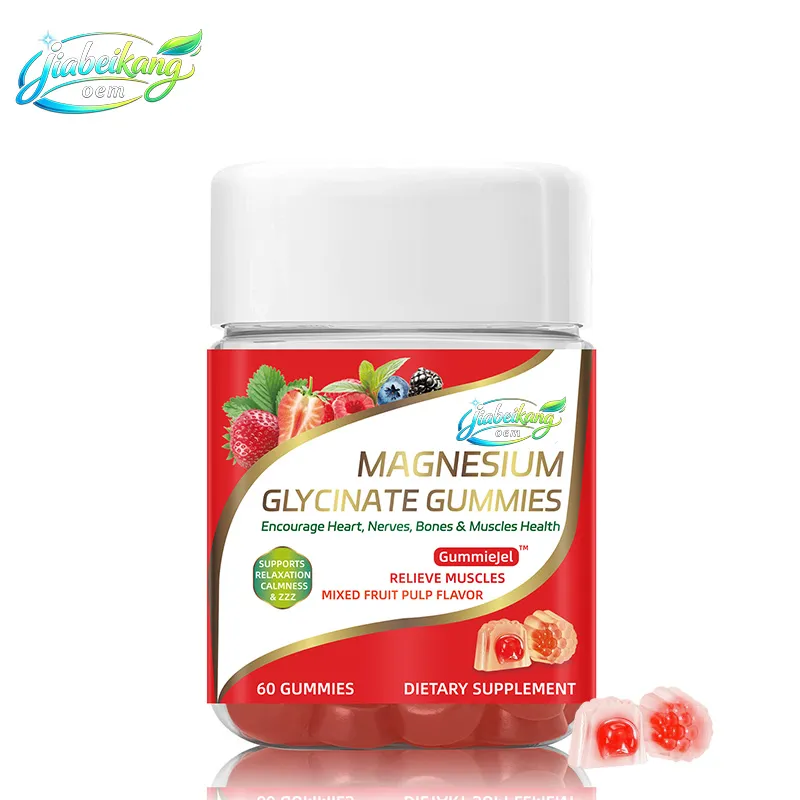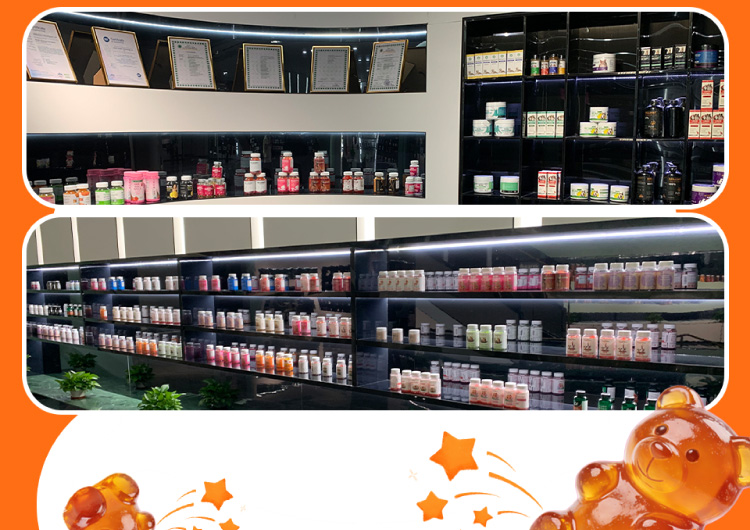




The first gummy sample hits that weird, elevated state. Weeks of going over ingredient list, doses, shape, and flavor, culminate in holding something tangible in their hands. The team unzips the pouch and starts passing the sample. The inevitable question: “How do we like it?” That actually means something. But it’s not enough. A commercial gummy has to be more than just a flavor experience in a single meeting. It has to be consistent from piece to piece, works with the serving size you chose, go in the packaging you selected, and withstand storage and shipping. There’s also the label the brand intends to use. You might find the sample delicious, but it still isn’t right for your project. So what’s the best way? View every sample through the same written set of guidelines. That makes a subjective tasting into an actionable decision you can give your manufacturer.
Start with the approved product brief
Begin with the approved product brief before anyone even tastes the sample. Write the most recent version of it alongside the test sample. Confirm the intended user, market, active ingredients, serving size, gum count, base, flavor, color and packaging format. If the sample was produced for testing just one element of the formulation – flavor for instance – record that as well. This simple move can save a lot of headaches later; different reviewers may expect to be eating a soft children’s gummy, a chewy sports gummy and a firm competitor’s product. Their comments can all be entirely accurate, but they don’t give the development team a clear sense of where to focus. Tag the sample with a code and revision number. Date the sample was received, and if possible the date it was manufactured. When a number of formulations arrive, don’t be seduced into expecting “the red one” or “the softer one.” Keep feedback directly linked to the relevant formula, such as Sample B2, strawberry, reduced-acid version.
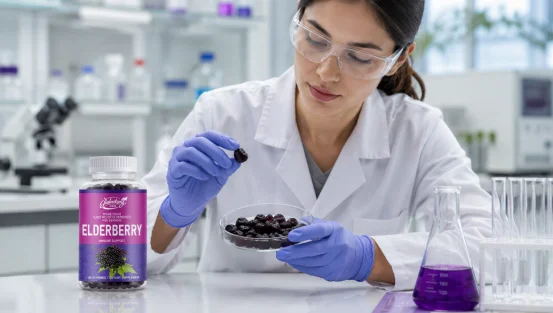
If using lots of your product, look at a few pieces in normal light. A good-looking piece of one on its own doesn’t necessarily indicate that the lot is visually uniform. Investigate color, shape, surface finish and size. Is the color appropriate to the product story (for example, a dark purple piece can lead the consumer to believe it is a grape or berry flavor, a pale yellow piece can set the expectation for citrus) without creating expectations that can’t be delivered on the flavor? Natural colors tend to vary more than synthetic ones, and sometimes your goal isn’t to get everything exactly the same, but do all of the pieces that are expected to be uniform still look like a thoughtfully marketed product? Note bubbles, rough edges, dents, cracks, leftover oil, exposed sugar crystals, pieces glued together-these might not necessarily be product failures, but can be indicative of a need for modifications in depositing, drying, coating, demolding or packaging. Photograph anything you wish to have your manufacturer address, preferably with several pieces in view.
Review appearance before flavor
By the time a team has sampled three or four, it can be easy to flip a flavor order. Sampling should be done in a repeatable fashion. Start with waters and a clean palate. The mildest product should be tasted first; sample intervals should be short and avoid bitter, mint, spicy foods etc. before tasting; and each sample tasting should be done separately. Break the tasting into stages: first bite, does the initial sweetness and acid balance? Mid-chew, do any bitter, metallic, earthy or marine notes develop? End, does the flavor finish cleanly or linger? Full serving, does the product remain well liked when the desired label instruction of the consumers’ number of gummies is consumed? This is a “red flag.” One piece tastes incredible, yet three are far too sweet, too sour, or too mouth coating to eat as a full serving. Always test the full intended serving, not just each good tasting piece. Do not say “make it better”. Describe what changed and how: less sourness in the first bite, more berry character in the chew, shorter mineral aftertaste, less overall sweetness etc. Specific language provides the flavorist with tangible targets.
Taste in a repeatable order
A texture is not one moment. Note on the first chew the resistance, on the chew how it dissolves and what’s left on the teeth at the end. Too firm of a gummy could be the gel system, solids level, moisture or curing conditions. Too soft of a gummy could be because the balance has moved in the other direction. Gelatin and pectin will give different eating experiences so it is important feedback points are specific to the base used in a project and not just to a general thought about a good gummy. Check elasticity, spring, tackiness, grain and residue. If powders or high mineral loads in the formulation watch out for a chalkiness while if oils are used watch out for a greasy surface or a weird release when chewing. For sugar coated products analyze the coating whether it remains crisp or absorbes moisture quickly. Don’t determine from a gummy that just arrived to the lab when it was sent in the mail and give it time to cool down to room temperature, record the environment. The temperature will influence what it feels like.
Compare the sample formula against the draft Supplement Facts or nutrition information. Cross check the ingredient types, your conversion factors (if any), ingredient amounts per serving, allergen declaration, sweetener system, source of colors and other ingredients. Marketing language shouldn’t come before the formula. If a brand plans to label as vegan, sugar-free, gelatin-free or naturally flavored, that declaration has to be supported by everything about the product and all of its documentation in the appropriate sales territories. This might include packaging components, finished packaging, manufacturing controls – everything. Use claim check as an opportunity to gather market specific questions. Labeling requirements, allowed ingredients and claim wordings vary by country and market. The manufacturing team can give formula and manufacturing details; the brand is responsible for gaining the appropriate reviews.

Evaluate texture over the whole chew
A small tasting sample is an indication of progress, not an assured shelf life. It won’t show how well the product will handle so many months in a warehouse or a freight journey. Before signing off, find out what testing has been done and what’s planned. It could involve identity and potency testing, microbiological analysis, physical property observation, packing compatibility tests and stability work, depending on the formula and project. Find out which results are applicable to the small sample, and which need to be verified on the commercial batch. Keep a few samples in sealed containers in the agreed upon storage conditions. Revisit them after a week or two, and compare with your initial notes. Look for color migration, aroma loss, hardening, softening, sweating, sugar crystallization or pieces sticking together. This is an informal, non-scientific observation and shouldn’t replace proper testing, but it might show some glaring concerns before proceeding further with the project.
Organise the comments into three piles after the review: Approve relates to features already in the brief- size of gummi, some wording of the berry, thickness of the coating. Adjust relates to obvious tweaks that developer can carry out- slightly lower acidity, lighter color, firmer bite. Investigate relates to questions that require technical clarification- an unusual aftertaste, a contradictory amount of coating, a confusing label claim. Then determine whether another round of sampling is needed. When several important variables shift at once, ask for distinct versions with straightforward designs, and determine what each version is trying to assess. Endless rounds of gummi sampling result when every iteration shakes up too many elements without written input.