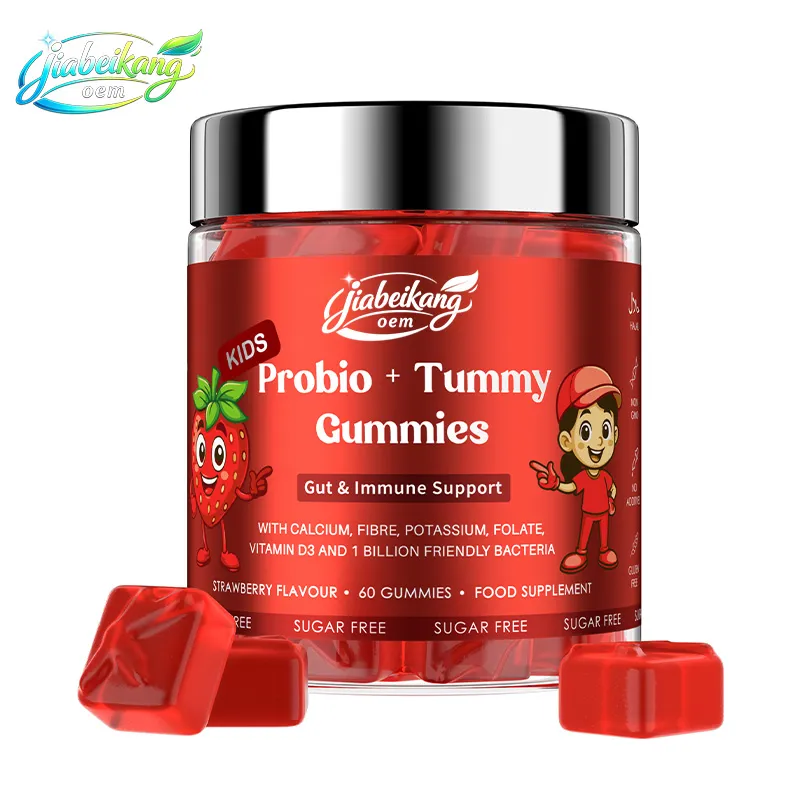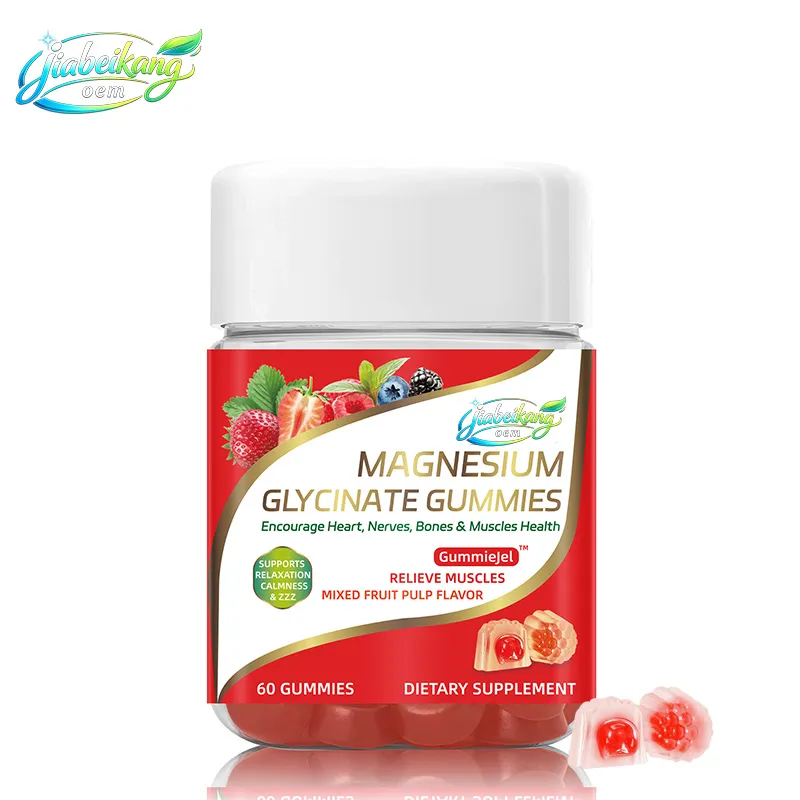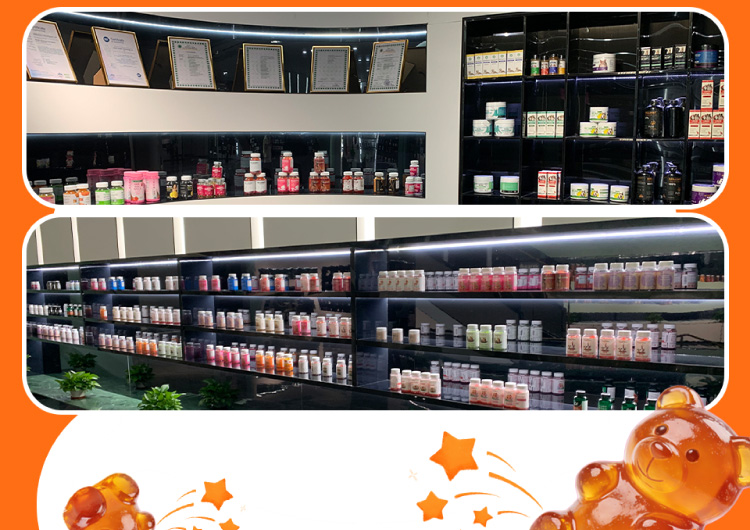




The first gummy sample often creates a strange kind of excitement. After weeks of discussing ingredients, dosage, flavor and shape, there is finally something physical on the table. The team opens the pouch, passes the gummies around and asks the obvious question: “Do we like it?”
That question matters, but it is not enough.
A commercial gummy has to do more than taste good during one meeting. It needs to remain consistent from piece to piece, work with the intended serving size, fit the selected packaging and hold up through storage and shipping. It also has to support the label the brand plans to use. A sample can be enjoyable and still be wrong for the project.
The most useful approach is to review every sample with the same written checklist. That turns a subjective tasting session into a development decision your manufacturer can act on.
Start with the approved product brief
Before anyone tastes the sample, place the latest product brief beside it. Confirm the target user, market, active ingredients, serving size, gummy count, base, flavor, color and packaging format. If the sample was made to test only one part of the concept—flavor, for example—write that down too.
This small step prevents a common problem: different reviewers judge different products in their heads. One person expects a soft children’s gummy, another expects a firm sports gummy, and a third is thinking about a competitor’s texture. Their comments may all be honest, but they do not point the development team in one direction.
Give the sample a clear code and revision number. Record the date received and, if available, the production date. When several versions arrive, do not rely on “the red one” or “the softer one.” A simple record such as Sample B2, strawberry, reduced-acid version keeps feedback connected to the correct formula.
Review appearance before flavor
Look at several pieces under normal light. A single attractive gummy does not prove that the batch is visually consistent. Compare color, shape, surface finish and size across the sample.
Check whether the color suits the product story without creating expectations the flavor cannot meet. A deep purple gummy may prepare the consumer for berry or grape; a pale yellow gummy may suggest citrus. Natural colors can vary more than synthetic colors, so the goal is not always absolute uniformity. The question is whether the expected range still looks intentional and commercially acceptable.
Also look for bubbles, rough edges, dents, cracks, excess oil, exposed sugar crystals or pieces that have stuck together. These observations do not automatically mean the formula has failed. They may point to adjustments in depositing, drying, coating, demolding or packing. Photograph anything you want the manufacturer to review, ideally with several pieces in the same frame.
Taste in a repeatable order
When the team tastes three or four versions at once, the order can change the result. Start with water and a neutral palate. Test the mildest version first, leave a short break between samples and avoid strong coffee, mint or spicy food immediately beforehand.
Break the taste experience into stages:
- First bite: Is the initial sweetness and acidity balanced?
- Mid-chew: Do bitter, metallic, earthy or marine notes appear?
- Finish: Does the flavor end cleanly or leave a long aftertaste?
- Full serving: Is the product still pleasant when the consumer takes the label-directed number of gummies?
The last point is easy to miss. One piece may taste excellent, while a three-gummy serving feels too sweet, too acidic or tiring to chew. Always evaluate the actual serving, not only a single piece.
Avoid vague notes such as “make it better.” Say what changed and in which direction: less sourness at the first bite, more berry character during the chew, shorter mineral aftertaste, or lower overall sweetness. Specific language gives the flavorist a usable target.
Evaluate texture over the whole chew
Texture is not one moment. Note the resistance on the first bite, the way the gummy breaks down and what remains on the teeth at the end.
A gummy may be too firm because of the gel system, solids level, moisture or curing conditions. It may be too soft because the balance has shifted in the other direction. Gelatin and pectin also create different eating experiences, so feedback should be tied to the base selected for the project rather than to a universal idea of the “perfect” gummy.
Check elasticity, spring, stickiness, graininess and residue. If the product contains powders or high mineral loads, pay attention to chalkiness. If it contains oils, notice any greasy surface or unusual release during chewing. For sugar-coated products, review whether the coating stays crisp or quickly absorbs moisture.
Do not make a final texture decision from a gummy that has just arrived from a hot delivery vehicle. Let the sample return to a controlled room temperature and record the conditions. Temperature changes how a gummy feels.
Review the sample against the label concept
Compare the sample formula with the draft Supplement Facts or nutrition information. Verify ingredient forms, amounts per serving, allergen information, sweetener system, color sources and other ingredients. Marketing copy should not move ahead of the actual formula.
If a brand plans to use terms such as vegan, sugar-free, gelatin-free or naturally flavored, every part of the product and its documentation must support that statement in the intended market. Packaging components and manufacturing controls can matter too. Treat claims as items to verify, not decorative language to add near the end.
This is also the right moment to identify market-specific questions. Label rules, permitted ingredients and claim wording differ by country. The manufacturing team can provide formula and production information, while the brand remains responsible for obtaining the appropriate regulatory review for its sales markets.
Ask what the sample does not prove
A tasting sample is evidence of development progress, not proof of full shelf life. It does not automatically show how the product will perform after months in a warehouse or a long freight route.
Before approval, ask what testing has been completed and what is planned. Depending on the formula and project, that may include identity and potency checks, microbiological testing, physical-property monitoring, packaging compatibility and stability work. Clarify which results belong to the small sample and which will be confirmed on the commercial batch.
Keep a few sealed samples under the agreed storage conditions. Revisit them after one or two weeks and compare them with your original notes. Watch for color movement, aroma loss, hardening, softening, sweating, sugar crystallization or pieces beginning to stick. This informal observation does not replace formal testing, but it can reveal obvious concerns before the project advances.
 Gummy manufacturing and product development support” style=”width:100%;height:auto” loading=”lazy”>
Organize feedback into approve, adjust and investigate
After the review, sort every comment into one of three groups.
Approve covers characteristics that already meet the brief: for example, gummy size, base and general berry direction.
Adjust covers clear changes the development team can make: slightly lower acidity, firmer bite or lighter color.
Investigate covers questions that need technical confirmation: an unexpected aftertaste, inconsistent coating, a serving-size conflict or uncertainty about label wording.
Then decide whether another sample round is necessary. If several major variables change at once, request clearly coded versions and agree on what each version is intended to test. Endless sampling often happens because every round changes too many things without a written decision.
Record the final decision
Use a one-to-five score for appearance, taste, aftertaste, texture, serving experience and fit with the brief, adding a comment beside any low score. Have reviewers score independently before discussion. Final approval should name the exact sample code and any open conditions; “approved subject to label review” is not the same as full formula approval.
FAQ
Should we approve flavor and texture in the same round?
They can be reviewed together, but record them separately. A sample may have the right flavor and the wrong firmness. Separating the decisions helps the manufacturer preserve what works while changing what does not.
Can a good pilot sample guarantee the commercial batch?
No. The pilot sample is a development reference. Commercial equipment, batch size, drying and packing conditions can introduce differences, which is why specifications, in-process controls and production-batch testing matter.
Turn tasting into a production decision
The best sample review is neither a quick thumbs-up nor a search for perfection. It is a controlled comparison between the product brief and the physical product in front of you.
When appearance, taste, texture, serving size, packaging fit, documentation and next-stage testing are reviewed together, the manufacturer receives clearer direction and the brand avoids preventable revisions. If you are preparing a private label gummy project, Red Kangaroo can support formula discussion, sampling, packaging coordination and commercial production planning. Bring a specific brief and an equally specific sample checklist—the quality of the decision usually improves immediately.