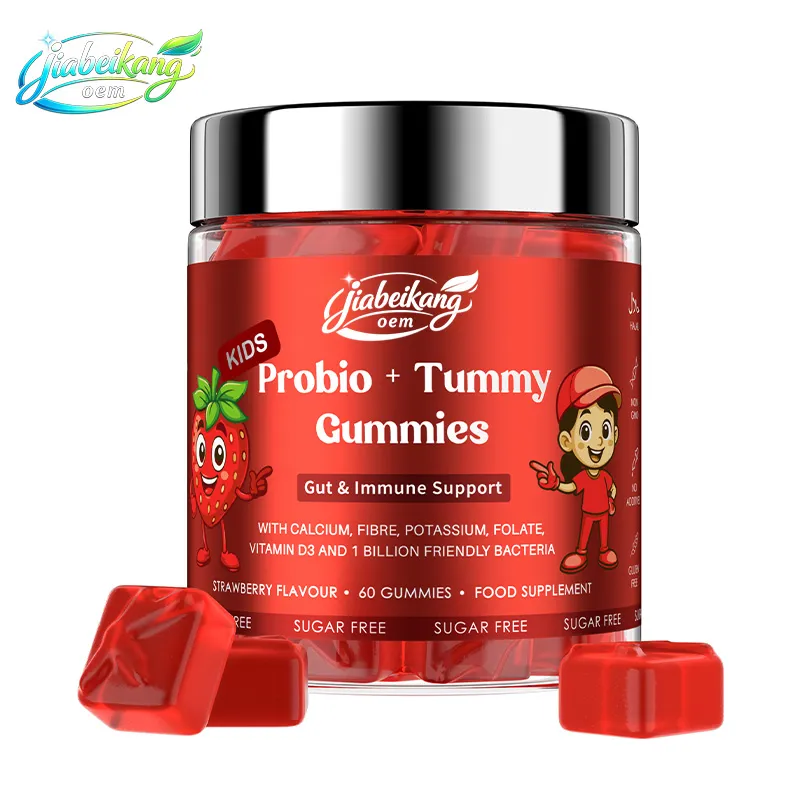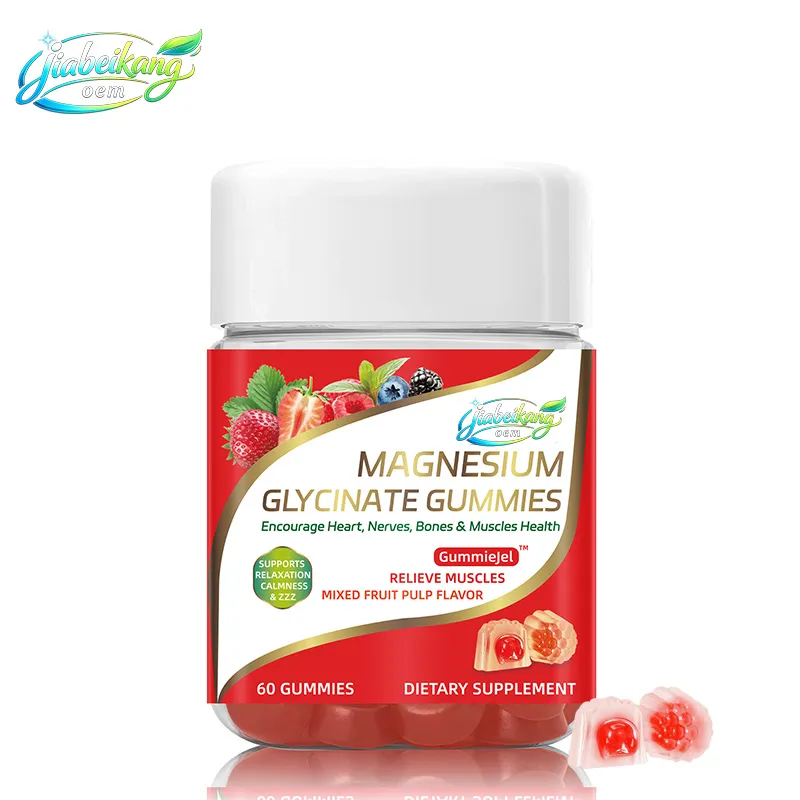




A brand may begin a gummy project with a simple request: put a particular amount of an ingredient into one or two pieces. On paper, that sounds like a straightforward calculation. In development, the requested amount influences almost everything that follows—the size of each gummy, the number of pieces per serving, flavor intensity, texture, processing behavior, packaging count and even which analytical method may be suitable for the finished product. This is why an experienced formulation discussion starts with more than a list of ingredients. It asks what amount must be delivered per serving, how many pieces consumers are expected to take and what product experience the brand wants to create.

A gummy has limited physical space
Every gummy contains a structure-forming system, water during processing, sweeteners or alternative bulking materials, acids, flavors and other supporting ingredients. The active ingredient must share a limited piece weight with that entire system. A vitamin used in a small milligram quantity may fit without dominating the formula. A mineral, amino acid, fiber or other ingredient used at a larger amount can occupy a substantial part of each piece. Increasing active load may require a larger mould, more pieces per serving or a reformulation of the gummy base. The front-label number should therefore be translated into three practical figures:
- amount per full serving;
- number of gummies per serving;
- target weight of each gummy.
Without those figures, a manufacturer cannot judge whether the proposed format is realistic.
Serving architecture comes before label design
Brands sometimes approve a bottle count before the serving has been finalized. That reverses the natural order of development. If the formula eventually requires four gummies per serving instead of two, a 60-count bottle changes from a 30-day supply to a 15-day supply. Serving architecture also affects cost, container size and consumer expectations. A gram-level formula divided across several pieces can be technically possible while still feeling inconvenient in daily use. A smaller serving may require reducing the active amount or choosing another format, such as a powder, capsule or chewable tablet. For products intended for the United States, the FDA explains that the Supplement Facts panel must state serving size, servings per container and the amount of each dietary ingredient per serving. Those fields should be planned together rather than treated as separate artwork details.
High loads can change texture
An active ingredient is part of the physical formula, not a line of text added at the end. Powders can absorb water, interfere with gel formation, create grittiness or make a gummy firmer or softer than the original base. Particle size matters. A fine powder may disperse differently from a coarse or agglomerated material. Hygroscopic ingredients can attract moisture. Minerals and salts can interact with acids or the gelling system. Oils and poorly water-soluble materials may need a suitable dispersion approach. For this reason, texture should be assessed after the target active load has been added. A plain base sample can demonstrate a flavor direction, but it cannot prove that the finished high-load formula will have the same bite or stability.
Flavor masking has a physical limit
Many supplement ingredients are bitter, metallic, sour, earthy or aromatic. A modest amount may be balanced with flavor, sweetness and acidity. As the load increases, the ingredient can become the dominant sensory note. Adding more flavor is not always the answer. Excessive acidity may affect the gel or create a sharp first taste. More sweetener can change texture and nutrition labeling. Strong flavors can cover the first second of chewing while leaving an unpleasant aftertaste. The development team may need to compare ingredient sources, adjust particle size, use complementary flavor profiles or divide the serving across more pieces. A realistic sample brief should define the acceptable trade-off between active amount, serving count and taste.
Ingredient compatibility should be reviewed early
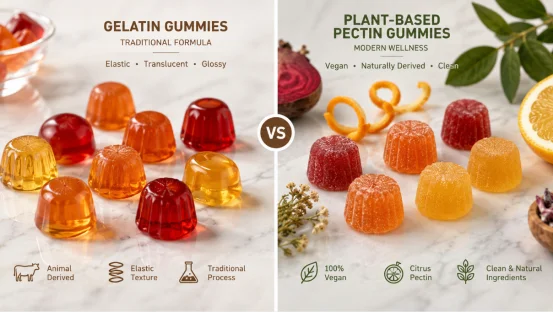
Multi-ingredient formulas add another layer of complexity. Two ingredients that work independently may behave differently when combined. They can affect pH, color, odor, viscosity or stability. A botanical extract may introduce natural color variation, while a mineral may create a visible haze or sediment. The review should include all active and inactive materials, not only the headline ingredient. Sweeteners, acids, colors, flavors and coatings can influence the finished matrix. If a brand wants a vegan, gelatin-free, sugar-free or allergen-conscious positioning, those requirements further narrow the available formulation options. It is usually less expensive to identify conflicts during the technical brief than after packaging artwork has been completed.
Processability matters at commercial scale
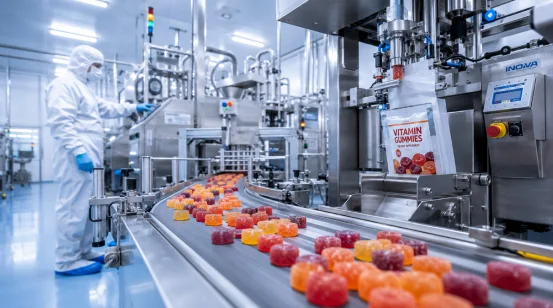
A sample made in a small laboratory batch may be deposited, mixed and cooled differently from a full production batch. High powder loads can change viscosity and flow. The mass must remain sufficiently uniform while it is transferred and deposited into moulds. Scale-up questions include:
- Can the active material be dispersed consistently?
- Does the mass remain within the target processing range?
- Are piece weights stable across the run?
- Does the ingredient settle or separate during holding?
- Can the gummies be removed, conditioned and coated without damage?
A commercially useful sample is not only pleasant to eat. It should point toward a repeatable manufacturing process.
Finished-product testing needs the real matrix
Raw-material documentation is important, but it does not replace review of the finished gummy. The completed product contains a complex mixture of actives, sweeteners, acids, flavors and gelling materials. That matrix can affect sample preparation and analysis. Testing plans should be discussed before launch, particularly for unusual combinations or large label claims. The selected method should be appropriate for the ingredient and finished format. Brands should also distinguish identity testing, potency or assay testing, microbiological testing and contaminant testing rather than referring to all of them simply as “lab tested.” FDA dietary supplement current good manufacturing practice requirements emphasize specifications that help ensure identity, purity, strength and composition. The exact program depends on the intended market and product.
Packaging cannot be separated from the formula
A high-load gummy may be larger, heavier or more moisture-sensitive. Those characteristics affect bottle volume, pouch dimensions, count accuracy and shipping weight. A formula that needs three large pieces per serving may require a very different container from a two-piece vitamin gummy. Packaging selection should consider expected climate, closure performance, headspace, desiccant suitability and how often the container will be opened. Stability work should use the proposed commercial packaging, not an unrelated laboratory jar.
What to include in the development brief
A useful first brief should state:
- exact ingredient names and preferred sources;
- amount of each active per full serving;
- preferred number of gummies per serving;
- target markets and label language;
- dietary requirements and excluded ingredients;
- flavor, color, shape and coating preferences;
- bottle or pouch concept and target count;
- testing and documentation expectations;
- acceptable areas for adjustment.
The final point is especially valuable. If two gummies cannot carry the requested load with an acceptable taste, the manufacturer needs to know whether the brand would rather increase the serving, change the flavor, reduce the amount or consider another dosage form.
FAQ
Can any powder be added to a gummy?
No. Suitability depends on the ingredient, amount, solubility, particle characteristics, taste, stability and intended market. A technical review and sample work are necessary.
Does a larger gummy always solve a high-load problem?
Not always. A larger piece provides more space, but it can affect chewing experience, packaging and process conditions. Ingredient compatibility and sensory limits still apply.
Can a laboratory sample confirm shelf life?
No. A sample can support formulation decisions, but shelf life should be based on an appropriate stability program using the final formula and packaging.
Start with the serving, not the marketing number
The most productive gummy projects begin by connecting the active amount with piece weight, serving count and product experience. That conversation makes it easier to set realistic targets for taste, texture, production, testing and packaging. Red Kangaroo works with brand owners, distributors and importers to review gummy concepts from the technical brief through sampling and commercial planning. Bringing a clear target—and identifying where there is room to adjust—helps the development team build a product that is understandable on the label and practical to manufacture.