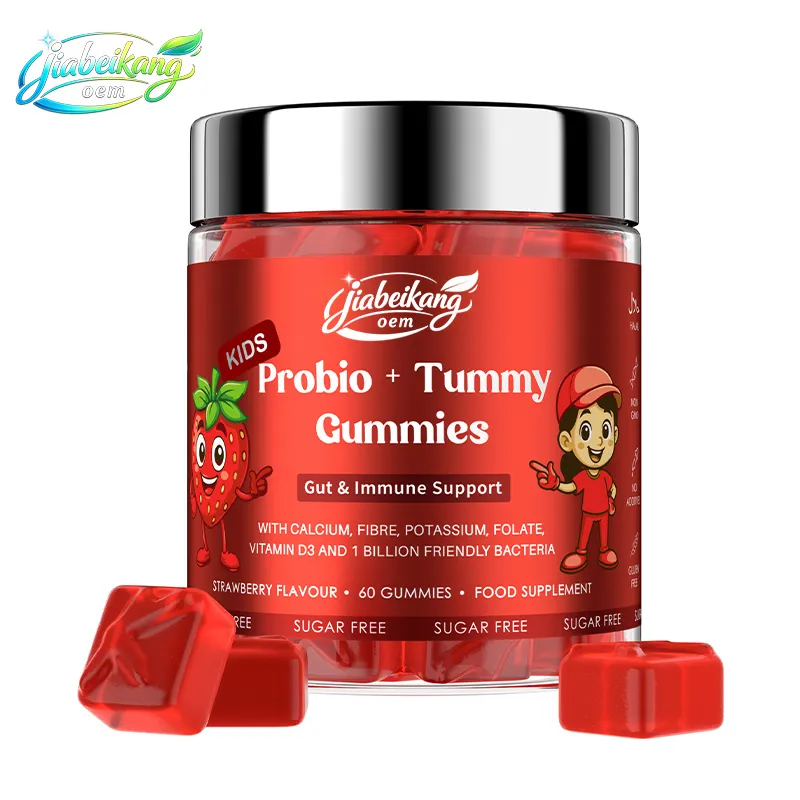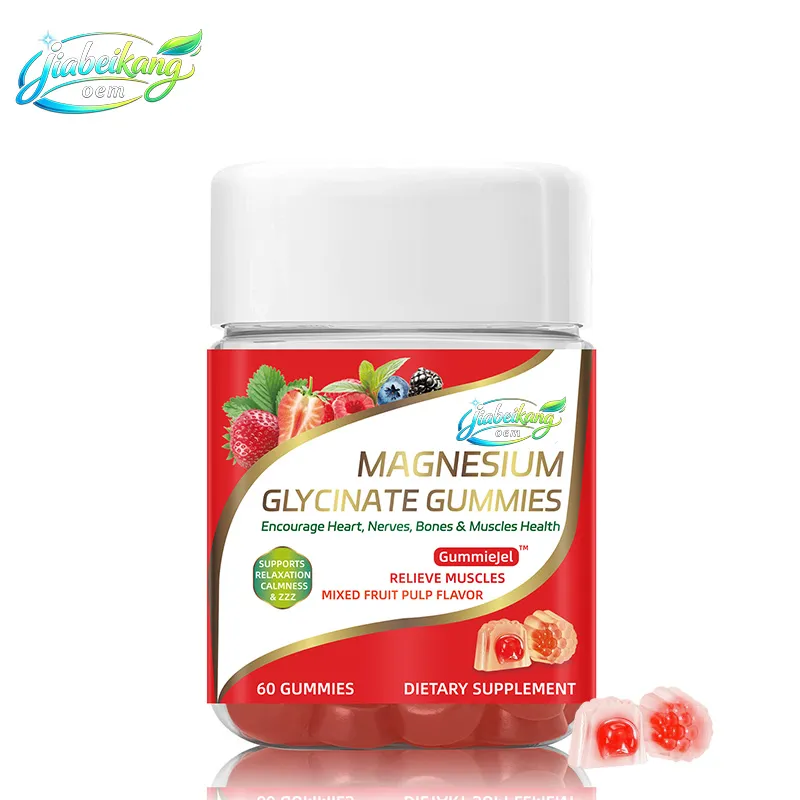




A manufacturer could start a gummy project with relatively simple asks: Incorporate a set amount of an ingredient into one or two pieces. On paper, that seems like a piece of (gummy) cake. But once you get into the actual development, that request influences just about everything else: Gummy size. Num ber of pieces in a serving. Flavor. Texture. How it processes. Number in the pack. How an analytical test method applies to the finished product. That’s why this deep dive is not just a list of ingredients: What is the target dose per serving, how many pieces should consumers eat, and what do we want the product to deliver?
Gummy formulation and lab review
A gummy is limited in size. In each piece, it contains a structural system and water from processing, sweeteners or other filling ingredients, acids, flavor and preservatives and other auxiliary ingredients. The active ingredient has to be contained within that limited piece weight. A small amount vitamin at only a few milligrams may be accommodated without overwhelming the formula. An ingredient used at a larger weight (say a mineral, amino acid, fiber or other filling ingredient) can take a large fraction of each piece. If we want to load a new gummy with more ingredient, we may need larger moulds, smaller servings or plan on a totally new formula. So, three numbers should be on our front label: amount per serving, number of units per serving and weight of each unit. Without those, we won’t know if our serving size is feasible.
Serving architecture comes before label design
Brands sometimes okay a bottle count before the serving goes final. That is the opposite of the natural course of things. Some day, the formula might need four gummies per serving rather than two. That would turn a 60-count bottle into a two-week supply instead of a one-monther. Serving architecture also impacts the price, bottle size and the consumer expectations. If a gram-level formula is divided into a few pieces, that can still be technically feasible, but it might be less than convenient in the day-to-day. Serving size might need to be reduced, or an alternate format might be more appropriate – another vitamin form, like a powder, a capsule or a chewable tablet. For brands marketing to the US, the FDA notes that the Supplement Facts panel must include a statement of the serving size, the number of servings in the container and the amount of each dietary ingredient per serving. Those three data points should be planned as a set and not treated as individual design elements.
High loads can change texture
An active ingredient is part of the physical formula not an arbitrary line of text inserted in the formula. Powders can pull water out of the gel, stretch, distort and make the gummy more firm or softer than the base. Particle size is a considerable concern. A finely milled powder will disperse differently than a more coarse or agglomerated product. Moisture absorbing (hygroscopic) powders can draw water out of the gel. Minerals and salts may interact with acid and gel systems. Oils and low water solubility powders may require a specific dispersing method. Texture must be evaluated after the active load has been added, but before the product is stabilized. A bare base sample can illustrate a flavor move but will never demonstrate the high load formula’s biting ability or long term stability.

Samples and custom shapes of gummies
Flavor masking has a physical limit
Most ingredients in supplements have a bitter, metallic, sour, earthy, or aromatic attribute. A modest amount will be balanced with flavor, a little sweetener and acid. More and more of the ingredient becomes the front and center flavor. Flavoring isn’t always the quick fix. Too much acid will impact the gel and creates a harsh initial taste. Too much sweetener impacts the mouthfeel, the nutritional label and the size of the final product. Too much flavor leaves an initial, spoon-like mouthfeel, and then a lingering unpleasant aftertaste. The development team will explore blends of ingredient sources, reduce particle size, cross-modal combos of flavor notes, or spread it over more pieces. A realistic sample brief will clarify the trade-offs of active amount, piece count, and taste.
Ingredient compatibility should be reviewed early
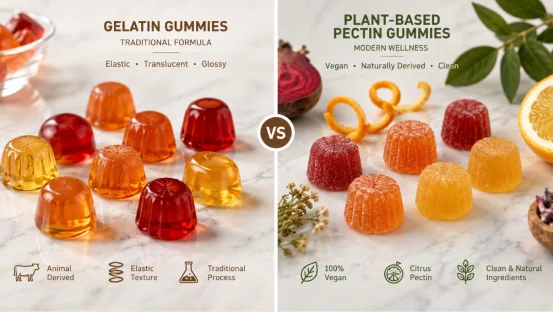
Multi-ingredient formulations bring in another factor. Even two ingredients that behave fine on their own can – when combined – change pH, color, odor, viscosity or stability. What one well-placed natural color or component can do to a botanical extract, another may do to a mineral to create a haze or an intractable sediment. Everything, both active and inactive, should be considered in the review; even the headline ingredient can be affected by sweeteners, acids, colors, flavors and coatings. If a brand has determined they want vegan, gelatin-free, sugar-free or allergen-friendly claims, that’s just one more parameter to add to the formulation limitations, but it’s usually best to find those out when writing the technical brief – it can cost more to backpedal after package art is completed.
Processability is key at industrial scale
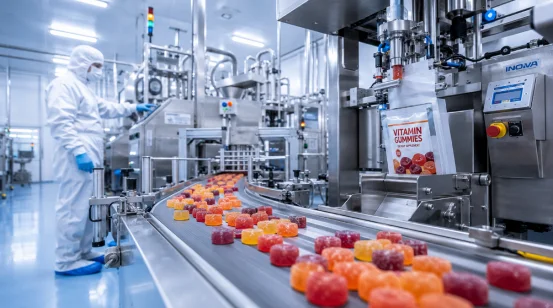
The sample is prepared in small laboratory-sized production and deposits, mixes and cools in different ways from the full production batch. Higher concentrations of powders affect viscosity and flow. As the mass is transferred and deposited into moulds, it must remain sufficiently uniform. Scale-up concerns are: Can the active material disperse reliably? Is the mass still within the process window? Is the piece weight stable throughout the run? Does ingredients settle out or otherwise separate? Can the gummies be demoulded, conditioned and coated without breakage? A commercially useful sample is not just an enjoyable product to eat. It should serve as a steer to potential repeatability of manufacturing.
Finished-product testing needs the real matrix
Note raw-materials documentation is important, but it is not substitute for testing the finished gummy. Finished product is a complex matrix of actives, sweeteners, acid and flavors, gelling agents and others that can influence sample prep and analysis. Testing protocols should be discussed prior to launching, especially for unusual gelling agents or large label claims. The method should be appropriate for the ingredient, but also for the finished format. Individual forms of testing also should be distinguished, such as identity testing, potency or assay testing, microbiological testing and contaminant testing, instead of simply “lab tested.” FDA dietary supplement current good manufacturing practice standards put an emphasis on specifications that can help determine the identity, purity, strength and composition of the finished product, which will vary according to the target market and product.
Automated gummy production and packaging line
Packaging cannot be separated from the formula
A high-volume gummy could be over-sized, heavy or more hygroscopic. The attributes influence volume in bottles, pouch sizes, count in packaging and shipping weight. If the product is two and a half large chunks per dose, it may necessitate a package markedly different than a typical vitamin gummy requiring only 2 pieces. Choice of package should factor in anticipated climate, closure integrity, headspace, desiccant efficacy and frequency of opening. Do not use an off the shelf lab jar for stability work.
What to include in the development brief
A great first brief would include: Specific ingredient names and recommended sources; dose per full serving of each active; number of gummies per serving; markets and language on label; diet restrictions and omissions; flavor, color, shape and coating preferences; bottle or pouch idea and desired count; test and documentation demands; tolerable areas of correction. That last point is crucial. If two gummies couldn’t carry the load proposed on the label, with tolerable taste, is the brand going to go with a bigger dose and make two or three gummies, or go for a different dosage form?
FAQ
May I add any powder to the gummy? Not necessarily. The ingredient, particle size, composition, solubility, taste, stability and target market all determine the right choice. This requires a technical evaluation and sample works.
Is more gummy always better in a high-load situation? No.