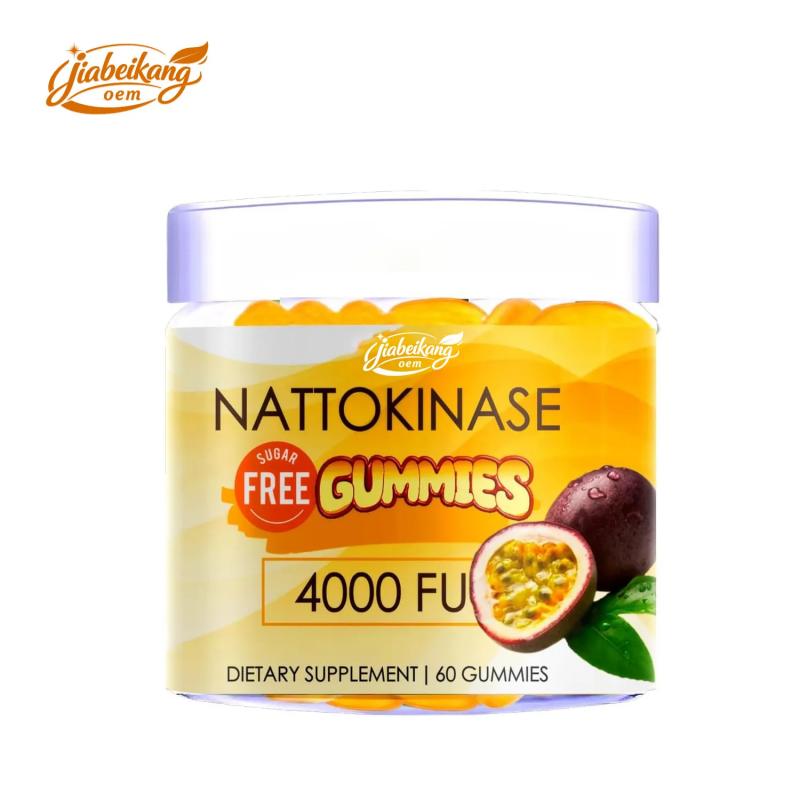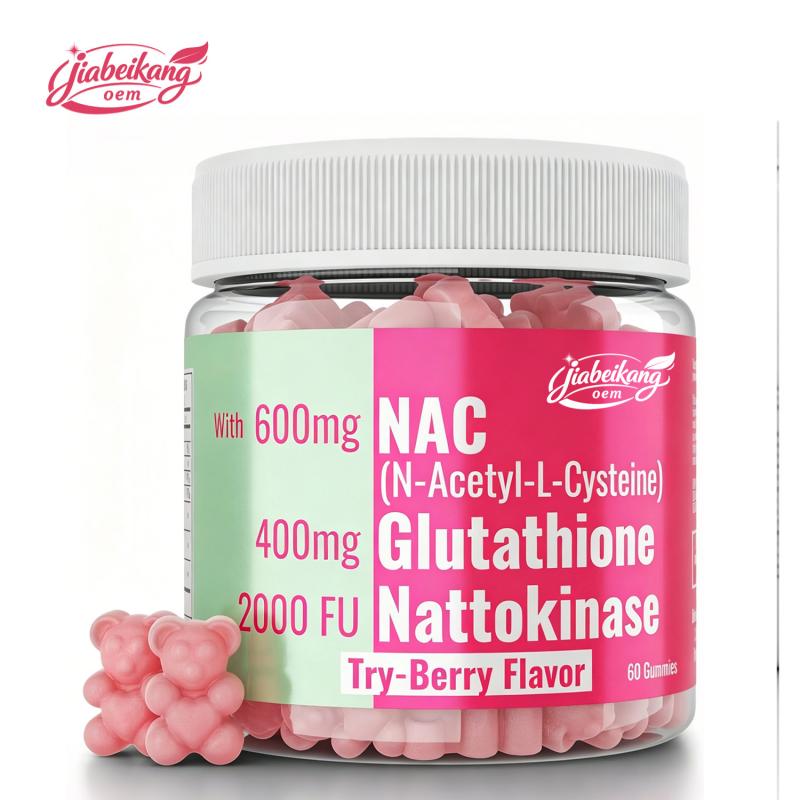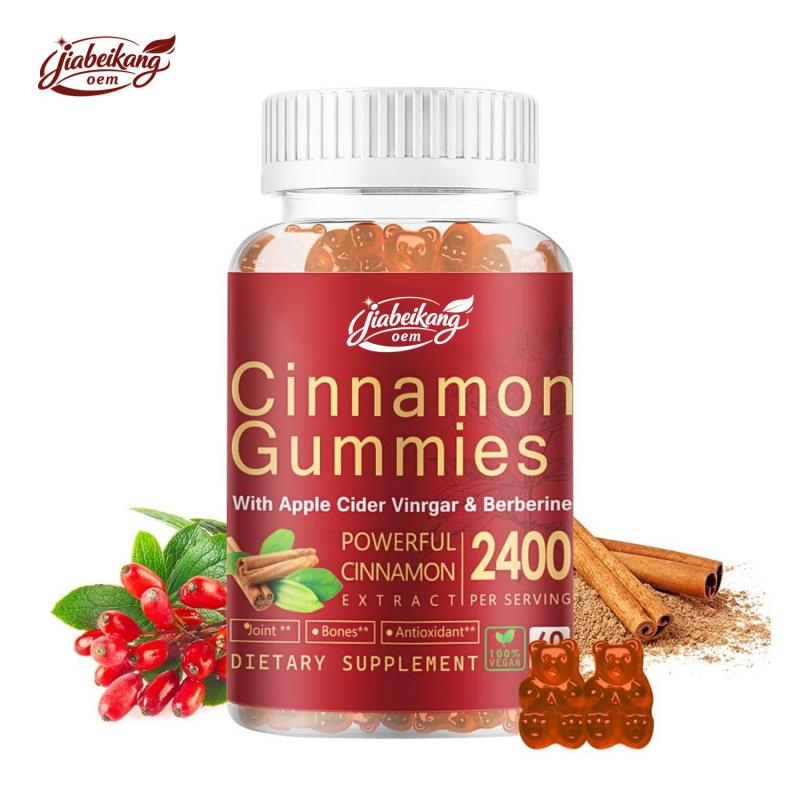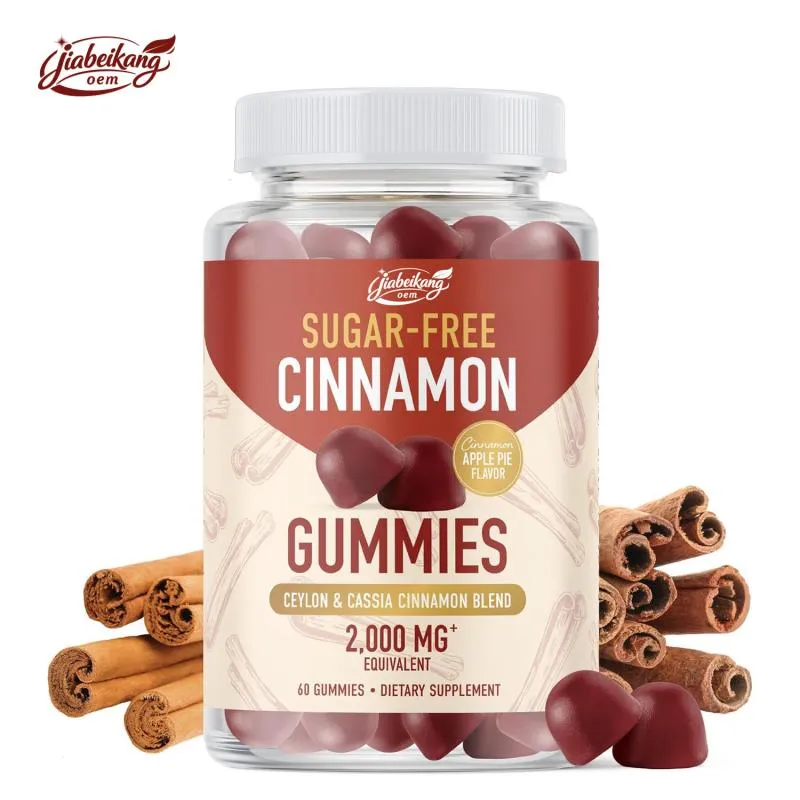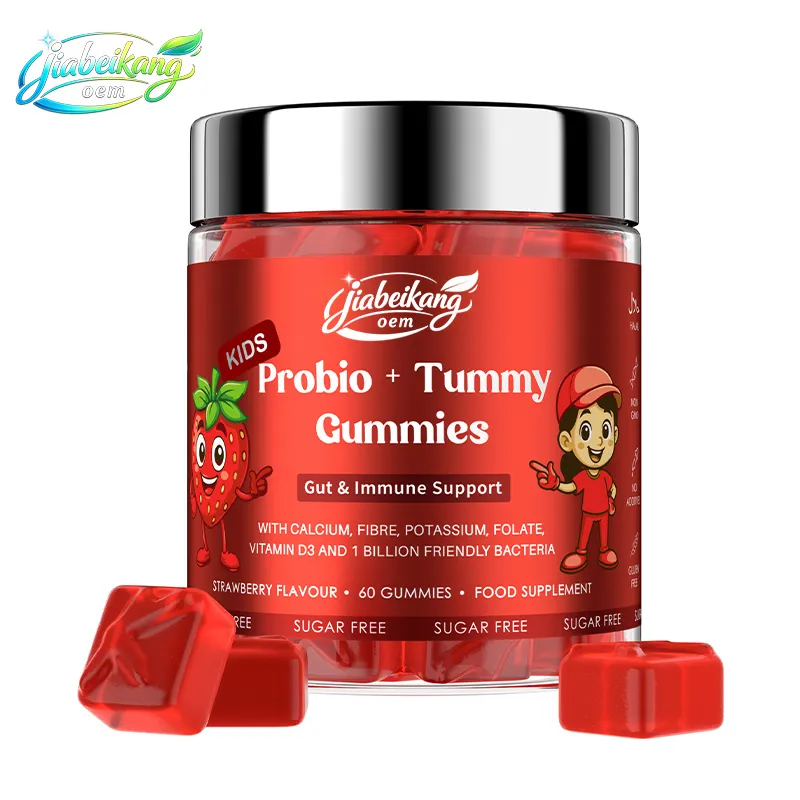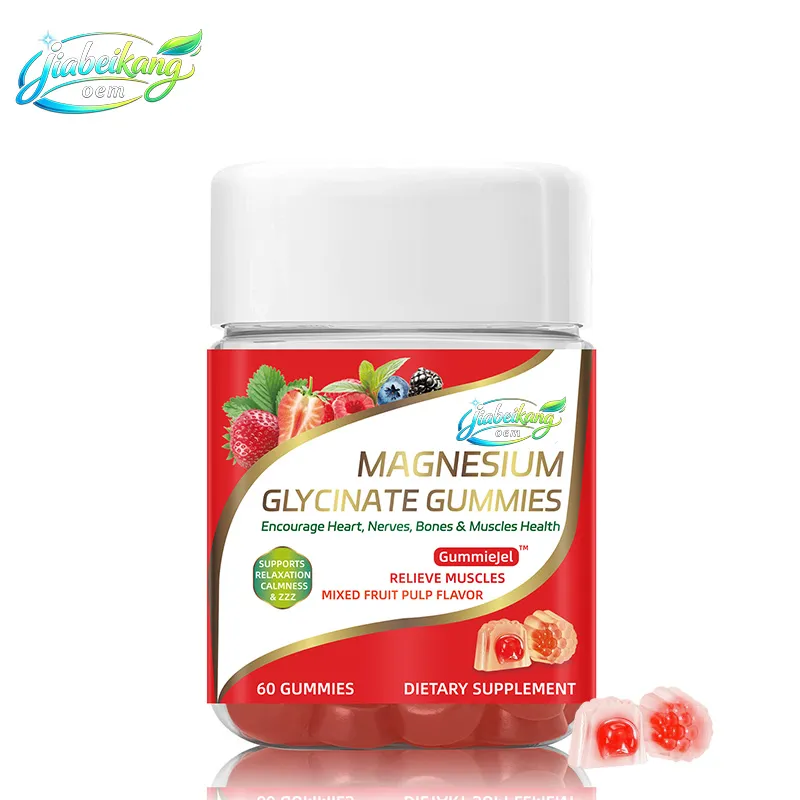




Your shape. When a customer lifts a piece of gummy from the bag or bottle, one of the first things they notice is the shape. Equally, it’s often one of the first things that a development team will forget to consider in detail. A branded, heart, cube, dome, bear or other shape isn’t just a design element, although of course it does look good. It will affect piece weight, thickness, surface area and visual appeal. It can dictate how easily a product moves through manufacturing and packaging too. If you’re designing a new range of shaped products, you might want to start with an existing mould to streamline development and minimize tooling. An established range might benefit from a more unique shape. But your choice here will depend on your formula, your pack format, your timescale and your budget. It’s not simply whichever drawing looks the most exciting.
Start with the product architecture
Not quite – before you ever get to shape, get the product architecture sorted. Decide the volume you want your one piece of product to deliver. Your formula team should specify target active amount, number of gummies per serving, approximate finished weight per piece. If you need multiple grams of active per piece, detailed shape becomes difficult and costly, unless maybe your focus is on convenience and how you like to eat your creatures. You can increase volume by making your high volume body thicker but that alters conditioning time and how long you can chew on them and yet more shape combinations drive size and number of bottle costs. A mould brief must specify: target finished weight per piece, pieces per serving, active amount, gelling system and coating concept, finished dimensions, bottle or pouch concept, markets and age groups. Let shape support the decisions.
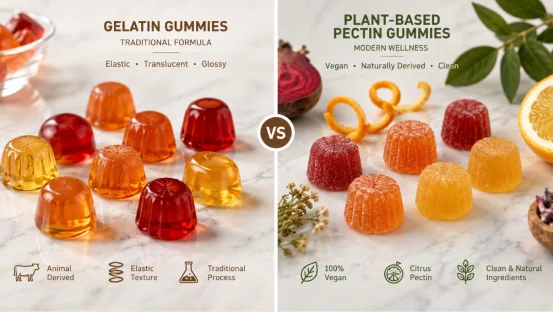
Standard mould libraries generally have bears, domes, cubes, stars, hearts, fruit shapes and simple shapes. The advantage is that your development team can get straight onto formula and sample work because the tooling is there. Standard shapes are a good option if you’re tight to launch, if your budget is prioritised for formula or pack, if you’re testing a new market, if most of your brand recognition is bottle/label based or if you’ve got a standard piece weight that suits your serve plan. Having a standard shape doesn’t mean your other products will look the same, differentiation comes from colour, flavour, coating, pack and label. The only problem is that someone else may use the same shape.
What a standard mould offers
A custom mould can be used to create a logo, symbol, character or shape relating to your brand. It can add brand recognition and familiarity to an unbranded gummy once it is taken out of its packet and allow you to build a more complete visual identity. But tiny artwork doesn’t always make a well-formed gummy. Round shapes can’t hold all of the intricate lines and details – which may seem sharp at the computer will blurr after deposition, demoulding, conditioning and coating. The most effective custom moulds feature a simple outline, sufficient depth and the correct proportions. Once the final design concept is approved, the manufacturer should be able to run it for you.
Custom tooling- technical drawing, dimensional review, tooling build and physical sample approval Add time to what you’ve already agreed to. Changing the formula load or serving after tooling is started may prevent the portion weight from fitting the page. Your project plan could be: shape idea, manufacturability check, drawing and dimension approval, tooling build, sample pieces, weight and appearance verification, any needed adjustment, release for commercial manufacture. Who owns the tooling, where will it be stored, for how long, can it be used for another customer- write these commercial points down.
What a custom mould can add
The perfect gummy should come out of the mould intact, keep shape while handling, and condition evenly. Very thin edges can be fragile. Deep indentations can fill and spill over, or lose definition. A large thick centre will tend to condition more slowly than the outside. Even the surface area can affect the coating – sugar or acid crystals may gather more on the detail of a piece than on a smooth dome. An oil coated product can be quite revealing or quite confusing depending on gloss and colour, so look at the finished sample not the mould drawing or uncoated trial.

Mould cavity volume is one element in piece weight; depositing consistency, formula density and processing parameters all play a part. Your specification should specify a suitable tolerance and clarify control of finished serving size. For shapes with narrow segments small variation may be more noticeable. Larger or smaller pieces impact the total number of pieces, the net quantity and the calculated active ingredient in each serving – your quality plan should relate the three.
Tooling adds time and approval steps
Equal weight may be different volumes. Long or odd shapes will not settle in a bottle like domed and squared pieces. Fancy shapes may require more head space or a wider mouth. Before you buy commercial packaging, fill the package with conditioned, coated pieces. Will the intended count fill the package without compression? How will the consumer remove the product from the package? Will pieces bridge at the neck? Is there room for a liner, a desiccant or other component? Will the product travel well without damage? For pouches, also watch the seal area. Will sharp or hard details stress the pouch film?
Unique shape Custom shape is a unique shape. It does not mean, however, that it is a trade mark or design that you are automatically protected, so get expert advice on trade mark, characters and intellectual property rights within the areas where you will operate. If you have used a third-party character or symbol, may require written permission. You should also have a commercial agreement which states whether the factory can photograph the shape for sale or trade-shows.
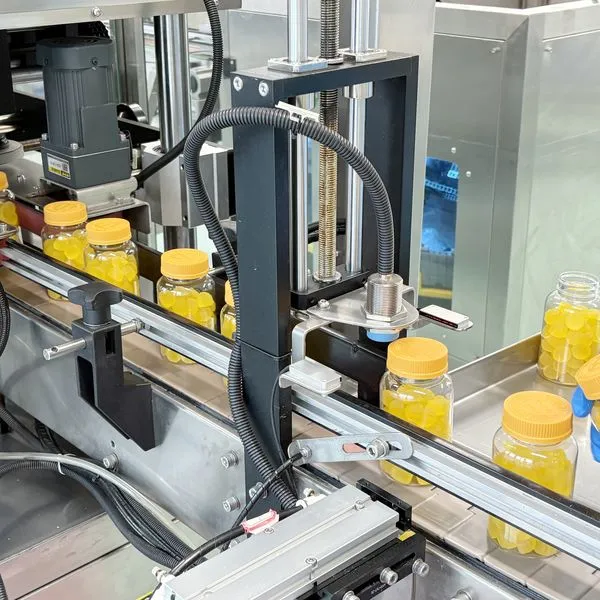
Shape changes processing behavior
Others start with the same mould as the parent brand, then introduce a custom design to the next batch of production. This has the advantage of reducing initial risk, though the new shape isn’t completely cosmetic. It can affect the weight, conditioning, coating, fill, even stability of individual items. Make sure you treat this as a controlled change; new samples and specs will be needed.
Opt for a standard when speed, lower initial complexity, and familiar handling are your goals. Tailor a custom when product architecture is firm, and shape creates meaningful brand value. Before selecting between standard or custom, ask: What final active load and caddy distribution plan; target finished-piece weight; acceptable tooling investment and lead time; detail level to retain during production; coating and color plan; container opening and number; ownership and storage of tooling; change-control considerations.
Piece-weight tolerance matters
If I wanted to duplicate a logo in a gummy, can I? Not necessarily. Excessively detailed, fine lines, intricate features or sharp corners may not work. But it’s not a simple matter of duplication; some change is needed to optimize the new shape for the process. Do you have to go to new tooling for each private label product? Not in most cases. Many existing products use conventional shapes and are differentiated through formulation, color, flavor and packaging. Will a change in shape require new stability testing? Possibly. Changing the shape can alter the thickness, surface area, surface interactions and packing density; your technical team will need to evaluate what is required.
The right moulding choice helps the formula, serve, manufacturing process and packaging fit together to give your brand the perfect amount of differentiation. At Red Kangaroo, we can discuss standard and custom mould selection as part of your product development process. When you merge the serving target, packaging design and visual reference into a single discussion, you can create a shape you can prototype, measure, and manufacture.