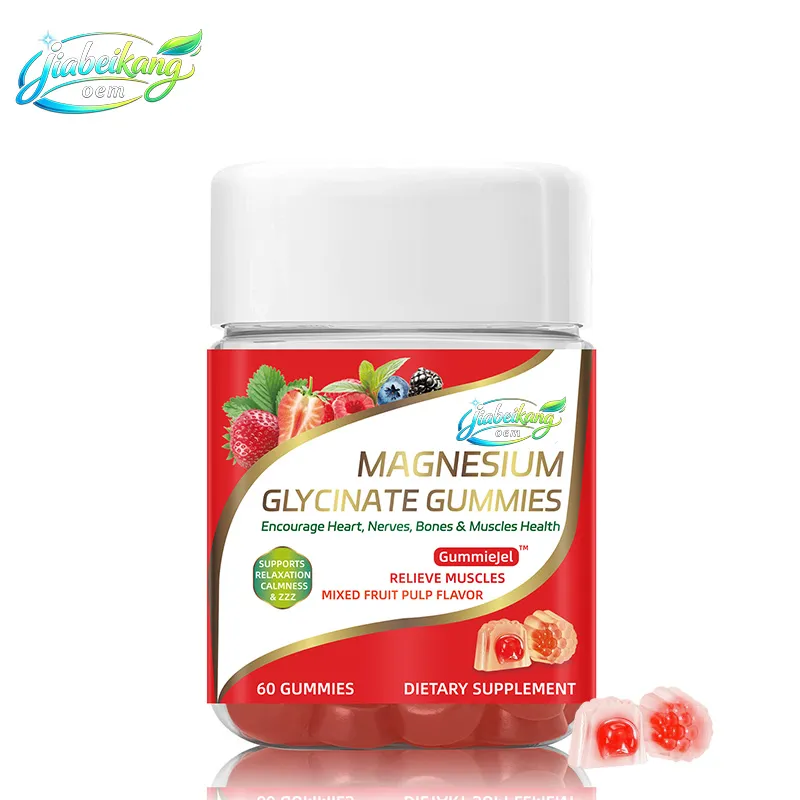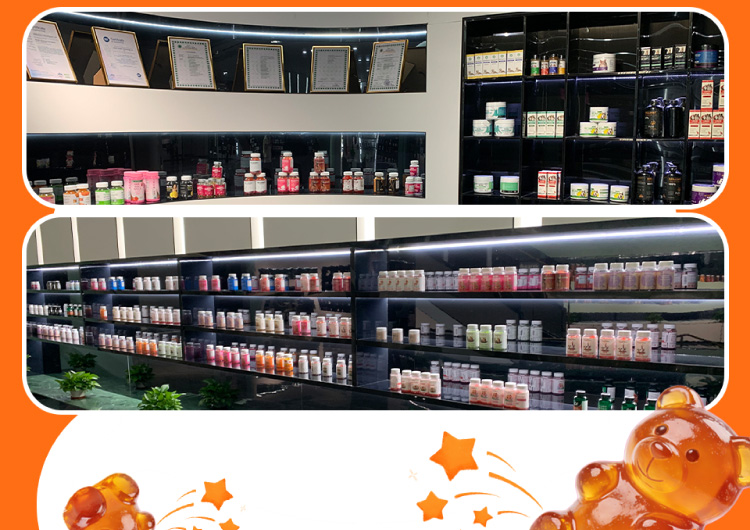




What most think of when they think of gummy production is mixing, depositing and mould shape. But one of the lesser-noticed steps takes place after the pieces are formed. After the initial forming, gummies must often sit in a controlled environment to gain the proper texture, moisture content and surface quality before they can be coated and bottled. This step might be described as drying, curing or conditioning, or other terms, all with a similar meaning, though different equipment and formulas may require different processes and time frames.
Cooling and conditioning are not the same thing
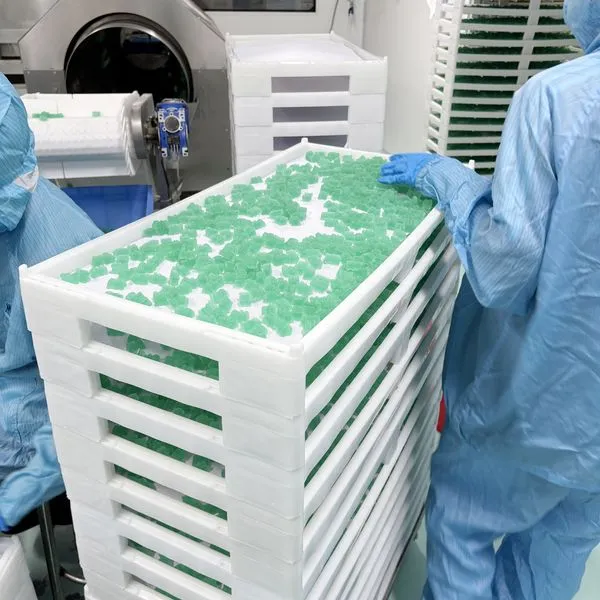
Cooling and Conditioning are not the same thing. Cooling is when the desired gel structure is allowed to set enough to make it convenient for handling and easy enough to release from the mould or package. Conditioning is to allow the moisture and texture to move freely to a more defined point, one being defined by the other; a fine rigid crust may overlay a soft interior. Package before the optimum moisture condition is achieved, maybe trapping the product at an unstable moisture condition, or wait too long or subject it to poor air conditioning conditions and surface gets hard while the centre remains different. The manufacturer therefore needs definable release criteria rather than simply elapsed time, it’s only a process input, the finish condition is the output.
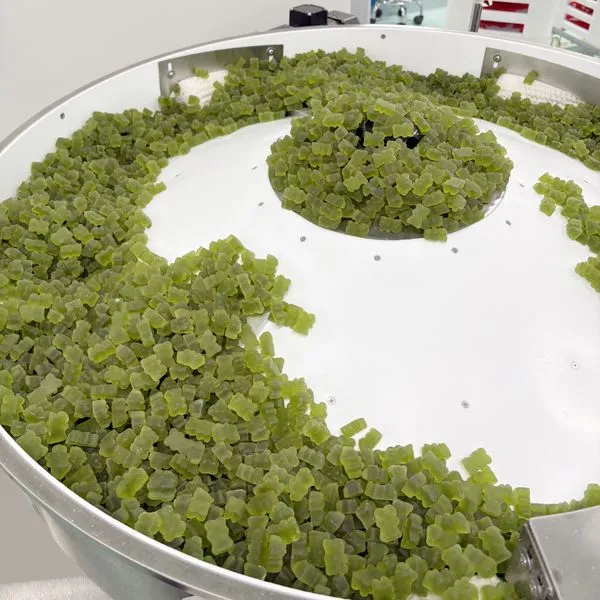
Water activity and moisture content address two separate questions. Moisture content defines what’s in the gummy, water content is how much. Product with similar total moisture levels may have very different water activities as sugars, fiber, salts and gelling ingredients all use a different punch bowl for that water. Water activity may relate to a textural change, tableting, subsequent sticking or microbiological consideration. Moisture content alone is not an absolute pass number with the same base of formula, process, packaging and shelf life considerations all should be addressed. Food brands don’t need to be scientists but should consider what constitutes readiness of packaging and whether the goal is validated with product development and stability work.
Moisture content and water activity answer different questions
Changing the gelling system will alter conditioning behaviour to some extent. Pectin and gelatin based products do not necessarily condition exactly the same way. Sugar free recipes, high fibre / protein formulas or large ‘amino acids’ or mineral loads within gummies can behave differently to sugar-based products. The factors that influence conditioning include: gelling system & solids level, sugar & alternative sweetener types, syrups & solids replacement, acid addition & pH, active load, piece weight & surface area, coating system, temperature & RH, air flow & tray loadings. That’s why it is not wise to copy someone else’s time without developing a drying process for the particular form & product.
Shape and size matter too. Here a small bear, a stock cube and a thin disc all have very different surface-area-to-volume ratio. An extra thick centre may take longer to come up to the required condition. Deep detail or small diameter rims may dry unevenly and become brittle. When custom moulds are discussed, appearance should be just one aspect. The technical team will also want to factor in piece weight, thickness, ease of demoulding and how the shape will behave in the conditions of the dry-down and the coating. If the same formula is transferred into a much larger mould, the processing assumptions may have to be reconsidered.
Formula composition changes conditioning behavior
Control the room: warm, humid air may slow or cause surface tackiness. Too dry may form a hard shell or cause excessive weight loss. Circulating or turbulent air may cause dents and weight variation within a batch. Commercial conditioning rooms have controlled temperature and humidity, and specific handling practices. Workers may rotate and sample trays, record time and conditions, and compare samples at various locations in the batch. The object isn’t to make a batch dry, it’s to get it into the acceptable range, with all the qualities of the batch intact.
Coating also is affected by surface condition. Oil or wax coatings, sugar coatings or acid-sugar coatings will perform differently depending on whether the product has a moist or warm surface. Coatings can be patchy, may migrate or dissolve if applied too early. Conversely they can have poor adhesion if applied after too much surface drying. Coatings also can alter how the consumer handles the product and can even affect how the pieces behave through the counting and filling equipment. For example, sticky product may bridge in a hopper or cling to neighboring gummies. Too much surface oil can cause labels or package components to stain.
Piece size and shape affect the moisture path
Know your weight change. As moisture escapes, there is a change in piece weight. This is important in terms of yield, net content, count, and the number of active ingredient in a finished piece. Formulation and production teams require an understanding of a set comparison baseline for yield calculations: deposited weight, conditioned piece weight, and tolerances for finished-piece variation are not equivalents. For a dietary supplement, the label claim is based on the finished piece. Production documentation and testing strategy should be based on the commercial product, not just the mass at the point of depositing.
Define checks on packaging completeness the batch should be inspected for prior to packaging: appearance and color uniformity; weight and size of the pieces; texture or firmness range; tackiness of the surface and coating coverage; moisture-related parameters of the composition; damage, roughness or lumps; relevant standards for in-process and finished products The number of times each check should be taken varies, but the decision should be recorded. Two days isn’t a full guideline for a packaging specification.
Room conditions need control
Afterwards, packaging and climate matter. Conditioning sets the stage, packaging must help stay there. Closure, liner, barrier performance, headspace and desiccant option should be right for product and destination climate. A gummy sent through high heat high humidity environment may encounter a very different atmosphere than the manufacturing room. Distribution testing and stability should reflect reasonable handling, not necessarily only an indoor climate. The container will be filled with room air each time it is opened, so instructions to “keep cap closed” and “store in cool, dry place” only make sense if the package design and formula allow a reasonable shelf life.
Familiar signals show up in trials. Watch for those pieces that are joining up or setting too early after coating. A shell with a soft centre is something to look at. Visible sweating or syrup migration, cracking at edges or detailed mould features, uneven weight loss from tray to tray, rapid change in texture after packaging, coating melting off, flaking, pooling. These cannot necessarily be assigned to one issue. Formula, room, time, coating and packaging all interact. Document!

Coating depends on surface readiness
A technical review should address, for example: How is target package condition specified? What in process measurements are taken? How is sampling across the tray positions carried out? How does the suggested mould change conditioning time impact? When is the coating applied and checked? Which package is to be selected for stability work? How are hot / humid distribution environments taken into account? Answers should tie the process back to specifications rather than just stating a predefined number of hours.
Is a firmer gummy a drier gummy? Not necessarily. Firmness is related to the gelling system, solids, acids, active ingredients and storage temperature as well. Moisture-related tests and texture must be combined.
Weight changes must be understood
Can gummy be packied out directly after demoulding? Certain batches are handled using short handling times, but most formulas need to be controlled on the conditioning. The right decision should be based on validated process and finished-product specifications.
Does conditioning set the shelf life? No. It provides the starting condition in a known state. Shelf life must be supported by stability studies on the final formulation in the ultimate packaging.