



Children’s omega-3 gummies are the crossing point for two complex categories. Oils are sensitive to oxygen, to heat and to light. Children’s products? You have to get the servings right, and the taste and the texture and the warnings, and the presentation. A brightly colored gummy may make a concept sound easy, but the development brief should be clear. Your first request for samples shouldn’t be “Make this fishy flavor-free,” it should be “We want a formula with X amounts of oil, appropriate for children aged such-and-such, in the country we plan to sell it in.” And then the Formulation team can decide what’s feasible.
Start with source identity
Begin with source identity “Omega-3” is a family of fatty acids, not one identity brand in a can. It can come from fish oil, algal oil or another approved source. The source determines allergen management, category placement, flavor potential, cost and the supplier documents a brand will need to buy from the supplier. Fish oil cannot be labeled vegan. Algal oil can – if the entire formula and all processing aids meet the relevant rules for allergen, non-GMO, organic or whatever else you’ve committed to. That includes the gummy base, colors, flavors, glazing agents and carriers in any premix. A vegan claim is not a statement about one headline ingredient. It is a statement about the whole product.
If a raw-material file is supplied, the identity, fatty-acid profile, assay, limits of oxidation, contaminants controls, storage conditions and shelf-life information should be included. Marine-sourced ingredients might also need allergen labelling; see the material and the market. Brands should factor these in before the artwork stage.
Specify EPA and DHA, not only total oil
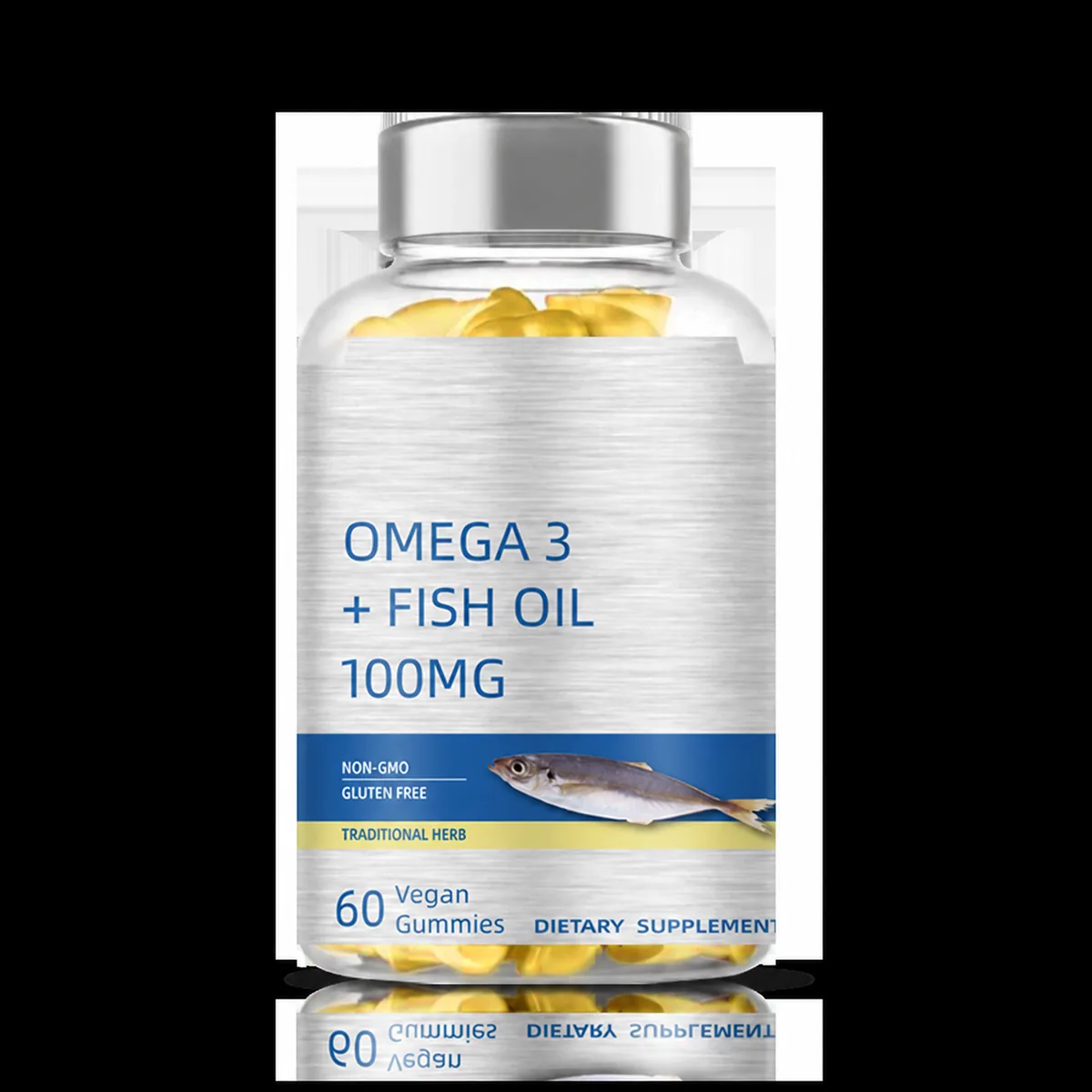
Declare EPA and DHA, not just total oil. A front label reading “100 mg fish oil” can be of no help to an end consumer. It’s not possible to determine from this whether one needs two gummies or one just to get the EPA you were after. Why? Because your total oil weight can be anything from 100 mg to perhaps 250 mg (depending on how much fish oil you added to your formulation). Your total omega-3 amount can be anything from zero to as much as 240 mg (if fish oil is 2:1 EPA:DHA) or so depending on the dose you used, not to mention how much each fatty acid contributes, it will be an excellent direction to go back and develop your formulation brief so you know which quantity is relevant to the product benefit. For example: oil added per gummy; total omega-3 fatty acids per gummy; EPA per gummy; DHA per gummy, other declared ingredients, if relevant. You need to see your supplier’s certificate of analysis and specification in order to know whether this can be achieved with what you’ve added or if you need to use a standardised oil range and to assess overages with your technical and regulatory teams.
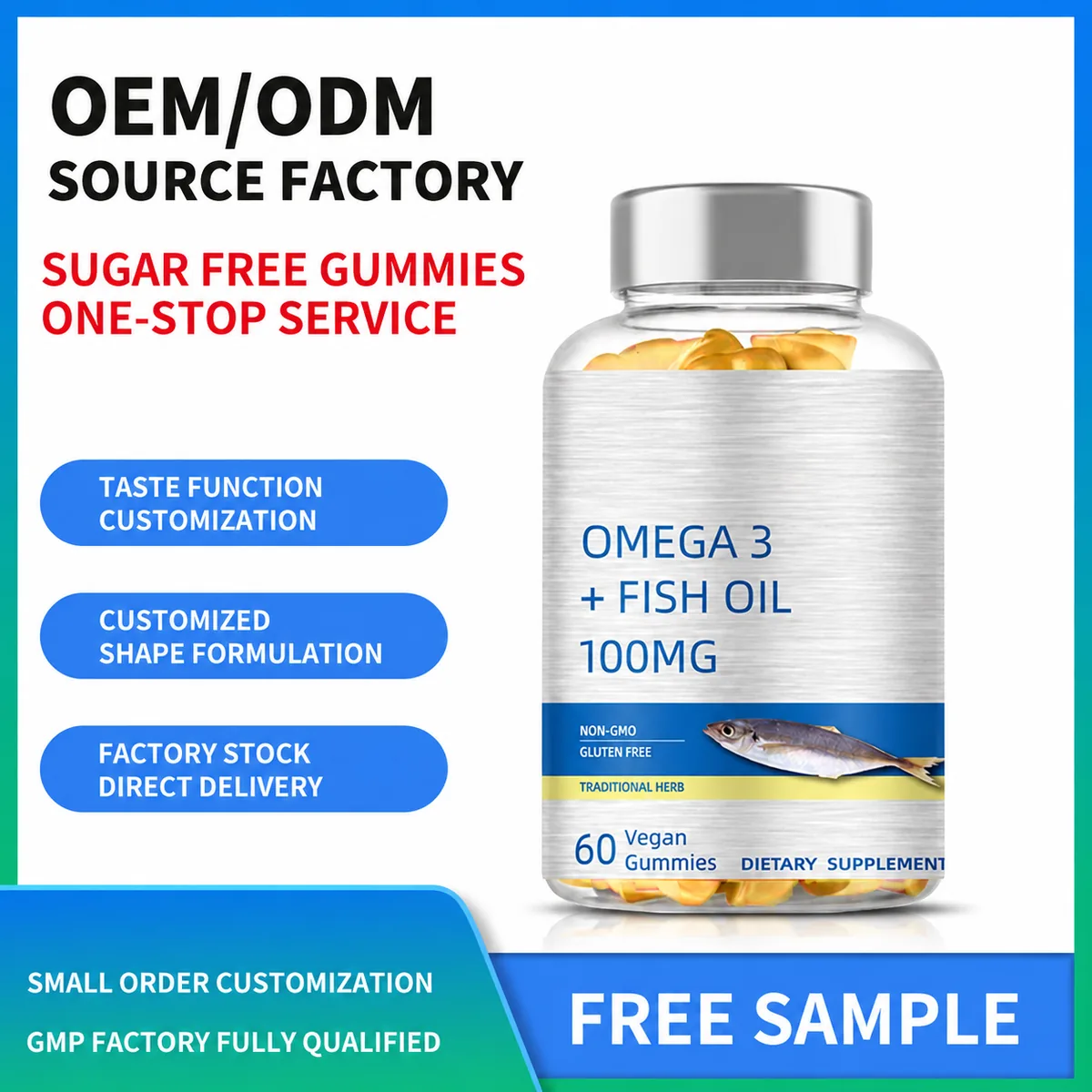
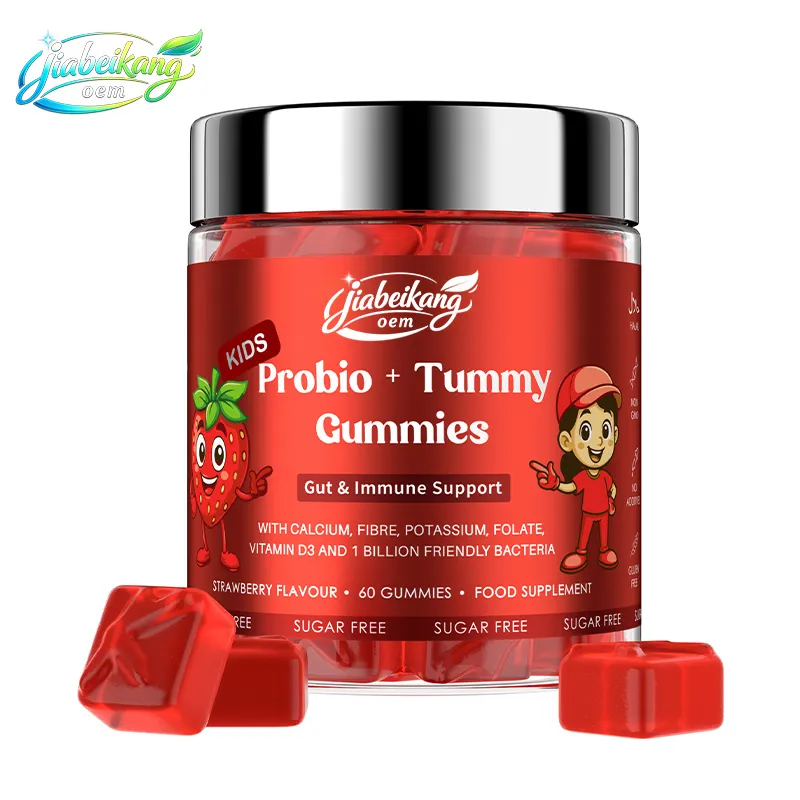
Match the serving to the child age group. “For kids” isn’t a complete target. Serving size, piece shape and language for a gummy may vary depending on whether the target is older children or young children. Gummies raise child safety issues because of their snack-like appearance and taste. In addition to size, the manufacturer of older kids products should determine age range and review the serving for the destination market by a properly qualified person. Clear directions are necessary and warning language and a statement that the product should be kept away from children is recommended; adult supervision should be considered for younger children. Don’t plan the brand to use a cartoon character before knowing the formula and age group. Graphics and visuals should not suggest that the supplement is a cheap, unlimited sweet. Count per bottle can be related to correct single serving and intended period of use; piece shape will affect the number of pieces per bottle. Design the shape for the active dose, the chew, and use, and consult with the technical team on piece size, chew, count and package design.
Match the serving to the child age group
Gain control but not at the expense of the product. The one classic problem with fish oil is its odor and aftertaste. This may be overcome by flavors, but cannot save a poor quality or oxidized oil. The raw material must arrive, be stored and be handled at appropriate conditions. Fruit flavors such as lemon, orange, mixed berry and tropical fruit are compatible with oil-based ingredients. Which one is best depends on the particular oil, its level of concentration and the rest of the gummy. The flavor should be tested after the gummy has conditioned and again during stability work, not only in a fresh bench test. Emulsification is also critical to the final sensory outcome. If the oil is not evenly dispersed, piece weight and appearance will be inconsistent and oily patches may be noticed by the consumer. Formulation and processing must maintain uniformity through mixing and depositing. All of this will be reflected in the sampling regime, which should include evaluation of appearance and oil separation, flavor and weight as well as the head-of-mass assay. And all colors and acids should be appropriate for the targeted age range and compliant with market legislation. If a customer asks for natural colors or to rule out specific ingredients, note those rules at the start. “Natural” is too broad a label to include in a formulation brief, but name specifically which colors and acids are acceptable or not.
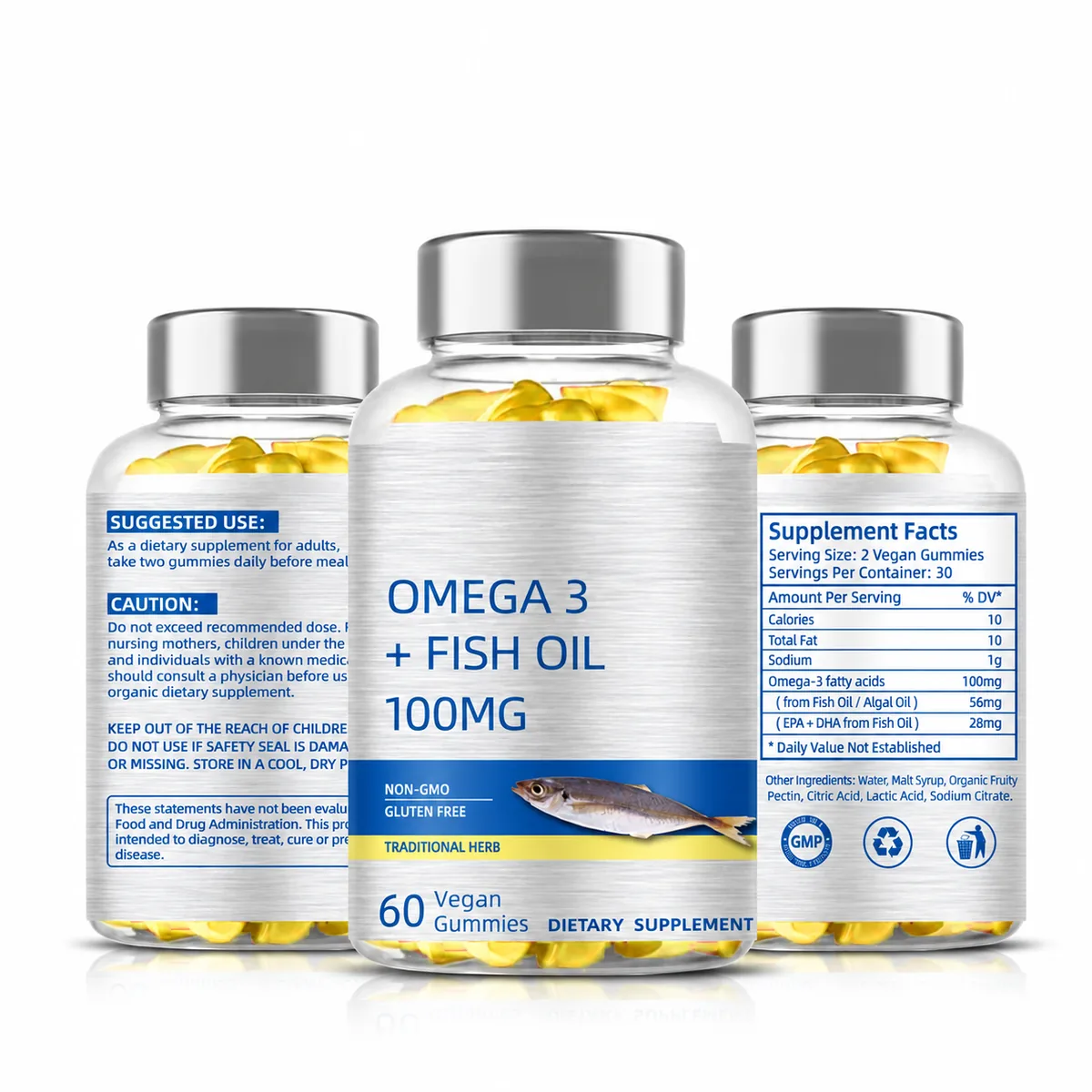
Consider oxidation control throughout the supply-chain. Omega-3 oils are susceptible to oxidation which can lead to undesirable flavour and odour and result in a poorer quality product. Sourcing oxidation control should begin with the oil supplier and continue throughout manufacturing, packaging, transport and storage. In the development stage, discuss antioxidant systems when appropriate, contact with air during mixing, the temperature of processes, and the length of time spent in process. The manufacturer will need a clearly defined protocol for receiving and storing the oil. Finished-product specifications may refer to certain chemical and sensory analytical parameters as appropriate to the formula and risk assessment. Packaging adds another safeguard. An opaque or light barrier pack could be preferable to clear material. Closure quality, induction seals, headspace, the use of desiccants where appropriate, and pressure of oxygen within the pack are all considerations. Of course, things can be different on the complete formulation – not all products will suit a generic bottle recommendation. Transport considerations are also relevant. A product can arrive within specified parameters and still be damaged by excessive heat or adverse storage conditions – routes and season should be examined.
Control flavor without hiding product quality
Build testing to the real hazards The omega-3 gummy testing programme for a child’s product, for example, might encompass identity and strength, microbiological criteria, contaminants, physical characteristics and stability, depending on the formula and the market. Marine ingredients may raise additional questions about oxidisation and contamination. It is worth reaching agreement on the programme before commercial manufacturing, so the quote and timeline take account of it. Make sure you look at the oil distribution for uniformity across a batch and serve – sampling just for piece-weight consistency is not proof that the active is well distributed. The technical team needs to determine how the formula and process will be validated. Use the commercial pack for stability testing. Assay, sensory quality, appearance and texture can all evolve over time. A gummy that performs to the specification at the start is merely the foundation for a shelf-life decision. Ask for lot-related documentation for the final batch, as opposed to a general marketing certificate, which may include a finished product certificate of analysis, specifications, declarations of allergens, production records and packaging specifications depending on the project.
Ensure language on label is factual and suitable for age of children. Children’s supplement claims are given special review. Do not use language that implies that taking this product will make your child intelligent, smarter at school, be healthier, prevent medical problems or bring about specific developmental change. A disclaimer won’t make an otherwise impermissible claim permissible. Label should indicate product name, source, stated amounts, serving size, directions, warnings, ingredients and allergens.