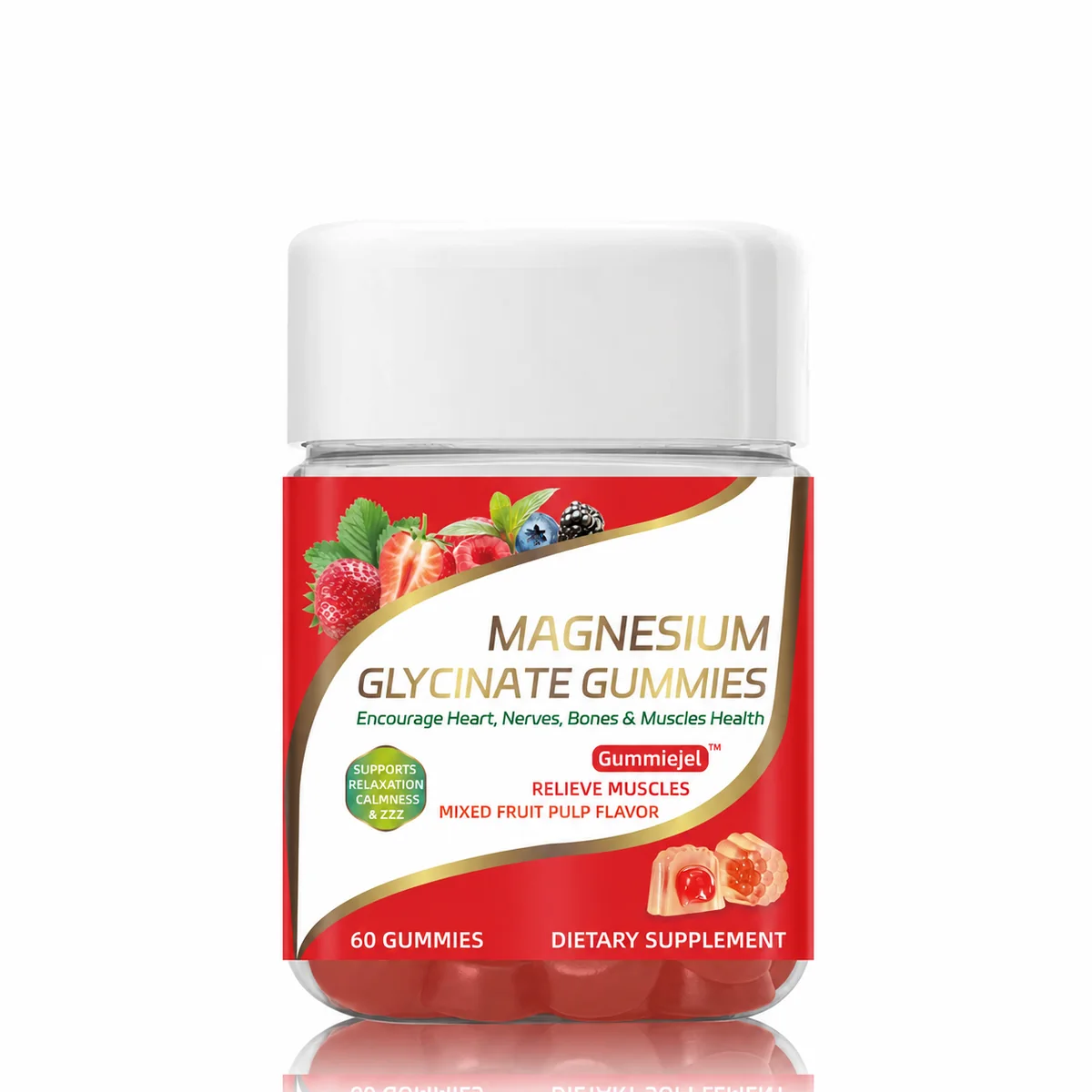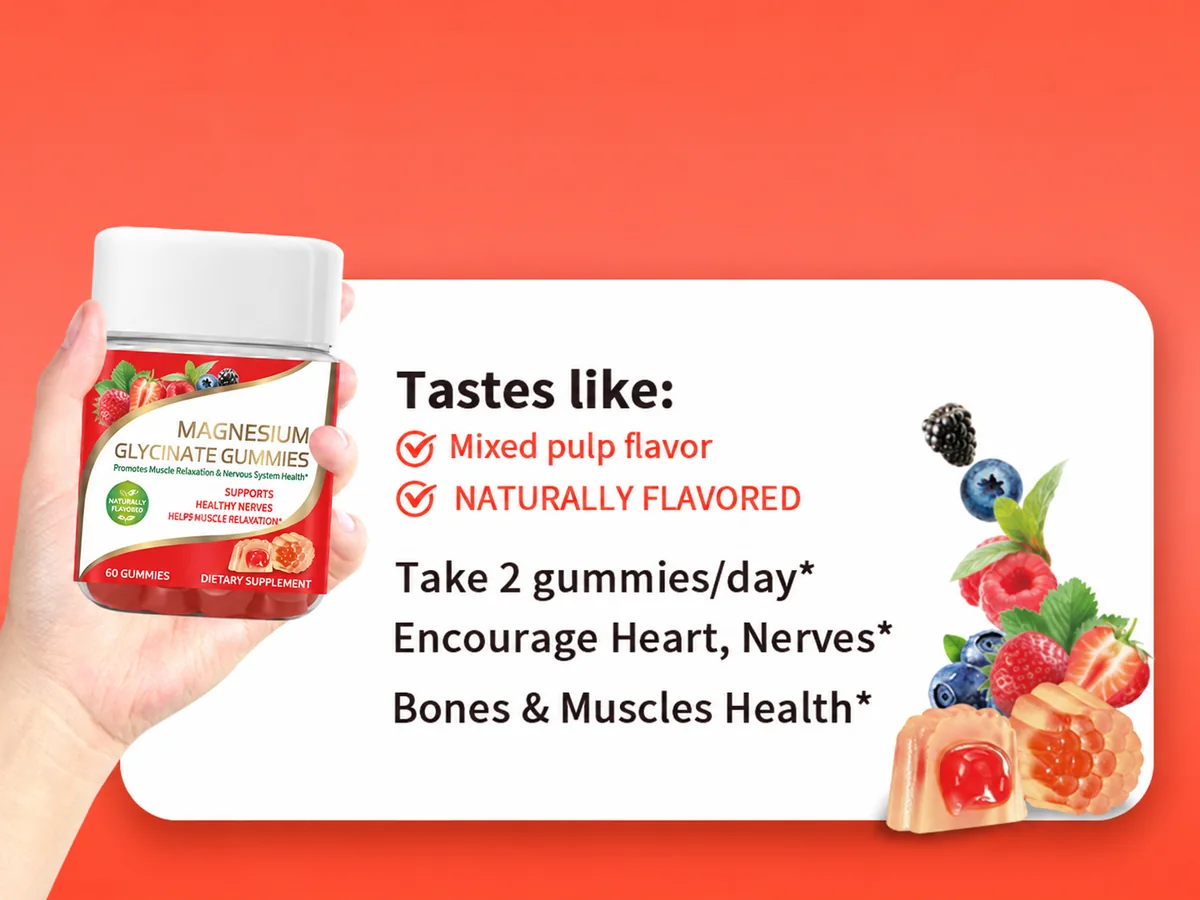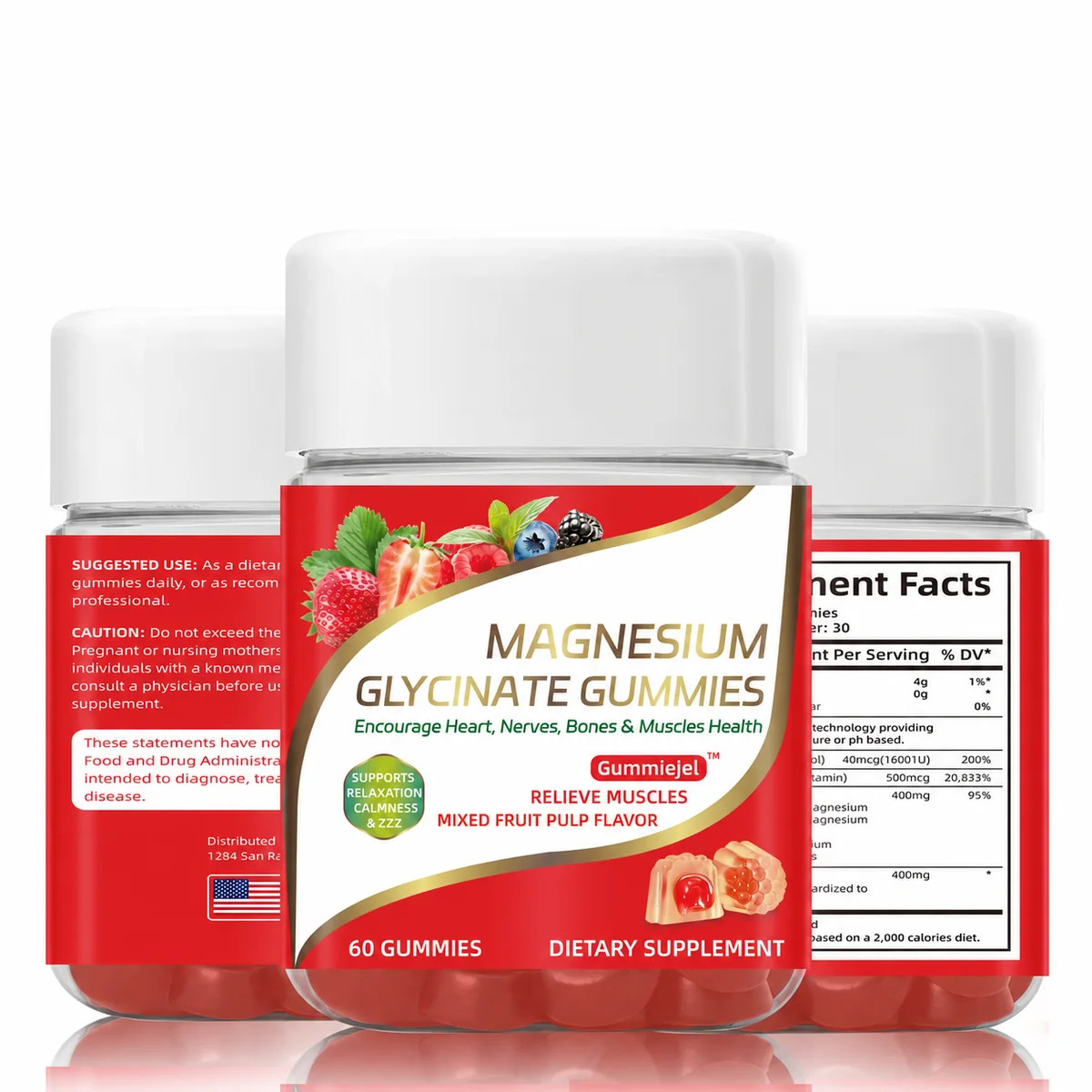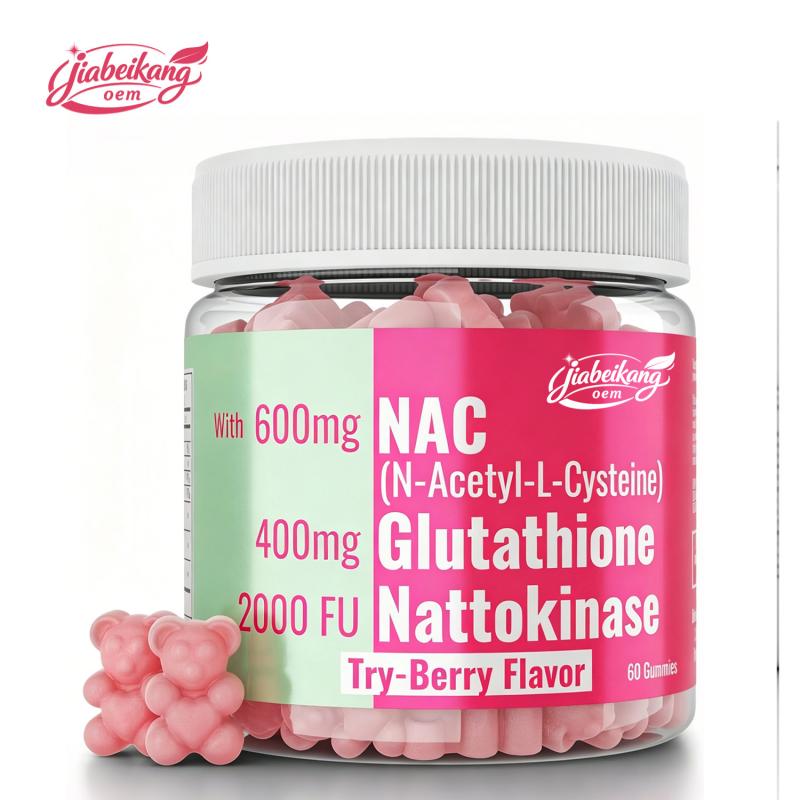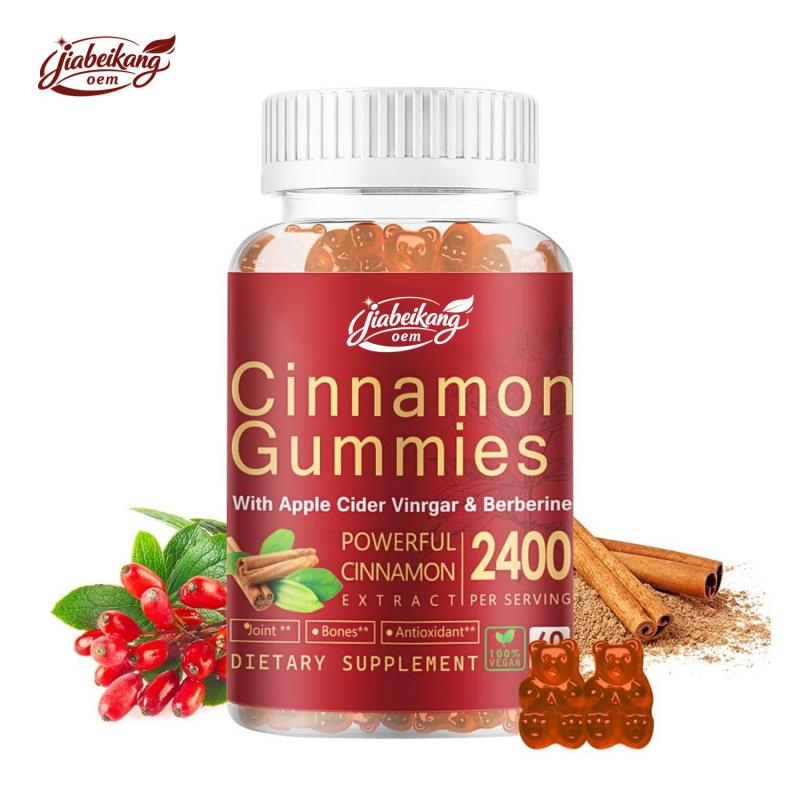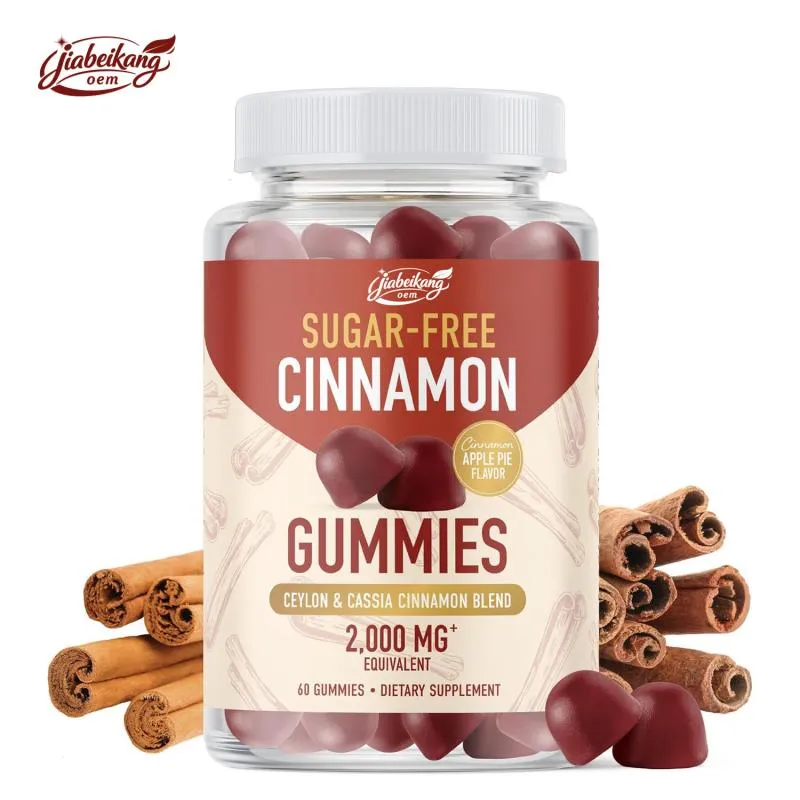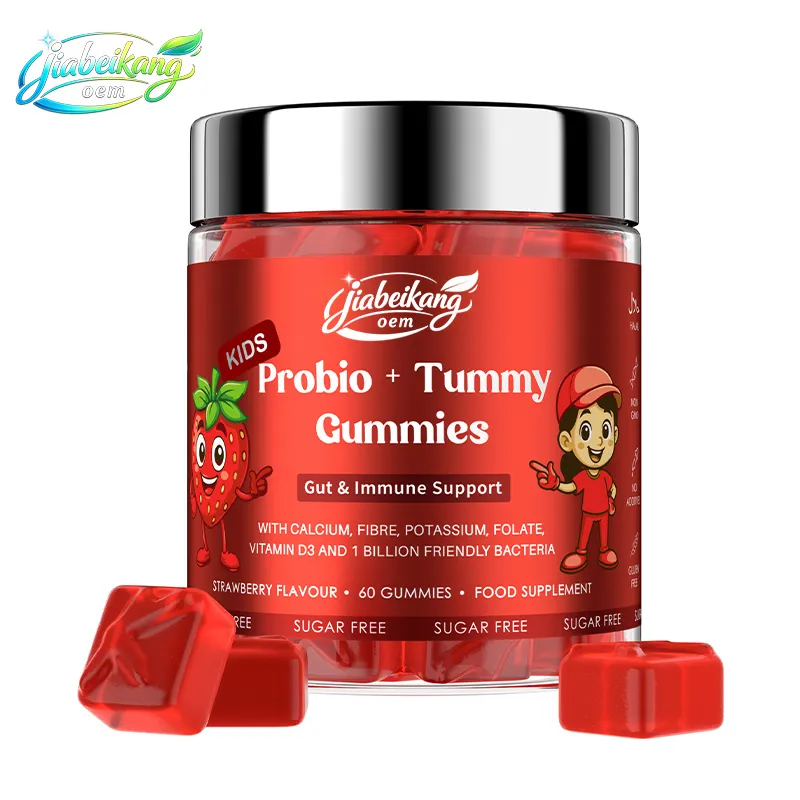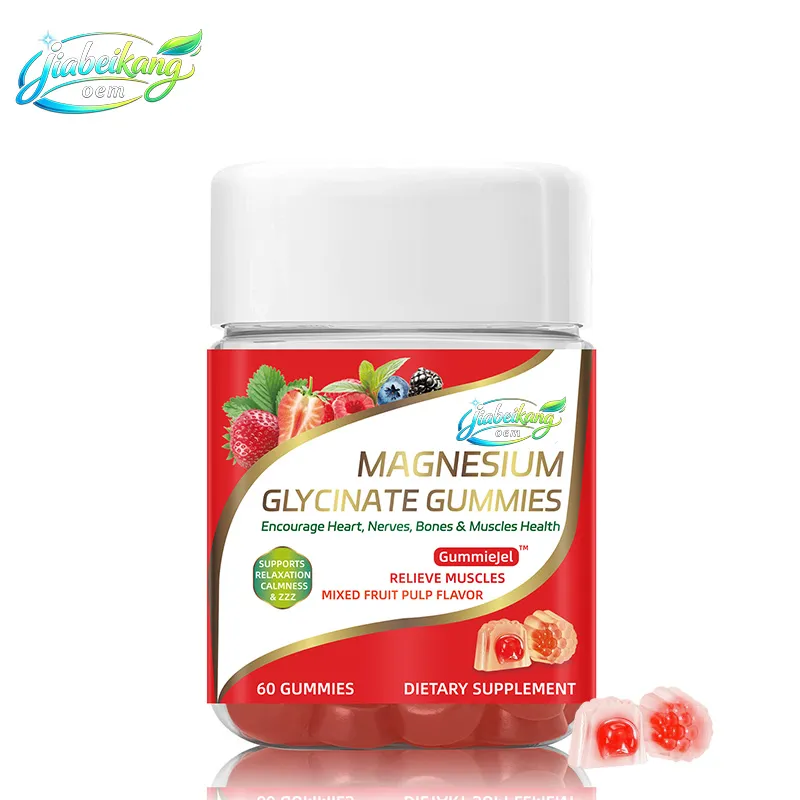




“Simple” is the word on a concept sheet: choose the dose, choose a fruit flavor, choose the packaging. It looks easy on paper but gets much more complicated when those three lines are built in a formula that can be filled, dried, packed, and labeled, in time and in budget. The most practical first conversation with a manufacturer will not be “Can you make my magnesium gummy?” It will be “Which magnesium formulation are we using, what amount of elemental magnesium will the label declare per dose, and what compromises does that imply?” From there, the choices determine almost everything: piece weight, color loading, flavor impact, texture finish, piece count per bottle, shape design, even color and size choices you’d better make ahead of time. Seven decisions to help shape initial samples:
1. State the ingredient, not just the other side of the trade name Most mineral ingredients can be called by their headline name, but the raw-material attributes and specifications matter. The supplier datasheet should indicate the material, assay, carriers, physical form, and storage recommendations. Buffered magnesium oxide can behave very differently from a fully reacted chelate, and in a gummy or a chew, they don’t have interchangeable properties. Request the current specification sheet before any art is designed. Composition and process parameters for a specific raw material are critical for the formulation team to specify accurately, label correctly, and control ultimately. When a brand owner intends to use a fill-to claim, the form of the declared ingredient must match that chosen for the formula. Sourcing plans should include incoming checks, certificate of analysis, and qualification for a candidate supplier.
2. Know the elemental magnesium content for any given compound Quantity of compound does not equal quantity of magnesium. For a given declared dose of magnesium glycinate, does the label want the weight of compound or the weight of magnesium? Those are two very different recipe drivers and can lead to different characteristics. Clarify that before you see one initial calculation. Note the grams of substance (with carbons, water or other ligands) and the amount of target magnesium (per piece or per dose), as well as the number and weight of chew-like pieces per serving. The resulting active load is critical to product quality, flavor design, and cost performance.
3. Set serving size and piece weight aligned How many pieces per dose? Two? Three? More? Determine the total amount of mineral to be filled in and plan piece count, shape, size, and weight accordingly. Consider shape: is the light-weight bear shape more attractive than a simple orb? Would it have enough mass to carry flavor? Will the rack hold enough meat to stay in spec? Think about coating and drying too, as these impact finished weight. Before artwork, think about how many pieces will go in each bottle and whether the existing dimensions will give the desired product count and price point.
4. Calculate flavor needs based on mineral load Does the mouthfeel seem dry and chalky? Does it need more acidity to lift berry flavor? Will the flavor system handle the suggested mineral content at the outset? Can the sweetener handle the total amount of flavor without leaving an artificial aftertaste? Brighten with acid as needed, then test the experience after one day and after five days. Focus on aftertaste when the flavor has developed in a finished, dry product.
5. Select gelling system based on the target market is there a starch, pectin, gum, or gelatin system that best suits the market’s needs? Is a plant-based or allergen-neutral system the goal? Is a starch process suited to the shape and fill volume? Does the acid load and the intended shelf life fit the values of the chosen gelling system? For starched products, calculate the importance of condition, deposit temperature, and ramp schedule. With customer starch-mogul equipment, determine the time required to equilibrate in a humid dryer environment.
6. Determine claims before the sample production what are you claiming about this product? Is there structure/function wording on the label that might be problematic? Are there advertisement claims being considered? Does the label use customer descriptors such as “supported muscle recovery?” Does the label list current nutrient content? Is it supported by the technical file? Does the bottle sizing align with pack-out demand and the target branded conversation?
7. Detect colorants and flavourings based on the mineral loading Evaluate different color and flavor choices together to optimize impact: tangy orange plus blueberry, berry plus apple, citrus plus raspberry or strawberry. Review the sensations with the finalized formula after it has conditioned a week or more, and examine how the flavor builds after multiple days. Confirm what the expected piece weight is before custom moulds are ordered; consider whether the shape will generate a suitable size for consumer chewability. Record the target measure along with variety of possible scales for the finished piece, to be used in the production schedule.