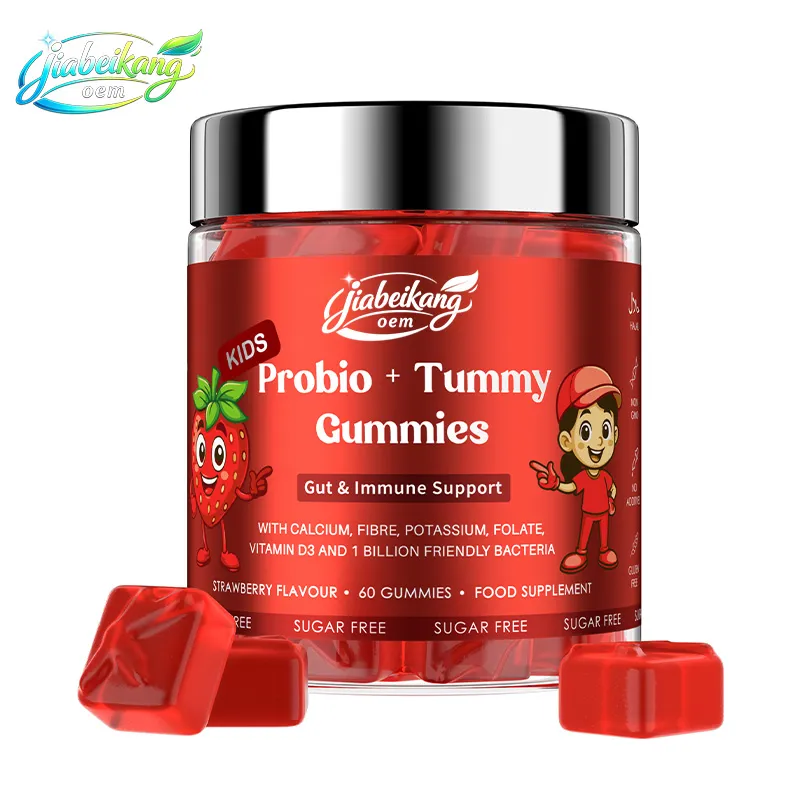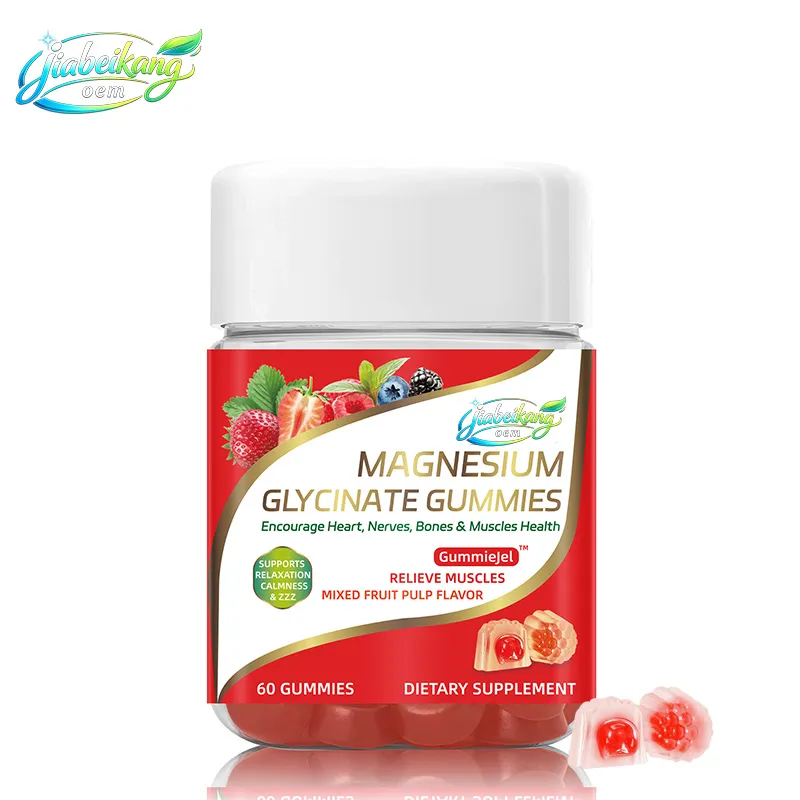




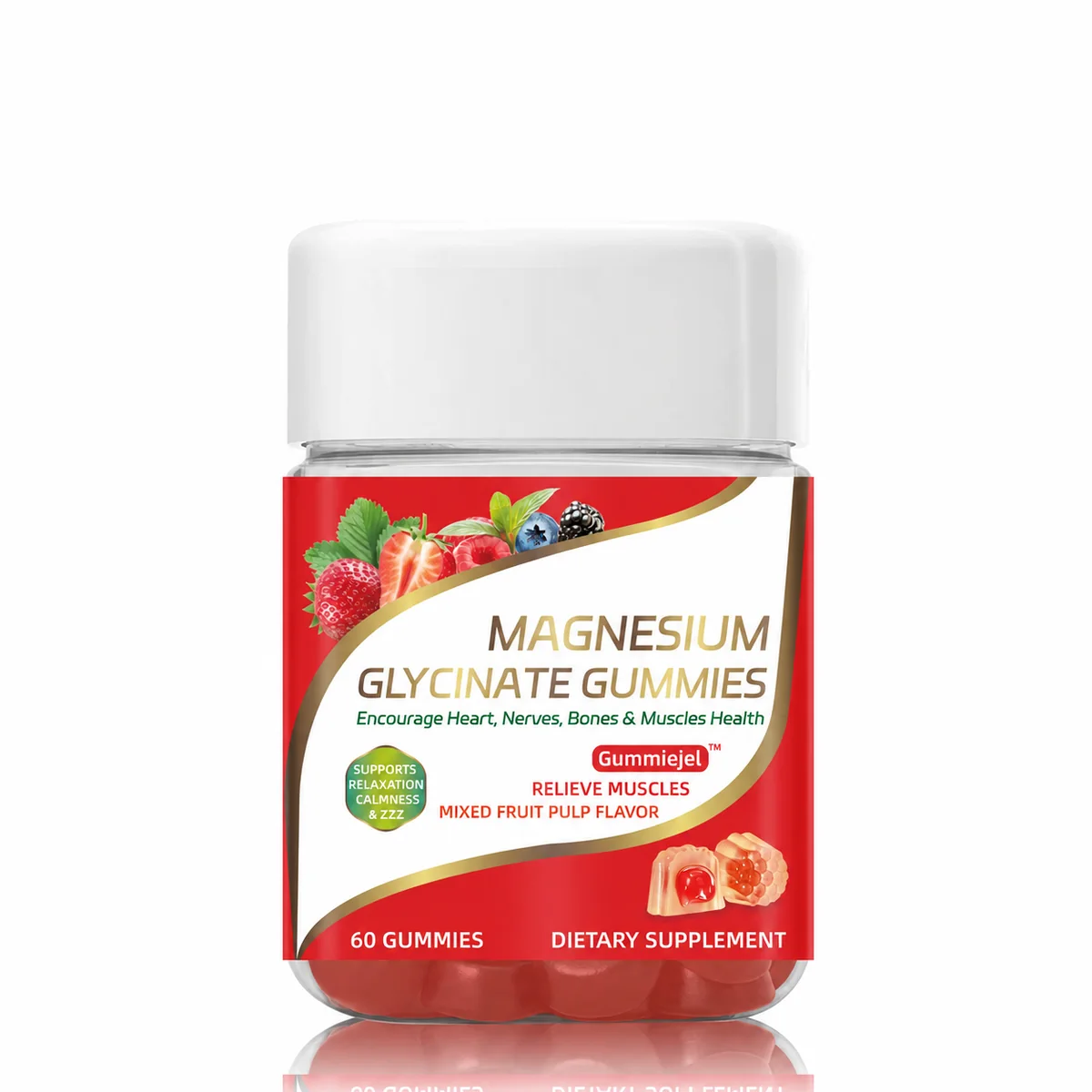
Magnesium glycinate gummies look straightforward on a concept sheet: choose a dose, add a fruit flavor and place the product in a bottle. The difficult work starts when those three lines are translated into a formula that can be deposited, dried, packed and sold with an accurate label. For a brand owner, the most useful first conversation with a manufacturer is not “Can you make magnesium gummies?” It is “Which magnesium material are we using, how much elemental magnesium will the serving declare, and what trade-offs follow from that choice?” Those questions shape almost everything that comes later, from piece weight to flavor intensity. The following six decisions help turn an early idea into a sample brief that a technical team can actually work with.
1. Define the ingredient, not just the headline name
“Magnesium glycinate” is often used as a broad product name, but the raw-material specification matters. A supplier document should identify the material, its assay, carriers if any, physical form and recommended storage conditions. A buffered material and a fully reacted chelate are not automatically interchangeable. They may deliver different proportions of magnesium and behave differently in a gummy mass. Ask for the specification sheet before artwork is written. The formulation team needs to calculate from the actual raw material rather than from a name on a marketing brief. Supplier qualification, incoming identity checks and lot documentation should also be part of the sourcing plan. This is especially important when a brand intends to make a specific ingredient-form statement. The words used on the front label, ingredient list and Supplement Facts panel must describe the formula that will actually be produced. A good manufacturer can help assemble the technical file, but the product owner remains responsible for confirming that the final label suits the destination market.
2. Separate compound weight from elemental magnesium
One of the most common early mistakes is treating the weight of a magnesium compound as though it were the amount of magnesium itself. They are not the same number. The compound includes magnesium plus the other parts of the molecule, so only a fraction of its total weight is elemental magnesium. Suppose a brief says “400 mg magnesium glycinate per serving.” Does that mean 400 mg of the compound, or 400 mg of elemental magnesium? Those two requests can produce very different formulas. The manufacturer should not have to guess. Write both numbers into the development brief when possible:
- the amount and exact form of the input material;
- the intended declared amount of elemental magnesium per serving;
- the number and approximate weight of gummies in that serving.
This calculation affects active load. A high compound load can occupy a large share of each gummy, leaving less room for the gelling system, sweeteners, acids and flavors that create a pleasant texture. Sometimes the best commercial answer is a larger serving, a larger piece or a more moderate label target. That decision should be made openly before sampling rather than hidden inside a formula revision.
3. Build serving size and piece weight together
A serving is not only a label decision. It is a physical design constraint. If the target is two gummies per day, the total ingredient load must be divided between two pieces that consumers can chew comfortably and that the production equipment can deposit consistently. Piece shape changes the available volume. A shallow custom shape may look attractive but hold less mass than a simple dome or bear. Coating adds a little weight, while drying changes moisture and final piece weight. Count per bottle, headspace and packaging dimensions are linked to the same calculation. Before custom moulds or printed packaging are ordered, confirm the expected finished piece weight and an acceptable production range. Also confirm whether the label will declare amounts per gummy or per serving. If a serving is two pieces, the bottle count should make sense for the intended number of days. Brands sometimes ask to increase the dose after seeing a first sample. That may require more than a small adjustment. It can change flavor, color, texture, cost and even the recommended package. Treat serving architecture as an early product decision, not a final artwork detail.
4. Plan flavor around the mineral load
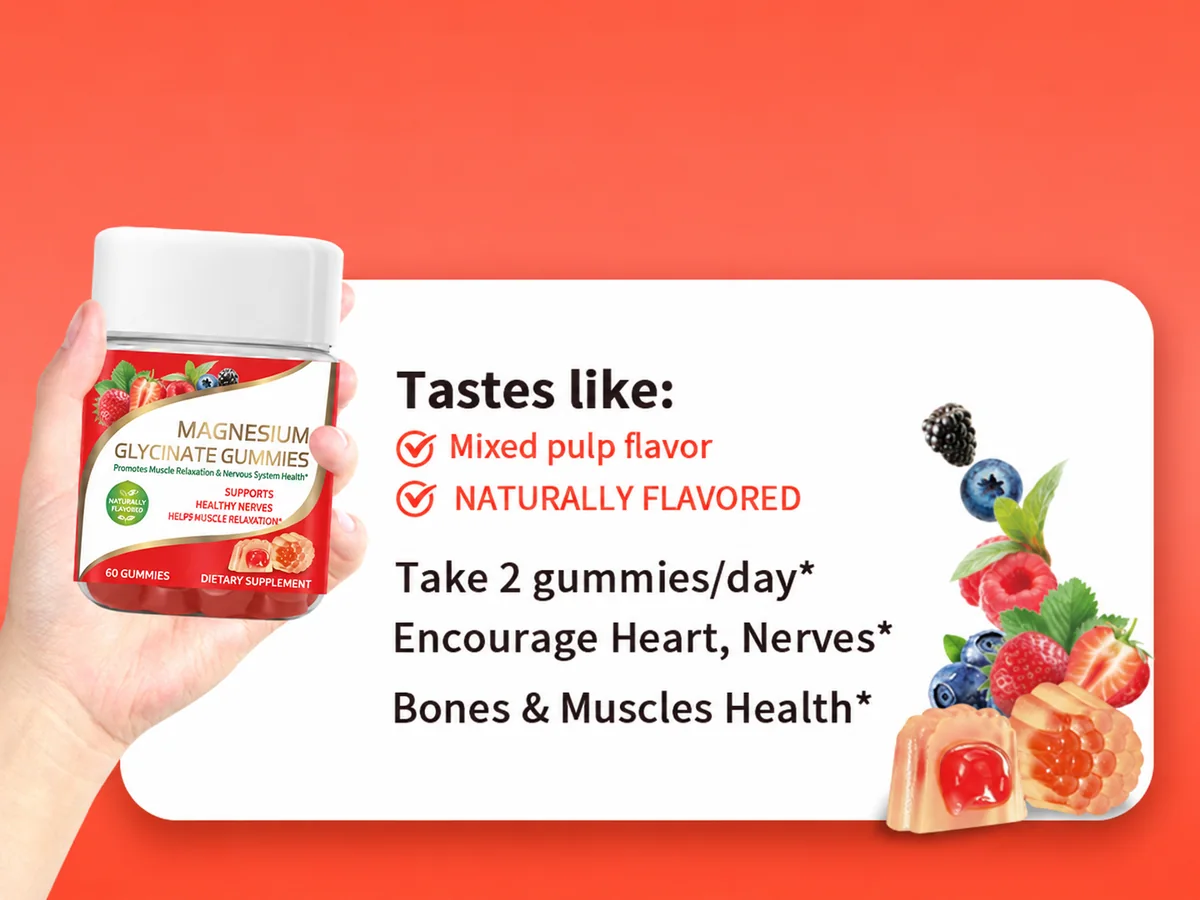
Magnesium ingredients can bring mineral notes, bitterness or a drying sensation. A strong berry image on the label does not guarantee that the finished gummy will taste like fresh berries. Flavor selection has to begin with the actual active material at the intended load. Acidity can brighten fruit flavors, but it also affects the gelling system and the overall sensory balance. Sweeteners can mask some notes, yet simply adding more sweetness may leave an artificial or lingering finish. A layered approach usually works better: choose a flavor family with enough body, balance sweetness and acid, and evaluate the aftertaste after the gummy has fully conditioned. Mixed berry, raspberry, strawberry and citrus combinations are common starting points, but no flavor is universally best. The raw material, color system, sweetener choice and target market all matter. For a sugar-free request, the team also needs to discuss which sweeteners and bulking ingredients are permitted in the sales market and how they influence texture. Evaluate samples at more than one moment. A warm, freshly made gummy may taste different after several days. The team should also check whether flavor changes after the product has spent time in the proposed bottle, especially under warm or humid conditions.
5. Choose the gummy system for the formula and market
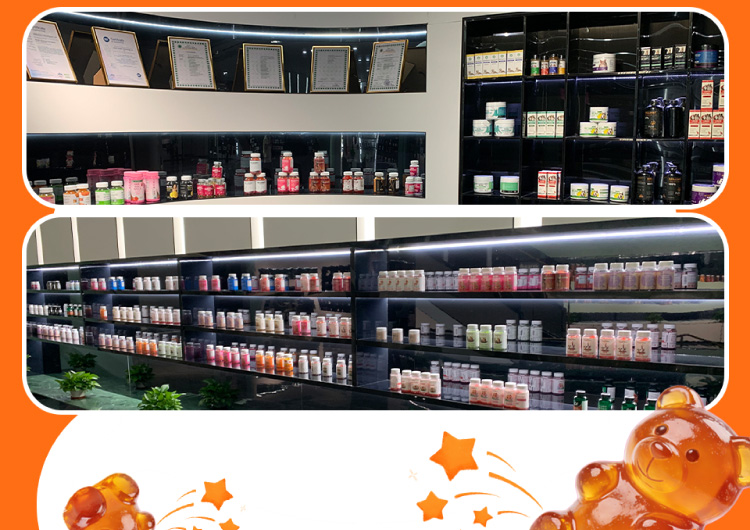
Pectin and gelatin systems each have useful characteristics, but the decision should follow the product brief. Vegan positioning may point toward pectin, while a particular chew or process window may lead to another system. The active load, acidity, desired shelf life and climate all influence the choice. Mineral-rich formulas can challenge texture because suspended particles interact with the gummy matrix. The formulation team may need to adjust solids, water activity, acids, processing temperature and conditioning time. A formula that looks stable for two days is not yet a commercial product. Starch moulding gives a manufacturer flexibility in shapes and commercial-scale depositing, but moulding is only part of the system. Starch condition, deposit temperature, drying time and demoulding all need defined process windows. Red Kangaroo uses starch-mogul equipment for projects where the formula, shape and scale are suited to that process. The useful question is not whether a factory owns a machine; it is whether the technical team can match the formula to the equipment and document the result.
6. Review claims and packaging before the commercial batch
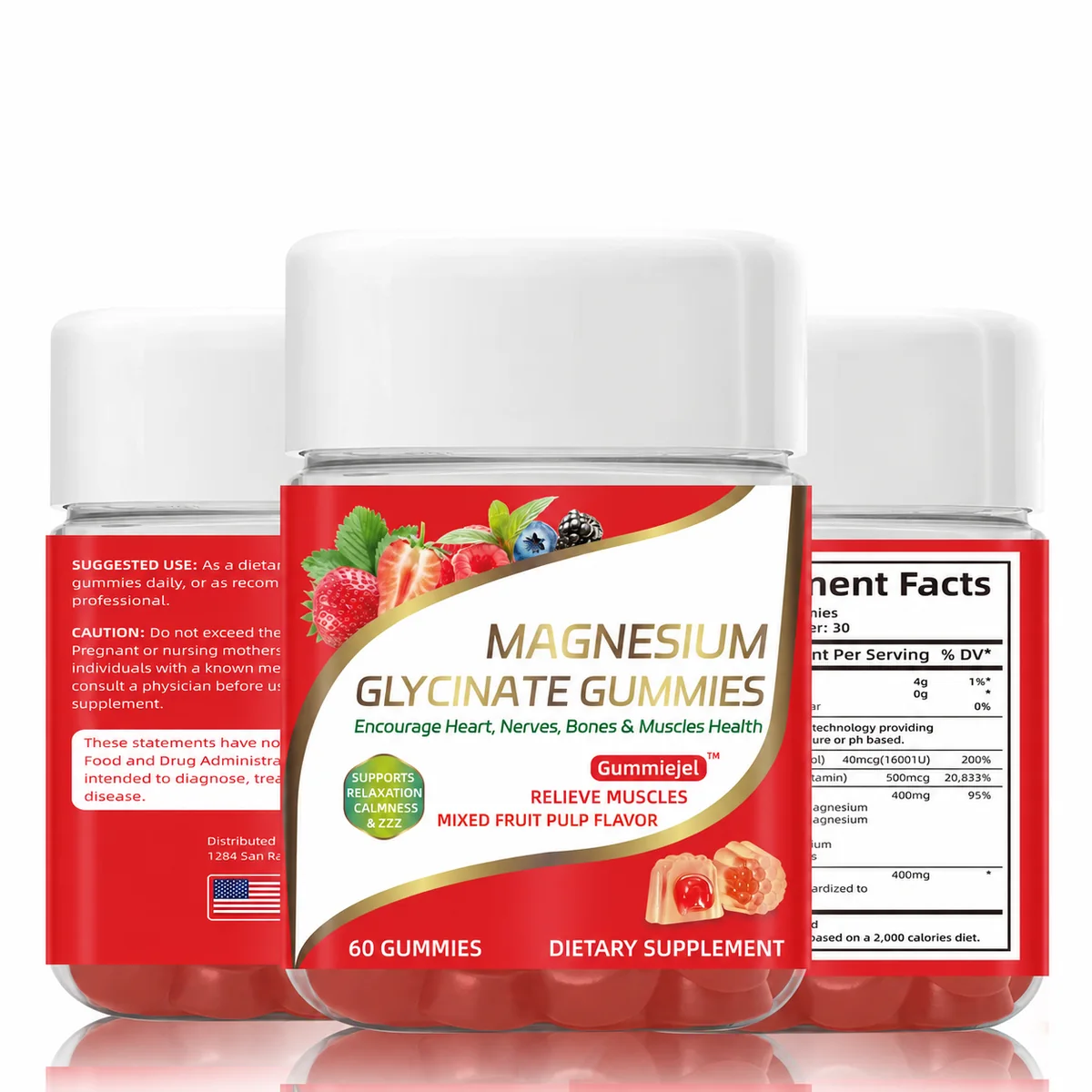
Magnesium products are often promoted with aggressive promises about sleep, stress, pain or disease. Those claims can create advertising and marketplace problems even when a disclaimer appears elsewhere. Product artwork should be reviewed for the rules of each destination market, and structure/function wording should be supported and appropriately qualified where required. Keep the copy close to verifiable product facts: ingredient form, declared amount, serving size, flavor, count, dietary attributes that are genuinely documented and clear directions. Avoid implying certain outcomes or presenting a supplement as a treatment. Packaging should be tested against the finished gummy. Magnesium gummies can be sensitive to moisture, and humid distribution routes increase the importance of barrier performance, seals and storage instructions. The team may compare bottle materials, closure systems, induction seals and desiccant options. A package that looks premium but allows moisture transfer is not a successful package. The final pre-production review should bring the formula, label and pack together. Confirm the ingredient list, serving calculation, allergen statements, warnings, lot and expiry areas, barcode, container count and case configuration. Changes made after production begins are more expensive than questions asked during development.
A useful brief makes sampling faster
Before requesting a magnesium glycinate gummy sample, prepare a one-page brief with the sales market, consumer age group, ingredient specification, elemental-magnesium target, serving size, gummy shape, flavor direction, sweetener preference, dietary requirements, bottle count and intended claims. It is fine if some items are undecided. Mark them as open questions and ask the manufacturer for options. What slows a project is not uncertainty; it is uncertainty disguised as a fixed requirement. Kangourou roux can review an existing formula or help a brand develop a gummy concept from the beginning, including raw-material discussion, sampling, starch-moulded production, packaging and private-label preparation. The most reliable projects are built by making the technical and commercial decisions together, one clear choice at a time.