



Children’s omega-3 gummies sit at the intersection of two demanding product categories. Oils are sensitive to oxygen, heat and light, while children’s products require especially careful decisions about serving size, taste, texture, warnings and presentation. A colorful gummy can make the idea feel simple, but the development brief needs to be precise. The first sample request should not begin with “Make it fish flavor-free.” It should begin with the identity of the oil, the amounts to be declared, the target age group and the country where the product will be sold. With those points fixed, a formulation team can judge what is technically realistic.
Start with source identity
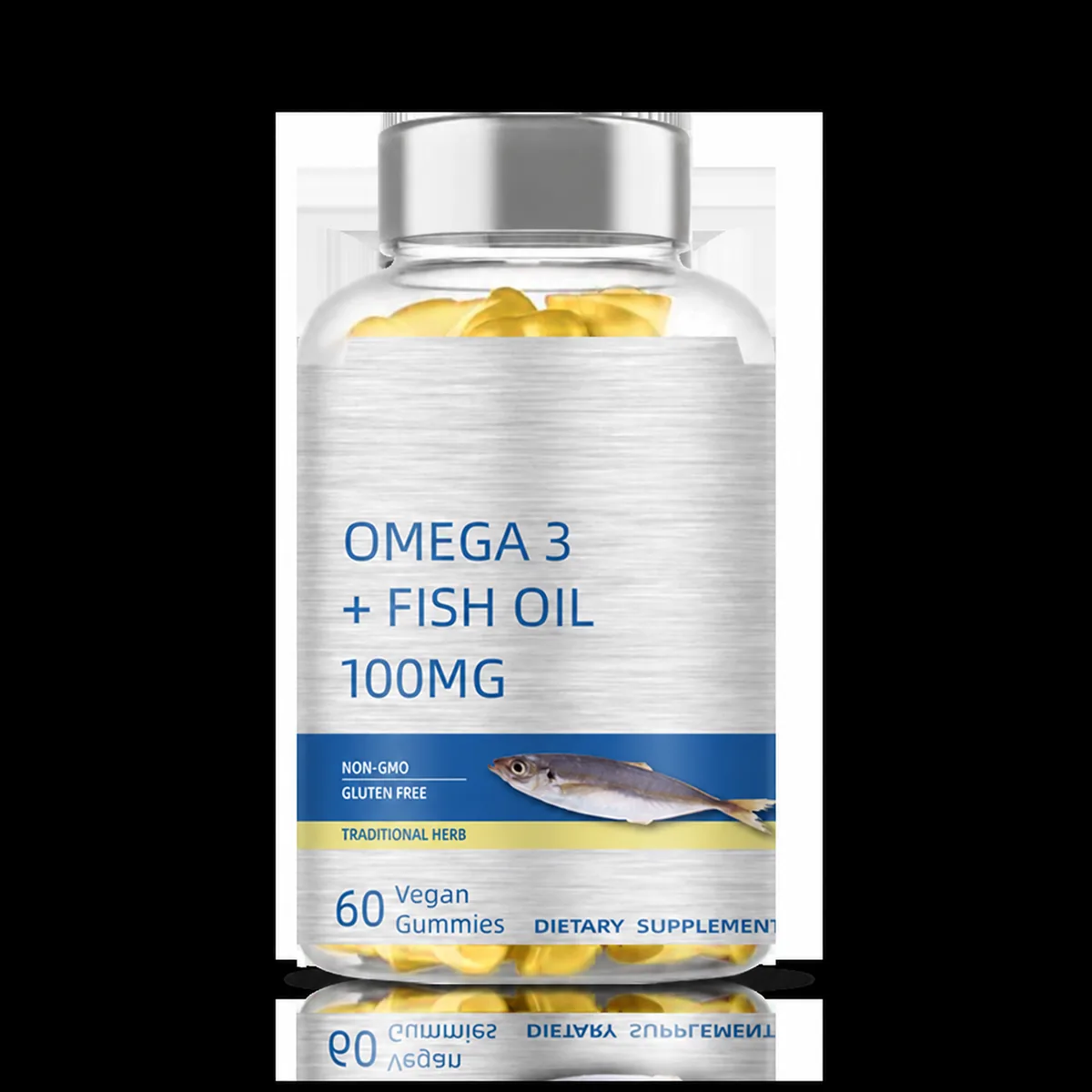
“Omega-3” describes a family of fatty acids, not one standardized raw material. A formula may use fish oil, algal oil or another approved source. The source affects allergen considerations, dietary positioning, flavor, price and the documents a brand needs from its supplier. Fish oil cannot be presented as vegan. Algal oil may support a vegetarian or vegan concept only if the complete formula and processing aids meet the applicable criteria. That includes the gummy base, colors, flavors, glazing agents and any carriers in premixed ingredients. A vegan claim is a whole-product statement, not a statement about one headline ingredient. The raw-material file should include identity, fatty-acid profile, assay, oxidation limits, contaminant controls, storage conditions and shelf-life information. Marine-sourced ingredients may also require allergen labeling, depending on the material and market. Brands should identify these requirements before the artwork stage.
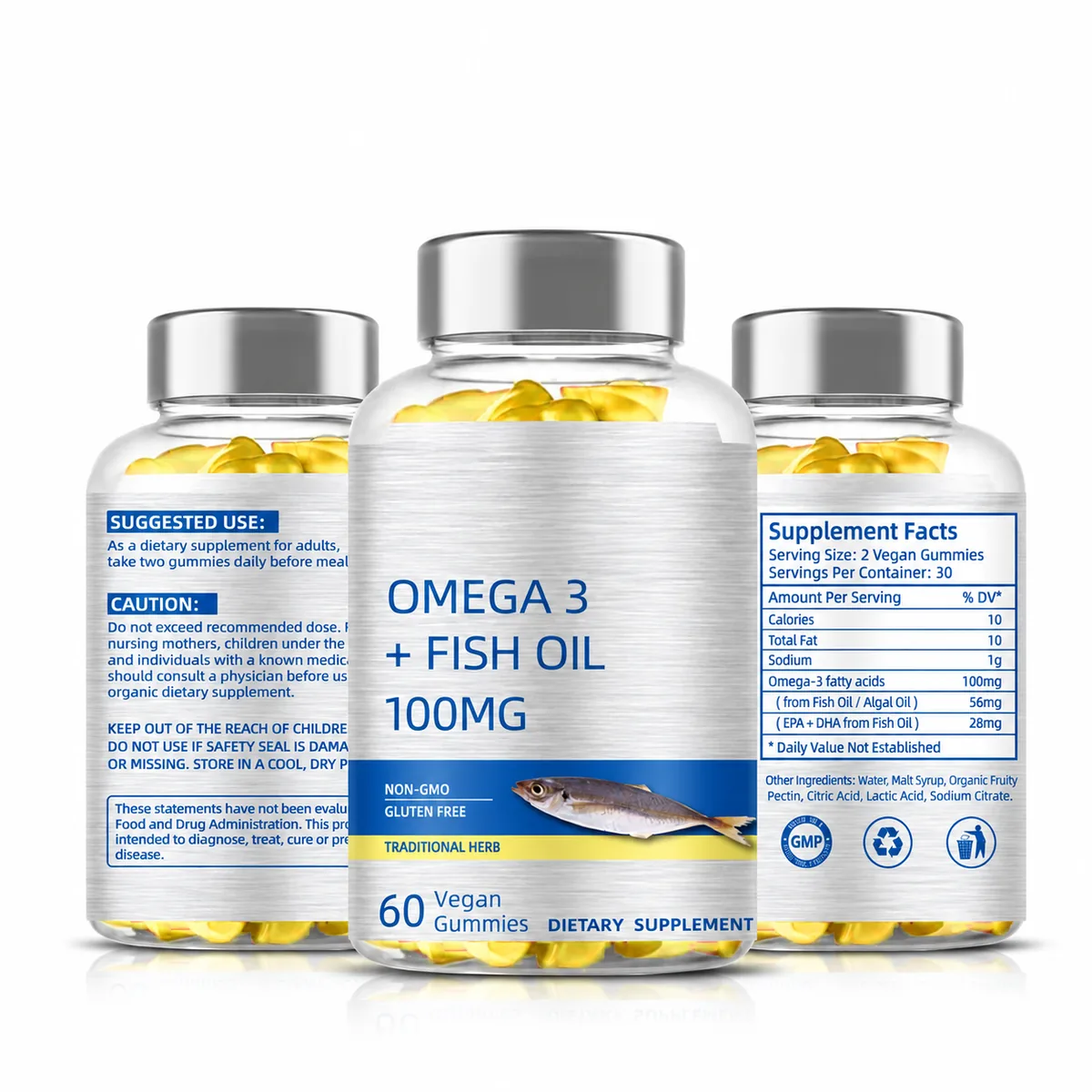
Specify EPA and DHA, not only total oil
A front label that says “100 mg fish oil” does not tell buyers how much EPA or DHA the serving provides. Total oil weight, total omega-3 content and individual fatty-acid amounts are separate figures. The formulation brief should state which of these numbers matters to the product proposition. For example:
- input oil per serving;
- total omega-3 fatty acids per serving;
- EPA per serving;
- DHA per serving;
- other declared components, if applicable.
The supplier’s certificate of analysis and product specification are needed to convert the oil quantity into declared fatty-acid amounts. If the raw material is standardized to a range, label calculations and overage decisions should be discussed with the technical and regulatory teams. Higher declared amounts can require more oil in each gummy. That changes emulsion stability, mouthfeel, flavor masking and piece size. It may be more practical to use two gummies per serving or choose a concentrated oil, provided the selected material remains suitable for the intended product and market.
Match the serving to the child age group
“For kids” is not a complete target. A product for older children may have a different serving, piece size and warning language from one intended for younger children. Gummies also require a child-safety discussion because they look and taste like confectionery. The brand should define the intended age range and have the serving reviewed by an appropriately qualified professional for the destination market. Directions must be clear, and the package should state that the product is kept out of reach of children. Adult supervision may be appropriate, especially for younger users. Avoid building the concept around a cartoon character before the formula and age group are decided. Visual design should not encourage children to treat supplements as unlimited sweets. Count per bottle should correspond logically to the serving and intended use period. Piece shape also matters. A complex small shape may not have enough volume for the active load, while an oversized gummy can be difficult for the intended user. The technical team should confirm piece dimensions, chew, serving count and packaging together.
Control flavor without hiding product quality
The familiar challenge with fish oil is odor and aftertaste. Flavor can help, but it cannot rescue poor-quality or oxidized oil. The raw material must arrive, be stored and be handled within suitable conditions. Fruit profiles such as lemon, orange, mixed berry or tropical fruit can work with oil-based ingredients. The best option depends on the particular oil, its concentration and the rest of the gummy. A flavor should be assessed after the gummy has conditioned and again during stability work, not only in a fresh bench sample. Emulsification is another key part of the sensory result. If the oil is not dispersed consistently, pieces may vary and the consumer may experience oily patches. The formula and process need to maintain uniformity through mixing and depositing. Sampling should therefore evaluate appearance, oil separation, piece weight and flavor as well as the headline assay. Colors and acids must also suit the age positioning and market rules. If the brand requests natural colors or specific exclusions, record those requirements at the beginning. “Clean label” is too vague for a production brief; list exactly which ingredients or categories are acceptable or excluded.
Treat oxidation control as a full supply-chain task
Omega-3 oils can oxidize, producing unwanted odor and flavor and reducing product quality. Control begins with the oil supplier and continues through manufacturing, packaging, transport and storage. During development, discuss antioxidant systems where appropriate, exposure to air during mixing, processing temperature and hold time. The manufacturer should have a defined procedure for receiving and storing the oil. The finished-product specification may include relevant chemical and sensory checks based on the formula and risk assessment. Packaging provides another layer of protection. An opaque or light-protective container may be preferable to a clear pack. Closure quality, induction sealing, headspace, desiccants where suitable and oxygen exposure should be considered. The correct choice depends on the complete formulation; a generic bottle recommendation is not enough. Transport conditions matter too. A product can leave the factory within specification and still be damaged by prolonged heat or poor warehouse conditions. Brands shipping through hot climates should review route, season, outer cases and storage statements before setting a shelf-life expectation.
Build testing around the actual risks
A children’s omega-3 gummy testing plan may include identity and potency, microbiological limits, contaminants, physical attributes and stability, depending on the formula and market. Marine materials may prompt additional contaminant and oxidation considerations. The plan should be agreed before commercial production so that quotations and timelines include the necessary work. Uniformity deserves attention because oil must be distributed across a batch and serving. Piece-weight checks alone do not prove that the active is evenly dispersed. The technical team should determine how the formula and process will be verified. Stability work should use the intended commercial package. Assays, sensory quality, appearance and texture can all change over time. A gummy that meets its initial specification is only the starting point for a shelf-life decision. Brands should request lot documents that match the finished batch rather than relying on a general marketing certificate. Depending on the project, that file may include a finished-product certificate of analysis, ingredient specifications, allergen statements, production records and packaging details.
Keep label language factual and age-appropriate
Children’s supplement claims receive close attention. Avoid language that promises intelligence, improved school performance, medical outcomes or assured developmental changes. A disclaimer does not turn an otherwise impermissible claim into a safe one. The label should clearly identify the product, source, declared quantities, serving size, directions, warnings, ingredients and allergens. Claims such as non-GMO, gluten-free, sustainably sourced or vegan should only appear when the supporting documents and full formula justify them. Artwork accuracy matters at a basic level as well. The front panel, Supplement Facts and ingredient list must agree. If the front says fish oil while another panel says vegan, the contradiction undermines both consumer trust and compliance. Have technical and regulatory reviewers check the final proof, not only the marketing team.
A stronger sampling brief
Before asking a manufacturer for samples, provide the oil source and specification, target EPA/DHA amounts, age range, serving size, gummy count, base preference, flavor direction, dietary requirements, sales market, packaging idea and claim list. Flag any decision that still needs advice. Kangourou roux can use this information to assess active load, suggest a suitable gummy system, prepare samples and plan starch-moulded commercial production where appropriate. Packaging and private-label support can then follow from a formula and serving that have already been checked. A successful children’s omega-3 gummy is not simply an oil hidden inside something sweet. It is a controlled delivery format whose ingredient identity, sensory quality, protection and label all tell the same accurate story.