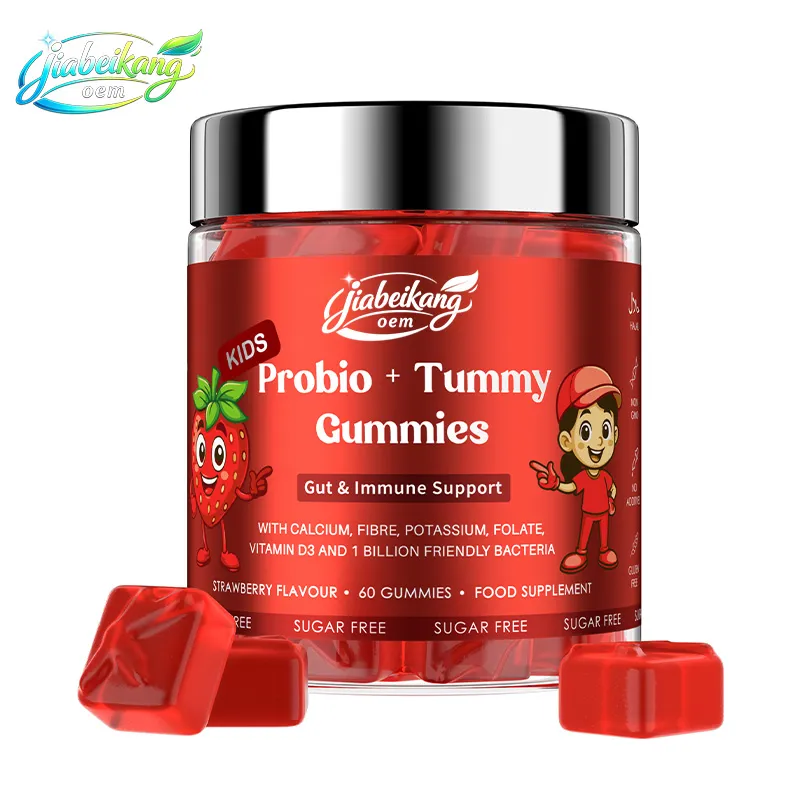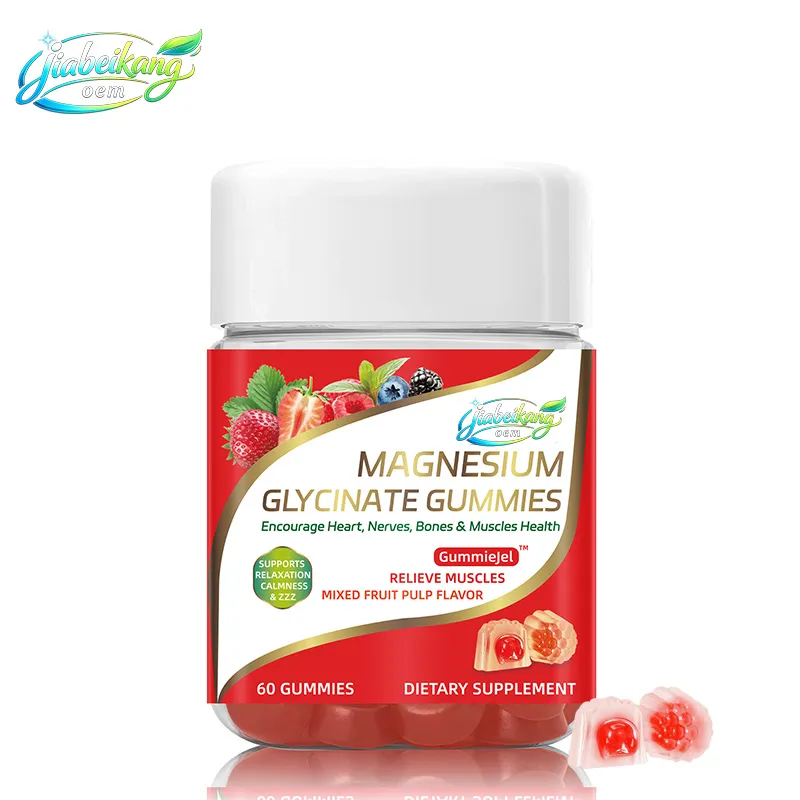




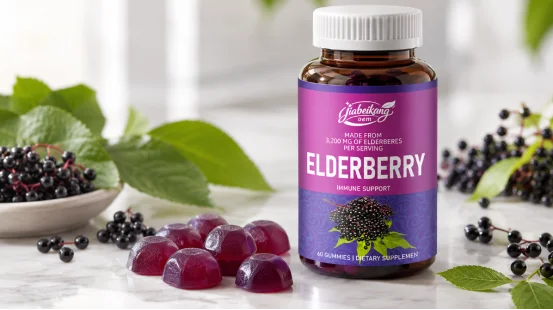
Un acquirente di solito vede una caramella gommosa al sambuco prima di assaggiarla. Il colore crea la prima aspettativa; l'aroma e la consistenza la confermano o creano dubbi. Ecco perché integratori in caramelle gommose al gusto di sambuco Inoltre, il colore naturale negli integratori gommosi dovrebbe essere sviluppato come un unico sistema sensoriale, non come ritocchi finali separati.
Per i marchi che progettano caramelle gommose personalizzate al sambuco, un profilo aromatico coerente può migliorare la fotografia del prodotto, rafforzare il riconoscimento sugli scaffali e rendere più facile l'assunzione della dose giornaliera. La formula deve comunque soddisfare i requisiti di qualità, stabilità ed etichettatura, ma una caramella gommosa tecnicamente valida deve anche avere un aspetto e un sapore ricercati.
Perché l'aspetto sensoriale è importante negli integratori in caramelle gommose?
I clienti valutano la qualità attraverso i minimi dettagli. Controllano se i pezzi presentano una tonalità uniforme. Notano anche se il flacone emana un fresco profumo di frutti di bosco. La caramella deve essere piacevole al tatto. Non deve mai risultare appiccicosa o avere un sapore medicinale.
Questi segnali sono di fondamentale importanza online. Immagini e brevi video devono trasmettere l'atmosfera prima che l'acquirente prenda in mano la bottiglia.
Colore, dolcezza, acidità, aroma, consistenza, rivestimento e retrogusto si influenzano reciprocamente. Una caramella gommosa di un viola intenso lascia presagire un sapore deciso di frutti di bosco. Se l'odore è debole, il prodotto non convince. Un finale aspramente amaro rovina completamente quella promessa visiva.
In che modo l'aroma di sambuco influenza le aspettative di gusto?
Il sambuco ha un aroma di frutta scura che si presta bene alle caramelle gommose funzionali. Il profilo aromatico ideale non è solitamente semplicemente "dolce". Combina un cuore di bacca rotondo con una sufficiente acidità che mantiene la caramella fresca ed evita che diventi troppo simile a una caramella tradizionale.
Dolcezza e acidità necessitano di un equilibrio funzionale
Il sapore va valutato nel prodotto finito. Pectina o gelatina, ingredienti attivi, acidi, dolcificanti, umidità e rivestimento possono tutti influenzare il risultato. Alcuni ingredienti attivi contribuiscono con note terrose, minerali o persistenti. Un profilo aromatico complesso di sambuco può ammorbidirle, ma un sapore che si esprime bene in uno sciroppo può comportarsi diversamente dopo la cottura, l'essiccazione e la conservazione.
Durante la fase di campionamento, confrontate le variazioni controllate. Testate due livelli di acidità, due intensità aromatiche e una gamma limitata di consistenza. Una semplice scheda di valutazione aiuta a identificare le modifiche che migliorano il prodotto nel suo complesso, anziché risolvere un problema e crearne un altro.
Un sapore familiare può comunque risultare distintivo
Una caramella gommosa al sambuco non ha bisogno di un sapore insolito per distinguersi. La differenziazione può derivare dall'equilibrio dolce-acidulo, dall'aroma iniziale, dal retrogusto pulito, dalla forma o dal rivestimento. Una consistenza più morbida, data dalla pectina, potrebbe essere adatta a un concetto di etichetta pulita, mentre una consistenza più soda, a base di gelatina, potrebbe essere più indicata per un integratore alimentare tradizionale. La scelta giusta dipende dal mercato di riferimento e dal canale di vendita.
In che modo il colore naturale rafforza l'impatto visivo?
Le intense tonalità rosso-violacee e violacee si abbinano perfettamente al sambuco. Conferiscono al prodotto un'identità riconoscibile all'interno della bottiglia e un utile punto di riferimento visivo per il packaging e la fotografia.
Una tonalità coordinata conferisce coerenza al prodotto
Quando il colore richiama i frutti di bosco scuri e l'aroma li conferma, l'esperienza risulta completa. Pezzi irregolari, una tonalità marrone opaca o uno sbiadimento visibile possono far dubitare i clienti della freschezza, anche quando la formula rientra nelle specifiche.
Il colore naturale non è automaticamente stabile o consentito in tutti i mercati. Calore, pH, luce, ossigeno e umidità possono alterarne la tonalità. La fonte del colore deve inoltre essere valutata in base al mercato di destinazione, alla categoria di prodotto, alla dichiarazione degli ingredienti e alle indicazioni terapeutiche previste.
Il linguaggio dell'etichetta pulita necessita ancora di attenzione
Aromi e coloranti naturali possono semplificare la descrizione degli ingredienti, ma la dicitura "naturale" non è garanzia di sicurezza, stabilità o conformità. Un partner di produzione qualificato dovrebbe esaminare la fonte del colorante, la dichiarazione degli aromi, la formulazione dell'etichetta e l'aspetto finale del prodotto prima della produzione commerciale.
Quali fattori possono causare la variazione di sapore o colore?
Una caramella gommosa di prova può apparire perfetta il primo giorno e cambiare aspetto in seguito. La cottura può ridurre l'aroma. L'essiccazione può concentrare la dolcezza o l'acidità. La migrazione dell'umidità può rendere le caramelle appiccicose, mentre la luce e l'ossigeno possono influenzare il colore durante la conservazione.
L'attrattiva sensoriale dovrebbe quindi essere verificata per tutta la durata di conservazione prevista. Tra i controlli utili si annoverano fornitori qualificati, ispezioni in entrata, pesatura verificata della formula, cottura ed essiccazione monitorate, registri di lotto, test sul prodotto finito e verifiche di compatibilità degli imballaggi. Potrebbe essere necessario un imballaggio resistente all'umidità o schermante dalla luce, ma la decisione dovrebbe basarsi sui test effettuati.
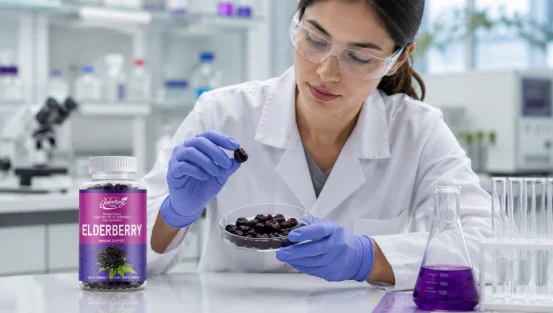
Come sviluppare una caramella gommosa al sambuco pronta per il mercato?
Iniziate considerando il consumatore target, il mercato di destinazione, il formato di presentazione, i principi attivi e il profilo sensoriale preferito. Esaminate la formula per individuare note amare, sensibilità al calore, interazioni con il pH, limiti di dosaggio e restrizioni in etichetta. Scegliere una tonalità violacea prima di controllare il pH spesso comporta la necessità di un ulteriore campionamento.
Richiedete al produttore di preparare campioni controllati per dolcezza, acidità, aroma, tonalità e consistenza. Una volta approvata la versione di riferimento, confermate le specifiche relative a colore, aroma, sapore, peso, consistenza, contenuto di principio attivo, limiti microbiologici e prestazioni dell'imballaggio. Prima di sigillare la confezione, valutate la stabilità e le condizioni di trasporto.
Come scegliere un produttore di caramelle gommose al sambuco?
Scegliere un produttore di caramelle gommose al sambuco Non si tratta solo di un confronto di prezzi. Il partner più forte è in grado di tradurre le vostre esigenze in un lotto commerciale replicabile e di documentare come viene mantenuta la coerenza.
| Cosa controllare | Perché è importante | Domande da porre |
|---|---|---|
| Sviluppo della formula e analisi sensoriale | Aroma, colore, principi attivi, acidi e base gelificante devono agire in sinergia. | Potete fornire variazioni controllate di sapore, colore e consistenza? |
| Sistemi di qualità e certificazioni | I controlli documentati basati su GMP, HACCP o ISO riducono il rischio di produzione. | Quali certificazioni si applicano alla struttura che effettua il mio ordine? |
| Test su materie prime e prodotti finiti | L'identità, il contenuto attivo, i metalli pesanti, i microbi e le proprietà fisiche necessitano di limiti. | Cosa viene testato e cosa compare sul certificato di analisi (COA) del lotto? |
| Stabilità e compatibilità dell'imballaggio | Il colore, l'aroma, l'umidità e la consistenza possono subire variazioni durante la conservazione o il trasporto. | Eseguite test di compatibilità con calore, luce, umidità e imballaggio? |
| Formato, quantità minima d'ordine e scala | Lo stabilimento dovrebbe essere in grado di supportare i quantitativi iniziali e la successiva crescita. | Potete realizzare versioni con pectina, gelatina, ripiene o senza zucchero? E quali sono i quantitativi minimi d'ordine? |
| Supporto in materia di conformità ed esportazione | Etichette, dichiarazioni, rapporti e documenti doganali variano a seconda del mercato. | Potresti esaminare l'etichetta e fornire la documentazione relativa al mercato di destinazione? |
UN produttore di caramelle gommose al sambuco a marchio privato È fondamentale comunicare apertamente durante le fasi di campionamento e di ampliamento della produzione. Bisogna scoprire chi è responsabile delle specifiche e come vengono registrate le revisioni. È importante sapere esattamente cosa succede se un lotto di produzione non corrisponde al campione approvato.
In che modo Red Kangaroo si inserisce in questo processo?
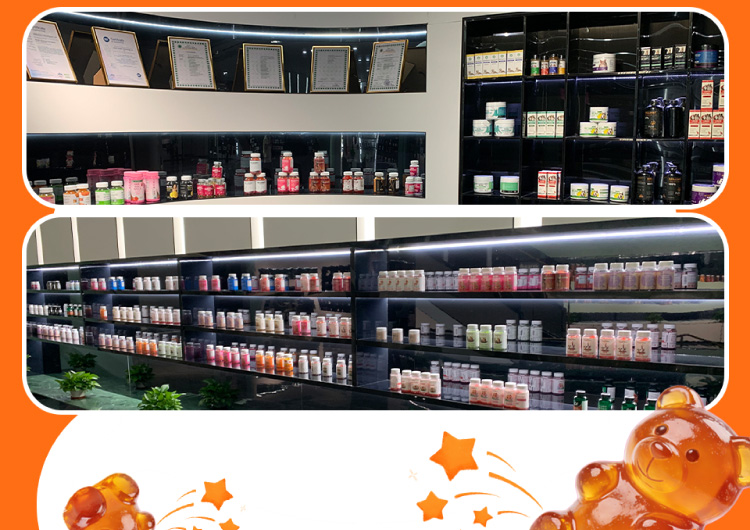
Canguro rosso offre un servizio completo OEM/ODM Flusso di lavoro. Questo comprende lo sviluppo della formula, la regolazione sensoriale, la progettazione del packaging, la revisione delle etichette, la produzione e il controllo qualità. Si occupano anche della documentazione per l'esportazione.
Descrivono i formati a base di pectina, gelatina, riempiti e liquidi. Illustrano nel dettaglio l'ispezione delle materie prime e il monitoraggio del processo. Tracciano i registri dei lotti, valutano la stabilità e testano la compatibilità degli imballaggi. Visita il sito web del produttore.
Quando si confronta un produttore di caramelle gommose al sambuco certificato GMP, i veri vantaggi sono velocità e scalabilità. Lo sviluppo di un campione richiede circa sette giorni. Nel frattempo, quattro linee di produzione dedicate producono fino a sei milioni di pezzi al giorno. Verificate sempre le tempistiche effettive, i quantitativi minimi d'ordine (MOQ), le certificazioni e i piani di test specifici per la vostra formula e sede.
FAQ
D1: Che sapore ha il sambuco in una caramella gommosa?
Solitamente presenta un ricco aroma di frutti di bosco scuri con note dolci e acidule. Il profilo finale dipende dai principi attivi, dagli acidi, dai dolcificanti, dalla base e dal rivestimento.
D2: Perché le caramelle gommose al sambuco sono spesso viola?
Il colore viola o rosso-violaceo intenso corrisponde all'immagine tipica dei frutti di bosco scuri e supporta un'indicazione di sapore coerente.
D3: L'aroma di sambuco può coprire i principi attivi amari?
Può attenuare le note amare, terrose o persistenti, ma la formula finale deve essere testata.
D4: Un colore di origine naturale rimarrà stabile nel tempo?
Non sempre. La stabilità dipende da pH, calore, luce, ossigeno, umidità, processi di lavorazione, confezionamento e conservazione.
D5: Cosa bisogna confermare prima della produzione commerciale?
Verificare le specifiche sensoriali, la conformità degli ingredienti, la consistenza del contenuto attivo, i limiti microbiologici, i test di durata di conservazione, la compatibilità dell'imballaggio, la lingua dell'etichetta, la documentazione del lotto e la tracciabilità.