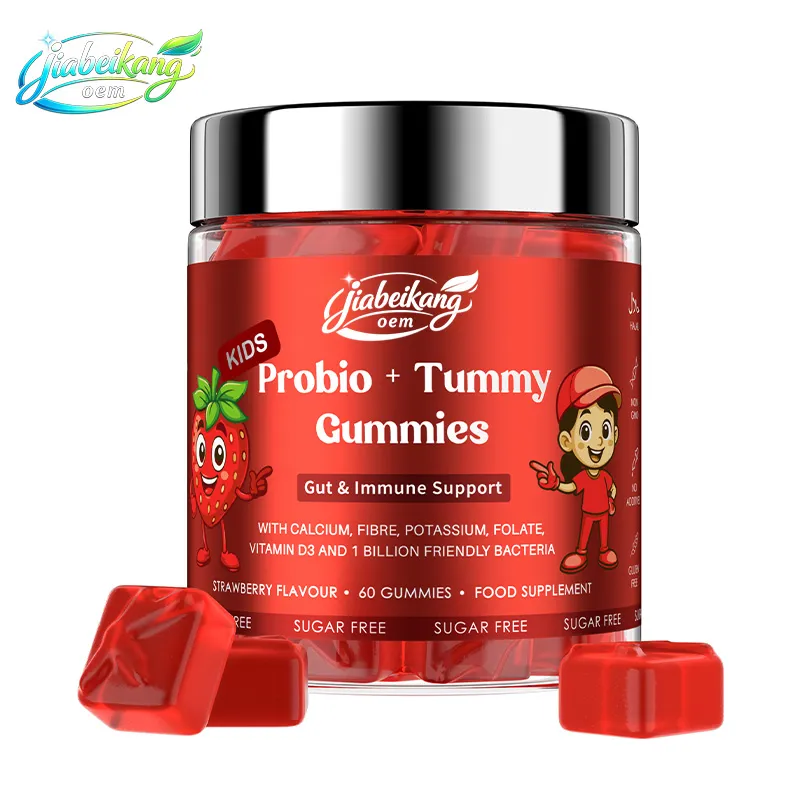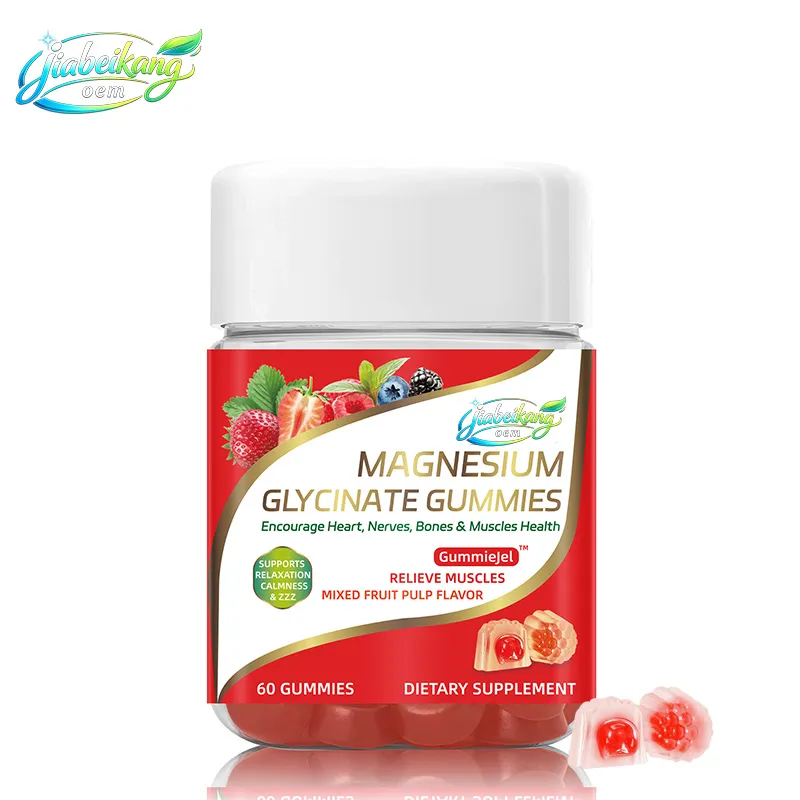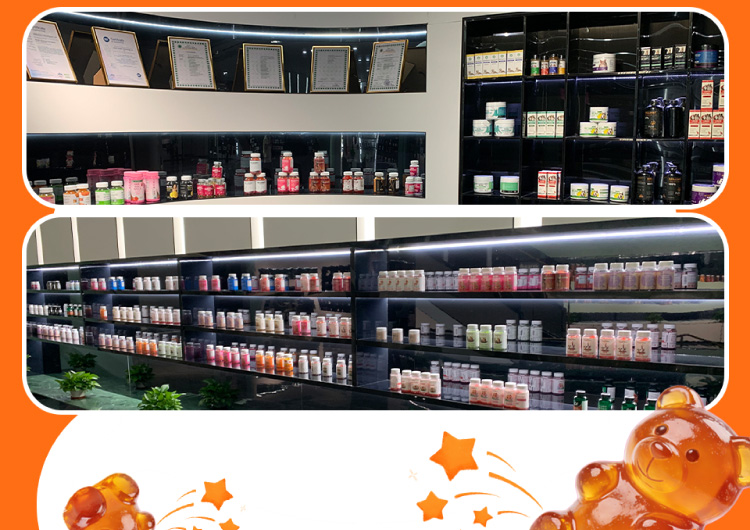




Un colore acceso e un sapore di frutta possono far sembrare una caramella gommosa pronta per il mercato. Non lo è. caramelle gommose multivitaminiche per bambini È necessario un obiettivo chiaro, una formula funzionale, una consistenza stabile, un imballaggio adeguato e un'etichetta conforme. Trattare il progetto come lo sviluppo di una caramella può portare a riformulazioni o ritardi nella stampa.
Un produttore affidabile di caramelle gommose multivitaminiche per bambini dovrebbe integrare fin dall'inizio la progettazione della formula, i test, la conformità e la produzione. Questo approccio integrato permette di evitare gli errori più comuni nello sviluppo di caramelle gommose multivitaminiche per bambini, prima che diventino costosi.
Errore 1: Avviare lo sviluppo di caramelle gommose multivitaminiche per bambini senza un utente chiaro
Lo sviluppo di buone caramelle gommose multivitaminiche per bambini inizia con una decisione: chi assumerà il prodotto? Fascia d'età, numero di porzioni, paese di destinazione, preferenze alimentari e prezzo determinano la formula. Un brief vago del tipo "caramelle gommose complete per ogni bambino" di solito crea problemi.
Definisci prima la fascia d'età e il mercato
Prima di scegliere le quantità di nutrienti o il peso delle caramelle gommose, è necessario definire la fascia d'età di destinazione. È importante verificare le normative locali sugli ingredienti, i limiti di dosaggio, le avvertenze e le restrizioni relative alle dichiarazioni. La knowledge base raccomanda di collegare la formulazione al mercato di riferimento e di effettuare una valutazione dei rischi prima di avviare la produzione su vasta scala.
Non ridurre il volume del latte artificiale per adulti
Una dose ridotta per adulti non è automaticamente sinonimo di una formulazione vitaminica gommosa adatta ai bambini. I prodotti per bambini potrebbero richiedere una diversa dimensione della dose, consistenza, sapore, priorità nutrizionale e indicazioni sull'etichetta. Una formula mirata è solitamente più facile da realizzare e da spiegare.
Errore 2: Mettere troppo in ogni caramella gommosa
Una caramella gommosa ha uno spazio limitato. Nutrienti, acidi, aromi, dolcificanti e la base devono trovare spazio sufficiente affinché la caramella mantenga un buon sapore e la sua forma. Un'etichetta troppo affollata può dare origine a una caramella gommosa grande, amara o appiccicosa.
Rispettare il dosaggio e la dimensione delle caramelle gommose.
Una maggiore quantità di nutrienti non sempre si traduce in caramelle gommose multivitaminiche migliori per i bambini. Un'elevata concentrazione di ingredienti può influire sulla deposizione, l'essiccazione, la masticabilità e il numero di porzioni. Selezionate i nutrienti che supportano il posizionamento del prodotto, quindi verificate che la quantità prevista sia compatibile con la lavorazione industriale.
Verifica la compatibilità della formula in anticipo
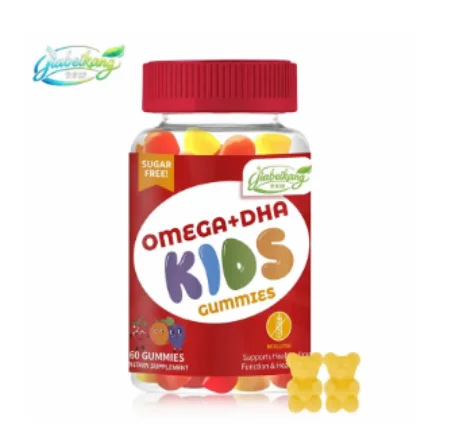
La forma degli ingredienti è importante. Così come il calore, l'acidità, l'umidità e le interazioni nella matrice gommosa. Questo è importante quando si esplorano prodotti come caramelle gommose omega-3 per bambini, dove la mascheratura del sapore, il controllo dell'ossidazione e la scelta della confezione richiedono attenzione fin dal primo campione.
Errore 3: Definire una formula "Clean Label" senza regole chiare
Spesso i genitori girano prima la confezione. Controllano la presenza di zuccheri aggiunti, coloranti artificiali, sistemi di dolcificazione, ingredienti base per le caramelle gommose e ingredienti privi di valore nutrizionale. Le caramelle gommose multivitaminiche per bambini con etichetta pulita necessitano di uno standard reale, non di uno slogan di marketing.
Bilanciare la dolcezza con l'uso quotidiano
Una caramella gommosa per bambini deve essere sufficientemente dolce da mascherare le note difficili, ma un sapore troppo simile a quello di una caramella tradizionale può ostacolare il suo utilizzo quotidiano. Testare la miscela attiva completa. Un aroma che funziona in un campione neutro potrebbe cambiare una volta aggiunti minerali o altri ingredienti forti.
Mantieni onesto il messaggio sull'etichetta
Se l'etichetta frontale suggerisce semplicità, l'elenco completo degli ingredienti dovrebbe confermarlo. Esaminate uno per uno coloranti, aromi, materiali di rivestimento e coadiuvanti tecnologici. Non è necessario eliminare ogni singolo ingrediente di supporto, ma ognuno deve avere una motivazione chiara.
Errore 4: Considerare gusto e stabilità come controlli finali
Sapore e durata di conservazione influenzano la formula, il processo, il confezionamento e il calendario di lancio. Un campione ammorbidito in una sala riunioni dice ben poco sulle prestazioni dopo mesi in un magazzino caldo.
Metti alla prova il gusto e la consistenza delle caramelle gommose per bambini con campioni reali.
Il gusto e la consistenza ideali per le caramelle gommose per bambini derivano dall'equilibrio. Verificate dolcezza, acidità, aroma, amarezza, retrogusto, consistenza e appiccicosità superficiale. Effettuate delle prove sensoriali dopo aver aggiunto la formula completa e di nuovo dopo la produzione pilota. Un retrogusto metallico persistente può essere sufficiente a far perdere un giovane consumatore.
Plan Kids: Test di stabilità prima del lancio
I test di stabilità delle caramelle gommose per bambini dovrebbero monitorare il contenuto attivo, l'umidità, l'aspetto, il sapore, la consistenza e le prestazioni della confezione. La base di conoscenze richiede verifiche delle proprietà fisiche e studi di stabilità simulati. Raccomanda inoltre imballaggi schermanti dalla luce e resistenti all'umidità, selezionati tramite test di compatibilità.
Errore 5: Lasciare la qualità, l'imballaggio e le etichette alla fine
Un campione di laboratorio approvato è solo l'inizio. La produzione commerciale richiede processi ripetibili di pesatura, miscelazione, cottura, deposizione, essiccazione, rivestimento, riempimento e sigillatura. Il controllo qualità delle caramelle gommose per bambini richiede specifiche scritte e regole di rilascio.
Impostazione dei controlli delle materie prime e dei lotti
Ogni lotto in entrata deve soddisfare standard definiti. La base di conoscenze evidenzia la qualificazione dei fornitori, l'ispezione in entrata, la verifica del contenuto attivo, l'analisi microbiologica, i controlli di identità e lo screening dei contaminanti. Durante la produzione, la doppia verifica della formula e la documentazione completa dei lotti garantiscono la tracciabilità.
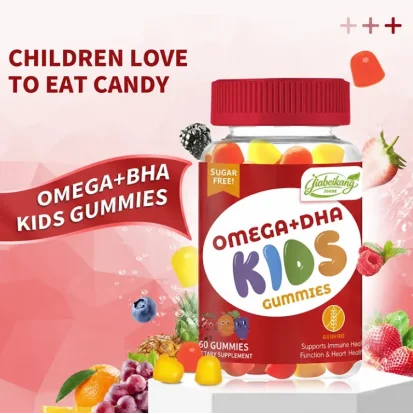
Creare confezioni di caramelle gommose per bambini incentrate sulla protezione
Efficace confezioni di caramelle gommose per bambini Controlla l'umidità e la luce, rimanendo al contempo pratico per le famiglie. Verifica l'integrità della chiusura, la compatibilità del contenitore, le condizioni di trasporto e le istruzioni per lo stoccaggio. Una bottiglia carina che fa attaccare le caramelle gommose tra loro non è una buona soluzione.
Completare la verifica della conformità dell'etichetta delle caramelle gommose per bambini prima della stampa.
La conformità dell'etichetta delle caramelle gommose per bambini deve includere la legalità degli ingredienti, le istruzioni per la somministrazione, le avvertenze, le dichiarazioni consentite e le normative relative al mercato di riferimento. Completate la revisione prima di acquistare le etichette. I cambiamenti di confezione sono fastidiosi; distruggere le scorte stampate è peggio.
Come sviluppare caramelle gommose multivitaminiche per bambini, passo dopo passo?
Se vi state chiedendo come sviluppare caramelle gommose multivitaminiche per bambini, utilizzate fasi di approvazione chiare. Questo impedisce ai team che si occupano di formulazione, test, progettazione e acquisti di procedere a velocità diverse.
Passaggio dal brief al lotto commerciale
Definire il consumatore, il mercato, la promessa del prodotto, il numero di porzioni e la fascia di prezzo. Completare la revisione di fattibilità e conformità della formula. Produrre campioni pilota, quindi valutare gusto, consistenza, contenuto di principi attivi e comportamento del processo produttivo. Dopo l'approvazione, definire le specifiche delle materie prime e del prodotto finito, iniziare gli studi di stabilità, confermare il confezionamento e approvare l'etichetta. Solo a questo punto le caramelle gommose multivitaminiche per bambini a marchio privato possono entrare in produzione commerciale.
Come scegliere un produttore di caramelle gommose per bambini?
La scelta di un produttore di caramelle gommose per bambini si basa su prove concrete. Una presentazione di vendita ben curata conta meno di un processo chiaro e di uno stabilimento in grado di riprodurre il campione approvato.
Chiedi più di un semplice campione
Un capace Produttore di caramelle gommose per bambini a marchio privato È opportuno discutere la fattibilità del dosaggio, le regole sugli ingredienti, i metodi di prova, gli obiettivi di consistenza, il confezionamento e i rischi di scalabilità. È necessario esaminare le tempistiche di campionamento, i controlli di produzione, i certificati, il supporto COA e la tracciabilità. La fabbrica dovrebbe inoltre spiegare cosa potrebbe cambiare quando una piccola prova si trasforma in una produzione su larga scala. Red Kangaroo descrive il suo processo di produzione OEM e ODM come un controllo di processo dall'ingresso delle materie prime fino allo stampaggio, all'essiccazione, al rivestimento e alla produzione finale.
Un fornitore pratico e adatto: Red Kangaroo
Una volta mappati questi rischi, valutare l'idoneità di un fornitore diventa più semplice. Canguro rosso L'azienda integra lo sviluppo della formula con la verifica della conformità, il campionamento pilota, il supporto al confezionamento, la revisione delle etichette e la produzione commerciale. Il suo sito web descrive i controlli dei materiali in entrata, le verifiche del contenuto attivo, i test microbiologici, le camere di stabilità, la documentazione di lotto e il lavoro di compatibilità del confezionamento. Il fornitore gestisce anche linee automatizzate per la produzione di caramelle gommose e supporta formati a base di pectina e gelatina, offrendoti la possibilità di personalizzare la masticabilità, il posizionamento dietetico, la forma e la scala di produzione. Questo è importante perché un partner affidabile non dovrebbe limitarsi ad accettare le tue indicazioni. Dovrebbe segnalare una formula troppo complessa, un piano di aromatizzazione debole, un'indicazione poco chiara o un confezionamento inadeguato prima che venga impegnato il budget di lancio.
FAQ
D1: Qual è il più grande errore nella formulazione delle vitamine gommose per bambini?
A: Partire senza definire una fascia d'età, un mercato di riferimento, il numero di porzioni e lo scopo del prodotto. Queste scelte guidano il dosaggio, la consistenza, il confezionamento e il linguaggio dell'etichetta.
D2: Perché è importante testare la stabilità delle caramelle gommose per bambini?
A: Verifica che il contenuto di principi attivi, il gusto, l'aspetto, l'umidità e la consistenza rimangano entro le specifiche per tutta la durata di conservazione prevista.
D3: Cosa dovrebbe includere il controllo qualità delle caramelle gommose per bambini?
A: Revisione dei fornitori, controlli dei materiali in entrata, controlli in corso di processo, test del contenuto attivo, test microbiologici, controlli fisici, registri di lotto e criteri di rilascio.
D4: Cosa rende più facile il lancio di caramelle gommose multivitaminiche a marchio privato per bambini?
A: Procedure di approvazione chiare. Confermare il brief, la formula, il campione, le specifiche, il piano di test, l'imballaggio e l'etichetta prima della produzione commerciale.
D5: Cosa dovresti chiedere a un produttore di caramelle gommose multivitaminiche per bambini?
A: Informati sulla fattibilità della formula, la verifica della conformità, la mascheratura del sapore, gli studi di stabilità, i metodi di prova, la compatibilità dell'imballaggio, la tracciabilità, le tempistiche di campionamento e i controlli per l'ampliamento della produzione.