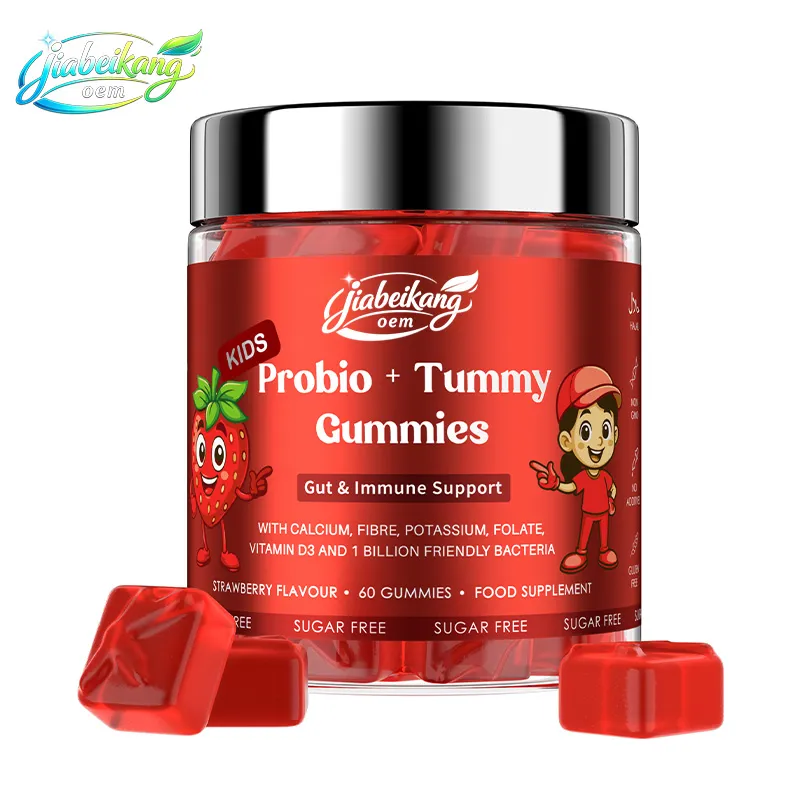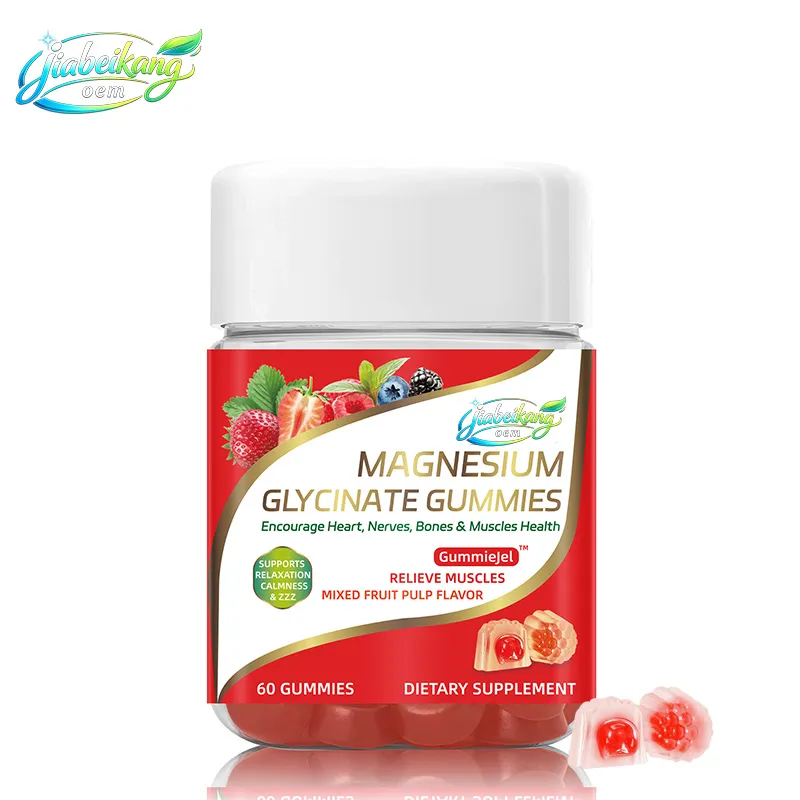




O culoare strălucitoare și o aromă de fructe pot face ca o jeleu să pară gata de comercializare. Nu este. Succesiv gume multivitamine pentru copii au nevoie de un scop clar, o formulă funcțională, o textură stabilă, un ambalaj adecvat și o etichetă conformă. Tratarea proiectului ca pe o dezvoltare de bomboane poate duce la reformulare sau la întârzierea imprimării.
Un producător de încredere de multivitamine gumate pentru copii ar trebui să conecteze designul formulei, testarea, conformitatea și producția încă de la început. Această abordare unită abordează cele mai frecvente greșeli în dezvoltarea multivitaminelor gumate pentru copii înainte ca acestea să devină scumpe.
Greșeala 1: Începerea dezvoltării copiilor cu multivitamine gumate fără un utilizator clar
Dezvoltarea unor jeleuri multivitaminice bune pentru copii începe cu o singură decizie: cine va lua produsul? Intervalul de vârstă, numărul de porții, țara țintă, preferințele alimentare și prețul definesc formula. O instrucțiune vagă de tipul „jeleu complet pentru fiecare copil” creează de obicei probleme.
Definiți intervalul de vârstă și comercializați mai întâi
Setați grupa de vârstă dorită înainte de a alege cantitățile de nutrienți sau greutatea jeleului. Consultați regulile locale privind ingredientele, limitele de dozaj, avertismentele și restricțiile privind afirmațiile. Baza de cunoștințe recomandă corelarea designului formulei cu piața țintă și finalizarea unei analize a riscurilor înainte de producția completă.
Nu micșorați formula pentru adulți
O porție mai mică pentru adulți nu este automat o formulă de vitamine gumate pentru copii, potrivită. Produsele pentru copii pot necesita o dimensiune a porției, o masticare, o aromă, o prioritate a nutrienților și instrucțiuni de pe etichetă diferite. O formulă specifică este de obicei mai ușor de preparat și de explicat.
Greșeala 2: Punerea a prea multă în fiecare jeleu
O jeleu are un spațiu limitat. Nutrienții, acizii, aromele, îndulcitorii și baza trebuie să se potrivească, în timp ce piesa are un gust bun și își păstrează forma. O etichetă aglomerată poate crea o jeleu mare, amar sau lipicios.
Respectați doza și dimensiunea jeleului
Mai mulți nutrienți nu fac întotdeauna jeleurile multivitaminice pentru copii mai bune. O cantitate mare de substanțe poate afecta depunerea, uscarea, masticarea și numărul de porții. Selectați nutrienții care susțin poziția produsului, apoi confirmați că cantitatea planificată poate fi procesată comercial.
Verificați compatibilitatea formulelor din timp
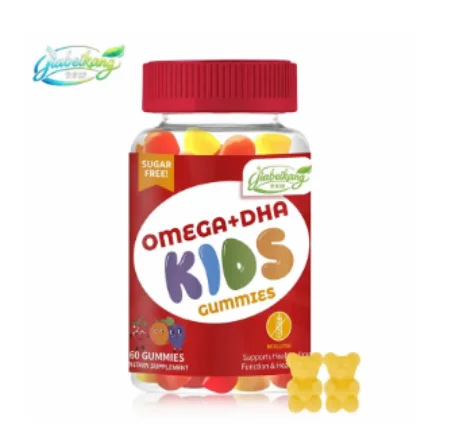
Forma ingredientului contează. La fel și căldura, aciditatea, umiditatea și interacțiunile din matricea gumoasă. Acest lucru este important atunci când explorați produse precum gume cu omega-3 pentru copii, unde mascarea gustului, controlul oxidării și alegerea ambalajului necesită atenție încă de la prima probă.
Greșeala 3: Numirea unei formule drept etichetă curată fără reguli clare
Părinții întorc adesea sticla mai întâi. Aceștia pot verifica zahărul adăugat, coloranții artificiali, sistemele de îndulcire, sursele de bază pentru jeleuri și ingredientele fără rol nutrițional. Jeleurile multivitaminice pentru copii cu etichetă clară au nevoie de un standard real, nu de o expresie de marketing.
Echilibrează dulceața cu utilizarea zilnică
O jeleu pentru copii are nevoie de suficientă dulceață pentru a acoperi notele dificile, dar gustul asemănător bomboanelor poate fi împotriva poziționării în uz zilnic. Testați amestecul complet de ingrediente active. O aromă care funcționează într-o probă goală se poate schimba odată ce se adaugă minerale sau alte materiale puternice.
Mențineți mesajul etichetei sincer
Dacă panoul frontal sugerează simplitate, lista completă de ingrediente ar trebui să o susțină. Recapitulați culorile, aromele, materialele de acoperire și adjuvanții de procesare unul câte unul. Nu este nevoie să eliminați fiecare ingredient secundar, dar fiecare are nevoie de un motiv clar.
Greșeala 4: Tratarea gustului și a stabilității ca verificări finale
Aroma și durata de valabilitate afectează formula, procesul, ambalajul și programul de lansare. O mostră moale, dintr-o sală de ședințe, spune puțin despre performanță după luni de stat într-un depozit cald.
Testați gustul și textura jeleurilor pentru copii cu mostre reale
Gustul și textura jeleurilor pentru copii vin din echilibru. Verificați dulceața, aciditatea, aroma, amărăciunea, postgustul, fermitatea și lipiciozitatea suprafeței. Efectuați verificări senzoriale după adăugarea formulei complete și din nou după procesarea pilot. Un final metalic lung poate fi suficient pentru a pierde un consumator tânăr.
Planificați testarea stabilității gumelor pentru copii înainte de lansare
Testarea stabilității jeleurilor pentru copii ar trebui să urmărească conținutul activ, umiditatea, aspectul, aroma, textura și performanța ambalajului. Baza de cunoștințe solicită verificări ale proprietăților fizice și studii simulate de stabilitate. De asemenea, recomandă ambalaje rezistente la lumină și umiditate, alese prin teste de compatibilitate.
Greșeala 5: Lăsarea calității, ambalajului și etichetelor la final
O mostră de laborator aprobată este doar începutul. Producția comercială necesită cântărire, amestecare, gătire, depozitare, uscare, acoperire, umplere și sigilare repetabile. Controlul calității jeleurilor pentru copii necesită specificații scrise și reguli de eliberare.
Setați controalele pentru materii prime și loturi
Fiecare lot primit trebuie să îndeplinească standarde definite. Baza de cunoștințe evidențiază calificarea furnizorului, inspecția primită, verificarea conținutului activ, analiza microbiologică, verificările identității și depistarea contaminanților. În timpul producției, verificarea formulei duble și înregistrările complete ale lotului susțin trasabilitatea.
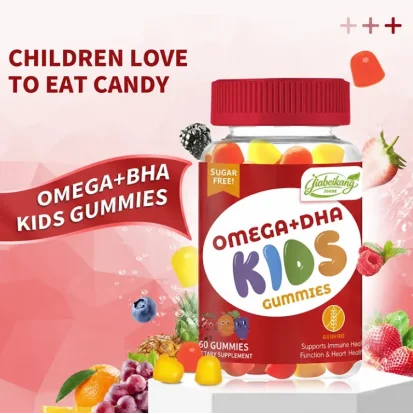
Construiți ambalaje gumate pentru copii în jurul protecției
Eficient ambalaje gumate pentru copii controlează umiditatea și lumina, rămânând în același timp practic pentru familii. Verificați integritatea sigiliului, compatibilitatea recipientului, condițiile de transport și îndrumările de depozitare. O sticlă drăguță care permite jeleurilor să se lipească între ele nu este un câștig.
Conformitate completă cu etichetele pentru jeleuri pentru copii înainte de imprimare
Conformitatea cu etichetele jeleurilor pentru copii ar trebui să includă legalitatea ingredientelor, instrucțiunile de servire, avertismentele, afirmațiile permise și regulile pieței țintă. Finalizați verificarea înainte de a cumpăra etichete. Modificările ambalajului sunt enervante; distrugerea materialelor tipărite este și mai rea.
Cum să prepari pas cu pas jeleuri multivitaminice pentru copii?
Dacă întrebați cum să dezvoltați jeleuri multivitaminice pentru copii, folosiți porți de aprobare clare. Acest lucru împiedică echipele de formule, testare, proiectare și achiziții să se miște la viteze diferite.
Trecerea de la brief la lot comercial
Definiți consumatorul, piața, promisiunea produsului, numărul de porții și intervalul de prețuri. Finalizați analiza fezabilității și conformității formulei. Produceți mostre pilot, apoi evaluați gustul, textura, conținutul activ și comportamentul de fabricație. După aprobare, stabiliți specificațiile materiei prime și ale produsului finit, începeți lucrările de stabilitate, confirmați ambalajul și aprobați eticheta. Abia atunci ar trebui ca jeleurile multivitaminice pentru copii, de marcă privată, să intre în producția comercială.
Cum să alegi un producător de jeleuri pentru copii?
A ști cum să alegi un producător de jeleuri pentru copii se reduce la dovezi. O prezentare de vânzări impecabilă contează mai puțin decât un proces clar și o fabrică care poate reproduce mostra aprobată.
Cereți mai mult decât o mostră
Un capabil producător de gumă pentru copii cu marcă privată ar trebui să discute fezabilitatea dozajului, regulile privind ingredientele, metodele de testare, țintele de textură, ambalajul și riscurile de scalare. Examinați calendarul prelevării probelor, controalele de producție, certificatele, asistența pentru Certificatul de Autenticitate și trasabilitatea. Fabrica ar trebui, de asemenea, să explice ce se poate schimba atunci când un test mic devine un test complet. Red Kangaroo descrie procesul său de fabricație OEM și ODM ca fiind controlul procesului de la introducerea materiilor prime până la turnare, uscare, acoperire și producția finală.
Un furnizor potrivit din punct de vedere practic: Cangurul Roșu
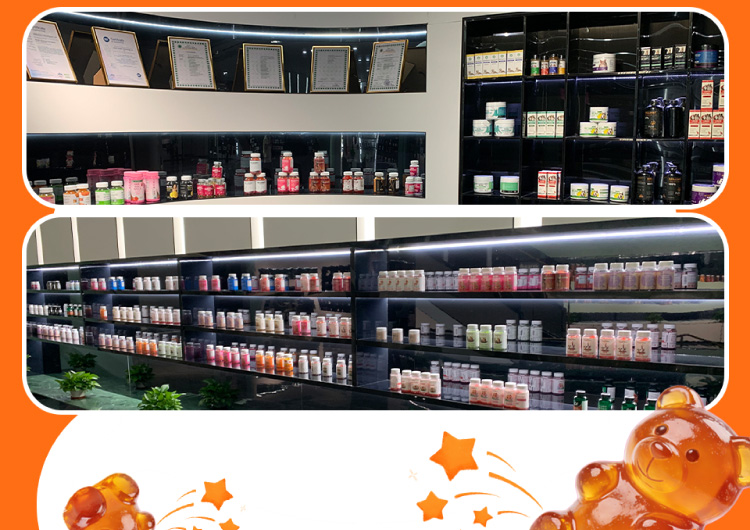
După ce cartografiați aceste riscuri, compatibilitatea furnizorului devine mai ușor de evaluat. Cangur roșu combină dezvoltarea formulelor cu revizuirea conformității, eșantionarea pilot, asistența pentru ambalaje, revizuirea etichetelor și producția comercială. Site-ul său web descrie controalele materialelor primite, verificările conținutului activ, testele microbiologice, camerele de stabilitate, documentele de lot și lucrările de compatibilitate a ambalajelor. Furnizorul operează, de asemenea, linii automate de producție a jeleurilor și acceptă formate de pectină și gelatină, oferindu-vă spațiu pentru a ajusta masticația, poziționarea dietetică, forma și scara de producție. Acest lucru este important deoarece un partener puternic nu ar trebui să vă accepte pur și simplu brief-ul. Ar trebui să semnaleze o formulă aglomerată, un plan de aromă slab, o afirmație neclară sau un ambalaj nepotrivit înainte ca bugetul de lansare să fie alocat.
FAQ
Î1: Care este cea mai mare greșeală în formularea vitaminelor pentru jeleuri pentru copii?
R: Începem fără o grupă de vârstă definită, o piață țintă, un număr de porții și un scop al produsului. Aceste alegeri ghidează dozajul, textura, ambalajul și limbajul etichetei.
Î2: De ce este important testarea stabilității gingivale la copii?
R: Verifică dacă conținutul activ, gustul, aspectul, umiditatea și textura se încadrează în specificații pe durata de valabilitate planificată.
Î3: Ce ar trebui să includă controlul calității jeleurilor pentru copii?
A: Revizuirea furnizorilor, verificări ale materialelor primite, controale în timpul procesului, testarea conținutului activ, testarea microbiologică, verificări fizice, înregistrări ale lotului și criterii de eliberare.
Î4: Ce face ca jeleurile multivitamine pentru copii de marcă privată să fie mai ușor de lansat?
A: Treceți de porțile de aprobare. Confirmați brief-ul, formula, mostra, specificațiile, planul de testare, ambalajul și eticheta înainte de producția comercială.
Î5: Ce întrebări ar trebui să îi adresați unui producător de jeleuri multivitaminice pentru copii?
R: Întrebați despre fezabilitatea formulei, revizuirea conformității, mascarea gustului, munca de stabilitate, metodele de testare, compatibilitatea ambalajelor, trasabilitatea, momentul prelevării probelor și controalele de scalare.