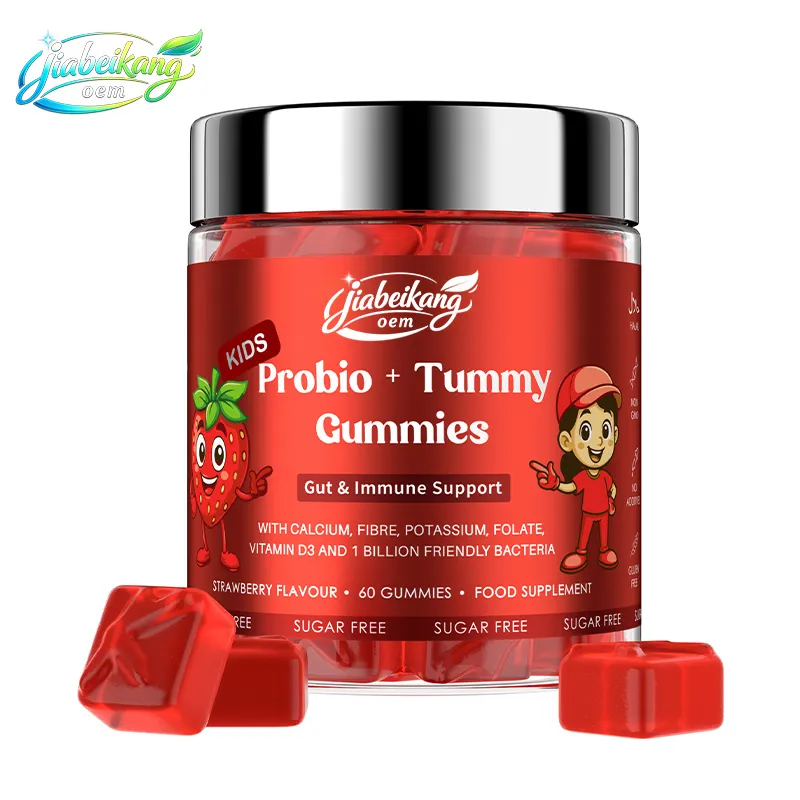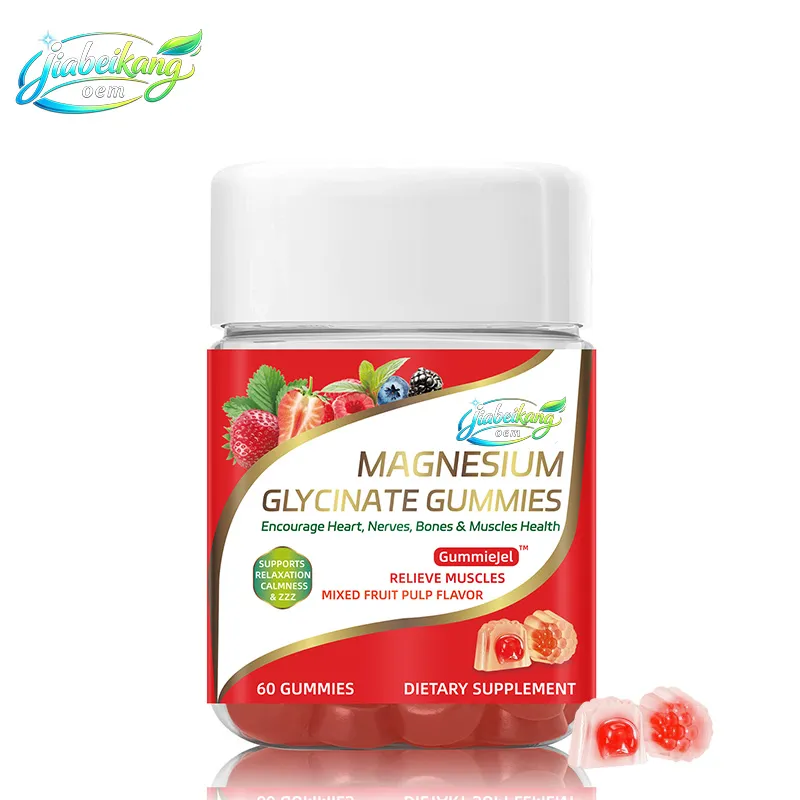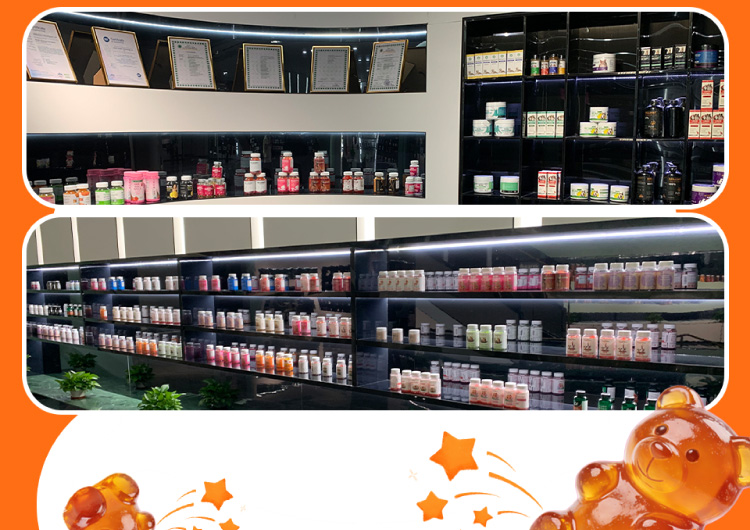




A successful children’s multivitamin gummies project is built from linked decisions, not a front-label claim. This product-focused review follows the questions that brand owners, importers and distributors should settle before approving samples, artwork and packaging. It is a commercial-development checklist, not medical advice.
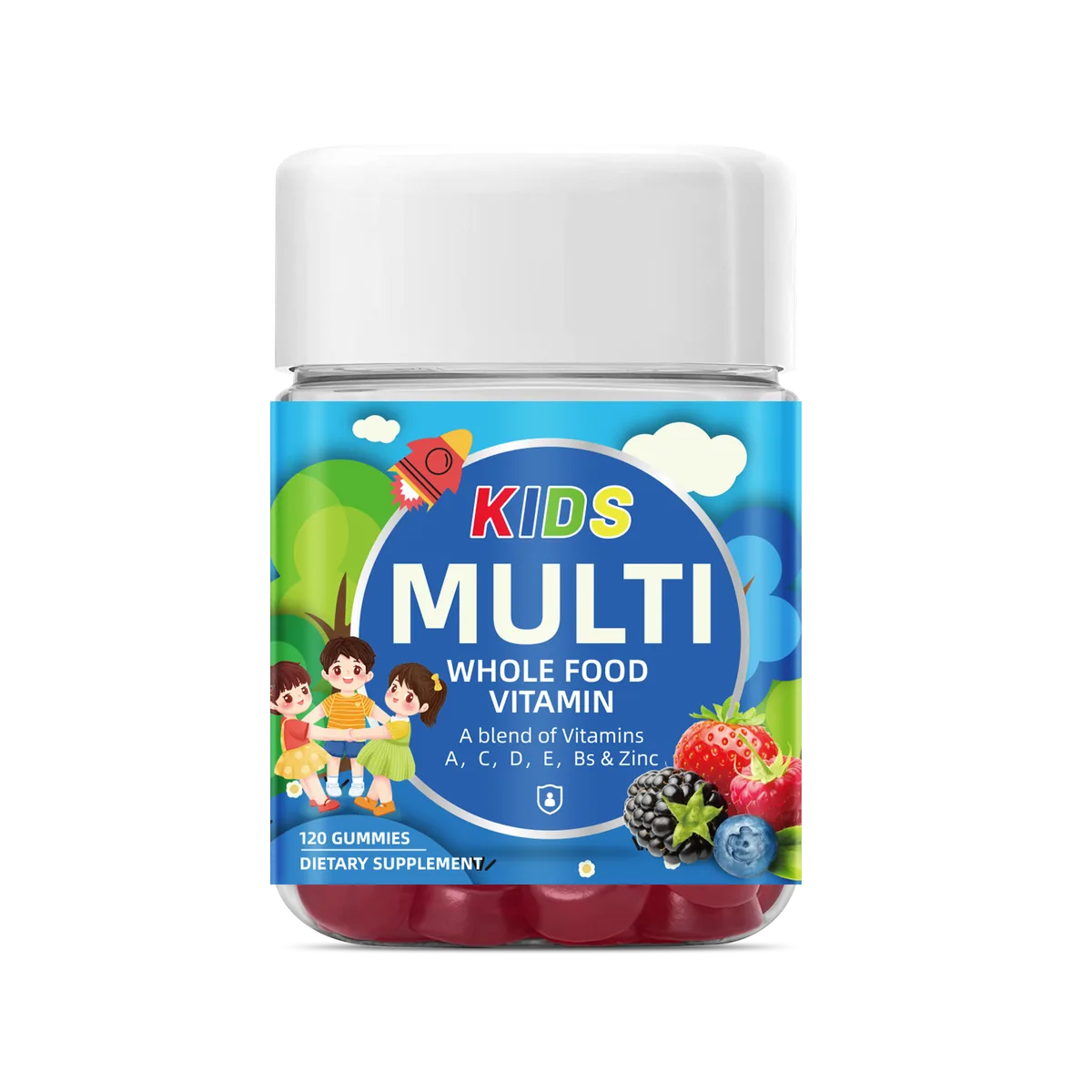
1. Start with the ingredient file
A product concept often arrives as a flavor, a bottle image and one large number for the front panel. That is enough to begin a discussion, but not enough to approve a commercial sample. Ingredient identity, assay, serving size, piece weight, taste, texture, packaging and claims all influence one another. The product team should ask for a current raw-material specification, composition, storage information and the documents needed in every destination market. Record which facts are confirmed and which are still open, so an artwork draft never becomes the unofficial formula. A children’s product cannot be treated as an adult formula in a smaller bottle. Target age, nutrient forms and quantities, serving count, sweetener system, directions, warnings and storage language must be reviewed together.
2. Build the serving before the artwork
Write three numbers side by side: amount per gummy, gummies per serving and amount per complete serving. Add gummies per package and intended days of use. This simple table exposes inconsistent calculations before purchasing, formulation and design begin working from different assumptions. The active load must fit into a piece that can be deposited consistently, conditioned to the intended texture and chewed comfortably. If it does not, the responsible choices are to revise the serving, the piece weight or the ingredient plan—not to hide the compromise in small print.
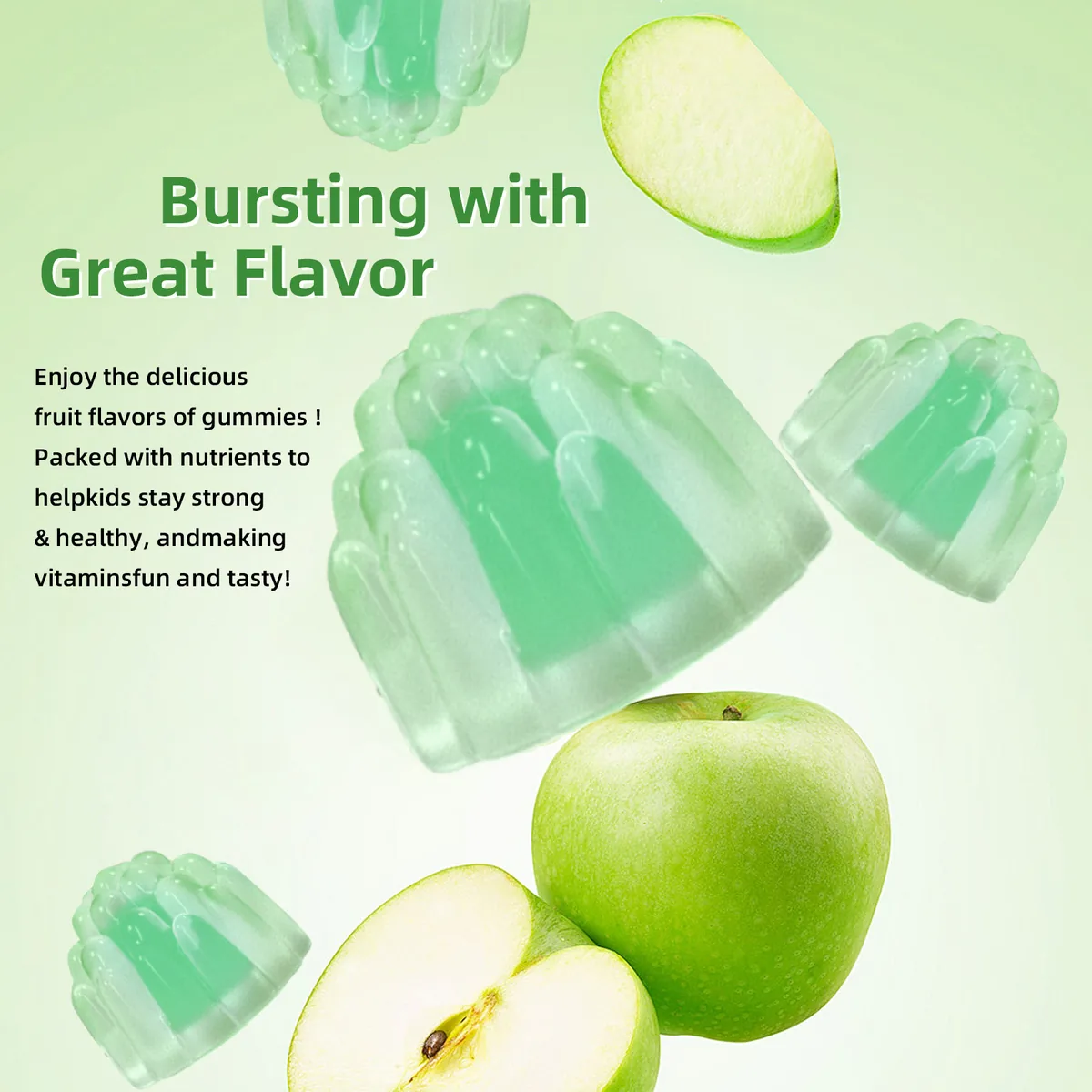
3. Test flavor with the real active load
A children’s multivitamin gummies sample should be flavored only after the real ingredients are present at the target amounts. Minerals, oils, acids, vitamins and botanical extracts can change sweetness, aroma, color and aftertaste. A pleasant plain gummy base proves very little. Reviewers should score the same attributes: first aroma, sweetness, active note, chew firmness, surface feel and finish. Specific feedback such as “the active note appears late in the chew” is far more useful than a simple good-or-bad comment.
4. Connect mould choice with piece weight
Shape is not only decoration. Deep cavities hold more mass than shallow shapes, and a conditioned gummy can differ from a warm piece leaving production. Confirm target finished weight, dimensions and acceptable variation before ordering a custom mould or printed package. Starch-mould processing can support a broad range of shapes and textures, but the mould, depositing behavior and conditioning plan still need to match the formula. A striking shape is valuable only when it can be reproduced through the production run.
5. Treat packaging as product engineering
The gummy continues to interact with heat, humidity, oxygen and light after packing. Bottle resin, closure, induction seal, desiccant, individual packet and outer carton choices should therefore be considered against the actual formula and distribution route. Review the filled package, not an empty mock-up. Check headspace, movement, sticking, label abrasion and whether the information panel remains readable. Photograph samples after transport simulation and at planned stability checkpoints rather than relying on the appearance of a first-day pack.

6. Use careful, supportable product language
Strong copy does not need dramatic promises. Ingredient identity, amount per serving, count, flavor, format and documented quality controls are useful facts. Avoid wording that presents a supplement as a treatment, promises a guaranteed outcome or implies that a familiar format makes the product suitable for everyone. Review the label, website, marketplace listing and social content as one claim set. A cautious disclaimer cannot repair an unsupported headline or image. A child’s needs vary with age, diet and health history. Parents and caregivers should follow the label and ask a pediatric or other qualified professional when guidance is needed.
7. Approve one commercial specification
Before launch, confirm ingredient source, formula revision, serving calculation, piece count, flavor, shape, color, coating, packaging components, storage wording, warnings, target markets and claims. Attach the approved sample reference and artwork proof to the same revision record. When a supplier, flavor, active amount or package changes, decide whether analytical, sensory or stability work must be repeated. A precise file does not restrict creativity; it gives sales and design teams a reliable product to describe.
Before comparing details, place the two packages side by side under ordinary light and photograph every panel. Note the package size, net count, seal, lot area and any directions that continue onto another panel. This short record makes later discussion more accurate and prevents a front image from being mistaken for the complete label.
Working example: compare the whole product
Imagine that two children’s multivitamin gummies packages use the same flavor but different serving counts. One asks for two gummies and the other asks for three. One lists an ingredient form clearly, while the other relies on a large front-panel number. The fair review puts both products into a small table and records the full serving, active amount, package duration, sweeteners, warnings and storage instructions. This does not declare a winner automatically. It reveals which questions still need an answer and prevents appearance from standing in for specification.
Next, look at the physical format. A berry or green apple gummy should be evaluated for aroma, sweetness, texture and aftertaste as a complete piece, not judged from a flavor name. Check whether the pack stays closed, whether the label remains readable and whether the count matches the stated servings. For commercial teams, this same exercise improves the product brief. For shoppers, it makes comparison calmer and more consistent. In both cases, the habit is identical: use the full label and the real serving rather than one isolated claim.
Questions worth recording before approval
Write down the questions that cannot be answered from the current specification or label. Does the stated amount apply to one gummy or the complete serving? Is the ingredient description specific enough to identify the raw material? Does the package provide clear storage directions? Are the warnings visible and suitable for the intended audience? Is the flavor description consistent with the ingredient list? These are ordinary questions, but answering them early prevents a surprising number of revisions.
For a commercial team, assign each unanswered point to one owner and add a due date. Formulation should own ingredient and serving calculations; quality should own specifications and release criteria; design should own information hierarchy; and the market reviewer should confirm local label requirements. For an individual shopper, the process can be simpler: compare the full serving, read the complete ingredient list and pause when the package leaves an important fact unclear.
Finally, keep versions. A product photograph, sample note or artwork proof should carry a date or revision reference. Otherwise, teams may discuss different versions while believing they are looking at the same product. If an ingredient source, serving, flavor, color or package changes, revisit the parts of the review affected by that change. Good product communication begins with knowing exactly which version is being described.
Final checklist
For children’s multivitamin gummies, the best commercial discussion is specific: which raw material, how much per serving, how many pieces, what sensory target, which package and which markets. Red Kangaroo uses that sequence to keep product development, sampling and packaging decisions on the same page. The result is a clearer brief and fewer surprises between the first sample and the production-ready specification.