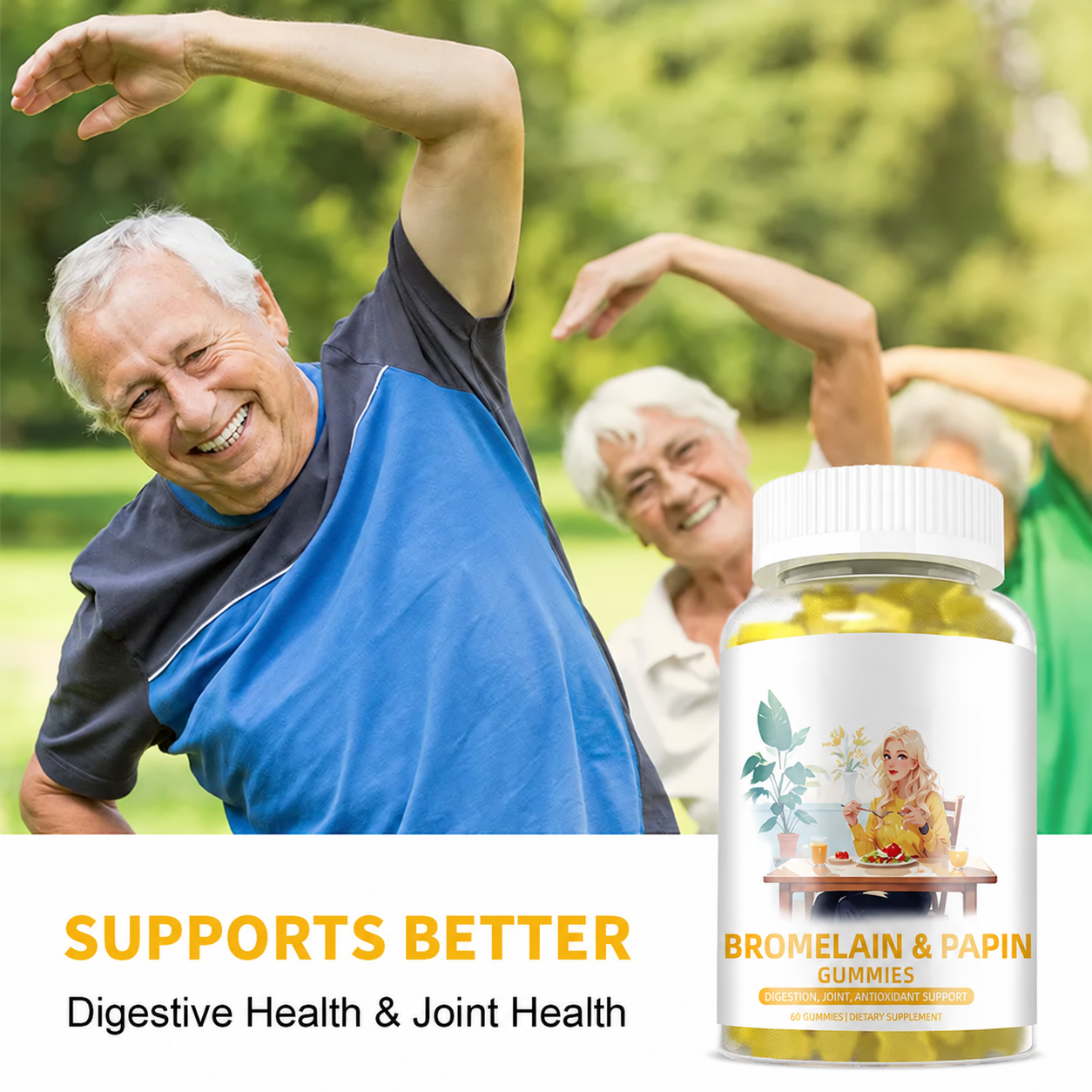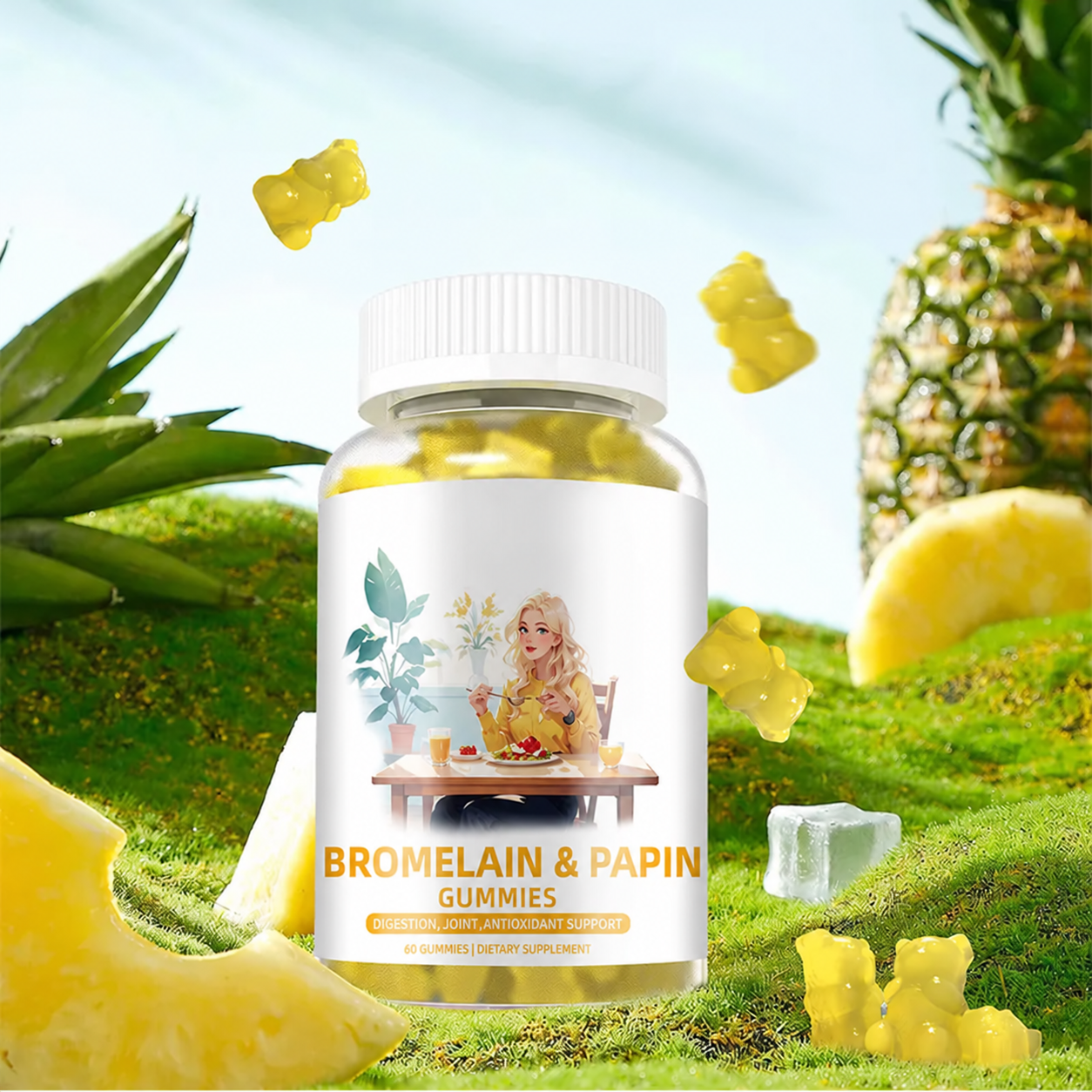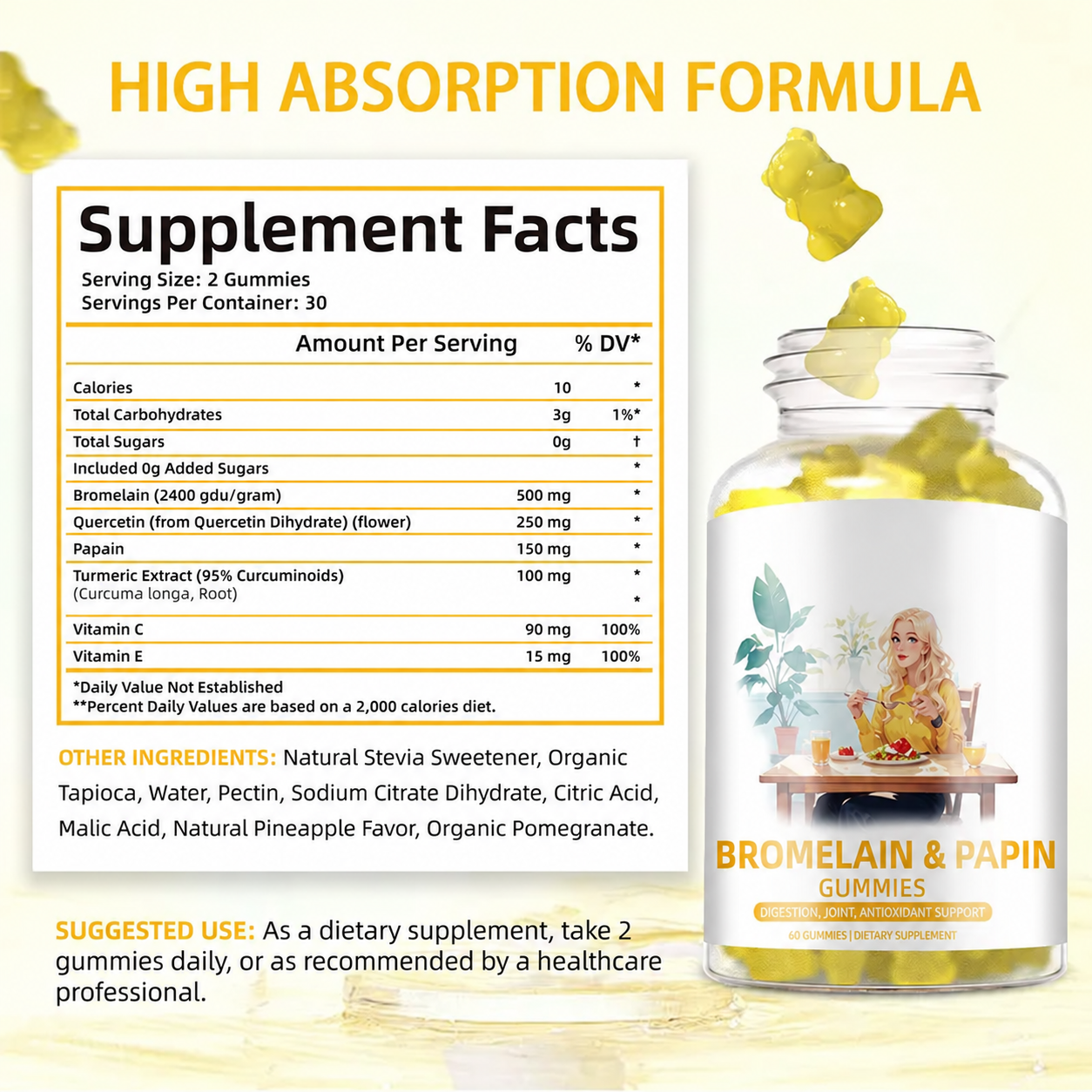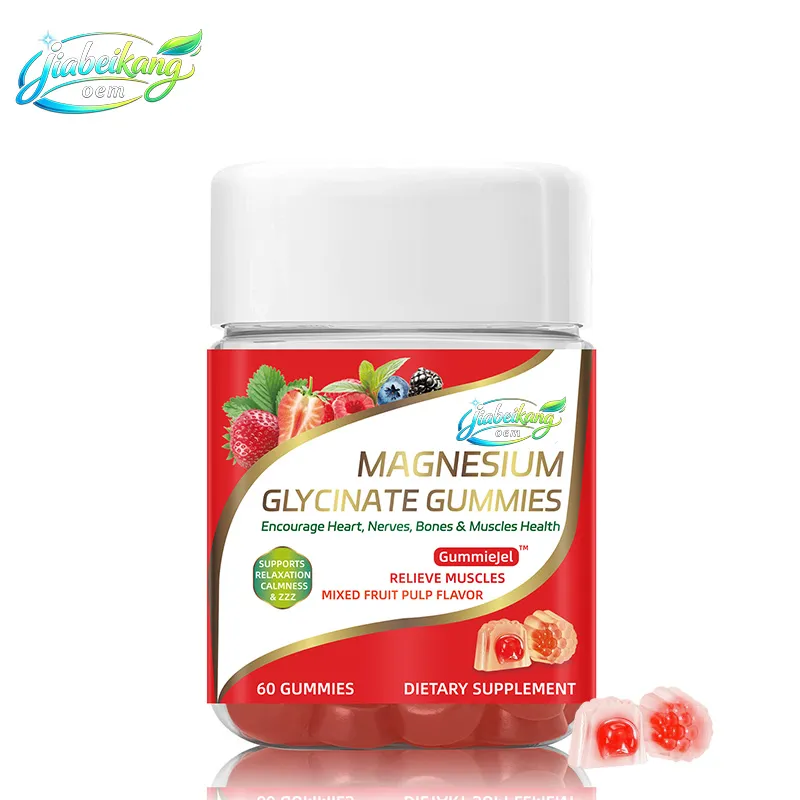




Treat the enzyme infused chewy candies as a phrase-story with only two ingredient traces in the headline-bromelain and papain. Certainly, even with those recognizable bits, there’s still data the client wants to specify before the supplier can generate a production-ready brief. Components all must be described at the raw-materials level: source, activity basis, dose, serving size, flavor goal, pack dimension and destination.
This is less about creating the biggest number you can, and more about equally weighting each number from enzyme specification to product label. Let’s begin with enzyme activity, not a dash of prettiness Bromelain is a pineapple enzyme; papain is a papaya enzyme. But in commercial production, the raw material supplies vary in activity ranges, and carry on different particles.
Request from the ingredient supplier: target raw-material, activity unit, test method and calculation basis for your proposed serving One mg alone doesn’t automatically convey anything to the buyer about the activity of each particle – so the product specification should specify whether the value of the unit activity was measured at the point of manufacturing or at the recommended shelf life.
This provides formulation and label development teams an absolute target and prevents label artwork from being decided on an opaque front-panel number. Establish the serve size: first, build the number of pieces per bottle; second, select the number of pieces per serve, then you can back into enzyme contribution. Piece weight, enzyme weight and total weight of other support ingredients will all factor into the texture.
Although a one-gummy dosage size might seem like the simplest choice, it will put stress on that gummy size or result in an undesirable texture. A two-gummy dose will offer some formulation headroom, but it will have a different bottle duration and change the appearance of the facts panel to consumers.
Track number of gummies / serving, number of servings / package and use instructions so commercial briefing, cost calculations and label review all refer to the same data points. Sample to taste preferences 50/50 pineapple and other flavor selection for bromelain. When working with pineapple flavor, it is only reasonable to use that as a path forward, though flavor selection and potential pitfalls cannot rely solely on the front panel story. Smell and sourness, chew, surface condition and mouthfeel should all be considered.
Check the small line under the amount: it will normally change the comparison. Papain or other tropical or blended flavors can affect differently with this particular enzyme system. Have the factory roll every sample with a formula number and date.
For not just ‘more’ or ‘less’ strong but for the change from sample to sample; the next should be the new standard. Think about stability and process features up front Doing enzyme work in a gummy system needs an understanding of how the enzyme becomes stabilized, when it needs to get into the process, how much of the enzyme is measured at in-process testing and how the active ingredient system will be tested as a finished product. Never assume one piece always equals one serving.
You don’t need to be directly involved in the creation of the manufacturing process, but it’s helpful to be aware of the specific assumptions the specification depends on. A pilot batch helps turn the calculations from the lab into a real-world method of mixing, depositing, drying and packaging.
Including packaging in the technicalbrief Bottles, caps, caps induction, desiccant requirements, label area and case pack configuration impact product protection and appearance. The package should solve this without relying on a calculator. Verify the number of bottles and a rough fill size before technical samples are completed.
What seems attractive in a rendering may be the wrong size, shape or strength for shipment. Ask for an assembled sample of a finished bottle and examine the label placement all the way around the circumference, determine the placement of the lot number and expiry date, and consider if the outer carton provides sufficient viewing range for enduse market. Limit claims on label to verifiable facts Talking to the consumer should start with verifiable facts rather than promises to treat a condition.
If the verbiage seems too vague, find the actual figure close to it. Facts include source of Ingredient, level of activity, or number per serving, count per serving, flavor, format, and QA documentation. Don’t include headlines in the narrative about the product’s health benefits; you can expect to provide jurisdictions with extra name restrictions or warnings.
If the initial brief is based on objective facts, it will simplify the label-writing and validation work, and minimize the risk of having to make label copy changes after test samples. Draft questions to bring to the meeting with the potential vendorWrite a brief one-pager with a source, activity system, expected serving, gummy base or orm et needs, flavor, number of bottles, target market and volume forecast. This is also worth reviewing if there is any change to package design.
Remember to ask “what decisions have to be made before the first sample can be made? What decisions can be made after we have discussed the packaging concept?” and follow up with an email with a summary. If the meeting has been productive, people will end the meeting with a brief list of ‘names’ of who is responsible for action, what the most critical next steps are, and what questions still remain.
A more direct path to a sample A good enzyme company links a completed enzyme gum, chew supplement development project to a specification rather than a front label accident. Capturing enzyme activity levels, serving size calculations, sensory expectations, process requirements and packaging issues all on one specification will make label testing faster and sample comparisons more consistent.