



The first calculation is not the flavor
Inositol projects often arrive with a familiar opening line: “We want a convenient gummy with a meaningful amount per serving.” The difficult word is meaningful. A gummy has limited physical space, and inositol is not a tiny decorative addition. Before discussing berry, peach or citrus, a buyer should decide the intended daily amount, the number of gummies in that serving and the amount that can realistically fit in each piece. Those three numbers shape almost every later decision.
A polished sample can hide a weak commercial brief. If the front label suggests a simple daily routine but the full serving requires an unexpectedly large number of pieces, the product may be difficult to explain online and expensive to pack. It is better to expose that tension during formulation than after the label has been designed.
Ratio, source and declaration must agree
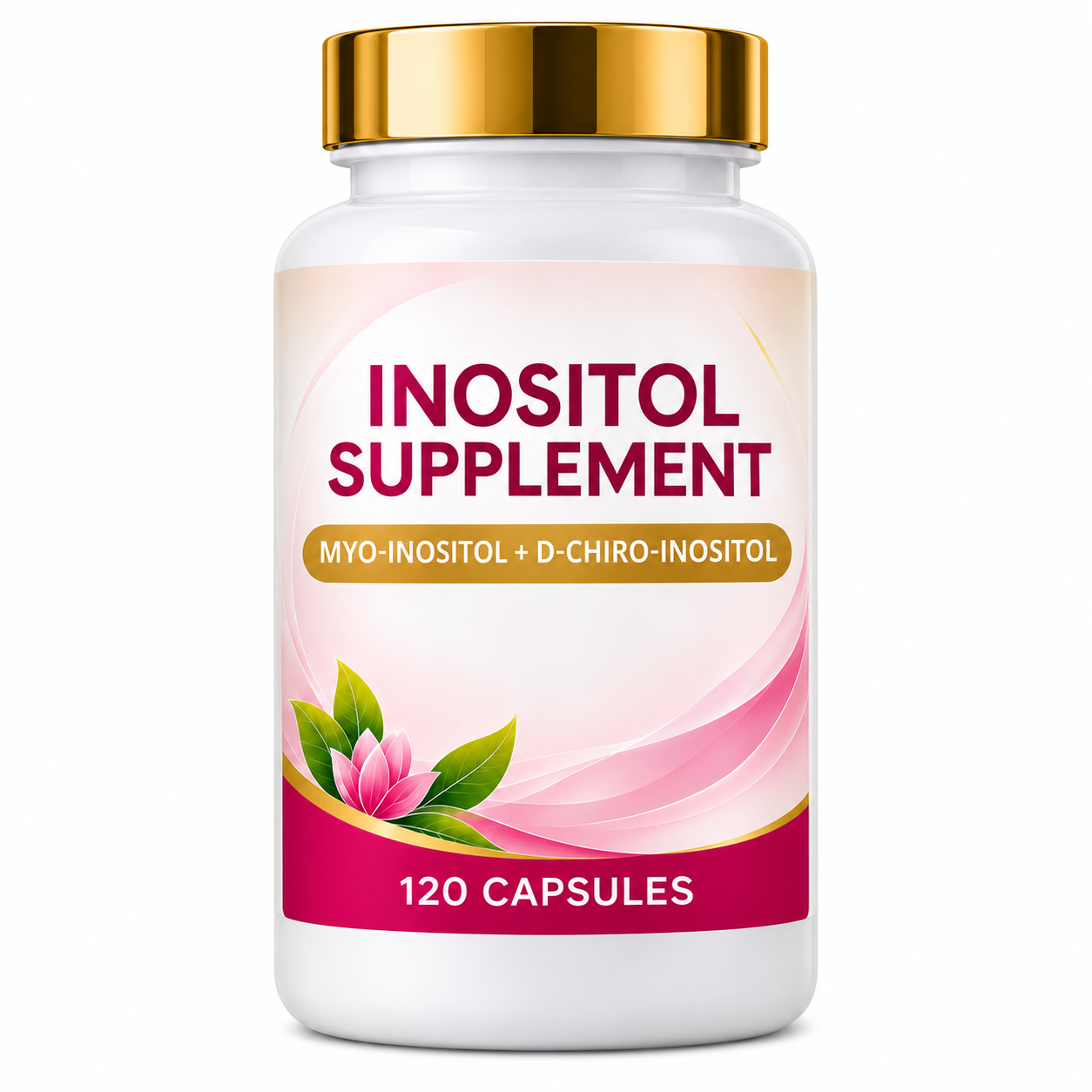
For a product using myo-inositol and D-chiro-inositol, the brief should state the amount of each component, not only a combined headline number. Buyers should also ask whether the declared amount refers to the raw material input or the finished-product specification. Supplier documents, the formula sheet and the proposed facts panel need to tell the same story.
The ratio should come from the brand’s approved product concept and target-market review. A manufacturer can help calculate the formula and confirm processing feasibility, but that does not replace the buyer’s regulatory decision. This distinction matters when the same product is intended for more than one country.
Piece count is a commercial decision
Two, four or more gummies per serving can all be technically possible, yet they produce different customer experiences. More pieces can make a higher ingredient load easier to manufacture, but they also increase bottle count, serving instructions, sugar or polyol exposure and landed cost. Fewer pieces may look cleaner on a label, although a larger or denser gummy can become less pleasant to chew.
Ask for a serving calculation that shows ingredient mass, base mass, piece weight, expected process loss and planned overage. A simple table is more useful than a vague statement that the formula is “high strength.”
Taste work starts with the full formula
Inositol has its own sensory character. Acids, flavors, sweeteners and masking systems should therefore be evaluated in the complete formula rather than in an unfortified gummy base. A flavor that performs well in a blank gummy can change once the active load is added. The same applies to color, because acidity and storage conditions may alter the final appearance.
A useful sample round compares at least two flavor directions and records feedback against clear criteria: first bite, aftertaste, chew, surface feel and aroma after the package has been opened. “Tastes good” is not detailed enough for a repeatable approval.
Packaging protects the serving promise
Bottle count should be calculated from the approved daily serving. A 60-count bottle means thirty days at two gummies per day but only fifteen days at four. That difference affects price positioning and customer expectations. Headspace, desiccant choice, closure and induction seal also deserve attention because a gummy can pick up moisture during distribution.
For e-commerce, the pack must leave enough label space for a readable facts panel, ingredients, allergen information, warnings, directions, responsible-party details and market-specific statements. A compact bottle is not automatically a better bottle.
What to approve before a pilot batch
Before moving beyond samples, approve a signed formula, raw-material specifications, piece weight, serving size, flavor, color, shape, bottle count and draft label copy. Define what will be checked at incoming inspection, during cooking and depositing, and at finished-product release. If the project includes stability work, agree on the protocol and acceptance criteria before the study begins.
A strong inositol gummy is not created by squeezing the largest number onto a front label. It is created by balancing a transparent serving with a product people can understand, manufacture consistently and package for the real route to market.