



What to Bring to a Canton Fair Supplement Meeting: A Buyer’s Product Brief
A practical buyer guide to preparing product specifications, samples, packaging questions and follow-up for a Canton Fair supplement meeting.

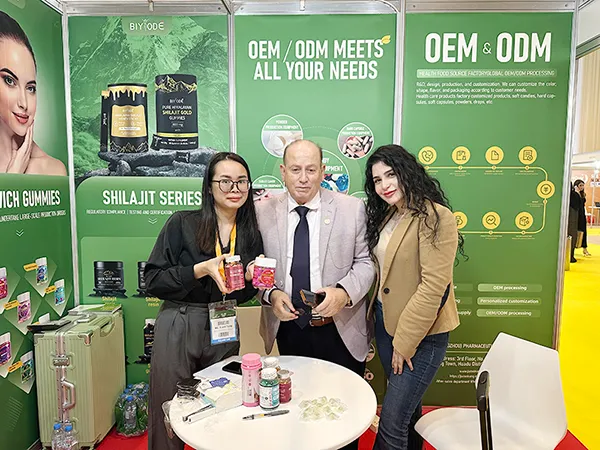
Meet Red Kangaroo at the 140th Canton Fair in Guangzhou
Visit Red Kangaroo at the 140th Canton Fair in Guangzhou and discuss supplement formats, packaging and private-label planning.
Switching Gummy Suppliers? How to Calculate the Real Cost and ROI
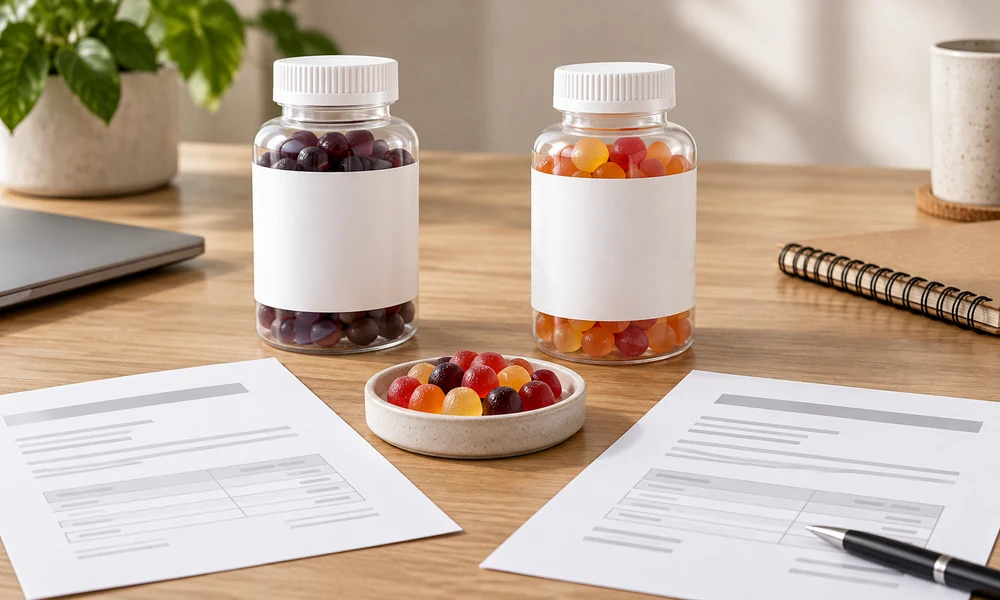
Two quotations lie open on the purchasing desk. The price gap is twenty-two cents per bottle, and somebody has circled $8,800 in the margin. Quality cannot find the finished-product tests in the cheaper offer. Meanwhile, a pallet of printed labels is still at the incumbent’s factory. The circle stays on the page, but nobody should enter it as a saving yet.
This is a comparison of one gummy with itself at two factories. Keep the formula version, gummy count, bottle, closure, testing scope and shipping basis together on the first page. If those differ, resolve the difference before calling the cheaper line a saving. Our gummy OEM services page outlines the kinds of manufacturing work involved, but a project quotation needs to name the actual work being compared.
Find the mismatch before doing the arithmetic
Put the two quotations beside the most recent purchase order. Highlight anything whose unit, quantity or scope changed. Does one supplier quote a bottle of sixty gummies and the other a pouch of thirty? Is freight included in one price and separate in the other? Has a proposed formula changed the active target or finished weight? Stop at the first unresolved difference. The model cannot repair a mismatched product by adding more decimal places.
Next, open the current specification. The pilot might taste close enough, yet the sheet still needs entries for active content, pack components and release criteria. Send it to the candidate with two columns marked “accepted” and “change requested.” Until it comes back, leave the relevant cost cell open. A zero would imply the matter was settled, and it isn’t.
Our custom-versus-stock formula cost analysis deals with choosing a recipe at the outset. A transfer creates another problem: which work must be paid for again? A candidate’s stock formula may be worth evaluating, but its quote should sit beside the current-product comparison as a separate proposal.
Put the transfer invoices in their own column
The first saleable shipment may be months away. A mold deposit can be due next week; the sample courier will send an invoice long before the trial is approved. Artwork adaptation and any extra testing have their own payment dates. Put an owner and payment month beside each line, with a question mark for an unquoted amount. The cash pinch can arrive long before the model shows a profit.
There is also the awkward inventory conversation. The incumbent may be holding your printed labels or bottles. Find the purchase record, count the balance and ask whether the components can move. Check who controls the editable artwork and formula records, too; a transfer can stall while those files are being located or released. If components cannot move, record the write-off once. The original purchase and the later disposal are not always two separate losses. Finance can only see the difference when the worksheet names the actual cash flows.
Recurring costs get a second column: bottle and components, regular testing, freight, storage, rework and reorder terms. Check the second order in particular. The first-run discount may vanish on the reorder. Ask for that price now. If the volume tiers differ, use order sizes that purchasing can actually fund; the cheapest tier may require an impractical stock commitment.
Walk an illustrative switch through the first year
Here is a made-up order book for the calculation. The forecast covers 40,000 bottles. At $2.10 from the incumbent and $1.88 from the candidate, the headline gap is clear. Add the candidate’s four cents of freight and two cents of routine testing per bottle. Now the running advantage comes to $6,400 a year. Qualification and transfer take a further $5,000 once. That leaves $1,400 after year one. Measured against the transfer spend, the first-year return is 28%; at an even run rate, recovery takes about 9.4 months after commercial production starts. None of these figures is a Red Kangaroo price or a forecast for another brand.
What finance needs
Current arrangement
Candidate case
Same annual volume
40,000 bottles
40,000 bottles
Bottle price
$2.10
$1.88, plus $0.06 freight and testing
Annual running difference
Baseline
$6,400 in favor of candidate
Moving bill
None
$5,000 once
Year-one result
Baseline
$1,400 net; 28% on the moving bill
Simple payback
—
About 9.4 months after production starts
Start counting those 9.4 months when saleable commercial bottles begin leaving the new line; the pilot invoice is an earlier cash event. Plot the deposit, the incumbent’s last order, release of the candidate batch and its arrival at the warehouse on separate lines. The buyer may need to pay two factories before the cheaper stock is available to sell. That matters even when the twelve-month sum is positive.
Let the pack and MOQ challenge the result
The current bottle might be printed and sealed while the new quote covers a plain container. Set both packs side by side at the meeting and point to the one the retailer will receive. Our branding and packaging options can help specify its parts. Get that exact assembly priced. The first print run may demand cash well before the lower unit cost pays back.
Purchasing currently orders 10,000 bottles a quarter. The candidate wants a 20,000-bottle run. Those extra cartons remain saleable inventory, yet their invoice arrives before much of the stock moves. Put expected weekly sell-through next to the payment date. A possible expiry or redesign loss gets its own row, away from the working-capital line.
Price a setback without pretending to know its probability
The incumbent’s rejection and return history is available in the brand’s records. There may be no comparable year of candidate production for this exact gummy. Do not turn a good-looking pilot into a numerical claim about future defects. Instead, show what one rejected batch, one repeat test or one missed promotion shipment would cost. Keep those items outside the base case until the underlying evidence supports them.
Our gummy testing and stability guide can help identify the work behind a quote. Mark each test as a transfer event, a batch routine or a response to a later change. If the same assay appears on the startup bill and in every-order charges, ask whether both entries are real before adding them.
The promotion calendar provides another check. “Finished in May” may still mean that testing, release and transit push saleable stock beyond a June launch. Ask for those dates separately. If they do not fit, the brand must price an incumbent bridging order or change the promotion. Do not hide an invented lateness percentage inside the bottle cost.
Take a decision to the supplier meeting
At approval, hand everyone the same page: scope differences, startup invoices, annual running difference, MOQ cash and first saleable-stock date. Each number gets a source in the next column. An emailed candidate quote can be checked. A sales forecast is a planning assumption. One more test or print run could swallow the illustrative $1,400 benefit. Get the disputed charge in writing before purchasing issues an order.
The meeting may end with a switch, a negotiation over the first run, or no move at all. A cheaper offer cannot supply a launch after the promotion has ended. A smaller print commitment might rescue it. If the team stays because the incumbent has reliable stock on hand, record that reason. Also record the document that would make the team reconsider.
For a project-specific comparison, contact Red Kangaroo with the current quote, formula and package specification, annual demand, first-order plan and reason for reconsidering the factory. We can respond against those assumptions; a universal saving figure would be less useful than the right question answered on your own product.
Creatine Gummies: What Brands Need to Resolve Before Product Development
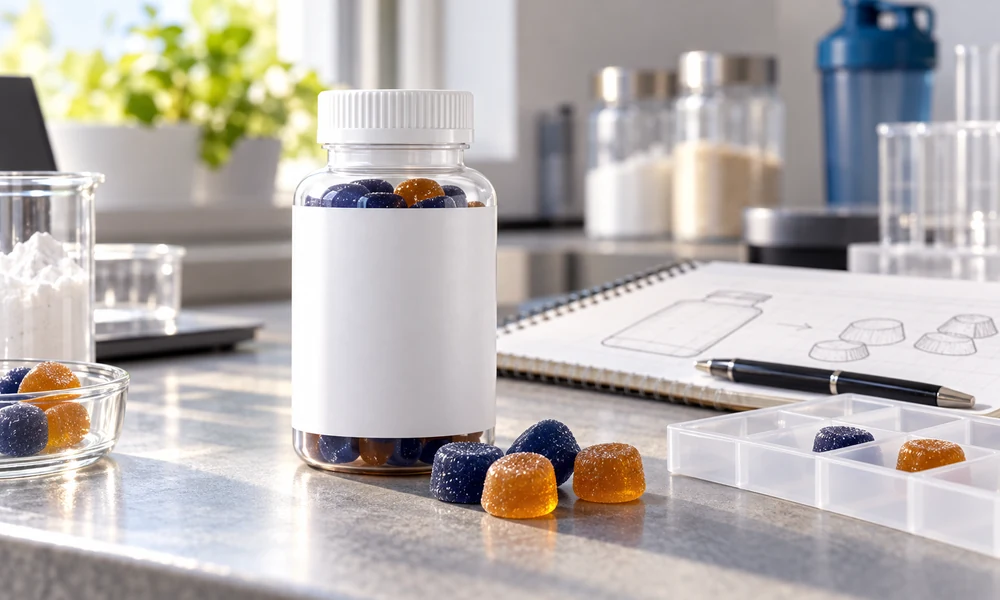
The concept deck shows three bright gummies beside a small bottle. The product brief says “creatine” and little else. At the first sample meeting, someone asks whether those three pieces represent a day’s serving. Nobody can answer. I would stop the meeting there. The tray might be a one-day supply or only half of it; either reading changes the proposed bottle and its retail economics. I would ask the brand to put two numbers on the brief before tasting continues: the daily creatine target and the most pieces it expects a customer to chew. The mold can wait.
Gummies can carry creatine. That does not mean any appealing tray contains the amount on the proposed label. Read the NIH Office of Dietary Supplements fact sheet for the research context. Then close that tab and look at the proposed gummy’s batch record and assay. If those records are absent, no one knows whether the photographed sample supports the intended daily serving. The creatine gummy product page helps the team picture a format. It cannot validate an unmade formulation.
First decide what a day’s serving can look like
Ask a commuter to hold six gummies in one hand. Ask a gym customer to imagine finishing them after a session. Their responses may tell the brand more than another round of bottle renders. I would test the full portion with actual-size mock pieces, record where the routine starts to feel excessive, and give the formulator that ceiling. If the proposed target misses it badly, flavor work is premature.
For arithmetic only, imagine a proposed 3 g daily creatine target. This is not a dose recommendation and says nothing about what any particular gummy can hold. Two pieces would require a target of 1.5 g each; three would require 1 g each. Creatine is not the entire piece. The gelling base, water, flavor and sweetener must fit as well. The piece weight and texture may change while the active target stays fixed.
At the bench, label each trial with its recipe code, creatine form, target per piece and actual piece weight. Put the entire proposed serving on a plate. One attractive gummy tells very little about the weight and chewing time of three. The creatine gummy category can help a team discuss presentation; only the coded trial and its measurements can settle this project’s serving.
Count the bottle in days before pricing it. Sixty pieces yield thirty days at two per day, twenty days at three, and only ten days at six. A shopper sees “60 count” first; the team should see the number of repeat purchases implied by the serving. Put the pack price beside each scenario and calculate the price per day. If that daily figure looks awkward against the product’s intended position, the discussion belongs in development, not after the labels arrive.
This sheet also exposes conflicting instructions early. Sales may have promised a thirty-day bottle while product development is sampling a three-piece serving in a 60-count pack. The numbers cannot both stand. Change the count, change the proposed serving, or change the promise before printing begins. Do not leave the discrepancy for the label reviewer to discover at the end of development.
Here is a useful gate sheet for the sample meeting. Leave a cell open until the evidence exists; a target is not a test result.
Gate
Decision the brand owns
Record needed to move ahead
Serving
Target per day and maximum pieces
Trial code, proposed piece weight and measured content
Eating
Full serving, not one piece
Notes on chew, grit, flavor and finish for every piece
Pack
Count, container and price ceiling
Days of supply and cost per day
Production
Approved recipe and variation limits
Agreed finished-product criteria and checking plan
Taste the proposed routine, then write down the fault
The tasting sheet should have three numbered boxes if the proposed direction says three gummies. Reviewers eat the complete portion, with water nearby, and fill each box as they go. Notes such as “acidic at first bite” in box one and “powder on the tongue” in box three point the bench toward different adjustments. A single seven-out-of-ten score would hide the progression. The timing of a complaint belongs in the record alongside the complaint itself.
Texture deserves the same specificity. A larger piece may reduce the count but take too long to chew. Smaller pieces may be pleasant alone and tedious as a full serving. Ask the tasting group to handle the proposed pack as well as the gummies. This shows whether the size, count and container feel like one product or three compromises glued together.
Keep the coded sheet from the first tasting. A week later, people may remember it as “too sour” but forget that the pieces were also small and easy to chew. If the next tray fixes acidity by increasing piece weight, put both trays back on the table. Ask reviewers to write which version they would actually take every day. That is a more useful answer than a vote on flavor alone.
Check the packed sample before calling the formula finished
Take a small set of the coded pieces off the bench and put them in the proposed sales pack. The shelf-life discussion starts with that pack, a storage schedule and specific review dates. Log each opening: assay result, pieces stuck together, firmness, color, flavor and anything unusual about the closure. Imagine a bottle whose gummies still look glossy but fail the agreed content range. Now imagine a passing assay in a pouch full of stuck pieces. Neither result supports the launch as written.
The sales team may later prefer a pouch to the bottle in the trial. That is a new question for quality, especially if the closure and moisture exposure differ. Put the packaging change on the sample record. Next to it, write the checks quality wants repeated. Otherwise the label may inherit a shelf-life figure established with a container the customer will never receive.
In the United States, dietary-supplement manufacturers should work from 21 CFR Part 111; the FDA CGMP overview provides the entry point. For this project, ask the manufacturer to show the proposed specification sheet. Which content result would prevent release? Where is the production record? Who signs the review? Those answers matter more at a project meeting than a broad assurance that the factory follows the rules.
Keep a claim draft beside the sample record
Print the draft product page and lay it beside the sample record. Highlight every number in the copy. Can the finished-product test support it? Next highlight each benefit statement. What evidence and market-specific review support that language? The studies cited in a creative brief may use another delivery form or serving. Put that difference in front of the copywriter while there is still time to change a headline without scrapping printed packs.
Give each market its own copy file. For EU work, consult the European Commission’s nutrition and health claims framework; have U.S. wording reviewed on its own terms. On one proof sheet, place the ad, the product page and the label. A modest pack description can sit beside a much bolder digital headline; reviewing the three together makes that discrepancy visible.
The 3 g figure above illustrates division across pieces. It does not approve a claim or establish an audience. Attach the wording review to a sample code and market. When either changes, pull the copy back onto the review table.
Let the finished routine compete with other formats
The last concept review needs a tabletop comparison. Set out the actual daily gummy portion beside powder and capsules at the same proposed creatine amount. Place the corresponding packs behind them, with days of supply and estimated daily price written on cards. Try carrying each option in a work bag. A gummy’s portability counts for something, but the panel may still balk at six chews and a short-lived bottle. Make that decision with objects in front of the team.
End the meeting with a decision that can be acted on. If it is “proceed,” attach the chosen sample code and the unfinished tests. If it is “revise,” name the one or two variables for the next trial. A pause is valid too: the daily routine may be too expensive or cumbersome at the intended amount. Such a pause costs less than defending an unsuitable launch later.
The team can send its brief through Red Kangaroo’s contact page: creatine form, daily amount, maximum pieces, target buyer, sales market, flavor, pack and first-order estimate. With those numbers, the custom formulation team can scope a coded trial. A bottle image by itself tells the bench very little.
Apple Cider Vinegar Gummy Packets: Portion Control, Barrier Packaging and Label Space
A practical product-development review of the ingredient, serving, sensory, mould, packaging and label decisions behind apple cider vinegar gummy packets.
Children’s Multivitamin Gummies: Age Range, Serving Design and Safe Packaging
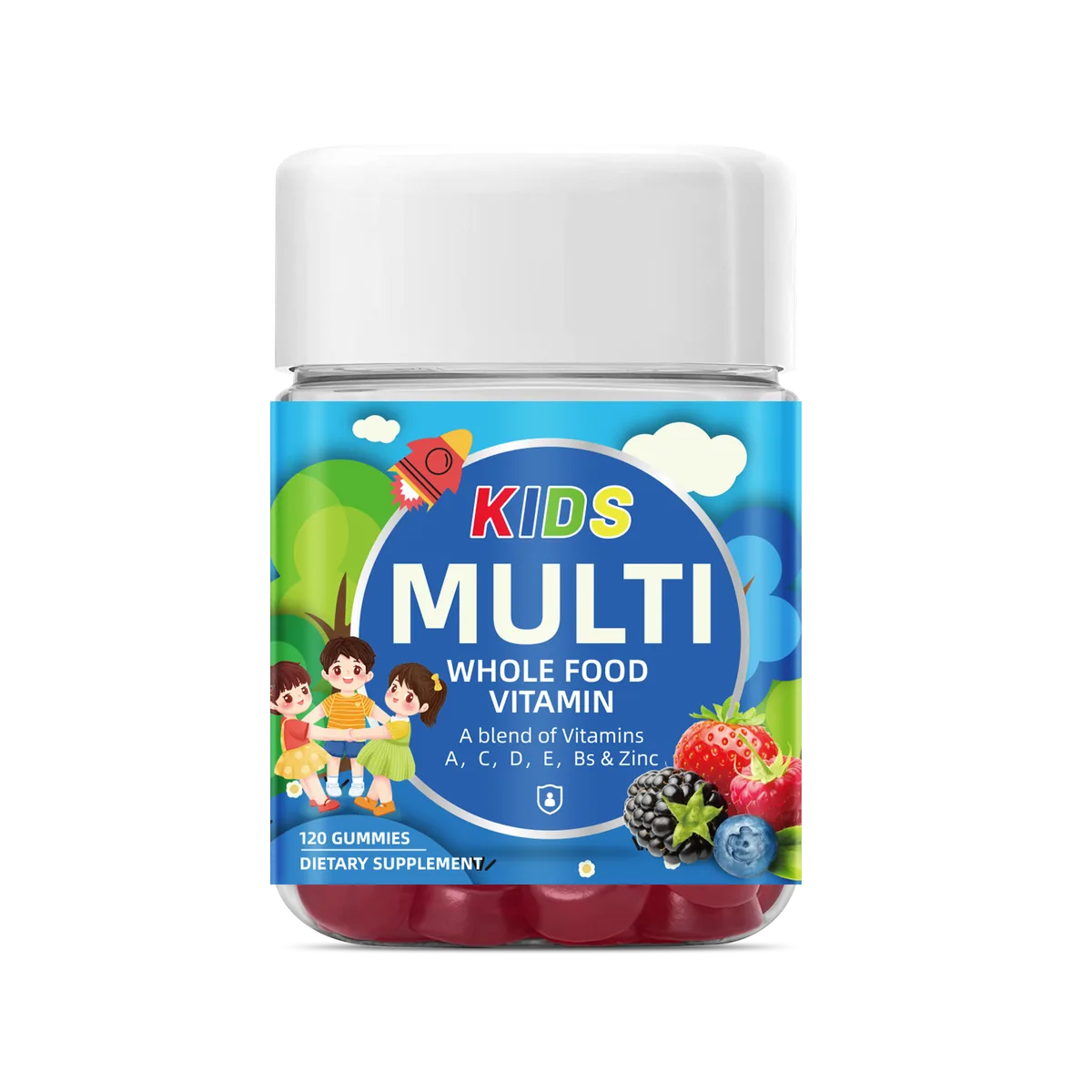
A practical product-development review of the ingredient, serving, sensory, mould, packaging and label decisions behind children’s multivitamin gummies.