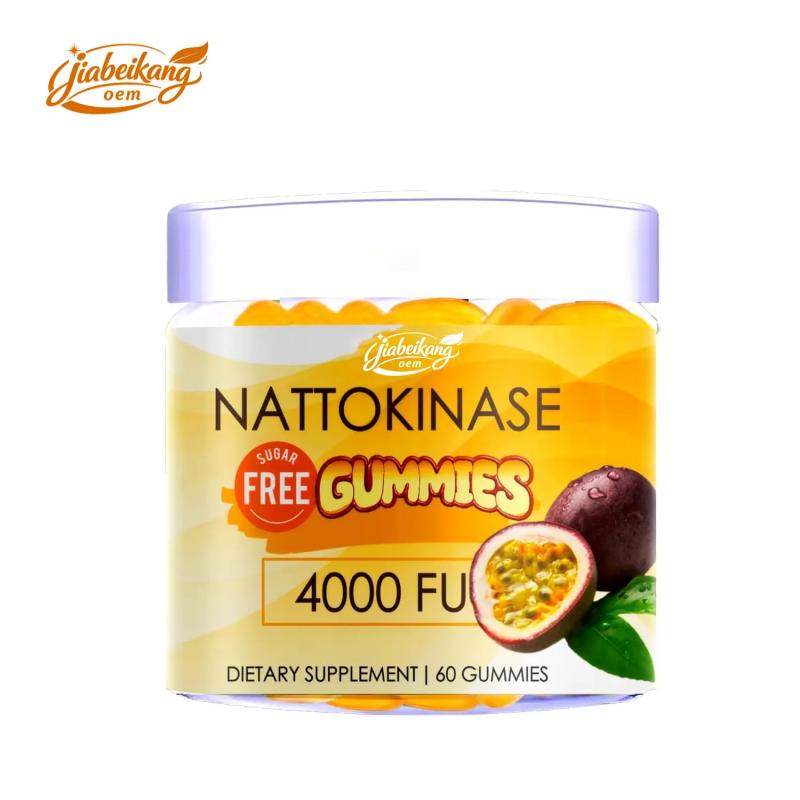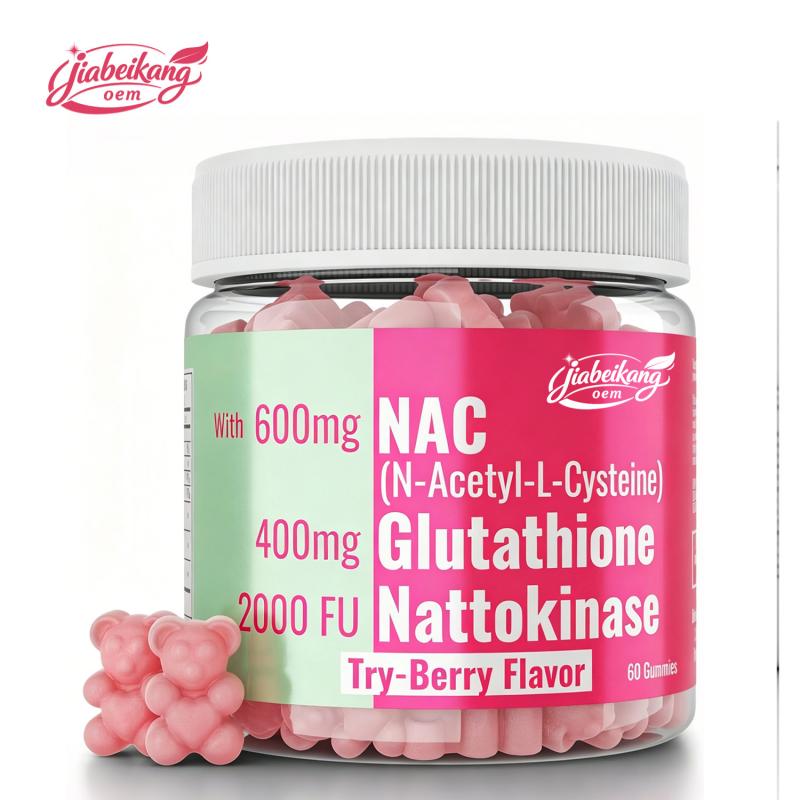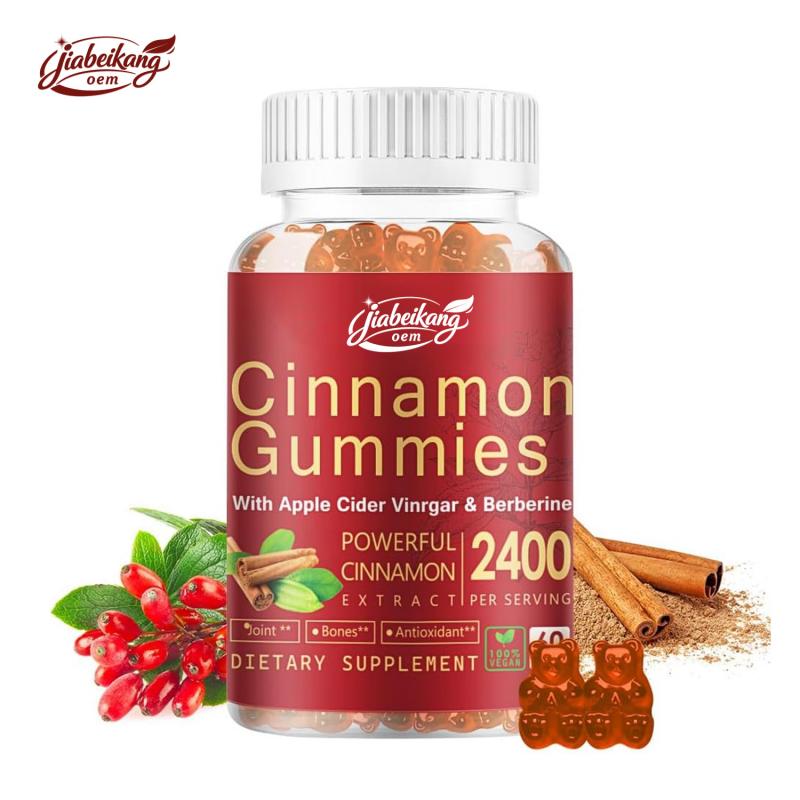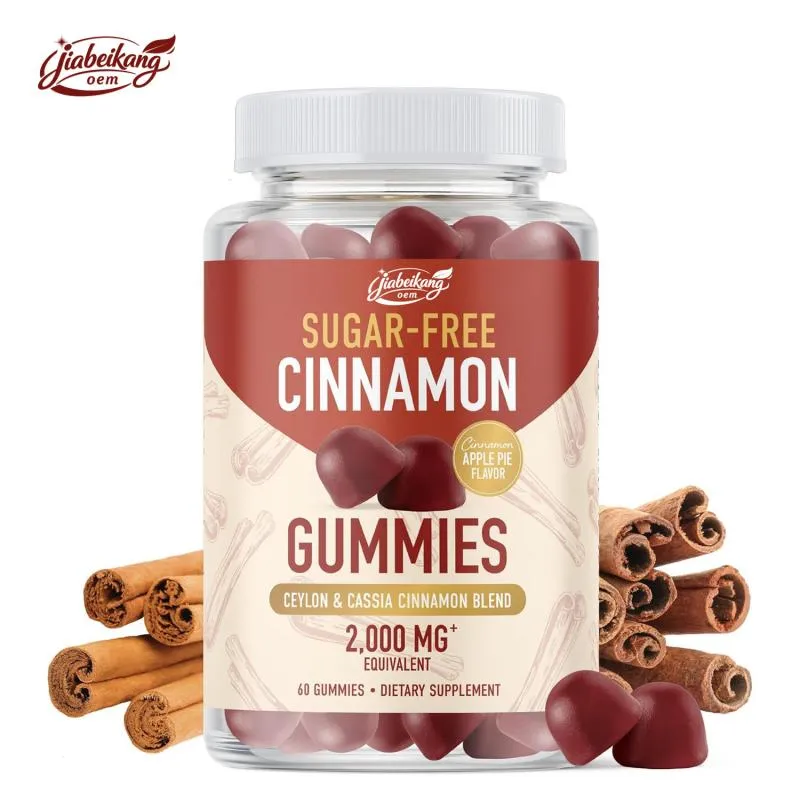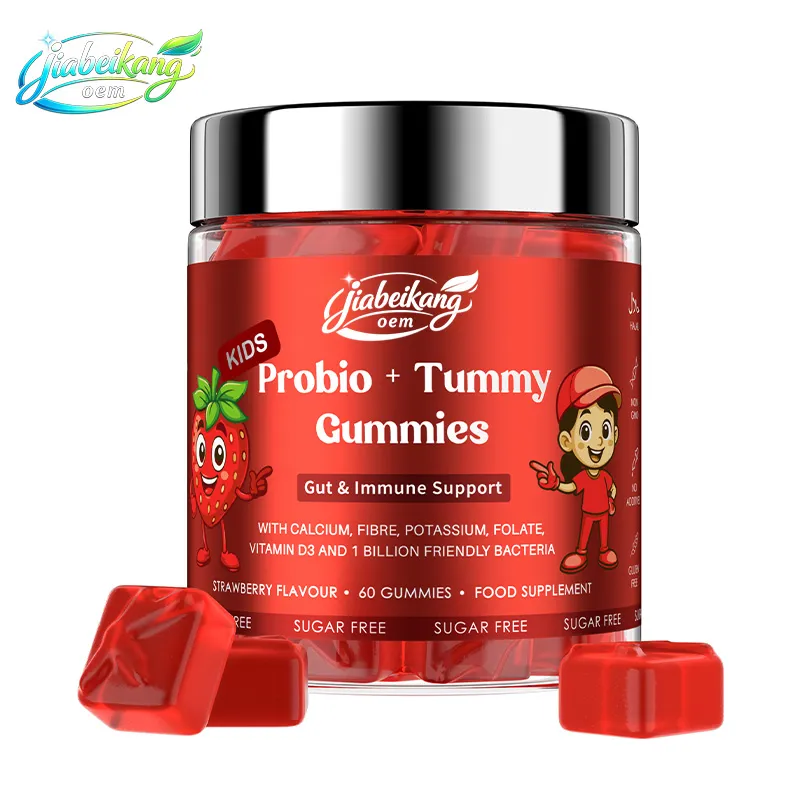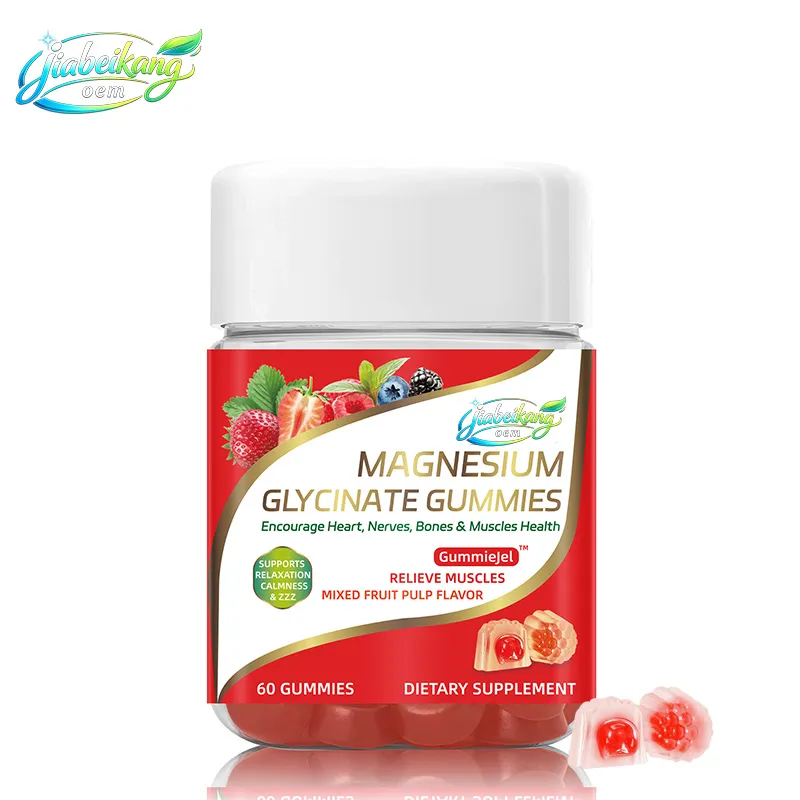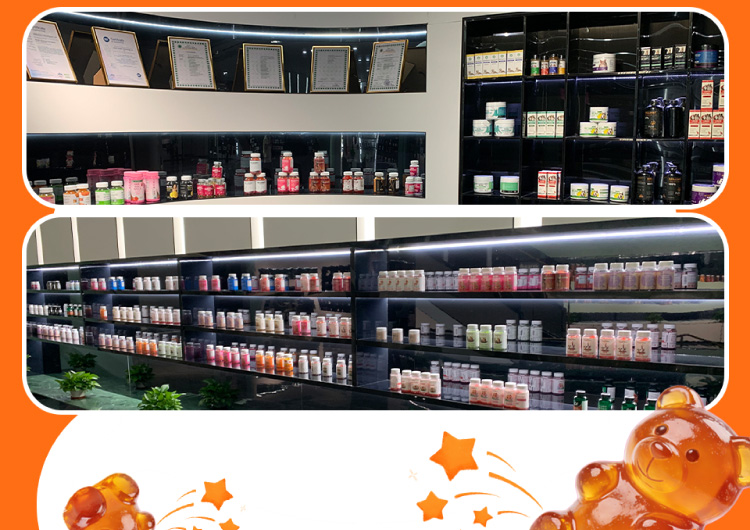




Gummies look simple on the store shelf. But making them right takes hard work. Texture, active dosage, moisture, and flavor all matter a lot. Packaging and shipping conditions change the final product too. Are you making private label gummy supplements? Picking the wrong factory is a bad idea. You might get bad stock or high costs. Your boxes could even break during shipping.
This guide helps you check suppliers before you order. We will focus on the main things: quality control, minimum order quantity (MOQ), formula help, and packaging.
What Should You Check First When Choosing a Gummy Supplement Manufacturer?
First, see if the factory can do the whole job. They need to handle everything from making the formula to shipping the final goods. A factory might show you pretty samples. But they might lack good records, deep testing, or clear plans. This makes repeat orders really hard.
Look at their product list first. Check how they handle raw materials and samples. Look at their certificates and wait times. See how well they talk to you. Also, ask if the same team handles making, testing, and packing. Fewer handoffs mean fewer delays when you change a formula.
Can the Manufacturer Support Your Formula?
Ask if the factory uses common things like vitamins, minerals, or botanical extracts. Do they use collagen, probiotics, or omega oils? Some of these hate heat or water. Because of this, how they make the gummy really matters.
UM formulação de goma personalizada needs clear details. You must pick the active dosage, serving size, flavor, and color. You also pick the sweetener and check for allergens. Gelatin and pectin gummies are very different. They chew and set in their own ways. The right choice depends on your buyers, not just the lowest price.
Look at the factory’s current products. See if they have something close to your idea. Using a stock formula saves time. It also cuts down on mold and testing costs.
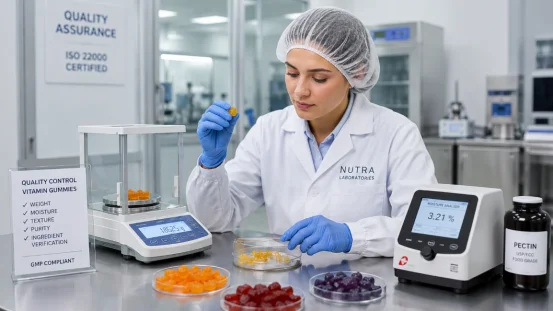
How Do You Evaluate Gummy Manufacturing Quality Control?
Quality control must check the materials, production, testing, and release. In the United States, dietary supplement factories must follow FDA 21 CFR Part 111 cGMP rules. Ask them how they actually use these rules on the floor.
New materials coming in need trackable lot numbers. They also need good paperwork. This might include info on purity, allergens, heavy metals, and bad germs.
The final batch must link back to the exact formula. It should match the ingredient lots, making date, and packaging parts. This paper trail is super important. You need it if a buyer complains about texture or if a batch has problems.
What Quality Tests Should Gummy Manufacturers Provide?
The testing plan has to match your formula. A basic testing plan checks for germs and heavy metals. It also checks active-ingredient amounts, weight variation, moisture, and water activity.
Use the following figures as discussion points rather than universal specifications:
| Parâmetro | Practical Planning Range or Check | Por que isso importa |
| Fill-weight variation | Often targeted around ±5% | Helps keep serving size consistent |
| Water activity | Many shelf-stable gummies are developed below 0.65 | Reduces stickiness and microbial risk |
| Testes microbiológicos | Total plate count, yeast and mold, pathogens as applicable | Supports product safety |
| Active assay | Commonly tested against the declared label amount | Confirms dosage accuracy |
| Stability program | Real-time plus accelerated studies | Supports shelf-life decisions |
| Packaging seal | Leak, torque, and tamper checks | Protects the product after filling |
Ask to see a sample test sheet. Just saying “fully tested” is not enough. They need to show which tests they do and if you pay extra.
What Is a Good MOQ for Gummy Supplements?
Your gummy supplement MOQ changes your cash flow and risk. A lower minimum order helps you test the market. But, it might cost more per piece. You also might get fewer custom choices.
Normally, buyers see first runs around 5,000 to 10,000 bottles for basic formulas. Special flavors, odd shapes, or custom boxes make the minimum higher. These numbers change by factory. Always ask for a written price quote.
What Does the MOQ Include?
Check if the minimum applies to each flavor and shape. It might also apply to the label design and package size. One order of 10,000 units does not mean you can split it freely.
Also, separate one-time fees from ongoing costs. Mold making, formula work, lab tests, and box setups might cost extra. A clear quote lets you compare factories fairly.
Wait time is key too. Samples can take two to four weeks. Real making and packing adds many more weeks. Getting parts and waiting for tests can make it take longer.
Can You Scale After the First Order?
Ask for price drops at 10,000, 25,000, and 50,000 units. You need to know which costs go down when you buy more.
If your launch goes well, the factory should make the exact same gummy again. The chew and flavor must stay the same. Ask how they lock in the details and report changes.
Which Gummy Packaging Options Make Sense for Your Product?
Packaging protects your product. It is not just for looks. Gummies soak up water fast. A bad container makes them clump or sweat.
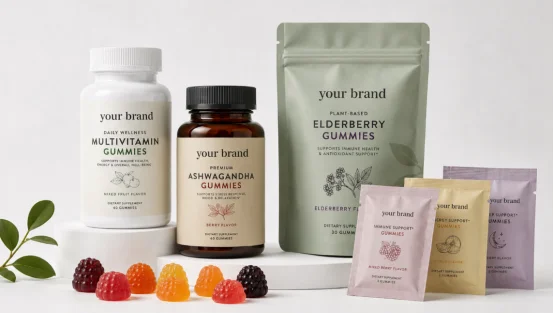
Bottles and jars are great for daily vitamins. Buyers know how to use them. Pouches take up less space in shipping. Sachets hold single servings, but they are harder to fill.
What Packaging Details Should You Confirm?
Talk about the bottle material and lid tightness. Ask about seals, tamper bands, and drying packets. Light-sensitive ingredients need dark bottles. Wet formulas need strong seals.
A practical packaging review should also include:
| Packaging Item | Perguntas a fazer |
| Container size | Does it leave excessive headspace? |
| Closure | Is it child-resistant or standard? |
| Moisture control | Is a desiccant required? |
| Tamper evidence | Which seal is applied before shipment? |
| Label area | Will supplement facts and warnings fit clearly? |
| Shipping case | How many units per carton, and what is the carton weight? |
Do not pick packaging last. Changing a bottle size changes filling speed and shipping costs.
How Can You Turn a Supplier Review Into a Purchase Decision?
Make one checklist. Give every factory the exact same questions. Score their quality papers and formula help. Rate their MOQ rules, packaging choices, and wait times.
Before you sign, ask for a sample timeline. You need to know when the formula is locked. What happens if a real batch looks different from the sample?
When you check a factory, see if they connect everything. They must link the formula, testing, filling, labeling, and shipping together. A factory that explains things simply is easier to work with.
Which Supplier Capabilities Matter Most for Your Checklist?
When your needs are clear, check Canguru Vermelho against these rules. Their papers show they make many kinds of gummies. They help with custom formula making. They offer flavor and color choices. They work with both gelatin and pectin types. They can pack in bottles, jars, and pouches.
The main point is moving from a sample to a real batch smoothly. They must keep the formula, texture, and package connected. Look at their gummy options first. Then, ask for a formula talk, a testing plan, and a packaging price.
Perguntas frequentes
Q1: What is the most important part of a gummy supplement manufacturer checklist?
A: Check their quality rules, testing papers, MOQ terms, wait times, and package fit before you look at the unit price.
Q2: What is a good MOQ for gummy supplements?
A: Normal first runs are about 5,000 to 10,000 bottles. Custom formulas and special packages usually need more.
Q3: Which tests should gummy manufacturers provide?
A: Ask for tests on bugs, heavy metals, and active assay. Also ask for moisture, water activity, weight variation, and stability tests.
Q4: Are gelatin and pectin gummies interchangeable?
A: No. They chew and set differently. Pick the one that fits your buyers.
Q5: What is the best packaging for gummy vitamins?
A: Bottles work well for daily use. Pouches or sachets suit trial or single-serving packs.