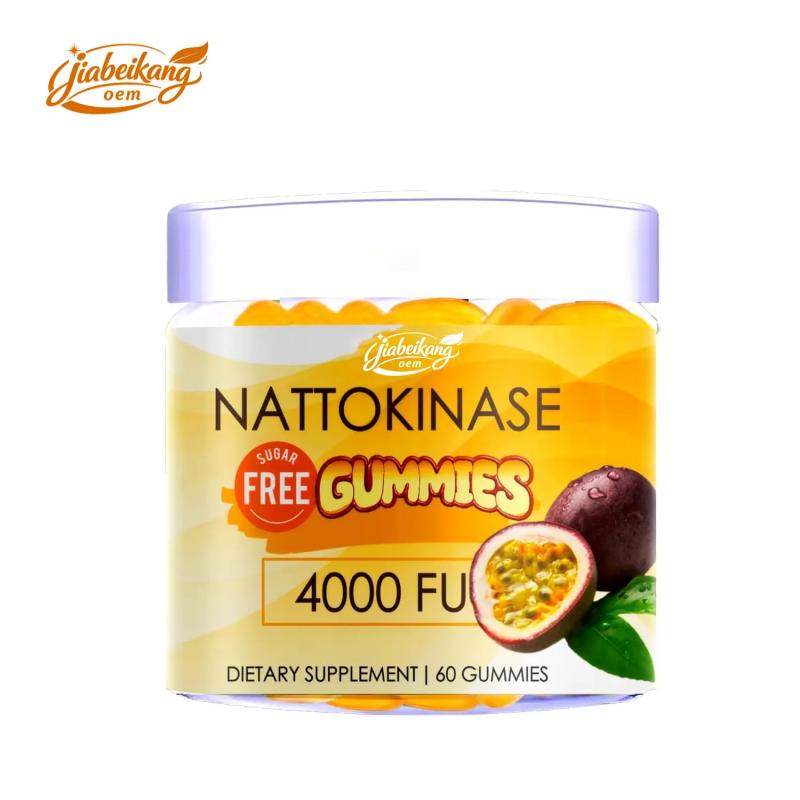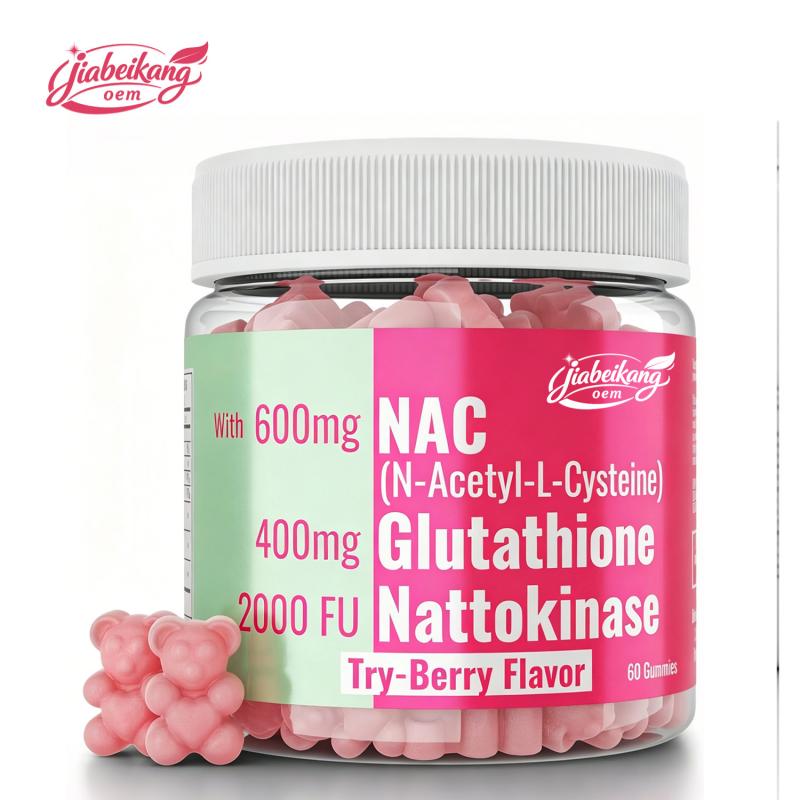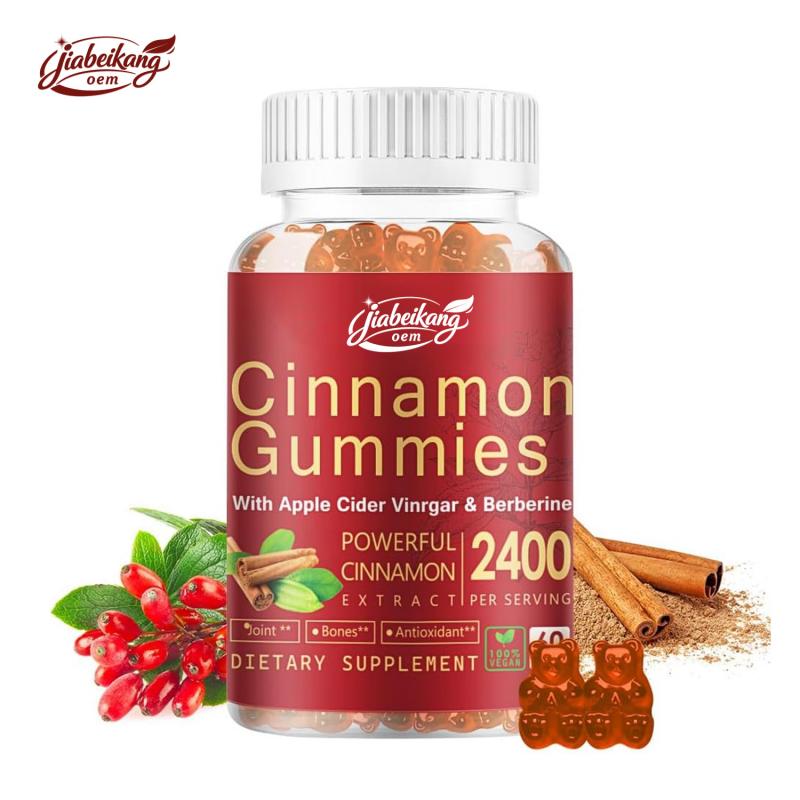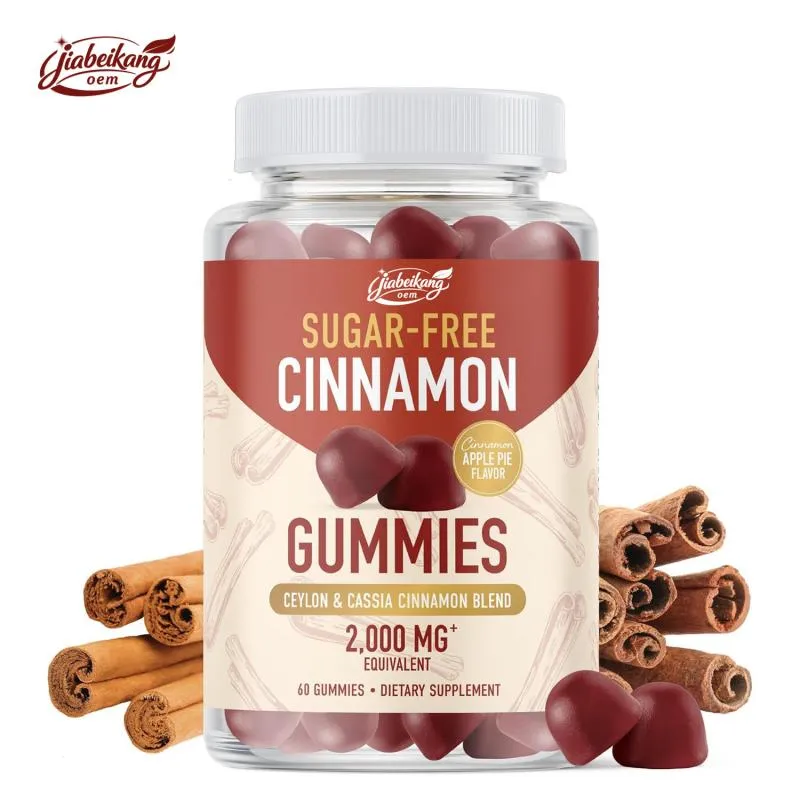




A gummy project often begins with a sentence that sounds clear to the person writing it: “We want a premium women’s wellness gummy,” or “Please quote a sugar-free creatine gummy for Amazon.” The factory understands the direction, but not yet the product. Premium can mean a higher active dose, a cleaner ingredient list, better flavor, a distinctive bottle, or all four. Each interpretation changes the sample, cost, testing plan, and timeline.
A useful gummy product brief removes that guesswork. It does not need to be a technical dossier. It needs to tell the manufacturer what the product must do commercially, which details are fixed, and where the development team has room to propose a better answer.
Start with the buyer, not the ingredient list
Brands naturally want to discuss actives first. The stronger starting point is the person who will buy the finished product. A gummy for a gym-focused TikTok audience is not developed in the same way as a daily multivitamin for families or a calm-evening product sold through pharmacies.
Write down the age group, sales country, channel, price position, and the situation in which the product will be used. “Adults” is too broad. “Busy adults aged 25–40 who want a portable alternative to powder and shop mainly through Amazon US” gives the formulator, packaging team, and label reviewer something practical to work with.
The destination market belongs in the first paragraph of the brief. Ingredient permissions, label wording, required warnings, and even the commercial meaning of terms such as “sugar-free” can vary. A formula should not be treated as globally transferable until the target market has been reviewed.
Separate fixed requirements from preferences
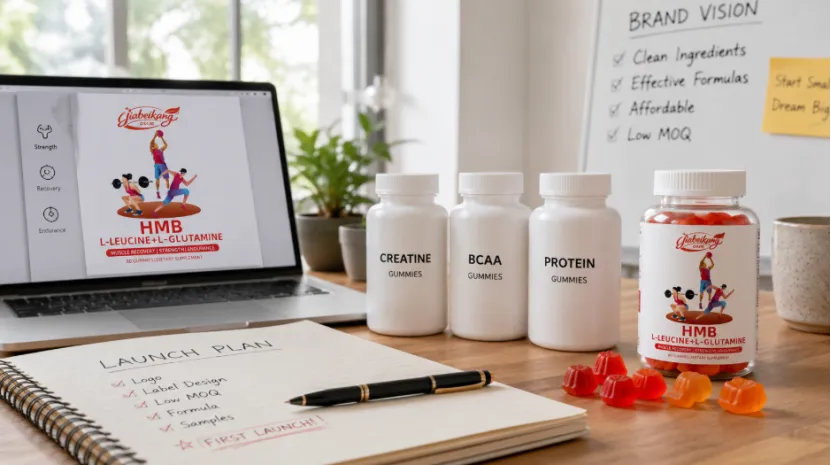
One of the easiest ways to speed up development is to label each request as fixed, preferred, or open to recommendation. If vegan positioning is essential, say it is fixed. If strawberry is only an early idea, mark it as a preference. If you do not know whether a bottle or pouch will protect the gummies better, leave the package open for technical advice.
This distinction matters when requirements compete. A high active load may make a small two-gummy serving difficult. A botanical extract may bring bitterness that does not fit a light peach flavor. A sugar-free system may change the bite and moisture behavior. When the factory knows your priorities, it can protect the parts that matter instead of quietly compromising the wrong detail.
Define the formula in measurable terms
If you already have a formula, provide the ingredient name, source or grade, amount per serving, serving size, and any acceptable overage or tolerance discussed with your technical team. Attach the specification or supplier document where available. Trade names alone are rarely enough because different grades may behave differently during cooking, drying, and storage.
If you only have a concept, be honest about that. Describe the product direction and ask the manufacturer to propose a workable formula. Red Kangaroo supports both routes through custom formula development and OEM/ODM manufacturing. The conversation is easier when everyone knows whether the factory is following a finished specification or helping create one.
Your brief should also answer several small questions that create large changes later:
- How many gummies make one serving?
- How many servings should be in one bottle or pouch?
- Is pectin, gelatin, or another base required?
- Are sugar-free, vegan, allergen, non-GMO, or natural-color positions requested?
- Which supporting ingredients are allowed, and which must be excluded?
Do not copy a competitor’s Supplement Facts panel and assume it can be reproduced exactly. Use it as a reference for positioning, then ask for a feasibility and compliance review. The gummy’s weight, water activity, acids, sweeteners, active materials, and desired texture all share limited physical space.
Describe the eating experience like a product owner
“Good taste” is not a specification. Try to describe the first bite, sweetness, acidity, aroma, firmness, coating, and aftertaste. If you have a reference product, send the unopened product or provide exact purchase details. Explain what you like and what you would change.
A simple sensory target might read: “Soft but not sticky, medium berry aroma, noticeable acidity, no cooling sensation, and minimal mineral finish one minute after chewing.” That is far more useful than “make it delicious.” During sampling, score the same attributes each time so revisions are based on a shared record rather than memory.
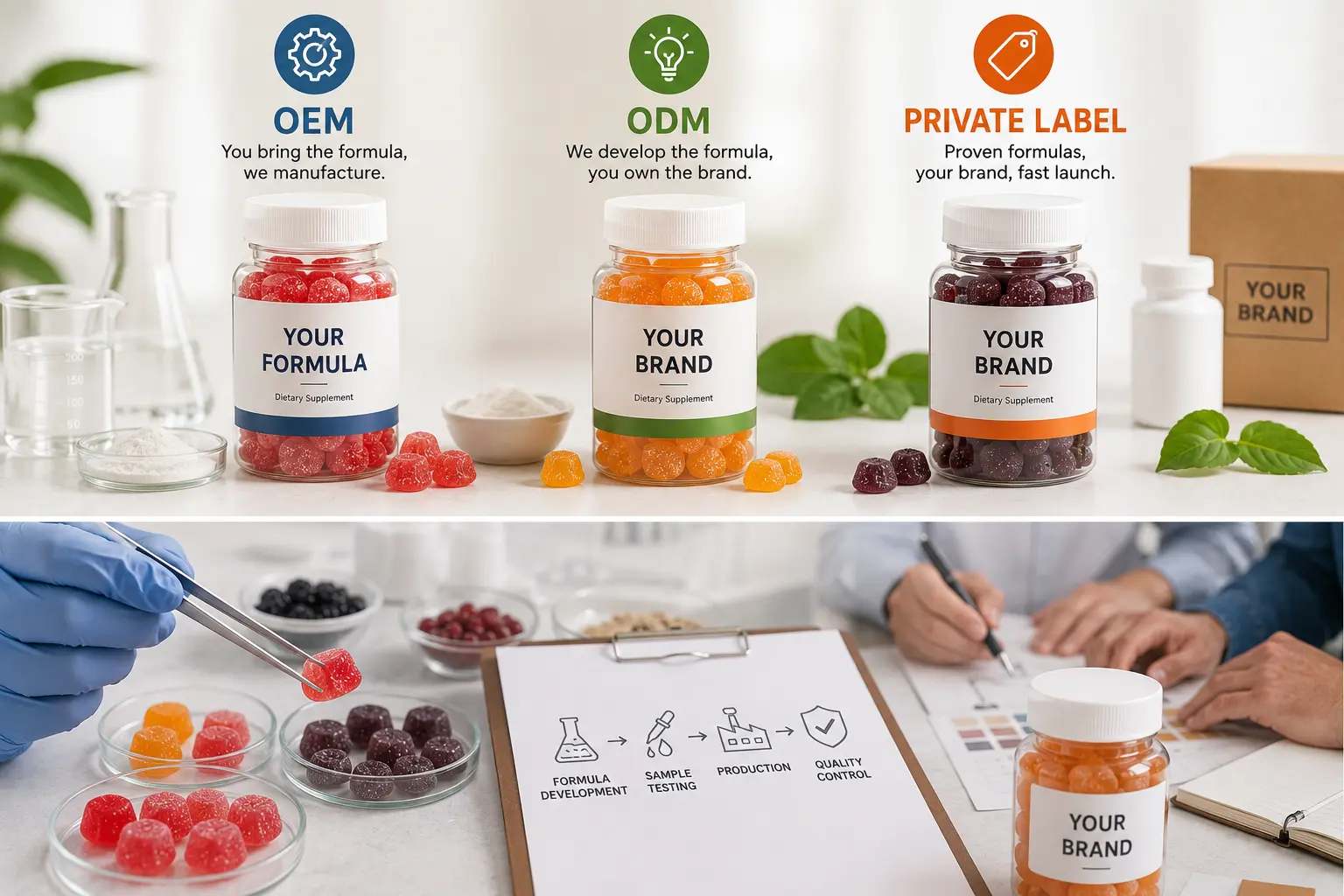
Bring packaging into the brief early
Packaging affects more than appearance. Bottle size, closure, induction seal, desiccant, pouch barrier, gummy count, and label dimensions can influence stability, freight cost, and the amount of usable space on the artwork. If the product will travel through hot or humid regions, say so before the package is chosen.
Include your preferred format, count, label size, secondary box, barcode needs, case pack, and whether the packaging must arrive retail-ready. If you sell through Amazon, add fulfillment and listing-image requirements. If TikTok or a DTC site is the lead channel, describe how the package should look in a hand-held video. A label that works on a quotation sheet may become unreadable on a phone screen.
State the evidence and testing you expect
The brief should list what will be checked before sample approval and before shipment. Depending on the formula and market, discussion may include identity, active content, microbiological limits, heavy metals, physical properties, package integrity, and stability. Confirm which results appear on the batch Certificate of Analysis and which require a third-party laboratory.
Claims should be tied to the actual formula and destination rules. Avoid placing treatment language, guaranteed outcomes, or unsupported superlatives in the brief. Ask for label review before printing, but keep final legal responsibility clearly assigned within your project team.
For a deeper review of production evidence, see the site’s gummy testing and stability guide.
Give the commercial team real numbers
A request for the “best price” does not define a quote. State the expected first order, target reorder volume, desired launch date, delivery country, and preferred shipping method if known. Ask the supplier to separate development, testing, mold, packaging, product, and freight costs rather than folding every assumption into one unit price.
Also explain whether the launch date is firm or aspirational. Red Kangaroo lists sample development in roughly 5–7 business days for suitable projects, while commercial lead times depend on formula approval, material availability, packaging, testing, and production scheduling. A good brief gives the factory enough information to build a realistic sequence instead of promising a date before the dependencies are known.
Use a one-page decision summary
The full brief can contain attachments, but its first page should be easy to scan. Include the product name, target market, buyer, channel, formula direction, serving format, dietary position, flavor, package, order quantity, target date, and approval owner. Finish with three lists: fixed requirements, open decisions, and files attached.
That final section prevents an old label draft or reference formula from becoming the accidental source of truth. Give every revision a date or version number. When a sample changes, update the brief and record what was approved.
What a manufacturer should do with your brief
A capable manufacturer should not simply say yes to every line. It should flag conflicts, ask for missing facts, propose alternatives, and explain how the formula will move from bench sample to commercial equipment. The response should cover feasibility, expected sample rounds, testing, packaging, MOQ, lead time, and the documents needed from both sides.
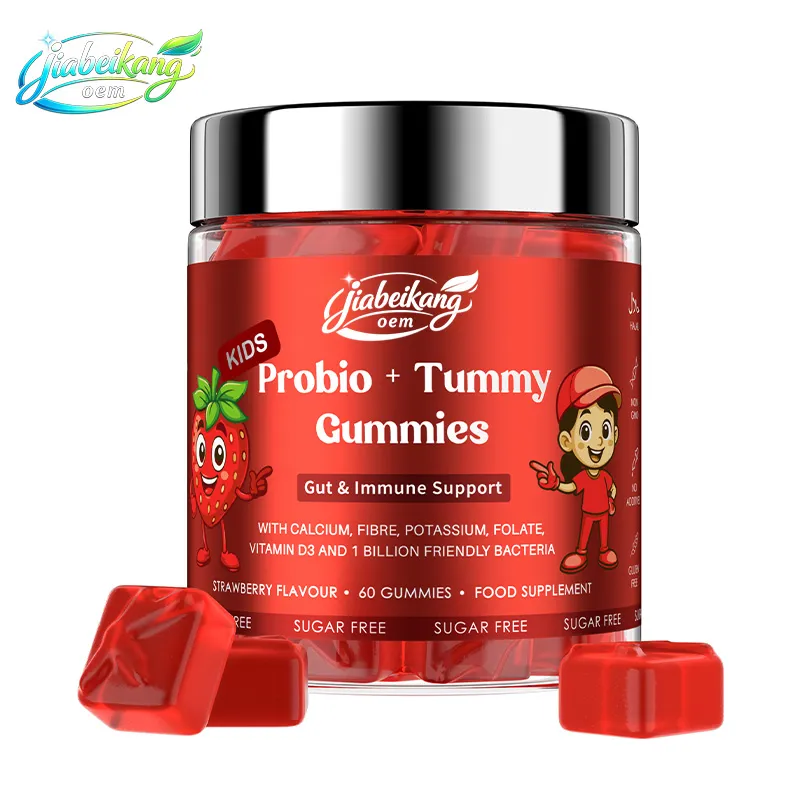
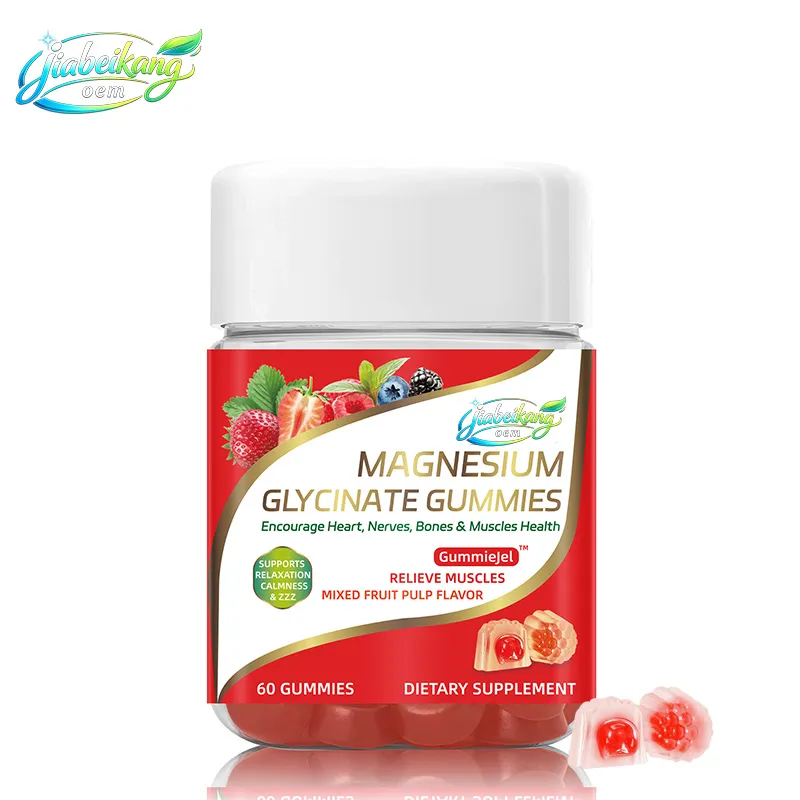
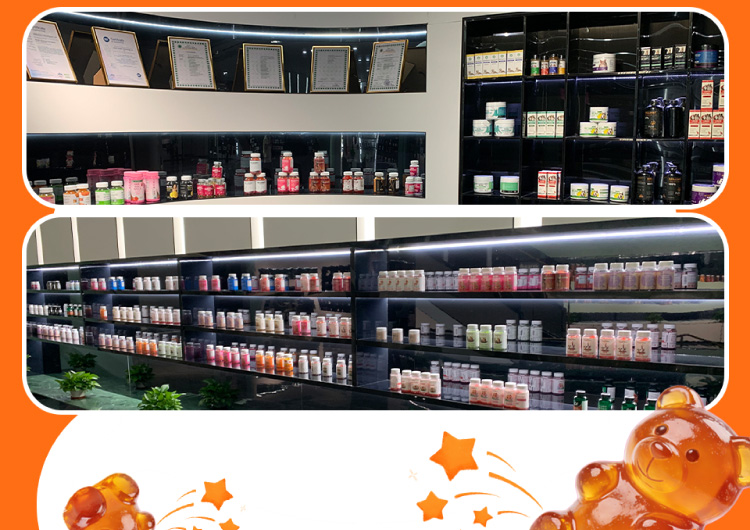
Red Kangaroo’s gummy product range shows the breadth of formats available across sports nutrition, digestive wellness, night-time, multivitamin, immune, and beauty categories. Use those products for direction, then make the brief specific to your audience and market.
FAQ
How long should a gummy product brief be?
Usually two to five focused pages plus attachments are enough. Clarity matters more than length.
Can I send a brief without a finished formula?
Yes. State that you need ODM or formulation support, and provide the target user, market, serving concept, claims direction, exclusions, and budget range.
Should I include competitor products?
Yes, as references. Explain which features you want to match or avoid, but do not treat another label as proof that the same formula is feasible or compliant for your project.
What causes the most delays after briefing?
Unclear formula ownership, changing dosage, late packaging decisions, missing market information, and artwork started before the label content is approved.
What should happen before commercial production?
Approve the formula, sensory sample, written specification, testing plan, packaging, label, timeline, and change-control process.