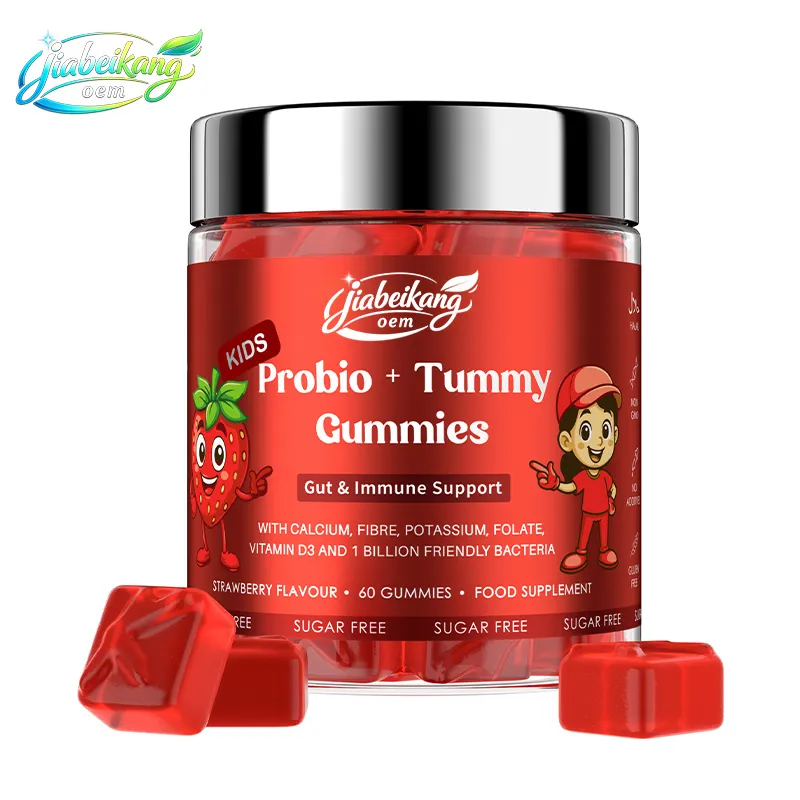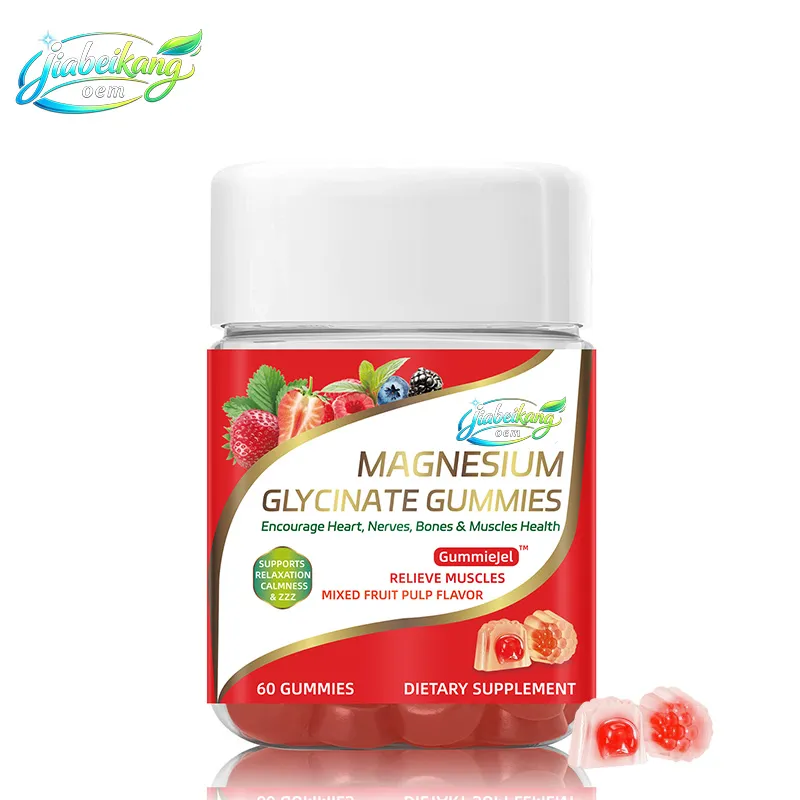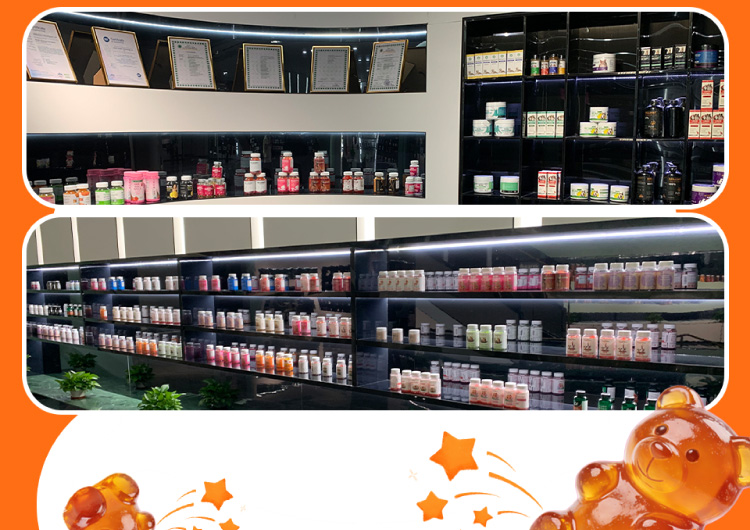




A typical gummy project opens with a statement that makes total sense to the person who writes it: “We want a premium women’s wellness gummy” or “Please quote a sugar free creatine gummy for Amazon.” The factory receives the request. They don’t fully understand the product yet, though. Premium could be more of the active ingredient. It could be a cleaner label, a better tasting version or a unique bottle. Sometimes the combination of all four. Each translation moves the sample, testing plan, costing and schedule to the point of being entirely different products. A high quality gummy product brief removes all of that ambiguity. You don’t need a technical brief. What you need to communicate to the factory is what you need the product to do for business, what ingredients stay in, and where your team can suggest design elements.
Start with the buyer, not the ingredient list
Begin with the buyer, not with the ingredient list.
Brands get deep into actives sooner. But the surest starting point is the person who will actually buy the finished product. It’s one thing to make a gummy for gym Tik Tok consumer in the US, quite another to make a daily multivitamin for a family population – and those are not made in the same way as a calm-evening product to be sold at the pharmacy counter. Write out age, sales country, channel, price position, situations in which the product will be used. “Adults” will not do. “Busy adults 25-40, looking for a substitute for powder that is portable and shop mainly Amazon US” gives formulator, packager and label reviewer something to chew on.
Separate fixed requirements from preferences
Permissions change. Wording for the label changes. Warnings that are a necessity change. Even what “sugar-free” means in a commercial sense depends on where you are aiming. Don’t assume that because a formula is working in one market that it will be suitable for all.
Separate fixed requirements from preferences.
Define the formula in measurable terms
A quick trick to speed development. To order faster, label each request as fixed, preferred, open to recommendation. Is vegan positioning essential? Call it fixed. Is that strawberry simply a trial flavor? Label it a preference. Not sure whether a bottle or pouch offers better protection for gummies? Leave the package open and ask the technical team. Here’s where it makes all the difference. A high active load might make a 2-gummy super-bite impossible. A botanical extract might introduce a bitter note that simply doesn’t go with the light peach flavor. Sugarfree systems alter the way bites and moisture behave completely. When the factory sees what you need, they protect instead of stealthily compromise the wrong thing.
Define the formula in measurable terms.
Describe the eating experience like a product owner
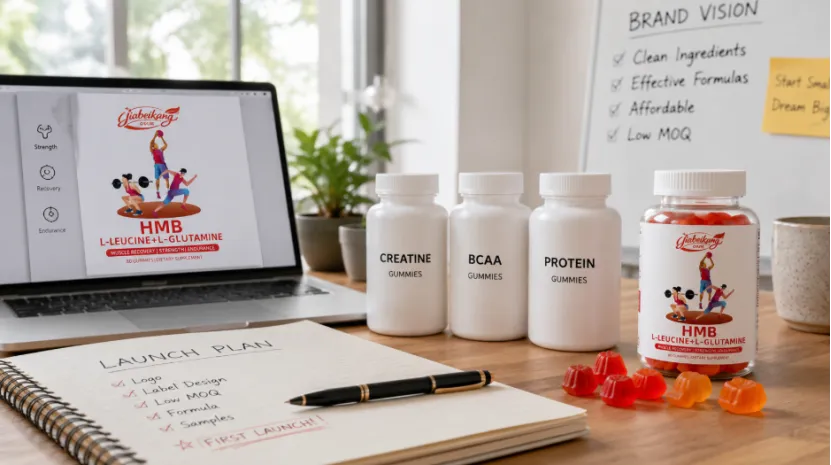
You have a formula already? Include the ingredient name, source or grade, per serving, serving size and any acceptable overage/tolerance your technical team has discussed. Please include the specification or supplier doc as an attachment where you can. Trade names generally don’t work because each grade performs differently when cooked, dried or stored. Just have a concept? Be upfront. Brief the product direction and ask the manufacturer to help come up with a practical formula. Red Kangaroo can do both by offering a wide range of custom formula development and OEM/ODM manufacturing. It’s a better conversation when everyone understands if the factory is working on a finished specification or assisting in its creation.
Your buyer’s guide should be answering a few silly little questions that make very big shifts down the line. How many gummies equals a serving? How many servings should fit into a bottle or pouch? Do we need pectin, gelatin or something else? Do we need any of the following – sugar-free, vegan, all-natural, non-GMO, allergen-free, natural-colors? Which ingredients will be allowed as positioning calls for, which have to be kept out? Do not just copy and paste another competitor’s Supplement Facts and then expect it to get transferred exact as-is. Use it as positioning reference, then request a feasibility and compliance check. Every dosage form’s weight, water activity, acids, sweeteners, active materials and texture — occupies physical space.
Bring packaging into the brief early
Tell us about eating as if you are a product owner.
‘Good taste’ is not a specification. Detail the first bite, sweetness, acidity, aroma, texture, coat, and finish. Is there a comparative item? If so, ship the un-opened product or give complete purchase information. State what you like and what you would alter. A basic sensory target might be: “Soft but not sticky, medium berry aroma, prominent acidity, no cooling sensation, and little mineral finish one minute after chewing.” That’s far better than “make it tasty.” At sample time, score those same characteristics each time to ensure changes are based on the record, not memory.
State the evidence and testing you expect
Bring packaging into the brief early.
Packaging isn’t just about looks. Bottle size, closure, induction seal, desiccant, pouch barrier, gummy count, label size, and more all determine stability, shipping costs, and available space on the art. If the product’s traveling in hot, humid environments, say so before the package is selected. Hand me your example format, count, label size, secondary box, barcode format, case pack, retail-ready packaging, support for Amazon fulfillment and listing images, a Tik Tok or DTC lead channel, and explain how the package should look in a hand-held video. If the label works on a quotation sheet but gets lost on a phone screen, I’ll never see it!
Give the commercial team real numbers
State the evidence and testing you expect.
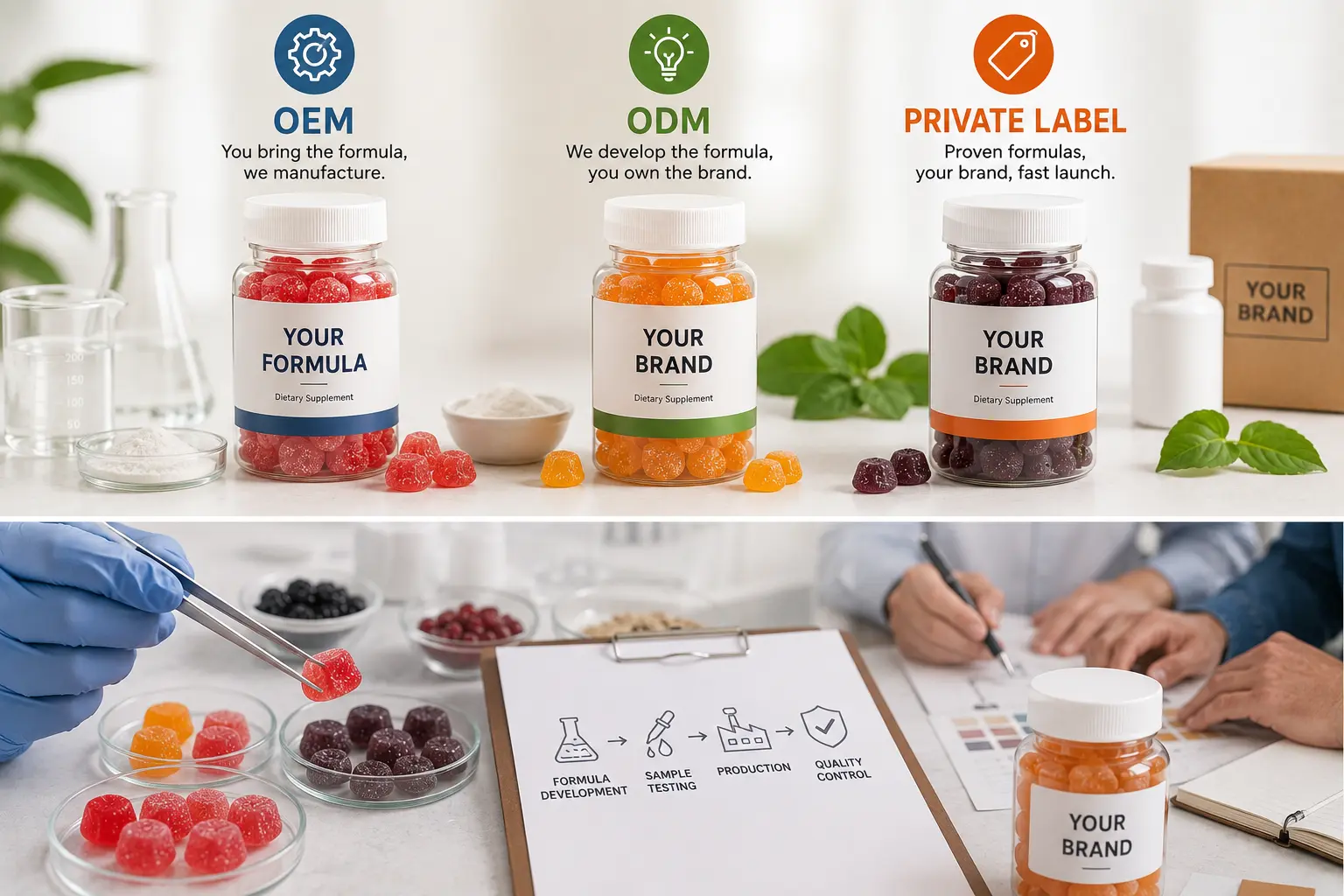
Your brief should provide a checklist of what to verify pre-sample release, pre-shipment. Formula and market ultimately prescribe whether the conversation explores identity, active ingredients, microbiological limits, heavy metals, physical properties, package integrity, and stability. Verify what to report on the batch Certificate of Analysis and what to send to an independent lab. Link the claims to the actual formula and to the destination guidelines. Never include treatment language, guaranteed results, and under-supported superlatives in the brief. Request review of the label before printing, but clearly leave your final legal responsibility within the project team. For more on production-evidence assessments, review the site’s gummy testing and stability reference guide.
Use a one-page decision summary
Give the commercial team real numbers.
Your “best price” request is not a quote. State your first order expected, reorder quantity target, estimated launch date, destination country and if you have a preferred shipping method. Ask the supplier to itemize mold, development, testing, packaging, product and freight costs instead of all assumptions in a single unit price. Also state if the launch date is fixed or “aspirational”. Red Kangaroo quotes sample development in about 5-7 working days and commercial lead time after formula, pack testing, and all raw materials are available, should be based on the factories build-in sequence. A good brief provides enough detail so the factory can accurately plan the build-in sequence before any dates are committed.
What a manufacturer should do with your brief
Use a one-page decision summary.
The complete brief may have attachments, however the first page must be skimmable. Item identify, target audience, buyer, channel, formula instruction, servicing format, diet position, flavor, package, order amount, target date, approval owner. End with three lists: fixed requirements, open decisions, and records attached. That last section prevents an old label draft or reference formula from being the accidental source of truth. Label a date or version number to each revision. When a sample changes, change the brief and note what has been authorized.
FAQ
What a manufacturer has to do with your brief.
A competent manufacturer does not just answer each line with yes. They identify conflicts, seek out the missing facts, suggest options, and describe how the formula would progress from a bench sample to production equipment. The reply would include feasibility, number of sample rounds, testing, packaging, MOQ, lead time, documents required from each, etc.