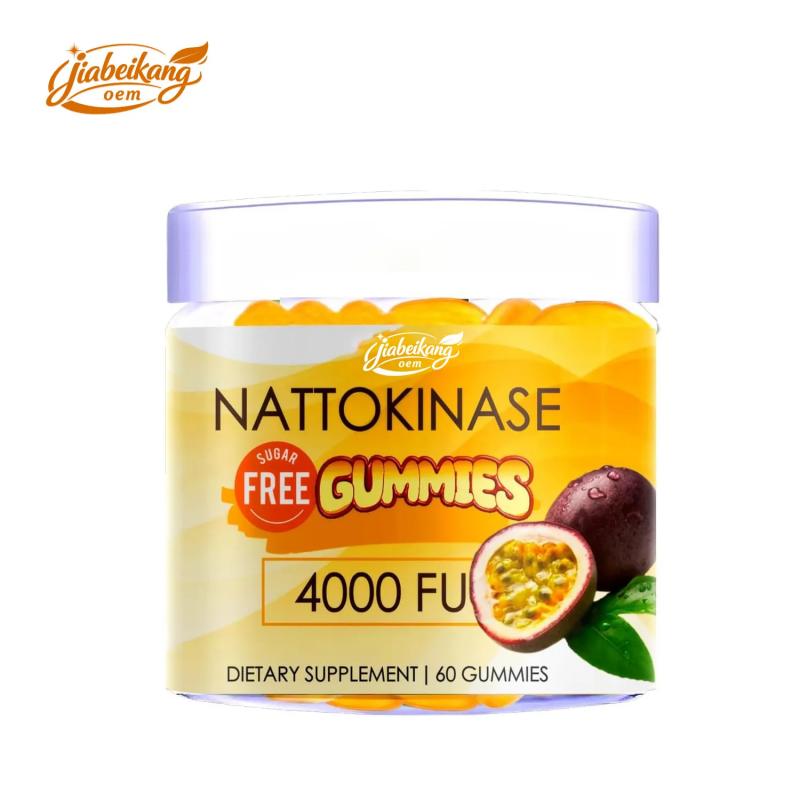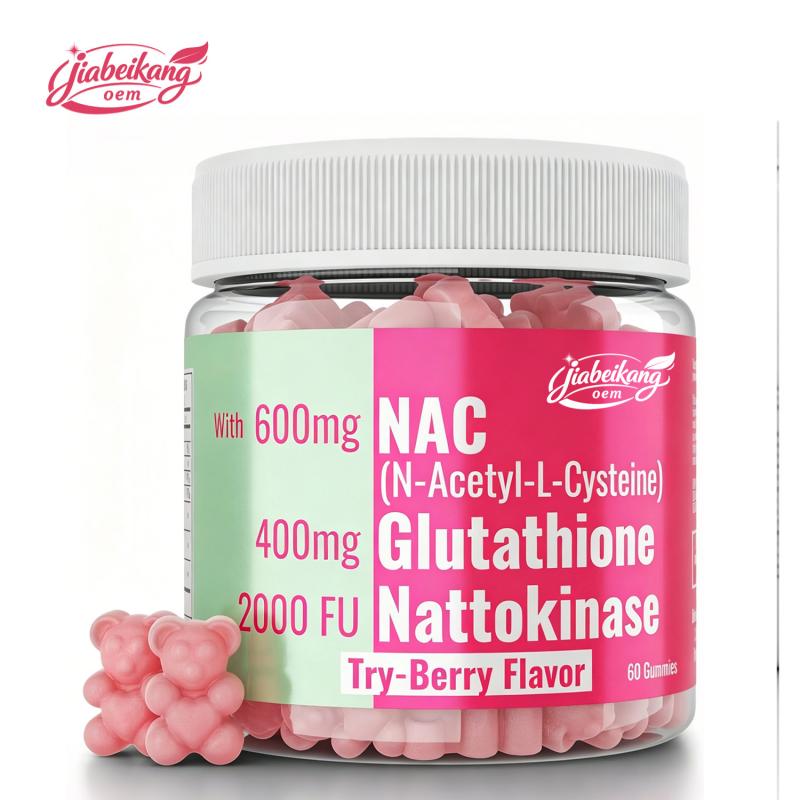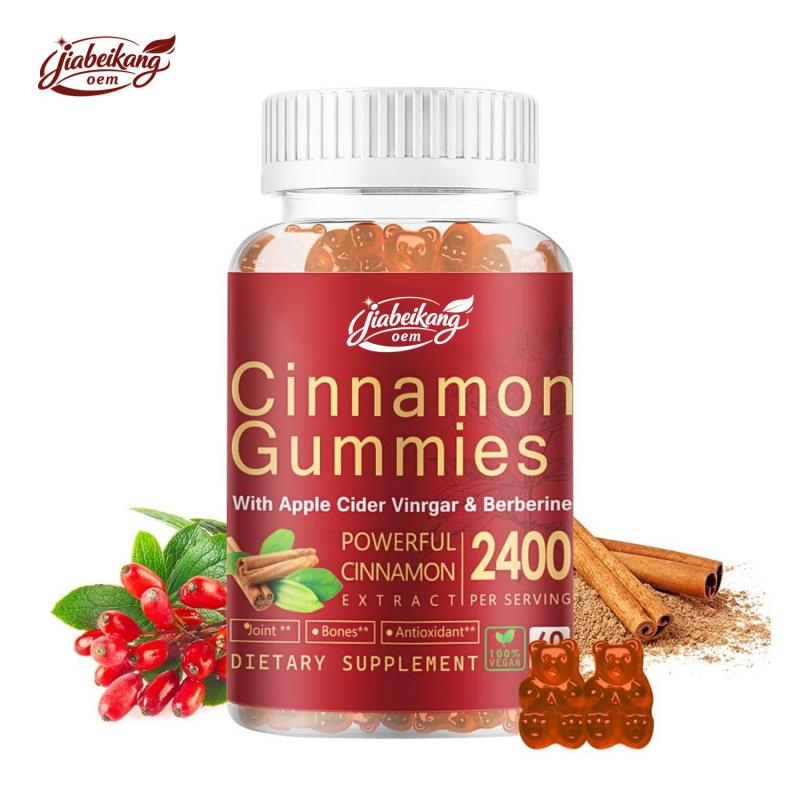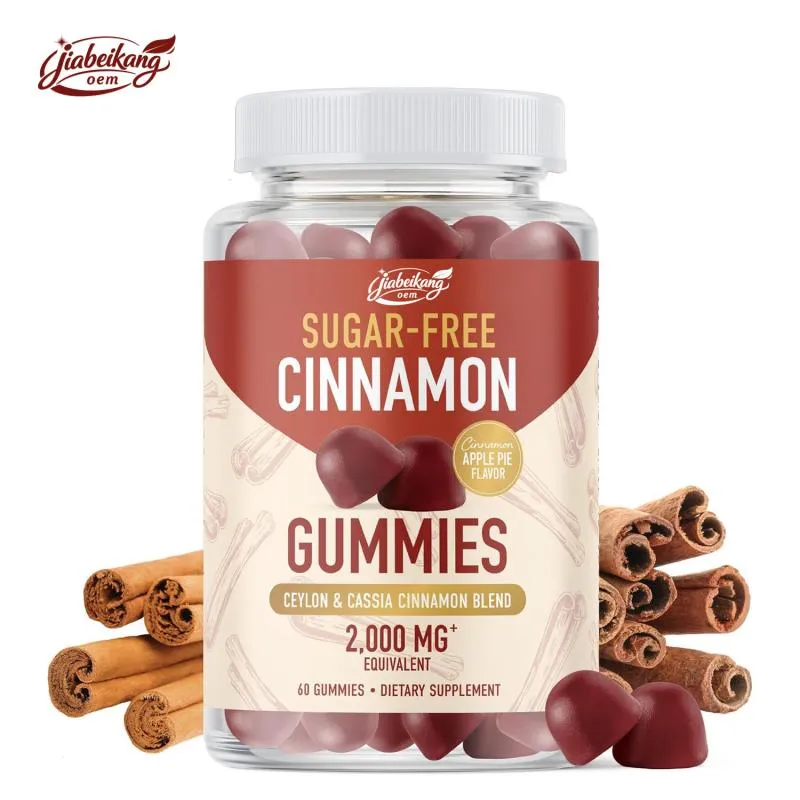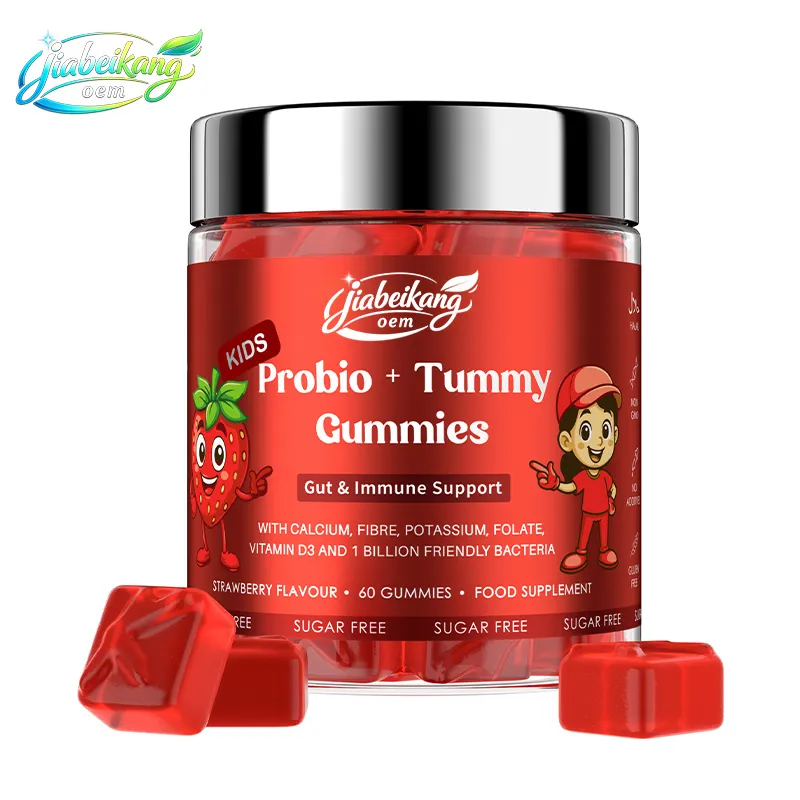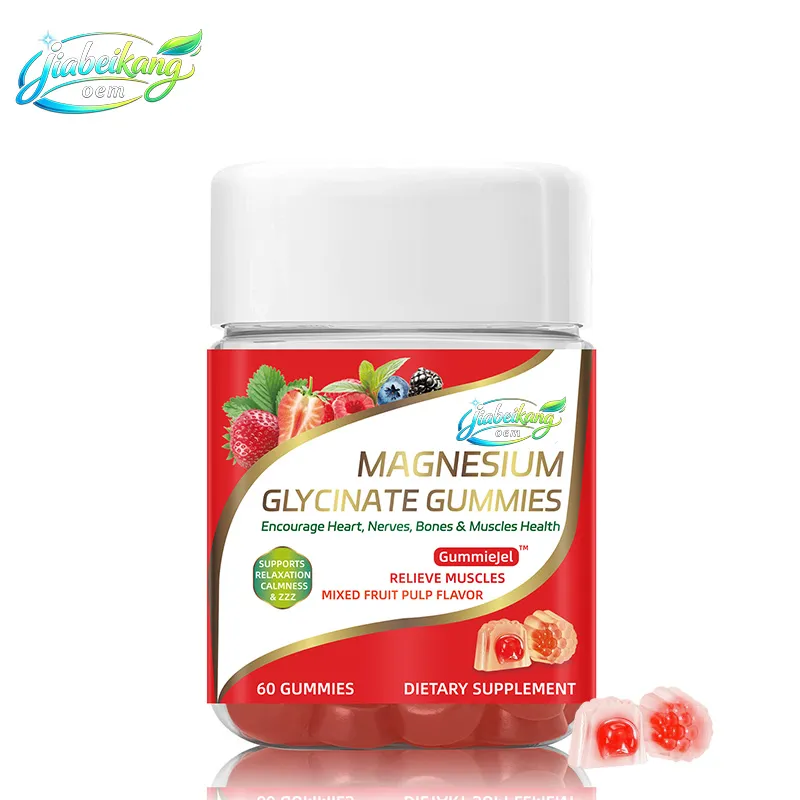




Packaging often gets the short shrift in a private-label gummy program. The formula and flavor come first, then the package. But that’s precisely backwards. Because the package will be where the gummies spend months of their lives. It needs to contain the right number, close reliably, safeguard the format, carry legal text and land in pretty good shape. A good-looking bottle or pouch can be a complete nightmare if it’s too small, hard to close or incompatible with the product. The best time to prevent those headaches is well before the brand makes a substantial purchase of the printed stuff. Think of label compatibility as more than a lab number. It’s a practical check-list tying the gummy, bottle, closure, label, production line and shipping method together.
Start with the product that will actually be packed
Start with the product as it will be packed. Don’t pull in some universally applicable piece from another project to fill the container. Each piece shape, size, weight, coating and surface condition affects how many fit into the package. You could get fifty small gummy bears into a container that wouldn’t even hold fifty larger, custom-shaped pieces. There is something about gummies: they don’t sink neatly as a liquid does. They over, under, or make “pockets” of air. So, the same declared weight will need a different container volume as the piece shape varies. Use the approved count and count variation, and a plausible weight range to perform a fill trial. You don’t want to fit the product as tightly as possible. The package needs enough head space for filling, closure and movement without looking wimpy on shelf. If the brand is still unable to settle on counts, test each option. A container can technically handle two counts but look very different to the customer.

Decisions about bottle and pouch formats are about so much more than shelf appeal. Bottles provide rigid stability, well known closure options and relatively simple display requirements. Pouches use less rigid materials and can be more economical to ship – in most cases, loading a loose bag on a pallet costs far less than loading bottles, but takes up more room. The 4-inch zipper on a pouch may also cost more to operate on a filler and capping system than a 2-inch zipper. And neither format is automatically superior to the other. The decision will depend on the product, the market, the order size, the retail channel and the intended use. Bottles and caps: Consider neck finish, cap fit, liner choices, induction-seal compatibility and torque range. Pouches: Know your film layers, seal width, zipper performance, tear notch, and the space required for coding. Use the clear windows carefully, and ask whether the package will be subject to more or less light exposure over time and how it will perform. Check which formats the line will run. An component that works with gummies may be incompatible with a particular filler, capper or labeler.
Bottle and pouch decisions involve more than shelf appearance
Moisture protection must be approached as a system. Gummies may do this by exchanging moisture with the ambient. The rate depends on the formulation, film barrier, quality of the seal, climate and frequency of opening and closing of the container. Some brands put a focus on including a desiccant without initially considering the entirety of the package. However, a desiccant can be a piece of the puzzle. It does not rectify a poorly sealed container or a film that provides inadequate protection. Its type and quantity must also be consistent with the container and product. Compatibility testing can consist of observations of the package contents under defined conditions, seal testing and direct comparison of candidate materials. Accelerated testing can provide insight, but should be viewed in context to the real-time work as opposed to the gold-standard predictor of all temperatures and conditions found in the market. Do not require the shelf-life on packing day-it cannot be provided based solely on appearance. Support the shelf-life through the product, package, storage conditions and an appropriate study plan.
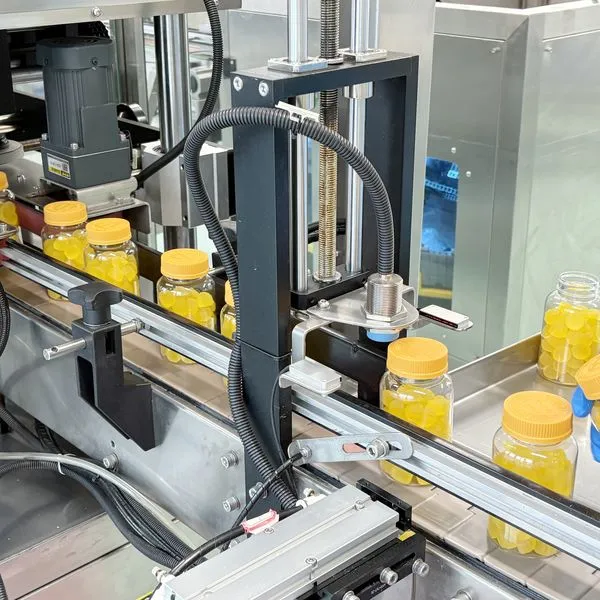
The closures and liners need to go through a production trial. A cap that turns smoothly by hand, for example, may not seat consistently at line speed. Thread engagement, the size of the container and the torque of the closing machine will affect whether the container is properly sealed. Too much torque can cause damage to parts of the container, or make it hard to open. For induction liners, bottle materials and cap materials need to work together as well as machine settings. Make sure the seal is sound both after application and after the container has cooled. If the foil is bonded in the air, it may seem to be fully attached, yet have partial bonding around the rim. Consider how a tamper-evident feature will be used. The mechanism used should be suitable for the end package design and the market it is sent to. Don’t block out printing or coding with decorative closures or neck bands. For pouches, temperature, dwell time and pressure are affected by the design of the package, the contamination in the seal area and the nature of the film and printed surface. Just a few lumps of sugar or oil in the seal area can affect seal integrity, so take measures to keep the filling environment clean.
Moisture protection must be considered as a system
Be consistent. Label materials need to fit the package and conditions. Lots of critical review go into label artwork, but do not overlook the label stock and adhesive. Understand which plastics and flexible packaging can distort in which conditions. A paper label that looks great in an air conditioned office will often wrinkle up in a damp warehouse. Clear film labels can reveal bubbles and surface imperfections. Tiny type on your label can be a pain to read on the line even if it’s crisp on the computer. Request a copy of the printed proof at the actual size and, when practical, test it on the real package. Does it all still seem easy to read? Does it wrap properly around the package with no lift and little extra overlap? Does the barcode actually scan on the curved surface? Can the variable data be printed in a prominent, scannable area? Is the label consistent from container to container on the line? Can the finishes and coatings withstand normal handling? Finally, do not mistake the approved file (PDF file a few months earlier) for the file that’s shipped to the printer.
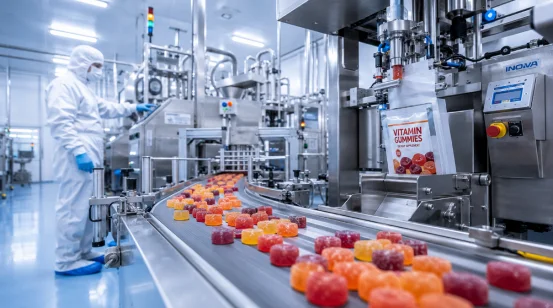
Lot identification and date coding is production information, not final decoration. Identify a stable area near the coding station that is accessible, has good contrast for the coder’s eyes and will not be rubbed off through handling. Designers often try to use every panel of a package to make graphics, leaving no empty space for variable data. On a dark or very busy background, a code may not be legible. Double check ink color, contrast, orientation and space for code review. Know whether it is a date format or a number sequence, and also confirm content spelling and terminology for the destination country with the appropriate regulatory team.
Closures and liners need a production trial
Secondary packages make a difference Bottles and pouches are not shipped alone. Divider panels, cartons, shrinkfilm and case configurations all affect scuffing, crushing and shifting. While a package may look fine on a store shelf, it could be vulnerable to vibration or heavy stacking forces. Establish units per case, case sizes and pallet pattern before freight is scheduled. An export route with multiple handling points could benefit from extra protection that a short domestic route might not require. Exposure to varied or warm-temperature environments from parked vehicles or containers should be examined. Shipping tests or simulated shipping studies can identify potential weaknesses. The goal isn’t to duplicate every accident, just to test a reasonable shipping scenario and ship better before the first big delivery.
Description for purchase like “white bottle” or “silver pouch” are not suitable for re-order. Packaging specifications can store measurements, material, colour, volume, neck finish, closure, liner, barrier construction, print reference and approved supplier. This is important because parts that look the same can function differently.