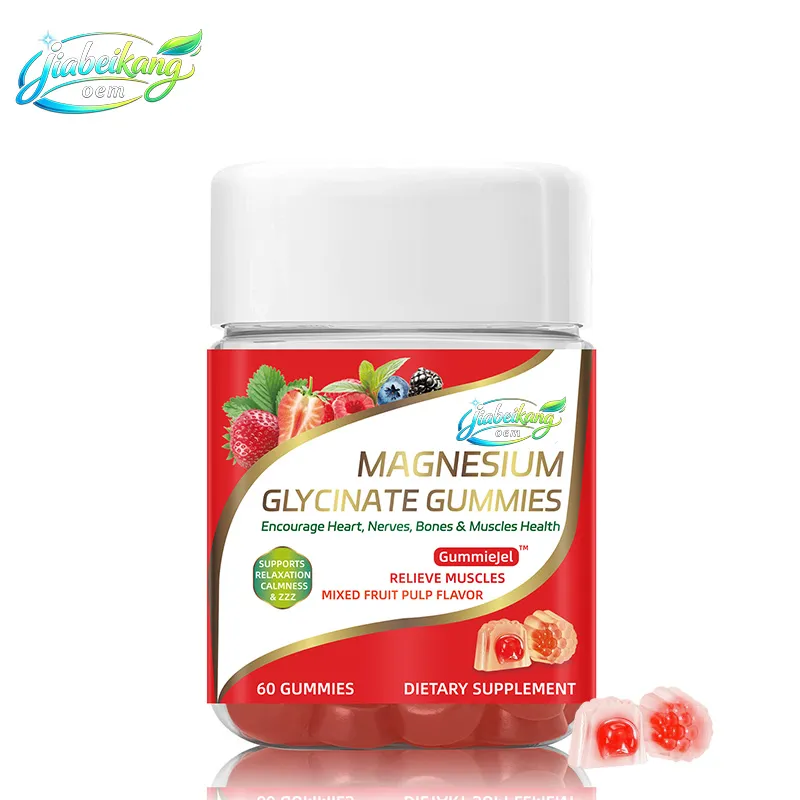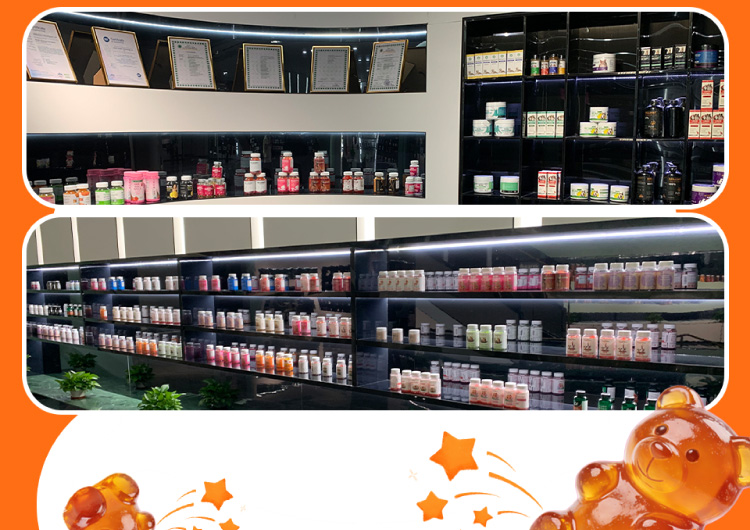




While approving a gummy sample might seem like the moment the product gets real, it is just the start of scale-up. The product will not have been made on the full scale of production, with longer transfer lines, bigger batch sizes and larger equipment. If there are other equipment upgrades, they are unlikely to be the same as those on the production line – a development batch might be made with smaller equipment, shorter transfer distances and more hands-on intervention. Even if the tools are the same size, the production process might be different, and ensure the process can be replicated on the larger production scale. For brand owners, importers and distributors understanding the scale-up process helps with quoting, timing and approval.
Gummy sample and laboratory scale-up review
Freeze the approved target before discussing scale
First we need a stable, useable definition. Is a bag of sample gummies with the phrase “this one is good” sufficient? An approval record should specify which sample code, revision and date are approved. It could also specify the target flavor, target color, target shape, piece weight, coating, serving size and target number per container. Photos can be useful for appearance, but they should back up, rather than replace, written specifications. Some properties require an appropriate range rather than a single ideal number. A gummy is not a machined metal part. Piece weight, moisture and color will vary within controlled limits. The critical question is whether the range remains acceptable for declared serving, sensory, shelf life and packaging operation. If the brand then alters the active load, sweetener system, shape or serving after approval, the manufacturer may have to repeat part of the development process. For this reason, label artwork should be delayed until the commercial formula and serving plan are finalized.
Raw-material behavior becomes more visible
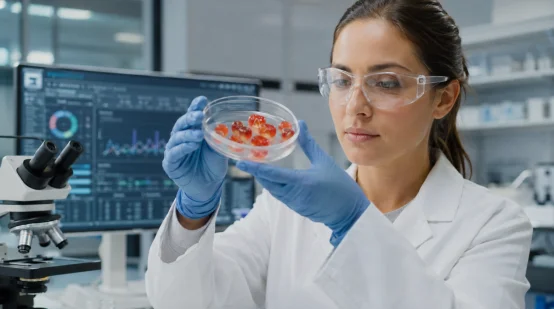
At small scale, it might seem as though a powder disperses effortlessly because you’re adding it slow and agitating by hand. In a much larger vessel that same weight of material might float, form a lump, sink or make the entire mass thicker. Particle size, density, solubility and hygroscopicity can all impact how an ingredient will behave. Botanical extracts and minerals can carry powerful color, bitterness or acidity. An ingredient that is present in only a small amount will still have a dramatic perceptual impact. On the other hand, a high-load formula might give an entirely different structure to the gummy because much of each piece won’t be the base system any longer. With this in mind, a manufacturer should rely on the raw-material specifications, not just the ingredient name. Two products on the market, even from the same company, may carry different carriers, concentrations, assays, particle sizes and handling behaviors. Changes in suppliers should be evaluated before using them in the product.
Heating and holding time are not the same at every scale
The larger the batch, the longer it takes to heat, mix, transfer and deposit. The product may be held longer in warm equipment, and, in the absence of controls, there will be differences in temperature across the process. These differences matter, because gummy manufacture relies on this order of events: the base has to be ready, ingredients need to be added at the right points, the mass has to reach the depositor in the right target range, and if heat is applied too long or held too long, it can have an impact on flavor, color, and heat-sensitive ingredients’ efficacy. Too much cooling makes deposits more difficult to achieve. For a commercial process, this is managed with prescribed operating ranges and checkpoints. Operators need to know the critical readings, timings and action points if something is amiss, not “wing it” around the kettle.
Commercial gummy depositing and conditioning process
The cast that is deposited shows how shape shapes formula.
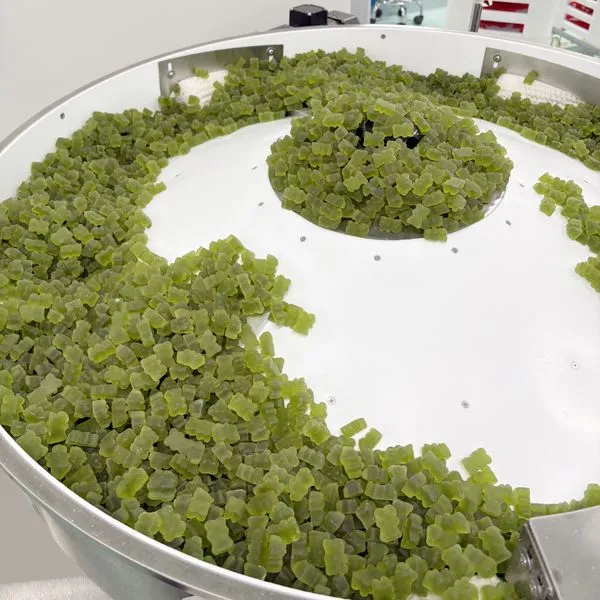
The shape is not just a cosmetic choice either. The volume of the cavity, its depth and surface detail all help determine how well it deposits and how easily the product demoulds. An elaborate shape might be eye-catching in a drawing but offer less leeway in a formula that contains particles or has a tight processing window. As the team scales up the shape, they will pay particular attention to deposit uniformity, piece weight and the smoothness of release from the gum. If the team is casting with starch moulds, they will need to factor in starch quality and impression quality as well. Red Kangaroo’s starch-mogul experience can help on particular shapes and sizes, but the formula and tool will need testing together. Brands would do well to hold back on ordering printed packs until the shape, piece weight and number of servings are fully proven on production equipment. Even a small change to the dimensions can alter the number of gummies that fit comfortably into a pouch or bottle.
Conditioning is part of production, not inertia
Freshly laid up gummies are not always ready to pack. There is a settling time for moisture and texture, with factors such as temperature, humidity, airflow, size of pieces and recipes all having an impact. It is important to put developing samples into the production environment as a tray or batch does not behave exactly the same way when there is a full production line in operation, as the trays will not fill with the same level of product, the room is more or less occupied and the airflow may be different. The commercial trial will help the manufacturer of the gummies determine when they are ready for finishing and packing. There is a risk of creating problems such as surface tack, gummed-up pieces or changing texture by rushing into the pack, and equally so, too much drying is not the answer! The aim should be the agreed range of finishing, not the driest possible gummy.
A Pilot or first production batch has to give answers to questions such as:
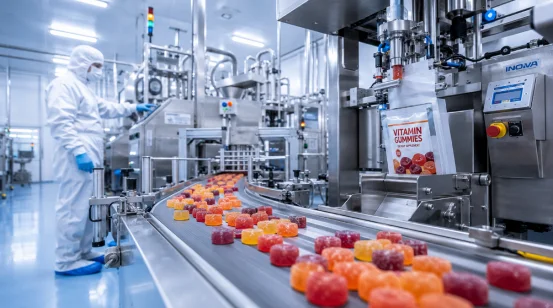
“Make a trial” is too open-ended unless there is agreement about what needs to be proved! Good scale-up questions may be: Can the mass be transferred and mixed without separation or undue foaming? Does the depositor’s piece weight stay within agreed limits? Does the shape release cleanly and preserve its details? How long does it take to condition? How does the texture compare to the finished, packed and approved target? Does the formula run satisfactorily on the count, fill and seal? Are lab samples sufficient in number and representative of the total? Write them down. The benefit of a trial is that it transforms assumptions into reality: process knowledge that can be applied to subsequent production runs.
Testing for the commercial batch, and the purpose of the test.
Testing plans differ by formula, destination and customer specifications. Testing may be limited to microbiological quality or identified contaminants, active components, or other elements. Pre-production sampling points and quantities should be established ahead of time. A result for a development sample should not be assumed to be the lot-release result; the commercial lot needs its own identity and record track. Any API adjuvants for which gum matrix technology challenges was encountered are better identified before the compliance timeline. US Current good manufacturing practice for dietary supplements states there must be master manufacturing record and batch production records for the pertinent procedures. Companies in other markets should identify the regulations that pertain to their product type and destination. This article does not provide legal advice, it is provided as operational guidance.
Packaging trials belong in the scale-up plan
The first commercial run is the time to verify capacity of bottles or pouches, number count, application of closures, liner seal, placement of code and labels. Packaging ingredients that appear to be correct on paper can act differently on a running line.