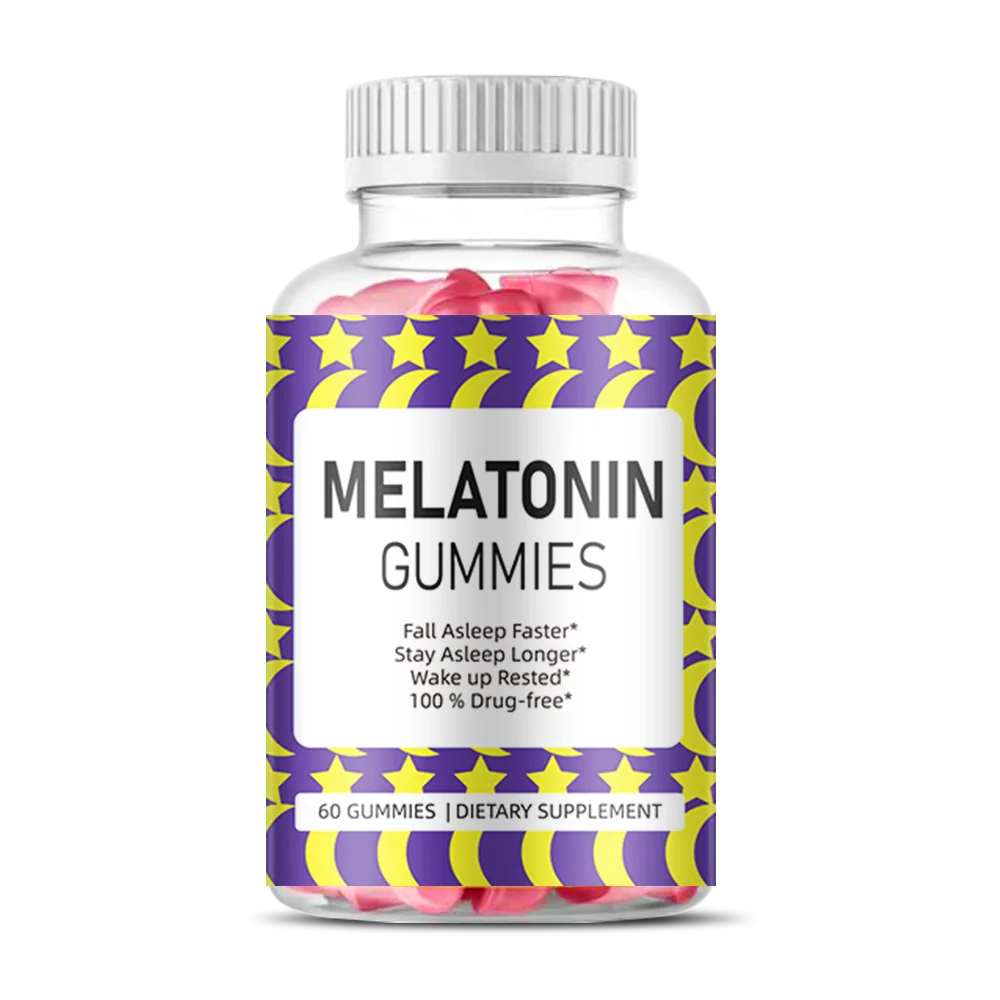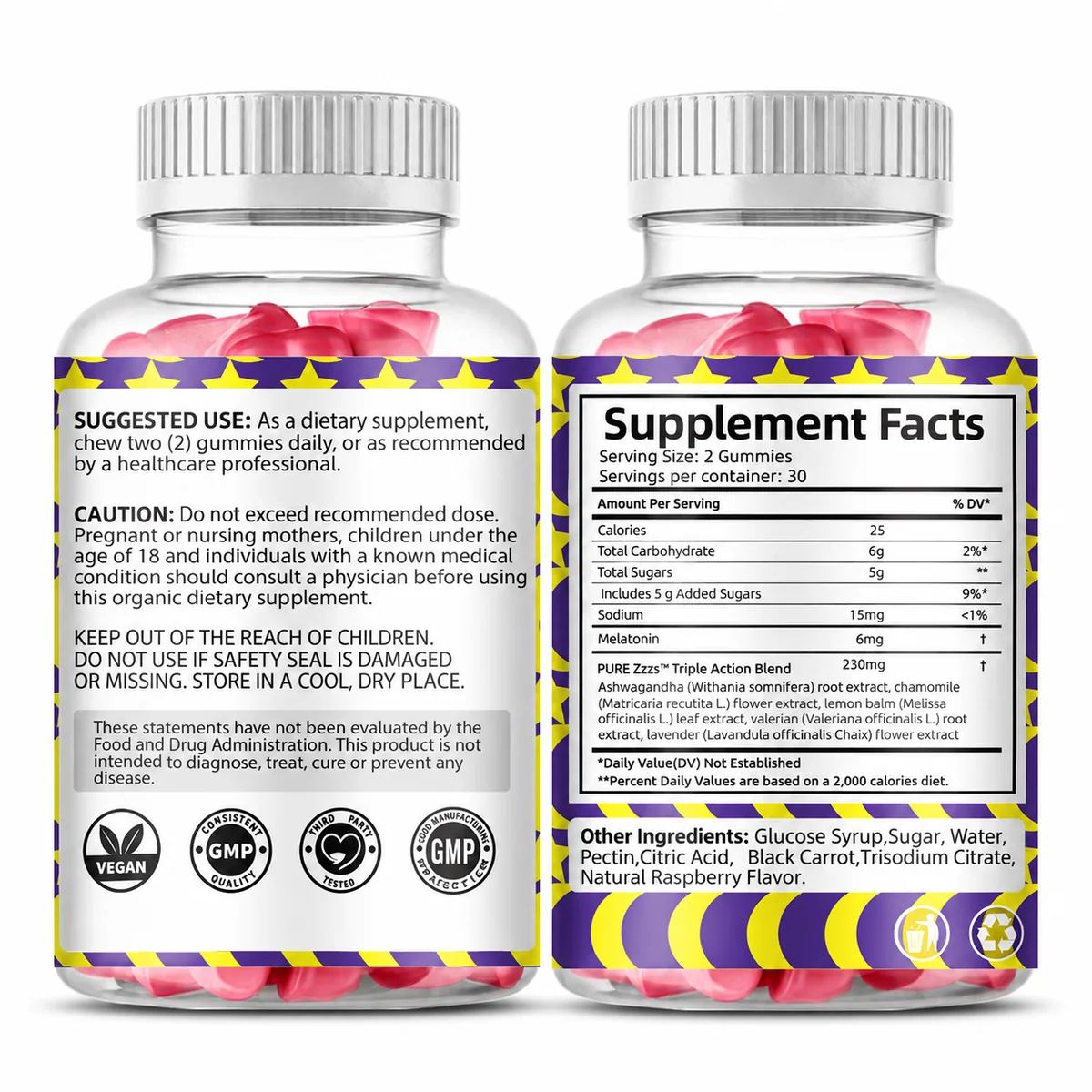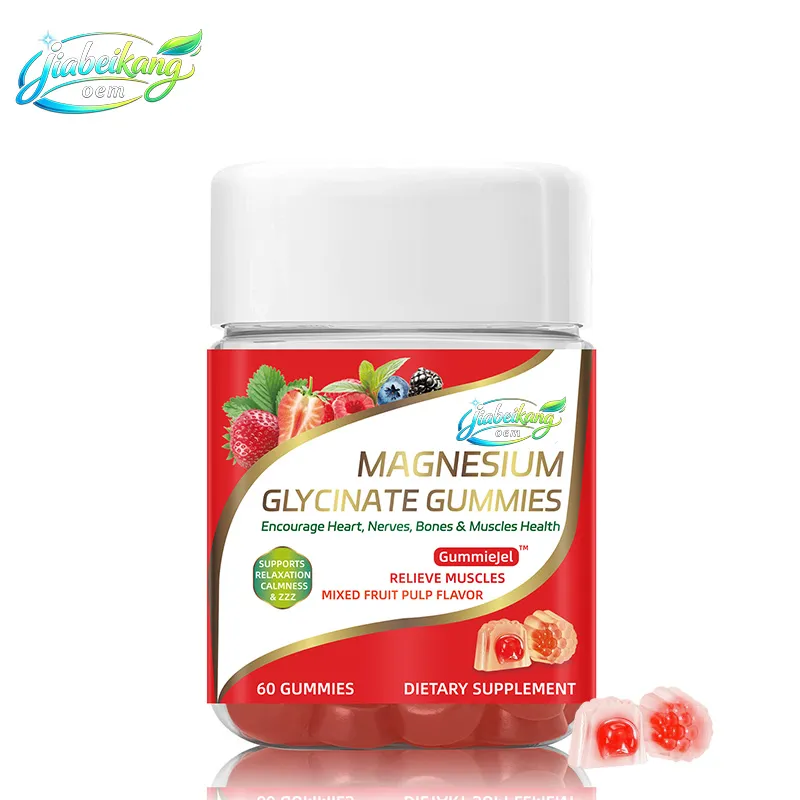




Product teams frequently start a melatonin gummy project with a bottle image, a flavor and one large number on the front label. that’s sufficient for a discussion, but not enough for the sample to be approved. A gummy is a connected system: the identity, declared amount and suggested use affect the size, shape, aroma, flavor, texture, package and claim set.
The immediate objective is not to write the specification longer than a magazine article. it’s to write specifications that make the decisions visible: the sample available for tasting is the one that the commercial team expects to sell. Would a buyer understand the decision at a glance?
Here is a review that can turn a broad concept into a product brief for the collaboration of purchasing, formulation, design and quality teams. Melatonin gummy bottle concept 1. Formulate the product identity in technical language Melatonin products require disciplined dose and market review.
The brief should note the amount per gummy and per daily dose, directions, adult target market, warnings, flavor system and sales markets. This is easier to fix before the next sample round. don’t copy the same dose to two markets without asking the supplier for a current specification, composition, assay, recommended storage condition and packaging requirements.
Branded raw material or special processing method or added dietary trait should be backed up in the brief by evidence necessary for markets where the claims will be made. Name the product by what is actually in the gummy and allow a list of still-open questions. Ingredient origin, quantity per dose, target market and selling countries should be decided and locked down only when teams confirm.
One side-by-side check can reveal more than a long sales claim. Flavor, shape and color can be left open to help with early samples. Giving different teams separate open and closed columns for these input variables ensures artwork is not mistaken as the final recipe.
2. Build the dose by establishing the serving size Serving size is a label-line decision as well as a physical step in the production process. If the answer is vague, ask again before signing off.
The active dose must be incorporated into a container of gummies that can be weighed accurately, dried to the intended consistency and chewed to the desired experience. An over-ambitious number can lead to a big gummy, a high daily dose or a chew texture that gives little flavor room. Next write out the dose (per gummy), the # of gummies (per dose), and the total dose, then the # of gummies (per bottle) and the # of days you want to fill the bottle with.
This logic can uncover common labelwriter blunders and help purchasing buy correct raw-material amounts as well as find the smallest reasonably-sized container. This is where a short written note saves time later. In the United States, a dietary supplement label copy begins with the serving size, servings per bottle and dietary ingredients per serving.
Many other countries have detailed rules about the presentation of this information. The label copy should be checked everywhere the label will be used. Ingredient level and presentation can be provided but not verified by the supplier, so the brand must keep responsibility for local approval.
it’s to avoid a preventable surprise. Melatonin gummy label 3. Review flavor and chewability in the context of the full product concept It can be tempting to test a flavor only with bland vehicle.
How quickly should the active reach the mid-palate? Should the piece be soft, chewy, dry or lightly oiled? Write the answer down; memory is a poor approval system.
How long should the aroma last? Should the color mask offnotes? Is a small active note ok?
Use the sample to get sensory metrics that include some active support. A good specification should settle this without a sales pitch.
Small and shallow shapes don’t deliver as much flavor and shape as larger and deeper ones; shape selection will affect taste, too. Before any custom mold is ordered, confirm the expected weight of a finished piece and the permissible weight variation. Also confirm the piece’s dimensions after it has been established in the expected product-humidity environment, not just warm from the production line.
4. Make the pack part of the full product Make sure your package gets more than just the wine and chocolate treatment.
Gummies respond to storage conditions just as other products do. Choose a bottle, closure, induction seal, desiccant, paper tube or individual packet against the batch formula, the intended distribution environment and the design intent.
Don’t make the pack image confusing: the consumer should be able to locate the dose, product name, container size, directions, warnings, ingredients list, lot and date without a puzzle. A small container would require clear organization of text and clear examination of finished product. Check if gummies stick to each other or to the label, move excessively during transport, appear underfilled, or show variation when viewed from above and after transport simulation.
5. Review stability against milestones A promising lot is only a start, not a shelf-life conclusion.
Record targets for moisture and water activity, appearance, flavor, aroma, chewiness and assay. Let the formulation be one input to those tests, and review the new pack in its proposed label and storage conditions. Pay special attention to shipping in warm climates.
Try reading the requirement as if you were the importer receiving the goods. Agree on storage temperatures, on what to do if the distribution temperature limit is exceeded and on the language of the storage label. If the first proof of stability contains a change, such as a colorant, flavorant or active supplier, the plan may need adjusting.
don’t assume “no change” just because the packaging has not changed. 6. A clear number is more helpful than a loose promise.
Words sell best when they support visible evidence The strongest marketing words are often those that tell the most specifics, working downward from what is actually present. Get their integrity confirmed by sufficient supporting evidence. Don’t sell the product with false or unsupported promises: words that say that the supplement can replace a lifestyle or cure health issues can lead to claims that harm the enterprise.
Product evidence, label copy, website text, search engine content, social-media postings and marketplace listing content all need to be reviewed for the same set of claims. If the website promises more than the completed product contains, the project remains in the pre-sell phase.
The pharmaceutical couplet “buyer beware” applies to all supplement claims, and it’s why a consumer’s only reliable course is speaking with a health professional. Ask the patient to check with a health care professional before use if pregnant or nursing, under age 18 or over age 70, taking any medication, or having any health condition. Don’t label drivers or machinery when you’re under the influence.
7. Control the approval path through the full team Confirm that the documented source, form, concentration, accompanying literature, formula revision, dollar amount, the announced gummies and the claimed markets are approved before the product hits the shelf.
Attach the approved sample as well as the artwork proof to a single revision log. Record what the product is and is not: a product containing fish oil is not vegan.