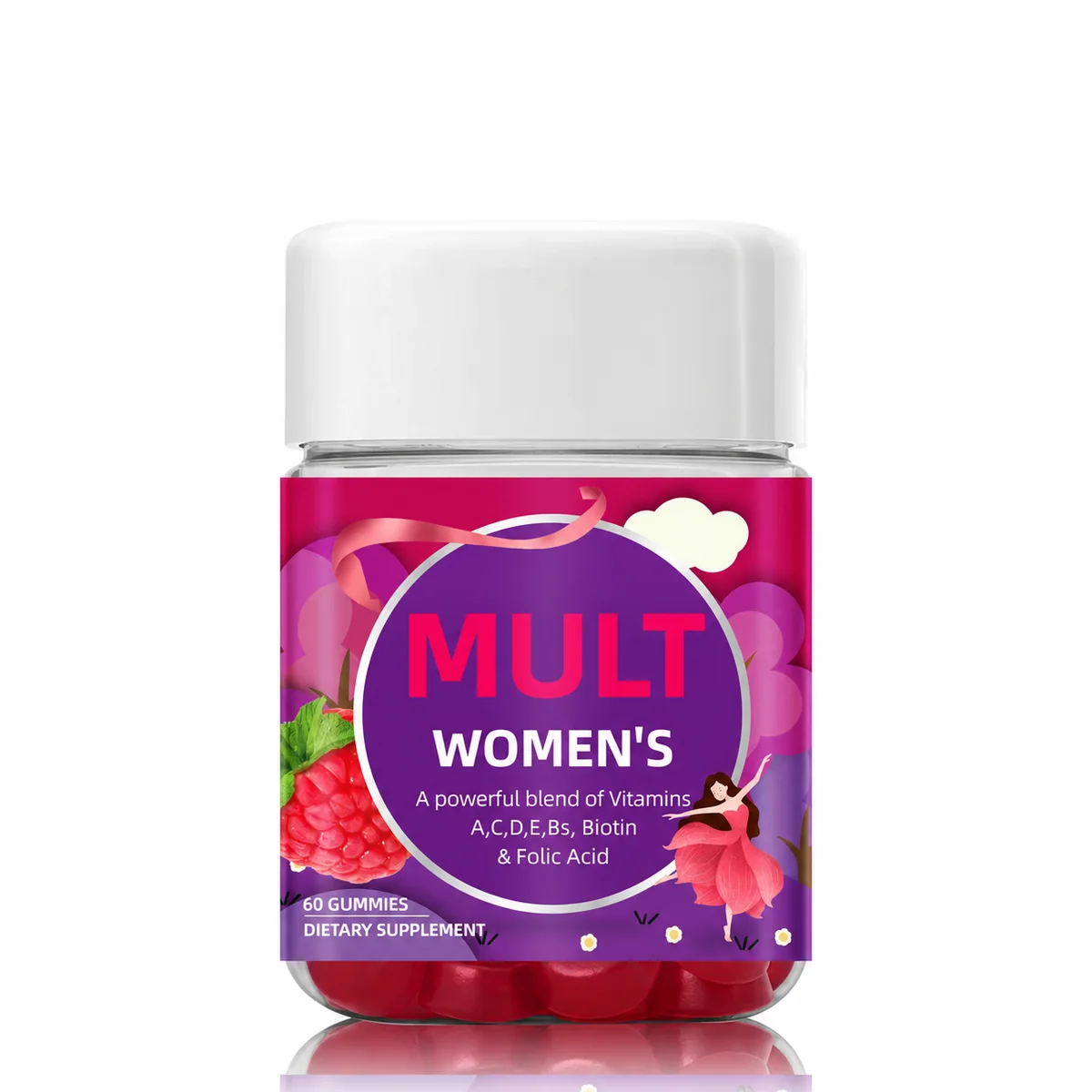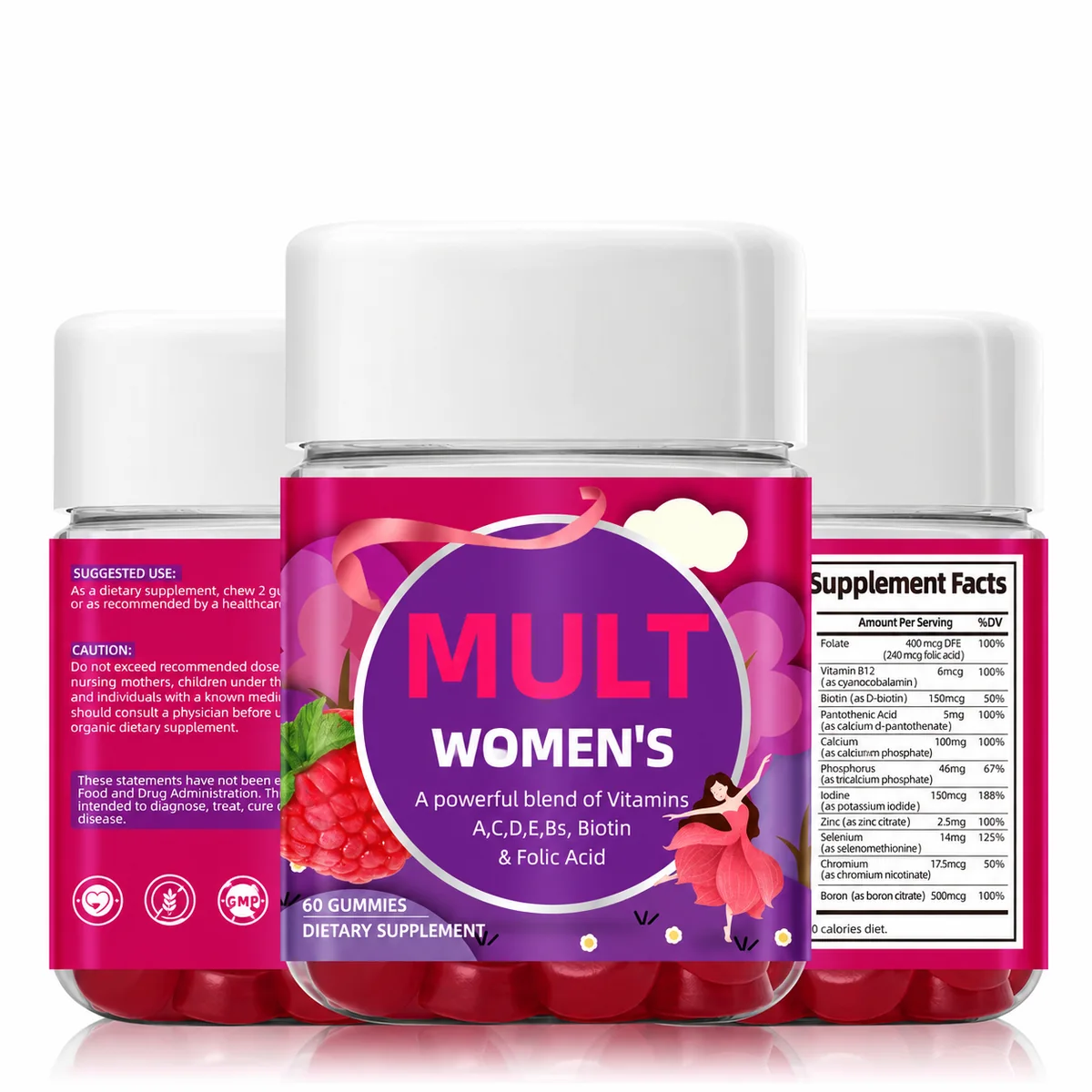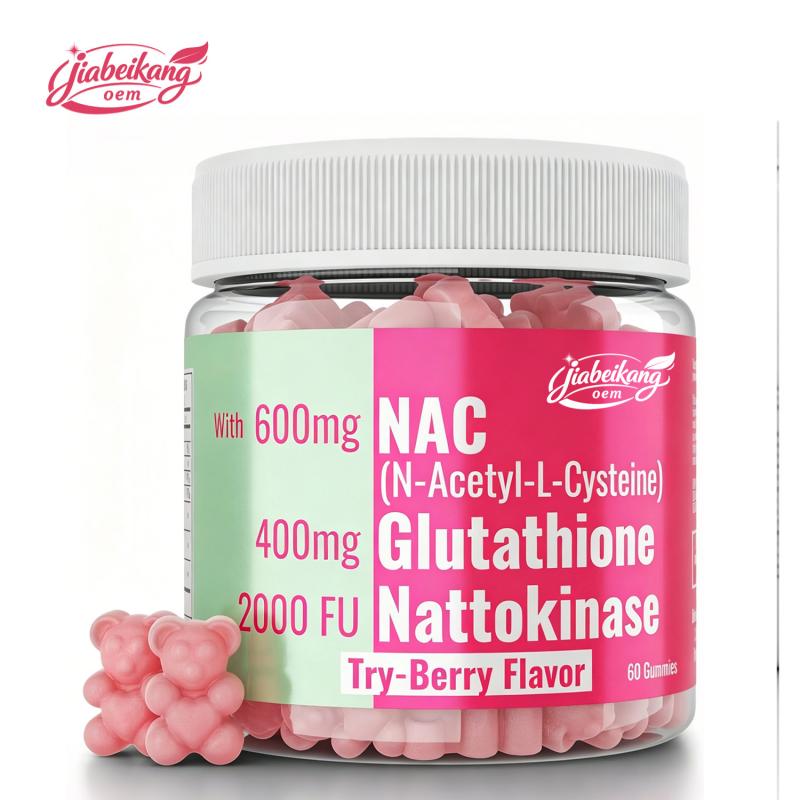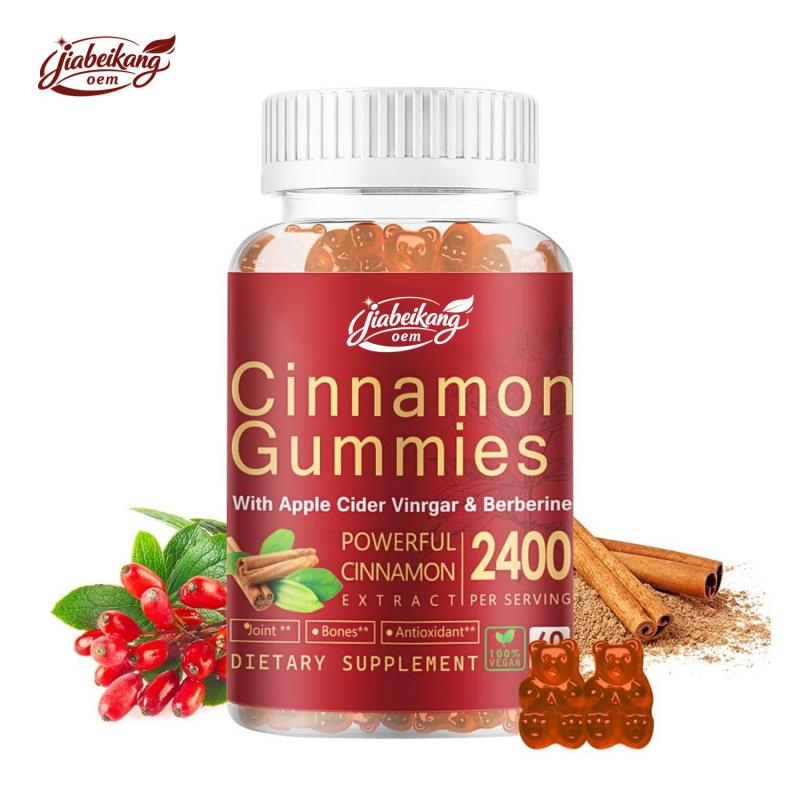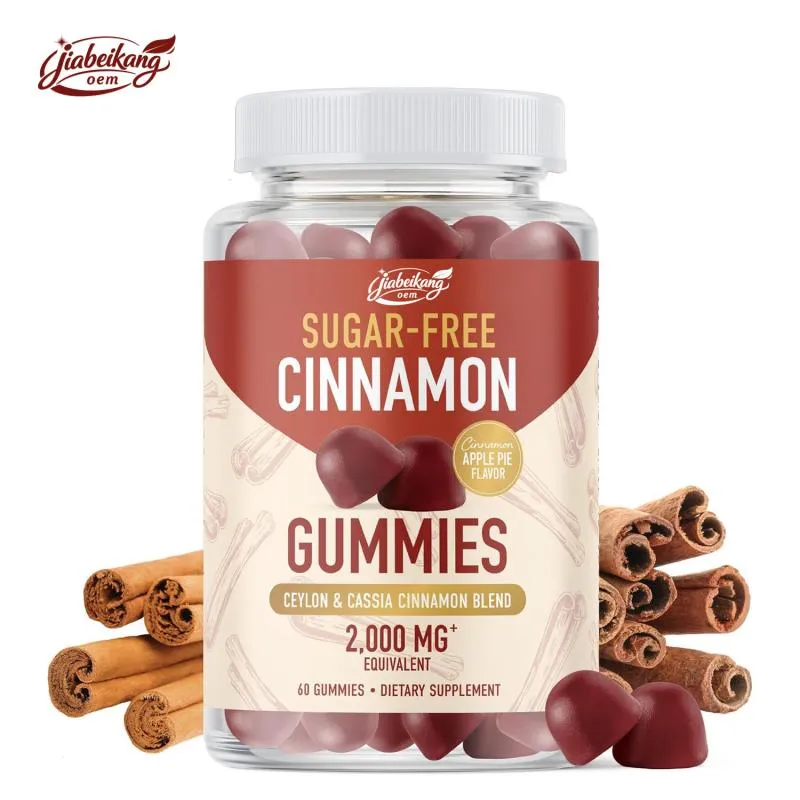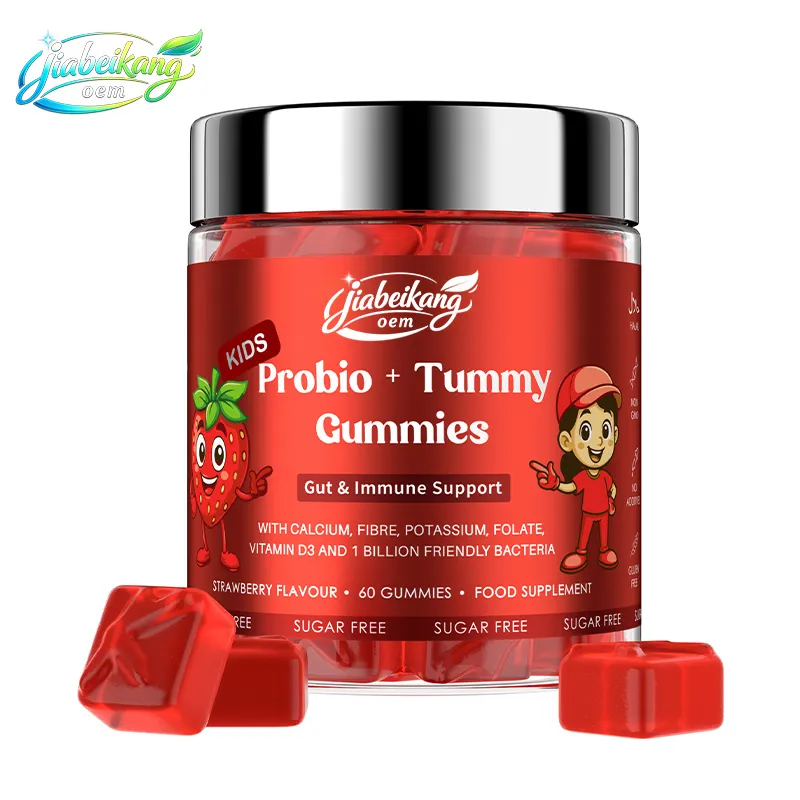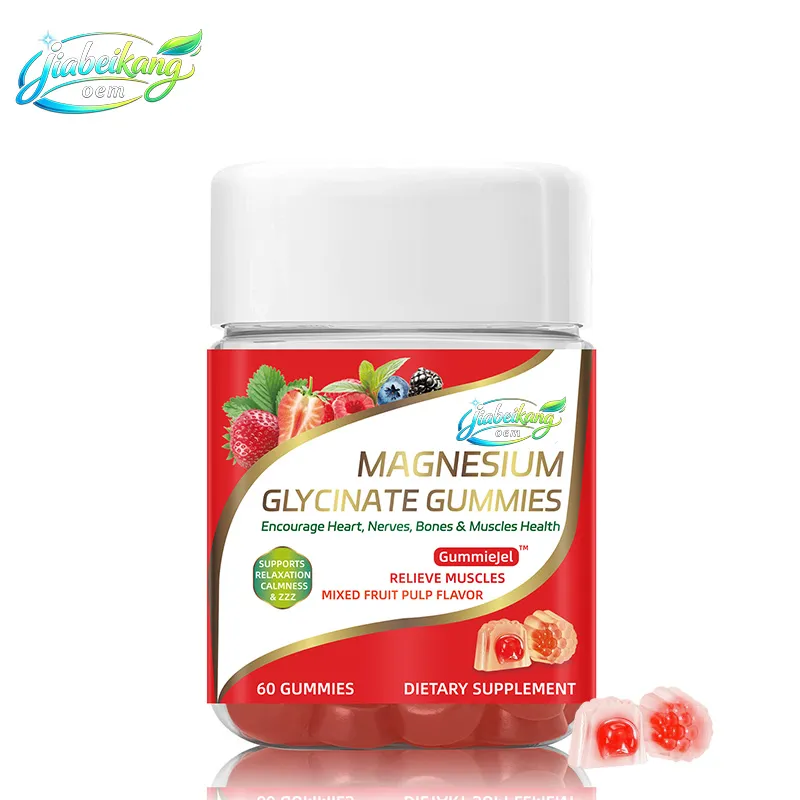




Women’s multivitamin gummy sample Teams working on a women’s multivitamin gummy sample sometimes begin the project with only a bottle picture, one flavor and one large number on the front label. That provides enough potential for discussion but not enough to rest a sample. As with the gummy, the finished composition is a unified whole: ingredient identities, stated amounts, piece weight, serving size, package, claims, and flavor profiles are all interrelated. A spec should be defined enough so that someone doesn’t create a sample that will not ever be approved but not so detailed that specifications aren’t seen as a hindrance to developing something innovative. Flavor profile can be elaborated late in formulation. What is most important is to give all parties a window into all decisions so the sample that is tasted matches the product the commercial team will take to market. Here’s a review that takes a broad concept and narrows it down to a product brief that teams working across purchasing, formulation, design and quality can come together around.
1. List the technical product identity A statement “for women” is not accurate enough for a technical brief. Specify in the brief the adult target group, the targeted nutrients with preferred chemical forms, the amounts per gummy and target servings per gummy and per bottle. If it is critical, include marketing team’s suggestion that this become an iron “plus” or specific product to appear in advertising. Name a daily dose, so the presentation team can say “exactly how many gummies will I chew per day?” The phrase “healthy” belongs in marketing material, not in the technical file. Confirm with suppliers a current spec, assay, package instructions, market-approved branded presentation and suggested storage location. If the gummy will have branded colours, special processing, dietary points, record the evidence you will expect to justify each with the label and specs. Give the product name clearly describing what is in the gummy, instead of what the creative team wanted to mean. Record the short status list of solved items (amounts, markets, ages) and open items (shapes, flavors) so artwork never becomes an implicit formula.
2. Create the serving in conjunction with the front label Decide on the volume of gummy needed to constitute a dose, how it will be dispensed and how long it will take to chew. A shot at the target active per dose at the target charge in a tablet press or deposit system may not pan out. The specified serving size might be bigger than the commercial/medical team expects, or weaker than the flavor teams have anticipated. For each dose of gummies, write down the total amount needed to serve, how many gummies are in each dose and how many doses go into one container. Add in the number of doses per container and years of use. These calculations, kept internally, help you avoid common label-design mistakes and also help procurement estimate raw-material needs and pack suppliers select an appropriately sized container based on the real count. The U.S. Food and Drug Administration’s dietary supplement guide states that the dietary supplement facts panel includes serving size, servings per container and dietary ingredients per serving (other markets may require separate label review). A supplier can provide formula and batch information but the brand must retain qualified review of the label.
3. Treat flavour & texture as specification, not just description. Generic selection of flavour note (raspberry, mixed berry) with a plain base may change with minerals, fatty oils, acids or vitamins. Select the overall level of flavour with regard to the active weight within the target dose load. Not enough sweetness can not help the bitterness, too much can just keep the after-note longer instead of providing a more ‘clean’ exit. Acceptance Can you specify the flavour(s) for: a soft or firm chew, with a dry surface, a light oiling; very quick on-set of the flavour; some decrease of the active note. Verbal descriptors are easy, scoring criteria are better; comments as to what happened while chewing are easier to judge. Piece shape also makes a difference: deeper shapes will maintain a larger mass, shallow decorative shapes and centre-in-set designs will have a different effect. Before ordering custom moulds or printing, verify the expected final piece weight, allowable variance and the size of a conditioned gummy – not just a warm one.
4. The pack isn’t an adornment job. Scree, gummies are still exposed to heat, water, light and oxygen. You must also worry about bottle material, mouth closure, induction seal, empty bottle before filling, desiccants, individual packages, and paper tubes in the context of the finished formulae and usual distribution. The pack needs to be honest and clear. A consumer should be able to find product identification, count, serving, usage instruction, warnings, ingredients list, lot/production date in a single effort. With a small bottle a design team should have in place the full data architecture before they define font sizes or formulate decorative panels. Use the actual production pack for critique, field test movement and clumping during transport simulation, Photograph after transportation and after one month of storage conditions (assuming a reputable short term taste sample was stable enough to be preserved at the end).
5. A good candidate is only the first step. Document moisture, water activity, appearance, aroma, taste, mouthfeel and assay test standards, what will be tested for the display (open bowl, sealed bottle). Remember factors which can affect gummies when travelling through hot climates are temperature and humidity. The agreed wording in the product brief, batch sheet, product specs and release specs has enhanced quality department responsibility. Before you check stability (new flavour, colour, sweetener, bottle or raw-material supplier), document that you have both reviewed and then updated the test scope. You will not have to repeat this as the front label has not been updated. “Same product” should not mean “just change the name on the label”.
6. Build tight claim documentation Specificity wins. On label claim should be comprehensive in raw ingredient format and for each dosage: specific number of gummies in each container; taste profile; and backed diet-related context, not treatise or guaranteed qualities. Stay away from language that implies a patented cure or controlled condition leading to guaranteed health benefits. USFTC’s 8 mental health-related foods and nutrition products advice suggests utilization of substantiation before making a promise of intervention. Also note that nutrition calls of high food, great source of..etc are not necessarily text-only. They can be suggested through illustrations, symbols, customers’ feedback or life-style copies as simply as through words. Examination copy of the label, website, online marketplace listing and social media postings for one synchronized claim set. In the case that claim set has elements that contradict with the technical file, the undertaking is still to finish. Don’t sell your “flat” claims such as health benefits on a nutrition label that doesn’t hold up.
7. Confine to one project approval log Confirm correct source ingredient, file revision, dose calculation, pack count, flavor, shape, taste and claim details. Confirm sample graphic, copy and proof. Record what this product is and what it isn’t. If it’s fish oil, not vegan; it says “sugar free” but requires a certain level of analytical detection then don’t call it sugar free.