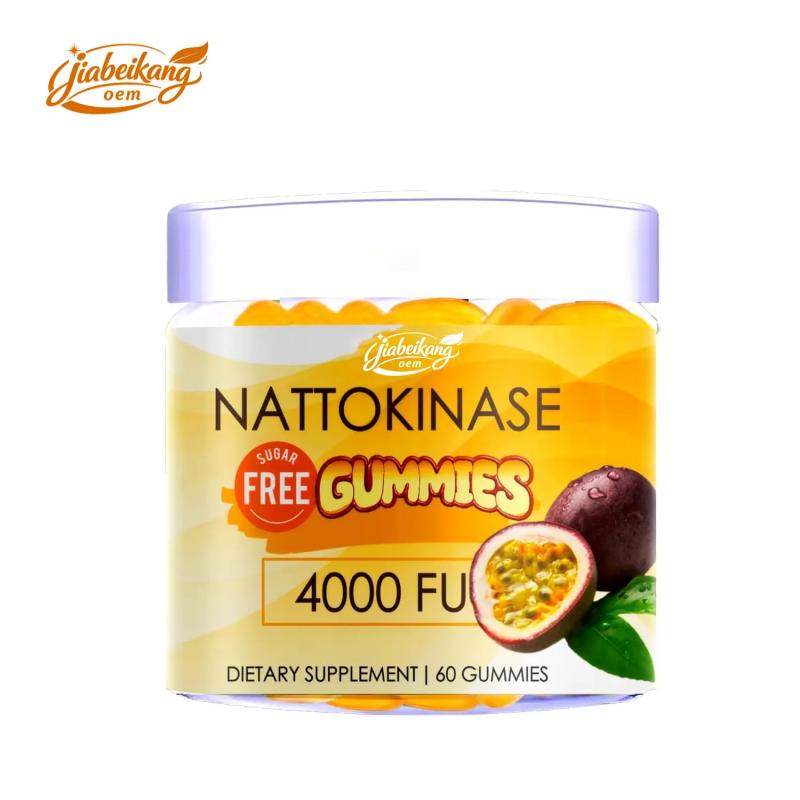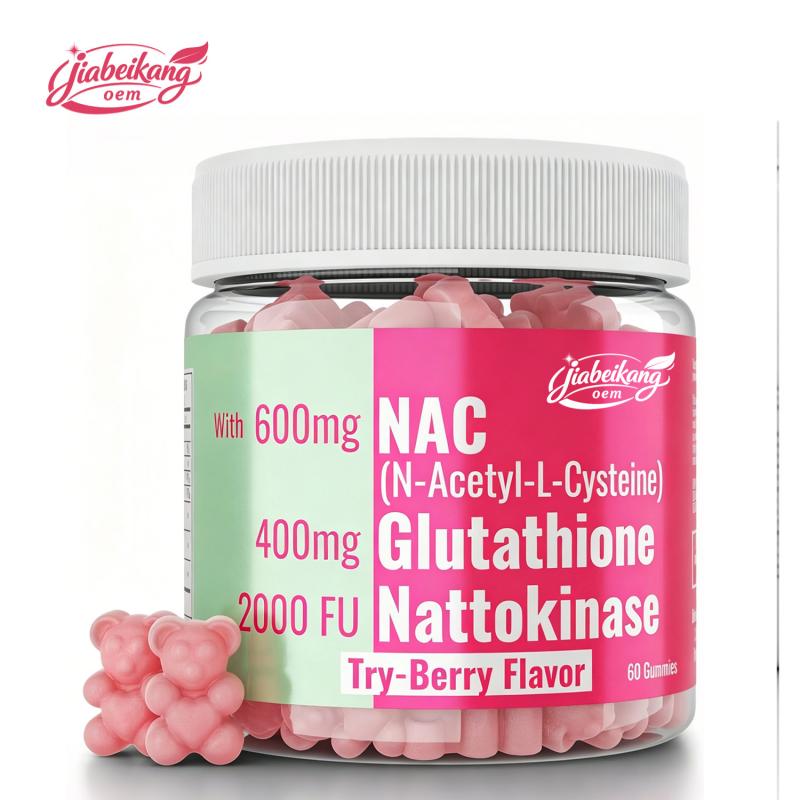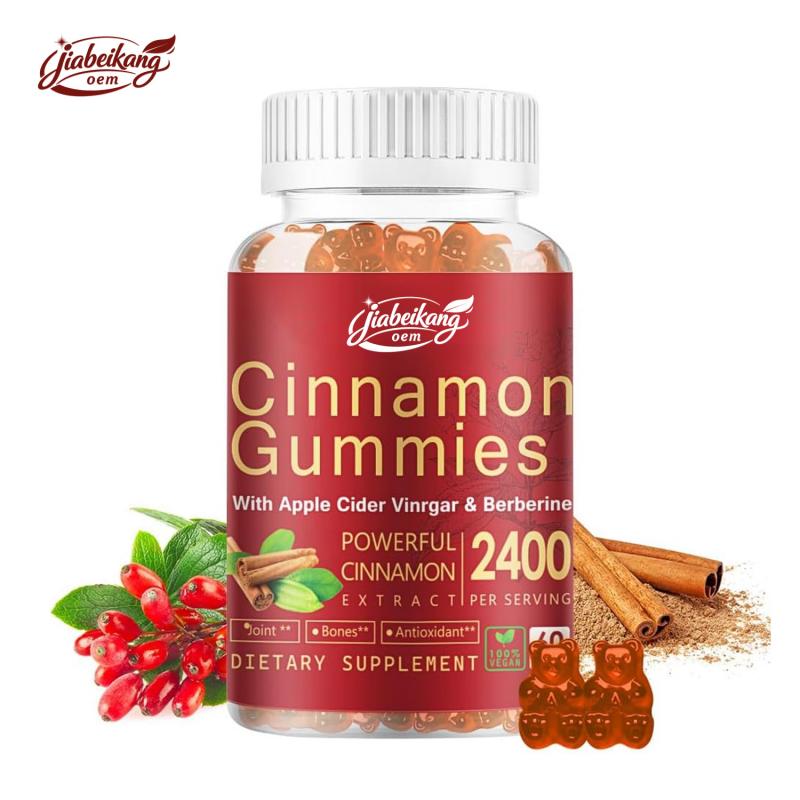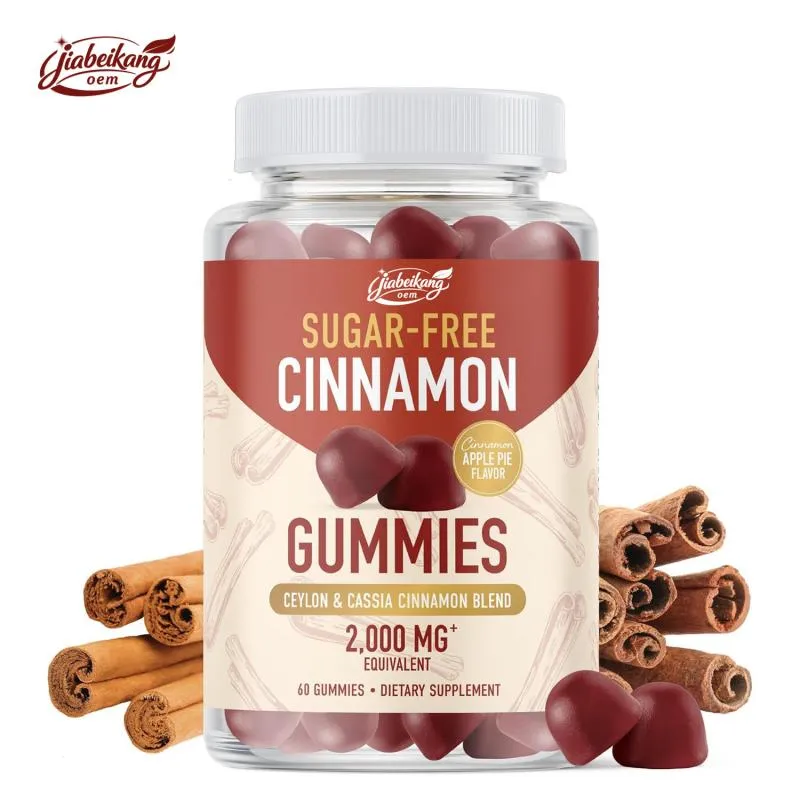




A gummy can taste perfect in a sample room and still fail later. Heat can soften the texture, moisture can cause sticking, and an active ingredient can drift below its target during storage. Once bottles, labels, cartons, and freight are committed, those problems become expensive.
For private label brands, testing should be planned before the purchase order—not added after production. The right plan depends on the formula, dosage, target market, package, and sales channel. A vitamin gummy, botanical blend, and sleep gummy do not carry the same technical risks.
Red Kangaroo builds quality checks into the OEM/ODM process from formula review and sampling through bulk production, finished-product inspection, packaging, and shipment documentation.
Why does gummy supplement testing matter before production?
Gummy supplement testing is a set of checks used to verify that the formula, manufacturing process, finished batch, and package meet agreed quality specifications.
Gummies are sensitive systems. Gelling agents, acids, sweeteners, flavors, colors, and active ingredients all respond differently to heat, drying, coating, and storage. A formula that looks good on paper may become sticky, lose texture, or show poor active retention after scale-up.
Before approving production, agree on what the factory will test, the target for each active, acceptable tolerances, the COA items, and whether third-party analysis is required. This makes the release standard clear before money is tied up in a commercial batch.
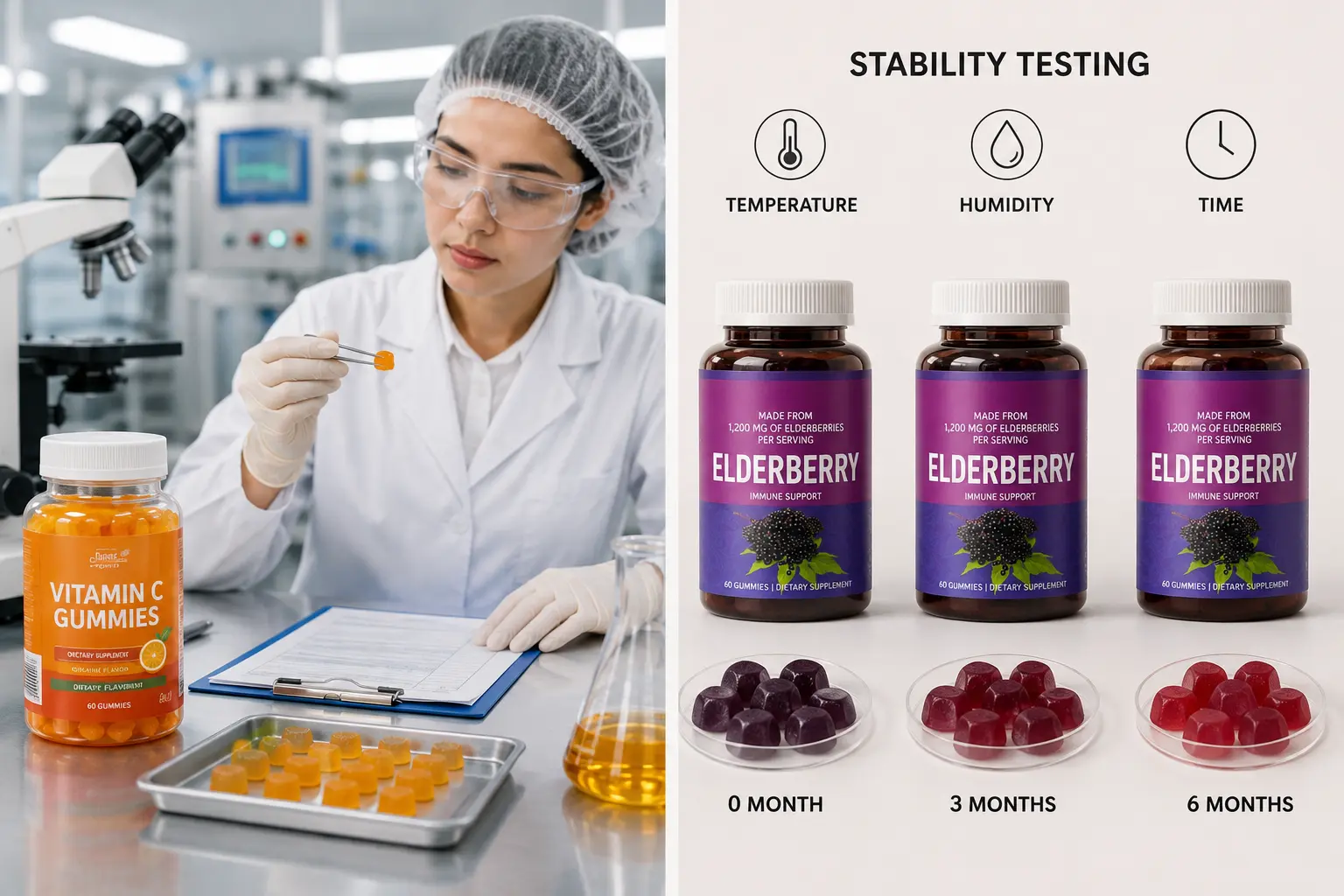
What should be checked before a formula moves into production?
A pre-production formula review checks ingredient suitability, dosage, processing feasibility, compliance needs, and the documents required for the target market.
Start with the ingredient list. Confirm the source and specification of each active, its dose per gummy or serving, allergen status, and any market-specific restrictions. Raw materials should also be screened against the risks that matter for the project, such as identity, heavy metals, microbiology, or pesticide residues.
The factory should then test whether the formula can survive the actual gummy process. Some actives dislike high heat; others affect pH, flavor, color, or gel strength. Solving these issues at formula stage is faster than correcting them after a pilot batch.
Which sample tests help prevent costly revisions?
Sample-stage testing evaluates a prototype before commercial scale-up so formula, texture, appearance, and processing problems can be corrected early.
A sample is more than a taste check. Review flavor and odor, texture, stickiness, coating, weight consistency, visible defects, and short-term storage behavior. For a new formula, also confirm that the intended active level is technically realistic.
Keep sample approval criteria in writing. If a later change affects the active source, flavor system, color, gelling system, or package, decide whether a new sample is needed before bulk production.
| Stage | Main checks | Decision |
| Formula review | Active dose, raw-material specs, processing, market limits | Can the formula move to sampling? |
| Pilot sample | Taste, texture, weight, coating, defects, short-term storage | Does the sample meet approval criteria? |
| Finished batch | COA, active content, microbiology, heavy metals if applicable, count/weight | Can the batch be released? |
| Stability review | Appearance, texture, active trend, package condition | Does the package/shelf-life plan remain suitable? |
What finished-product tests should private label brands ask about?
Finished-product testing is the release check performed on a completed batch against the specifications agreed for that product.
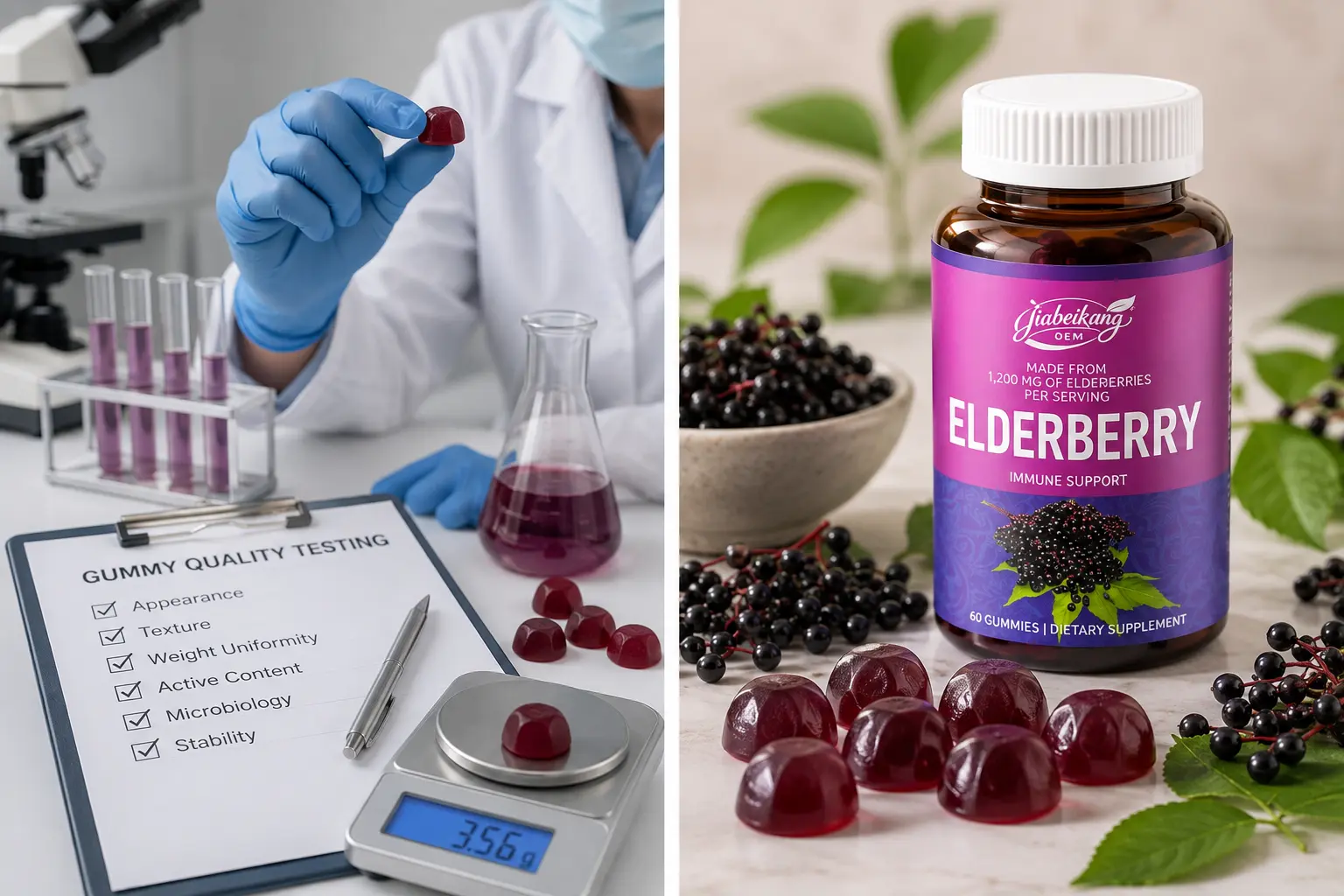
Typical checks can include appearance, net count or weight, moisture-related indicators, active ingredient content, microbiological limits, and heavy metals where required. The exact list should follow the formula and destination market rather than a generic laboratory package.
The batch COA should match the release plan. Buyers should know which results are generated in-house, which come from a qualified third-party laboratory, and which specifications trigger a hold or investigation.
| Parameter | Sample stage | Finished batch | Stability review |
| Appearance / texture | Approve target | Verify batch | Track change |
| Weight / count | Check range | Release specification | Usually secondary |
| Active content | Check feasibility | Confirm content | Track retention |
| Microbiology | Risk-based check | Release as required | Repeat if plan requires |
| Package integrity | Trial fit | Seal / fill check | Moisture, heat, handling |
How does packaging stability affect gummy quality?
Packaging stability shows whether the selected bottle, pouch, jar, or blister can protect the gummy through storage, transport, and normal handling.
Packaging is part of the formula’s stability system. Moisture, light, oxygen, temperature, and compression can change texture, appearance, odor, and active retention. A gummy that stays stable in a sealed sample bag may behave differently in a retail pouch during summer shipping.
Match the package to the route to market. A domestic retail bottle, travel pouch, and cross-border e-commerce pack face different handling conditions. Red Kangaroo’s quality system uses compatibility-based packaging selection and monitors temperature and humidity during storage and transit.
What documents should a gummy manufacturer provide before shipment?
Pre-shipment documentation is the quality, production, labeling, and logistics record set used to support batch release and delivery.
Confirm the document list before production. Depending on the order, it may include the batch COA, ingredient documents, third-party reports, packing list, label artwork confirmation, applicable certificates, and customs or logistics paperwork.
Retained samples are also useful. If a customer later questions texture, color, odor, or package condition, a retained unit gives the brand and manufacturer a physical reference from the same batch.
What questions should buyers ask before approving production?
You do not need to manage the laboratory. You do need a clear control plan. Before approval, ask:
- What finished-product specifications will be used for release?
- Which results will appear on the COA?
- Which tests are in-house and which are third-party?
- What changes would trigger a new sample or repeat testing?
- How will the package be assessed for moisture, heat, and transport risk?
- Which records and retained samples will be kept?
How should brands compare testing plans between suppliers?
Compare scope, not just unit price. A low quotation may exclude third-party testing, stability work, extra sample rounds, or market-specific documentation. A higher quote can be better value if release standards and responsibilities are defined from the start.
Ask suppliers why each test is included. Separate routine release checks from formula-specific risks and buyer-requested extras. Red Kangaroo’s system covers incoming raw-material inspection, process monitoring, laboratory testing, stability evaluation, and finished-product inspection. Its four dedicated gummy lines have a stated daily capacity of 6 million gummies.
What is the practical takeaway before placing an order?
Testing works best when it is decided while the formula and package can still change. Before the PO, align the technical team, buyer, and packaging supplier on the same release standard.
Use this short pre-production checklist:
- Confirm the formula, serving size, and active targets.
- Confirm target-market and label requirements.
- Define sample approval criteria and change-control rules.
- Agree on finished-batch tests and COA items.
- Set the stability plan and shelf-life expectations.
- Match packaging protection to storage and shipping conditions.
- Confirm certificates, third-party reports, and shipment documents.
When requesting a final quote, share the formula concept, dosage, target market, package, sales channel, and expected order size. That gives the manufacturer enough context to recommend a focused testing plan instead of a generic one.